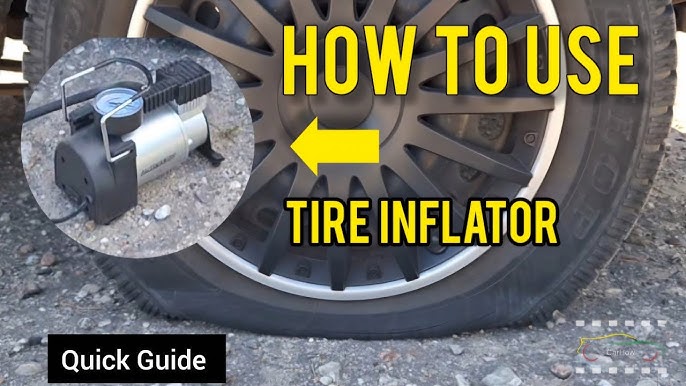
Have you ever faced the frustration of a flat tire when you’re in a hurry? Knowing how to inflate a car tire at home can save you time, money, and stress.
Imagine quickly fixing your tire without needing to call for help or visit a gas station. In this guide, you’ll discover simple steps and useful tips to get your tire back to the right pressure safely and easily. Keep reading, and you’ll never feel stuck with a flat again.
Tools Needed
Inflating a car tire at home is simple with the right tools. Having these tools ready saves time and effort.
Each tool has a specific role to help you check and add air safely to your tire.
Tire Pressure Gauge
A tire pressure gauge measures the air pressure inside your tire. It helps you know when to add air.
There are different types, such as digital, dial, and stick gauges. Choose one that is easy to read.
- Digital gauges show numbers clearly on a screen
- Dial gauges have a round face with a needle
- Stick gauges slide out a measuring bar
Air Compressor Options
An air compressor pumps air into your tire. It connects to your car’s valve stem to inflate the tire.
You can use a portable air compressor or one at a gas station. Portable ones work well at home.
- Portable compressors run on your car battery or a power outlet
- Station compressors are usually coin-operated
- Look for a model with a pressure gauge built in
Valve Stem Cap
The valve stem cap covers the valve where you add air. It keeps dirt and moisture out of the valve.
Make sure the cap is on tightly after inflating your tire. This protects the valve and keeps air in.
Check Tire Pressure
Checking tire pressure is important for safe driving. Proper inflation helps your car run smoothly.
Low tire pressure can cause poor fuel efficiency and uneven tire wear. Learn how to check it at home.
Locate Recommended Psi
Find your car’s recommended tire pressure inside the driver’s door frame. It shows PSI values for front and rear tires.
You can also check the owner’s manual. Never use the number on the tire sidewall. That is the maximum pressure.
Use Pressure Gauge
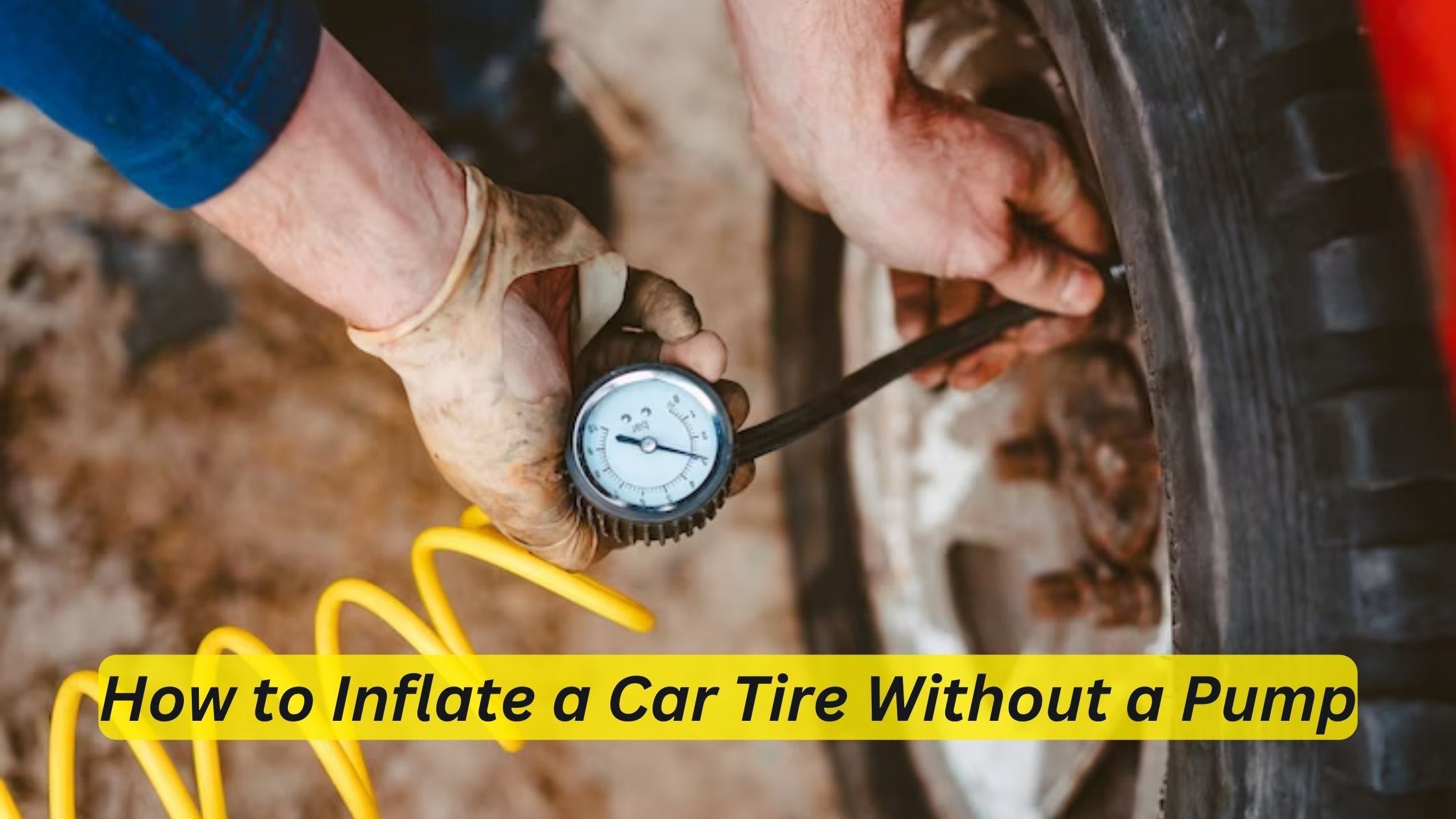
A pressure gauge helps you read the current PSI. Remove the valve cap, press the gauge firmly, and read the number.
- Use a digital or analog gauge for accuracy.
- Check pressure when tires are cold for best results.
- Repeat for all four tires to ensure consistency.
Identify Underinflated Tires
| Tire Condition | Signs | Recommended Action |
|---|---|---|
| Underinflated | PSI below recommended value | Add air until proper PSI is reached |
| Properly Inflated | PSI matches recommended value | No action needed |
| Overinflated | PSI above recommended value | Release air carefully |
Prepare The Tire
Before inflating a car tire, you must prepare it properly. This ensures the process is safe and effective.
Preparation includes checking the tire and valve for damage and removing any caps or covers.
Remove Valve Cap
Start by locating the valve stem on your tire. The valve cap protects the valve from dirt and moisture.
Unscrew the valve cap carefully and set it aside in a safe place. Do not lose it, as it helps keep the valve clean.
Inspect Tire And Valve
Check the tire surface for any visible damage. Look for cuts, cracks, or embedded objects like nails.
- Look around the tire tread and sidewall carefully
- Check the valve stem for cracks or leaks
- Press the valve core gently to see if air escapes
- If any damage is found, fix or replace before inflating
| Item | What to Check | Action if Problem Found |
| Tire Tread | Cracks, cuts, embedded objects | Repair or replace the tire |
| Sidewall | Bulges, cracks, dry rot | Replace the tire |
| Valve Stem | Cracks, leaks, loose core | Tighten or replace valve |
Credit: medium.com
Inflate The Tire
Inflating a car tire at home is simple with the right tools. You need an air compressor and a pressure gauge. This guide helps you add air safely and correctly.
Follow the steps carefully to avoid overinflation or damage. Check your tire’s recommended pressure before starting.
Attach Air Compressor Hose
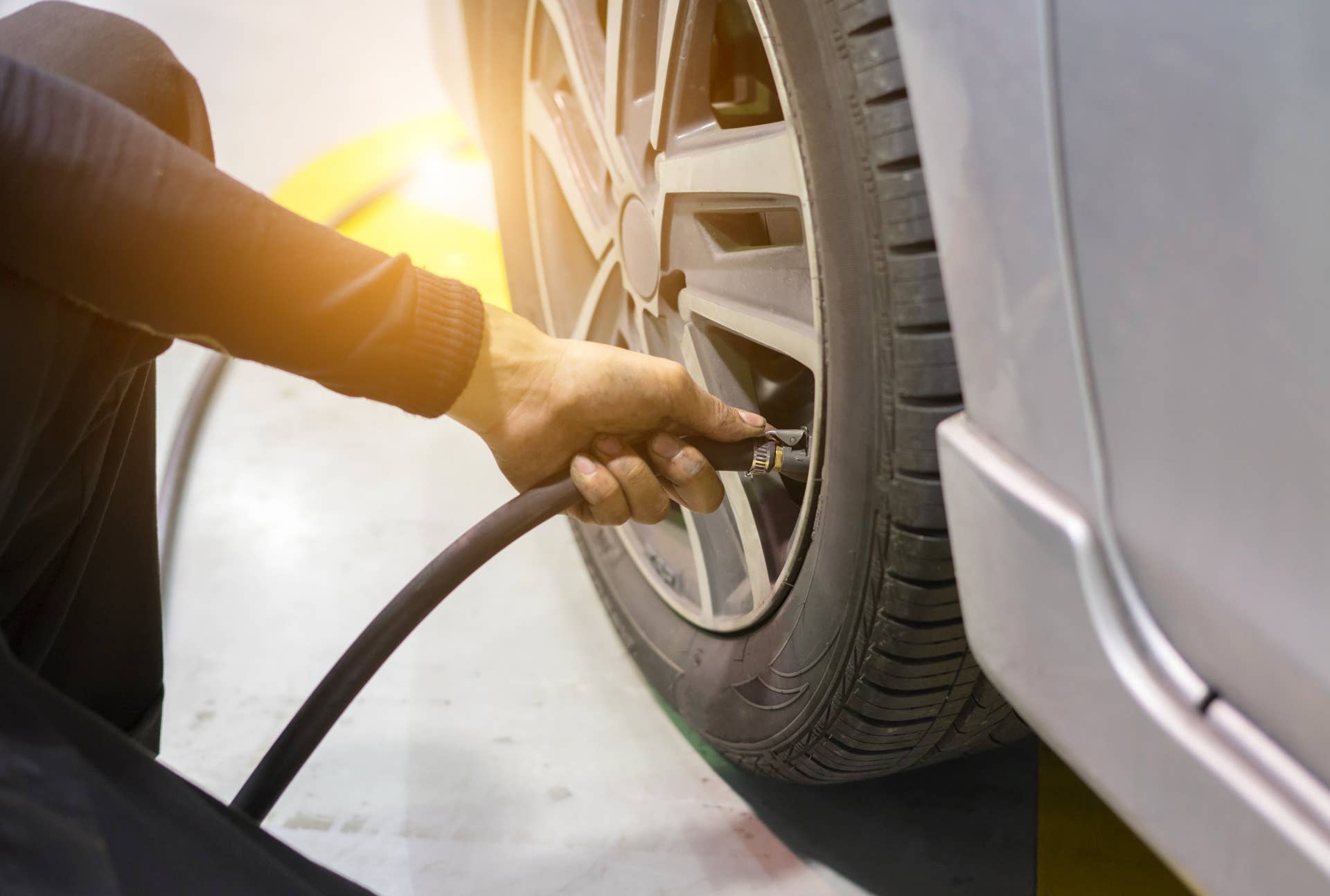
First, remove the valve cap from the tire. Then, connect the air compressor hose firmly to the valve stem. Make sure it fits tightly to prevent air leaks.
Add Air In Short Bursts
Press the compressor trigger to add air. Use short bursts instead of a continuous flow. This method helps you control the air volume better and avoid overfilling.
- Press air for 5 seconds or less
- Pause and check the tire
- Repeat if more air is needed
Monitor Pressure Levels
Check the tire pressure often with a gauge. Keep adding air until the pressure reaches the recommended level. Avoid going over the limit to keep the tire safe.
| Pressure Level | Meaning |
| Below Recommended | Needs more air |
| At Recommended | Ideal pressure |
| Above Recommended | Overinflated, release air |
Finish Up
After inflating your car tire, it is important to complete the process properly. This helps keep your tire safe and ready for driving.
Follow these final steps to finish up correctly and avoid any problems later.
Replace Valve Cap
Put the valve cap back on the tire valve stem. The cap protects the valve from dirt and moisture.
Make sure the cap fits tightly but do not overtighten it. A secure cap keeps the valve clean and working well.
Recheck Tire Pressure
After inflating, check the tire pressure again with a gauge. This ensures the tire has the right amount of air.
If the pressure is too high or too low, adjust it by letting air out or adding more.
- Ideal pressure is shown on the tire or car door label
- Check pressure when tires are cold for accuracy
- Use a reliable pressure gauge for best results
Clean Up Equipment
Put away your air pump, pressure gauge, and other tools. Clean any dirt or dust off them before storing.
Keeping your equipment clean helps it last longer and work well next time you need it.
Credit: www.autoblog.com
Safety Tips
Inflating a car tire at home needs care to avoid accidents. Safety helps protect you and your vehicle.
Follow simple safety tips to keep the tire and yourself safe during inflation.
Avoid Overinflation
Do not put too much air in the tire. Overinflation can cause the tire to burst.
- Check the recommended pressure on the tire sidewall or car manual.
- Use a reliable pressure gauge to measure the air pressure.
- Inflate slowly and stop often to check the pressure.
- Never exceed the maximum pressure listed on the tire.
Check Tires Regularly
Look at your tires often to find any damage or wear. This helps keep you safe on the road.
| Check Item | What to Look For |
| Tread Depth | Make sure it is not too low to keep good traction. |
| Sidewall Condition | Look for cracks, cuts, or bulges that can cause failure. |
| Air Pressure | Keep it at the recommended level for safety and fuel efficiency. |
Maintain Equipment
Keep your tire inflating tools clean and in good shape. Bad tools can cause mistakes or injuries.
- Check your air compressor or pump for leaks.
- Make sure the pressure gauge is accurate.
- Use proper fittings that match your tire valve.
- Store equipment in a dry place to prevent rust or damage.

Credit: www.carhub.ca
Frequently Asked Questions
How Do I Check My Car Tire Pressure At Home?
Use a tire pressure gauge to check pressure. Remove the valve cap, press the gauge onto the valve stem, and read the pressure. Compare it with the recommended PSI found in your car manual or on the door jamb label.
What Equipment Do I Need To Inflate A Car Tire?
You need a tire pressure gauge, an air compressor or pump, and a valve stem tool. An electric or manual pump works well. Ensure the air compressor has a pressure regulator for safety.
Can I Use A Regular Air Pump For Car Tires?
Yes, a regular air pump can inflate car tires if it fits the valve stem. However, electric air compressors are faster and more accurate for maintaining proper pressure.
How Much Air Pressure Should Car Tires Have?
Car tires typically need between 30 and 35 PSI. Check your vehicle’s manual or the sticker on the driver’s side door for the exact recommended pressure.
Conclusion
Inflating a car tire at home is simple and safe. Keep a pressure gauge nearby for accuracy. Always check the tire pressure before driving. Use a reliable pump to avoid damage. Regular tire maintenance helps your car run smoothly. Stay calm and take your time during the process.
With these easy steps, you can save time and money. Remember, proper tire care improves safety on the road. Now you know how to keep your tires in good shape.