
Are tent caterpillars taking over your trees and garden? You’re not alone, and the good news is you can stop them before they cause serious damage.
These pesky insects don’t just look messy—they can weaken your plants and make your outdoor space less enjoyable. But how do you get rid of tent caterpillars quickly and effectively? Keep reading, because you’ll discover simple, proven methods to protect your trees and regain control of your yard.
Don’t let these unwanted guests stick around—your garden deserves better.
Identify Tent Caterpillars
Tent caterpillars are common pests that harm trees. They build silk tents in tree branches.
Knowing how to spot them early helps stop damage to your plants.
Common Signs Of Infestation
Look for web-like tents in tree forks or branches. These tents are made of silk and house many caterpillars.
Other signs include chewed leaves and small droppings on leaves or under trees.
- Silk tents in tree branches
- Leaves with holes or edges eaten
- Clusters of small black caterpillars inside tents
- Dark droppings on leaves or ground
Life Cycle And Behavior
Tent caterpillars start as eggs laid on tree branches in spring. The eggs hatch into caterpillars that build silk tents.
The caterpillars feed on leaves during the day and hide in tents at night. They grow quickly and change into moths by early summer.
- Eggs laid on branches in late winter
- Caterpillars hatch in early spring
- Build silk tents for shelter
- Feed on leaves during the day
- Become moths by early summer
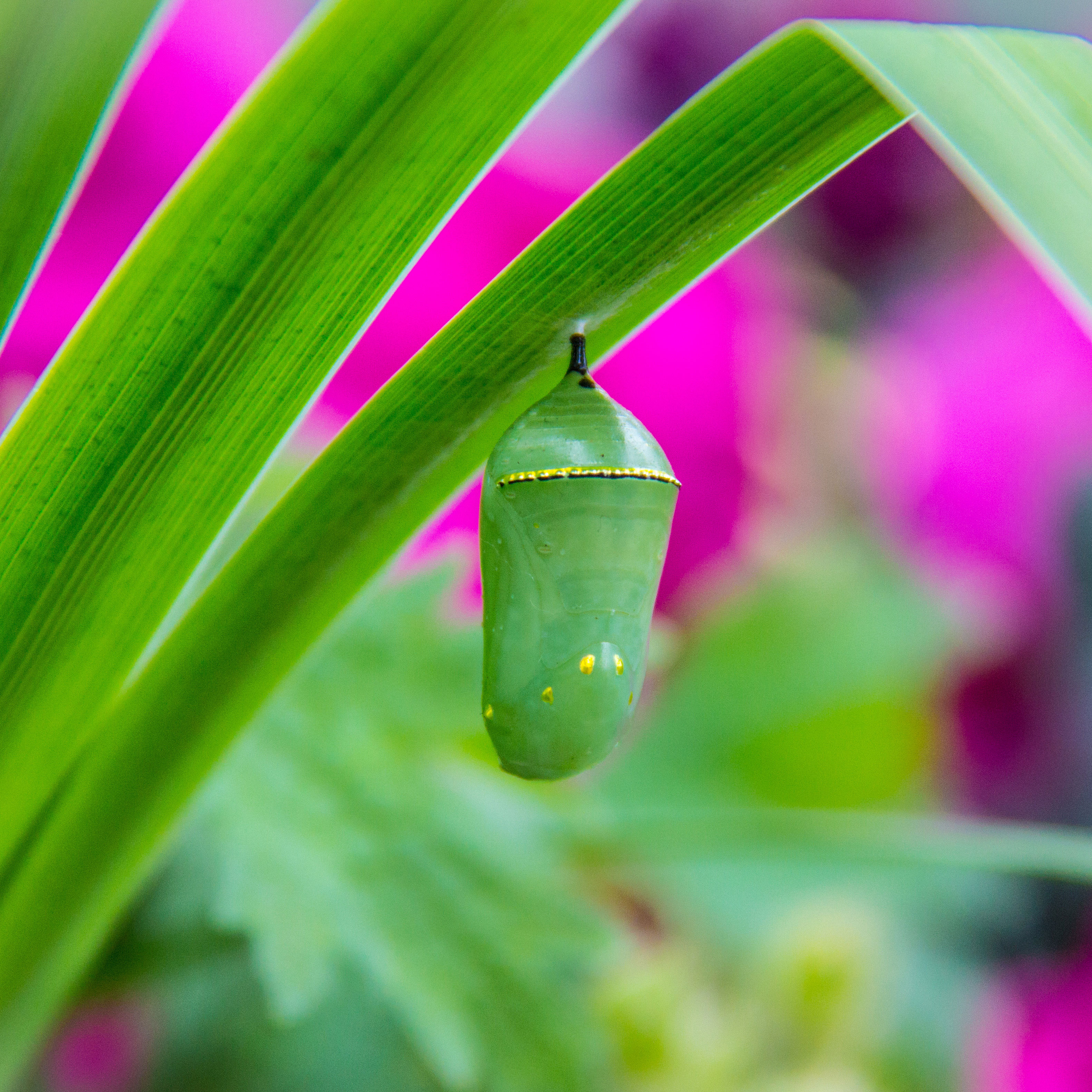
Credit: www.gardeningknowhow.com
Natural Removal Methods
Tent caterpillars can harm trees and plants. You can control them naturally without chemicals.
This guide shows easy ways to remove tent caterpillars using natural methods.
Manual Removal Techniques
Removing tent caterpillars by hand is simple and effective. You only need to find their tents on trees.
- Look for white, web-like tents in tree branches.
- Use gloves to protect your hands.
- Break the tents and drop them into a bucket of soapy water.
- Repeat this every few days to stop new caterpillars from growing.
- Prune small branches that have many tents to protect the tree.
Encouraging Natural Predators
Many birds and insects eat tent caterpillars. Attracting these predators helps control the pest naturally.
| Natural Predator | How to Attract |
| Birds | Install bird feeders and birdhouses near trees. |
| Parasitic Wasps | Plant flowers like dill or fennel to provide nectar. |
| Spiders | Keep garden plants diverse and avoid pesticides. |
| Ladybugs | Grow plants such as marigolds and daisies. |
Chemical Control Options
Tent caterpillars can harm trees and plants by eating their leaves. Using chemicals can help control these pests. It is important to choose the right insecticides and apply them carefully to keep plants safe.
Chemical control can reduce caterpillar numbers quickly. You should understand how to select safe insecticides and apply them properly to avoid damage to plants and beneficial insects.
Selecting Safe Insecticides
Pick insecticides that target tent caterpillars but are safe for other insects and animals. Look for products with low toxicity to bees and birds. Always read the label to ensure safe use around your plants.
Common safe options include insecticides with Bacillus thuringiensis (Bt). Bt is a natural bacteria that kills caterpillars but does not harm people or pets. Choose insecticides labeled for tent caterpillars and follow instructions carefully.
- Use Bacillus thuringiensis (Bt) products for safety
- Choose insecticides labeled for tent caterpillars
- Avoid broad-spectrum insecticides to protect beneficial insects
- Check product labels for environmental safety
Proper Application Tips
Apply insecticides at the right time for best results. Treat the caterpillars when they are young and feeding on leaves. Spray early in the morning or late in the afternoon to avoid harming pollinators.
Wear protective clothing and follow all safety instructions on the product label. Avoid spraying on windy days to prevent drift. Repeat applications may be needed to control new caterpillars.
- Spray when caterpillars are small and active
- Apply early morning or late afternoon
- Wear gloves and protective gear
- Avoid windy days during spraying
- Follow label instructions for reapplication

Credit: www.pubs.ext.vt.edu
Preventive Measures
Tent caterpillars can damage trees by eating leaves. Preventing them helps keep trees healthy.
Early action and good tree care reduce the chance of infestation.
Tree Care Practices
Strong trees resist tent caterpillars better. Water trees well during dry times.
Prune branches to improve air flow and sunlight. Remove dead or weak limbs.
- Keep trees healthy with regular watering
- Use mulch to keep roots cool and moist
- Prune trees to remove weak or damaged branches
- Clear fallen leaves and debris around trees
Seasonal Monitoring
Check trees in early spring for tent caterpillar eggs. Eggs look like brown bands on branches.
Remove egg masses by hand before caterpillars hatch. Watch trees during the growing season.
- Inspect tree branches in late winter or early spring
- Remove egg masses carefully with a scraper or cloth
- Look for small tents or silk webs in leaf forks
- Act quickly if you see signs of caterpillar activity
Dealing With Severe Infestations
Tent caterpillars can quickly damage trees and shrubs. Severe infestations need strong action to protect your plants.
Removing tents and controlling caterpillars early helps keep them from spreading. Sometimes, more help is needed.
When To Call A Professional
If the infestation covers many trees, a professional can offer safe and effective treatments. They know how to handle large problems.
Professionals use special tools and insecticides that are not easy to get. They also reduce risks to people and pets.
- Infestation too large to remove by hand
- Damage spreading fast to many plants
- Unsafe to reach nests high in trees
- Need advice on safe insecticide use
Long-term Management Strategies
Preventing tent caterpillars helps keep trees healthy for years. Use regular checks and care to stop big infestations.
Plant strong and healthy trees. Remove old nests in winter. Use natural predators like birds to control caterpillars.
- Inspect trees early in spring for egg masses
- Prune and destroy old tents in fall and winter
- Encourage birds and beneficial insects in your yard
- Apply safe insecticides only if needed and follow instructions
- Keep trees healthy with proper watering and fertilizing
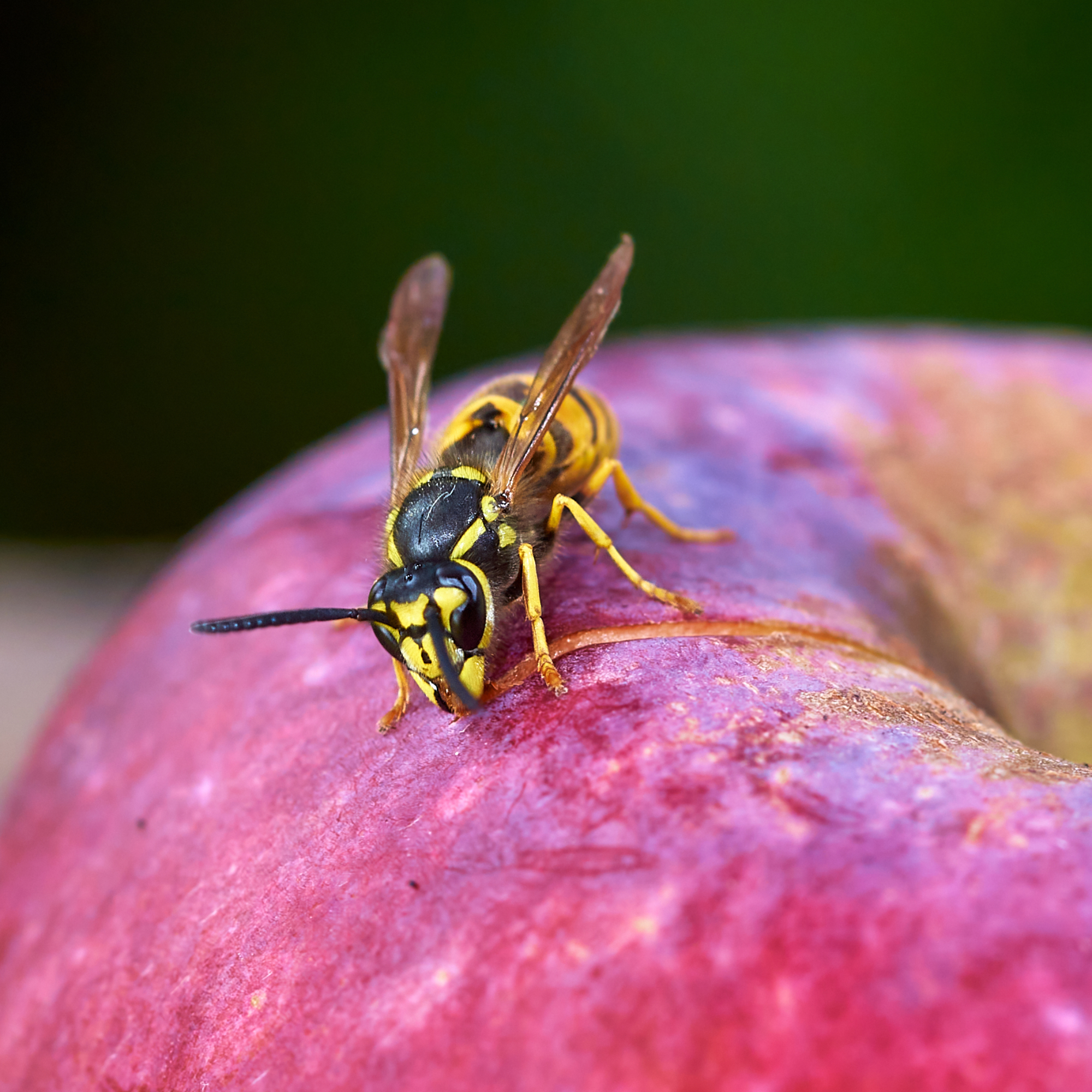
Credit: www.gardeningknowhow.com
Frequently Asked Questions
What Attracts Tent Caterpillars To My Garden?
Tent caterpillars are attracted to gardens with abundant food sources, like fruit trees and ornamental plants. They prefer places with ample foliage. To minimize attraction, regularly prune and maintain your plants. Removing debris and potential nesting sites can also help deter them from your garden.
How Can I Identify Tent Caterpillar Infestations?
Tent caterpillars are identified by their silky web-like tents on trees. These structures are often found in tree forks. Look for clusters of small caterpillars inside the tents. You might also notice leaves with chewed edges. Early identification helps in effectively managing infestations.
Are Tent Caterpillars Harmful To Plants?
Yes, tent caterpillars can be harmful to plants. They feed on leaves, causing defoliation, which can stress the plant. While most healthy trees recover, repeated infestations can weaken them over time. Prompt action is essential to protect your plants from significant damage.
What Are Natural Ways To Remove Tent Caterpillars?
Natural removal methods include handpicking caterpillars and destroying their tents. Encourage natural predators like birds. Use neem oil or insecticidal soap as organic sprays. Regularly inspect and maintain your garden to prevent infestations. These methods are effective and environmentally friendly.
Conclusion
Controlling tent caterpillars takes patience and simple steps. Remove egg masses in early spring. Use safe sprays to protect trees. Keep checking your plants often. Healthy trees resist pests better. Small actions make a big difference. Protect your garden and enjoy nature.
You can manage tent caterpillars with care. Stay consistent and watch your trees grow strong.