Are you struggling to keep your plants healthy and thriving in your grow tent? One key factor you might be overlooking is VPD, or Vapor Pressure Deficit.
When VPD is too high, your plants can suffer from stress, slowed growth, and poor yields. But don’t worry—lowering VPD is easier than you think. You’ll discover simple, effective steps to balance humidity and temperature in your grow tent. By mastering VPD, you’ll unlock the full potential of your plants and watch them flourish like never before.
Ready to improve your grow tent setup and boost your harvest? Keep reading to find out how.
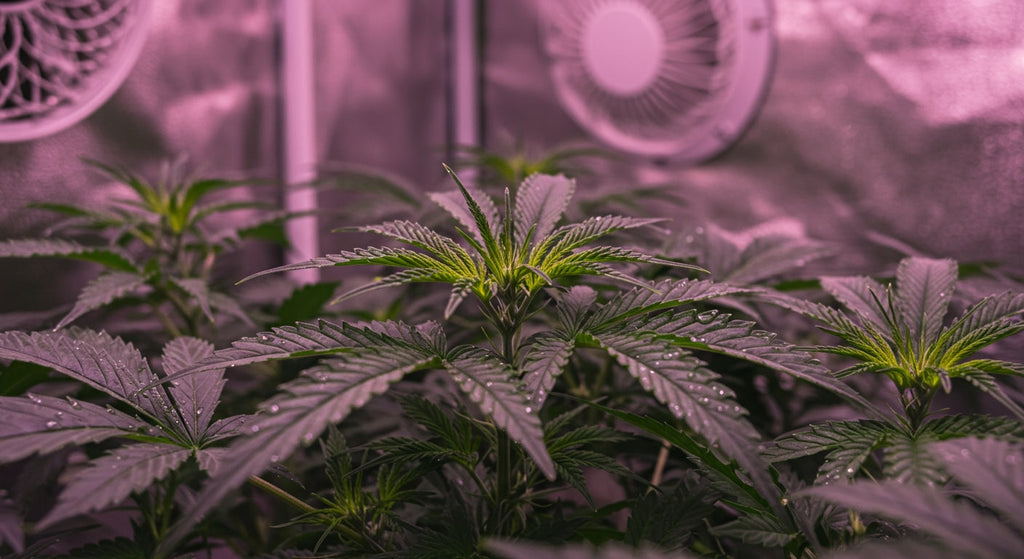
Credit: www.gorillagrowtent.com
What Is Vpd
VPD stands for Vapor Pressure Deficit. It is the difference between how much moisture the air can hold and how much it actually holds.
In grow tents, VPD helps control the moisture plants need. It affects how well plants grow and stay healthy.
Vpd Basics
VPD measures the drying power of the air inside the grow tent. It depends on temperature and humidity levels.
When VPD is low, the air feels humid and plants may not sweat enough. When VPD is high, air is dry and plants can lose too much water.
- High humidity means low VPD
- High temperature with low humidity means high VPD
- Ideal VPD balances water loss and absorption
Impact On Plant Growth
Good VPD helps plants take in water and nutrients well. It also stops diseases caused by too much moisture.
If VPD is too high, plants lose water fast and may wilt. If it is too low, plants can get mold or root problems.
- Proper VPD improves leaf health and growth speed
- Maintains strong roots and good nutrient uptake
- Reduces risks of mold and pests
Ideal Vpd Range For Grow Tents
VPD means Vapor Pressure Deficit. It shows how much moisture the air can hold. Proper VPD helps plants grow well in grow tents.
Too high or low VPD can stress plants. Adjusting temperature and humidity controls VPD. This guide shows ideal VPD for each growth stage.
Seedling Stage
Seedlings need gentle conditions. Keep VPD low to avoid drying young plants. This helps roots and leaves develop safely.
- Keep VPD around 0.5 to 0.8 kPa
- Use higher humidity, about 70% to 80%
- Keep temperature between 20°C and 24°C (68°F to 75°F)
Vegetative Stage
Plants grow bigger in this stage. VPD can be higher to encourage strong leaves and stems. Watch humidity and temperature closely.
| Condition | Ideal Range |
| VPD | 0.8 – 1.2 kPa |
| Humidity | 50% – 70% |
| Temperature | 22°C – 28°C (72°F – 82°F) |
Flowering Stage
Flowering plants need balanced VPD. It prevents mold and supports strong blooms. Adjust air flow and humidity for best results.
- Keep VPD between 1.0 and 1.5 kPa
- Lower humidity to 40% – 50%
- Maintain temperature at 20°C – 26°C (68°F – 79°F)
Factors Affecting Vpd
VPD stands for Vapor Pressure Deficit. It shows how much moisture the air can hold. In a grow tent, VPD affects plant growth and health.
Many factors change VPD. These include temperature, humidity, and air circulation. Understanding these helps you lower VPD effectively.
Temperature Influence
Temperature controls how much water air can hold. Warm air holds more moisture than cold air. When temperature rises, VPD usually increases.
Keeping the temperature steady helps keep VPD stable. Avoid hot spots inside the grow tent. Use fans or coolers to control temperature well.
Humidity Levels
Humidity is the amount of moisture in the air. Higher humidity lowers VPD because air is closer to full moisture. Low humidity raises VPD.
To lower VPD, increase humidity inside the tent. Use a humidifier or place water trays near plants. Check humidity often with a hygrometer.
Air Circulation
Air movement spreads moisture evenly in the tent. Good air circulation stops humidity from settling in one place. This helps keep VPD balanced.
Use oscillating fans to keep air flowing. Avoid stagnant air spots. Proper airflow also helps control temperature and prevents mold.

Credit: www.reddit.com
Measuring Vpd In Grow Tents
VPD stands for Vapor Pressure Deficit. It shows how much moisture is in the air compared to how much it can hold. Measuring VPD helps you keep your plants healthy in grow tents.
Accurate VPD readings tell you if your plants get enough water and air. This guide explains how to measure VPD in your grow tent.
Tools Needed
You need special tools to measure VPD correctly. These tools check temperature and humidity inside the tent.
- Digital thermometer to measure air temperature
- Hygrometer to measure relative humidity
- VPD calculator or chart to find VPD values
- Data logger (optional) for continuous readings
- Calibration tools to keep sensors accurate
Make sure your tools are clean and well-calibrated. Good tools give you better readings.
How To Take Accurate Readings
Place your thermometer and hygrometer inside the grow tent. Avoid placing them near vents or lights.
Let the tools sit for at least 10 minutes. This time helps them adjust to the tent’s conditions.
- Check temperature in the middle of the plant canopy
- Measure humidity near the plants but away from wet surfaces
- Record the readings at the same time each day
- Use a VPD calculator or chart to find the VPD from your readings
Repeat measurements regularly. This helps you track changes and keep VPD in the right range.
Techniques To Lower Vpd
VPD means vapor pressure deficit. It shows how much water the air can hold. Lowering VPD helps plants grow well. It stops them from losing too much water.
This guide shares simple ways to lower VPD inside a grow tent. Use these tips to keep plants healthy and happy.
Increasing Humidity
Raising humidity inside the tent adds more moisture to the air. This lowers the gap between water in the air and water in the plant leaves.
- Use a humidifier to add moisture.
- Place open water trays near plants.
- Mist plants with water regularly.
- Group plants closer to raise humidity naturally.
- Seal gaps in the tent to stop dry air from entering.
Lowering Temperature
Cooler air holds less moisture. Lowering temperature helps reduce VPD. Keep your grow tent cooler without drying the air too much.
| Method | Description |
| Use fans | Circulate air to remove heat |
| Install AC units | Cool the air inside the tent |
| Shade lights | Prevent lights from heating plants |
| Vent outside air | Bring in cooler air from outside |
Improving Airflow Control
Good airflow balances humidity and temperature. It stops hot spots and moist areas. Control airflow to keep VPD steady.
- Use adjustable fans to move air evenly.
- Place intake vents low and exhaust vents high.
- Keep filters clean to avoid airflow blockages.
- Monitor airflow speed to avoid drying plants.
Equipment To Help Control Vpd
VPD, or vapor pressure deficit, is key for plant health in a grow tent. Controlling VPD means balancing temperature and humidity.
Using the right equipment helps keep VPD in the right range. This guide covers tools to lower VPD effectively.
Humidifiers
Humidifiers add moisture to the air inside the grow tent. They help raise humidity levels and lower VPD.
- Ultrasonic humidifiers produce fine mist quickly.
- Evaporative humidifiers use a fan to spread moisture.
- Warm mist humidifiers heat water before releasing it.
- Choose a humidifier with a built-in hygrometer for control.
Air Conditioners And Fans
Air conditioners cool the grow tent air, which affects VPD by lowering temperature. Fans circulate air to avoid hot spots.
| Equipment | Purpose | Effect on VPD |
| Air Conditioner | Cools air | Reduces temperature, lowers VPD |
| Oscillating Fan | Circulates air | Evens temperature and humidity |
| Exhaust Fan | Removes hot air | Controls heat buildup, lowers VPD |
Environmental Controllers
Environmental controllers automate the management of temperature and humidity. They keep VPD in the desired range without constant adjustment.
- Sensors track temperature and humidity in real time.
- Controllers switch humidifiers and fans on or off automatically.
- Some models connect to apps for remote control.
- They prevent large swings in VPD for steady plant growth.
Common Mistakes And How To Avoid Them
Lowering VPD (Vapor Pressure Deficit) in a grow tent is key for healthy plant growth. Many growers make mistakes that stop them from controlling VPD well.
Understanding common errors can help you fix issues and keep your plants happy. Avoid these problems to maintain the right environment.
Over-humidifying
Adding too much humidity raises moisture levels too high. This can cause mold and slow plant growth. It also makes it hard to lower VPD.
Keep humidity in the right range for your plants. Use a good hygrometer to check levels often. Avoid running humidifiers all day without breaks.
- Set humidifiers on timers
- Watch humidity levels regularly
- Use a dehumidifier if needed
- Keep humidity below 70% in most cases
Ignoring Temperature Swings
Temperature changes affect VPD quickly. If you ignore swings, VPD will go up or down too much. Plants get stressed from big changes.
Try to keep temperature steady day and night. Use fans and heaters to balance heat. Check your thermometer often to spot problems.
- Keep day and night temps close
- Use a fan to move air evenly
- Place thermometer near plants
- Avoid heat spots from lights
Poor Ventilation
Bad airflow traps humidity and heat inside your tent. This raises VPD and creates hot, wet spots. Plants cannot breathe well.
Use exhaust fans and intake vents to move fresh air. Keep vents clean and open. Good ventilation helps keep VPD stable and plants healthy.
- Install an exhaust fan for hot air
- Use intake vents for fresh air
- Clean fans and filters regularly
- Check airflow paths to avoid blockages

Credit: www.reddit.com
Monitoring And Adjusting Vpd Over Time
VPD, or vapor pressure deficit, is key to plant health in grow tents. You must watch it carefully to keep plants growing well. VPD changes with temperature and humidity.
Adjusting VPD is not a one-time task. It needs daily checks and seasonal changes to match your plants’ needs. This guide explains how to monitor and adjust VPD over time.
Daily Checks
Check your grow tent’s temperature and humidity every day. This helps you keep VPD in the right range. Use a reliable thermometer and hygrometer.
- Measure temperature near the plant canopy in the morning and evening.
- Record humidity levels at the same times.
- Compare your readings to your target VPD range.
- Adjust your humidifier or dehumidifier as needed.
- Check ventilation to keep fresh air flowing.
Seasonal Adjustments
Season changes affect VPD because outside temperature and humidity shift. Adjust your grow tent settings to match these changes for consistent plant growth.
| Season | Temperature Setting | Humidity Setting | VPD Target |
|---|---|---|---|
| Spring | 68-75°F (20-24°C) | 50-60% | 0.8-1.2 kPa |
| Summer | 70-80°F (21-27°C) | 40-50% | 1.0-1.5 kPa |
| Fall | 65-72°F (18-22°C) | 55-65% | 0.7-1.1 kPa |
| Winter | 60-68°F (15-20°C) | 60-70% | 0.6-1.0 kPa |
Frequently Asked Questions
What Is Vpd And Why Lower It In Grow Tents?
VPD stands for Vapor Pressure Deficit. Lowering VPD in grow tents helps optimize plant transpiration and nutrient uptake. It creates a balanced environment, preventing plant stress and promoting healthy growth.
How Can I Measure Vpd In My Grow Tent?
You can measure VPD using a digital hygrometer and thermometer. Calculate VPD by combining temperature and humidity data. Many online calculators and apps simplify this process for growers.
What Are Quick Ways To Reduce Vpd In Grow Tents?
Increase humidity using humidifiers or misting systems. Lower temperature with fans or air conditioners. Adjust ventilation to stabilize air circulation, balancing heat and moisture effectively.
Does Lowering Vpd Improve Plant Growth In Tents?
Yes, lowering VPD to optimal levels enhances photosynthesis and water absorption. It reduces plant stress, leading to healthier growth and better yields in grow tents.
Conclusion
Controlling VPD in your grow tent helps plants stay healthy. Keep temperature and humidity balanced for best results. Check your measurements often to catch changes early. Use fans and vents to improve air flow. Small steps make a big difference in plant growth.
Stay patient and adjust as your plants grow. Healthy plants mean a better harvest in the end.