Are you struggling to keep the right humidity levels inside your grow tent? If your plants aren’t thriving, the air might be too dry.
Raising humidity can make a huge difference in how well your plants grow and stay healthy. You’ll discover simple, effective ways to boost the moisture in your grow tent. Whether you’re a beginner or have some experience, these tips will help you create the perfect environment your plants need.
Keep reading to unlock easy solutions that will transform your grow tent into a lush, thriving space.
Reasons For Low Humidity
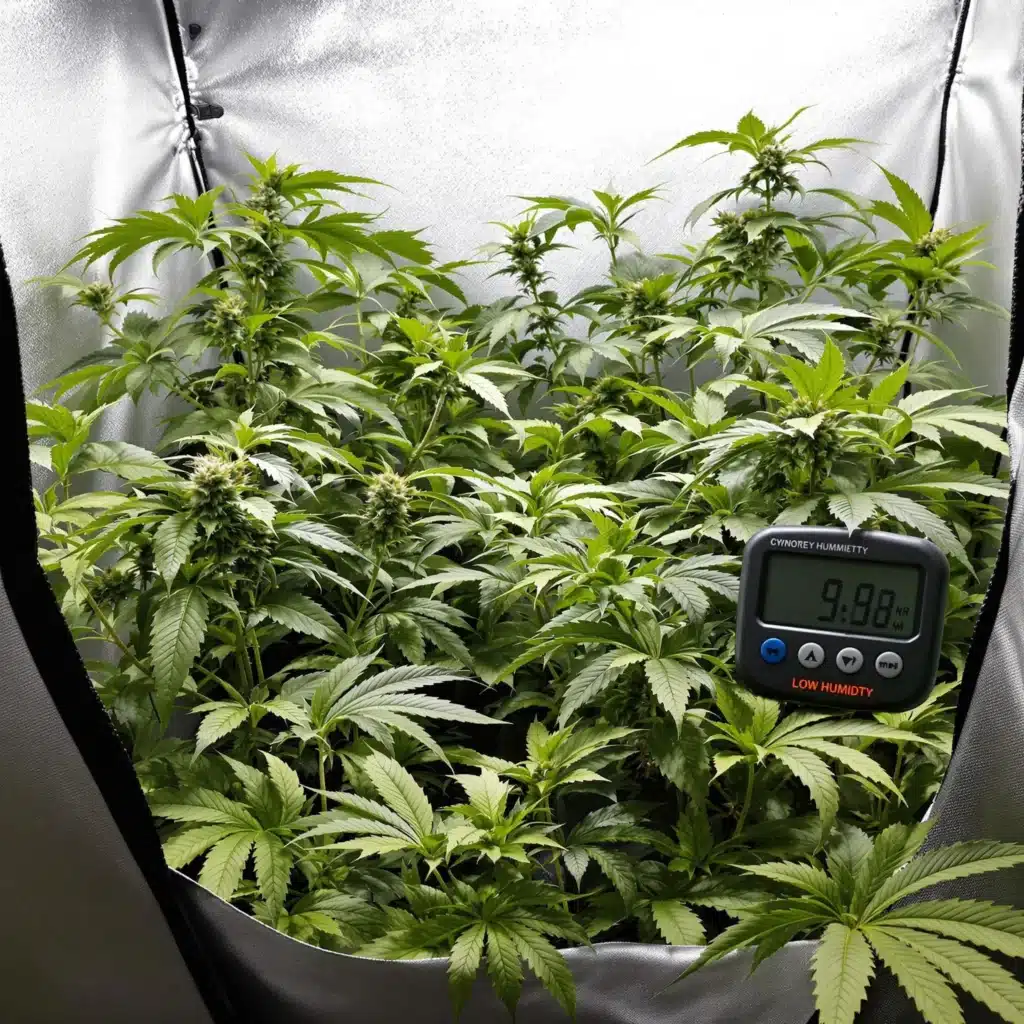
Maintaining the right humidity in a grow tent is key for plant health. Low humidity can cause many problems.
Understanding why humidity drops helps you fix the issue fast. Let’s look at common causes and effects.
Common Causes In Grow Tents
Several factors inside grow tents can lower humidity. These include environmental and equipment issues.
- Strong ventilation systems remove moist air too quickly.
- High heat from grow lights evaporates water fast.
- Insufficient watering of plants and soil dries the air.
- Leaks or gaps in the tent let dry outside air enter.
- Using air conditioners or dehumidifiers inside the tent.
Effects On Plant Growth
Low humidity stresses plants and slows their growth. It affects water absorption and leaf health.
| Effect | Description |
| Wilting | Plants lose water faster than they take it in. |
| Leaf Curling | Leaves curl to reduce water loss but limit photosynthesis. |
| Slow Growth | Plants grow slower due to less efficient nutrient uptake. |
| Increased Pest Risk | Dry conditions attract pests like spider mites. |
| Reduced Yield | Lower humidity can decrease flower and fruit production. |
Credit: blimburnseeds.com
Measuring Humidity Levels
Maintaining proper humidity is key to healthy plants in a grow tent. Measuring humidity helps you keep track of moisture in the air.
Using the right tools and knowing your plants’ needs makes it easier to create the best environment.
Choosing The Right Hygrometer
A hygrometer measures humidity levels inside your grow tent. Choose one that is accurate and easy to read.
- Digital hygrometers show exact numbers and are simple to use.
- Analog hygrometers use a needle and dial, but can be less precise.
- Look for models that can also measure temperature for added info.
- Consider placing more than one hygrometer in large tents for better accuracy.
Optimal Humidity Ranges For Plants
Different plants need different humidity levels. Keeping humidity in the right range helps plants grow well.
| Plant Stage | Humidity Range (%) |
| Seedling | 65-70 |
| Vegetative | 40-60 |
| Flowering | 40-50 |
| Harvest | 30-40 |
Simple Methods To Increase Humidity
Growing plants in a tent needs the right humidity. Low humidity can slow plant growth. Raising humidity helps plants stay healthy.
There are easy ways to increase humidity in your grow tent. You do not need special tools to do this.
Using Water Trays And Pebble Trays
Place trays filled with water inside the grow tent. As the water evaporates, it adds moisture to the air.
Adding pebbles to the trays keeps plants above water. This stops roots from sitting in water and rotting.
- Fill a shallow tray with water
- Add a layer of pebbles on top
- Place small pots on pebbles
- Keep the water level high for steady humidity
Misting Plants Regularly
Spray water on your plants with a misting bottle. This raises humidity around the leaves quickly.
Do this a few times each day, especially when the air feels dry. Misting helps plants stay hydrated.
Advanced Humidity Control Techniques
Maintaining the right humidity in your grow tent is key for healthy plants. Advanced techniques help you control moisture better.
Using special tools and systems can keep humidity steady. This supports plant growth and prevents problems.
Installing Humidifiers
Humidifiers add moisture to the air inside your grow tent. They come in different sizes and types to fit your needs.
Choose a humidifier based on your tent size and plant type. Place it where air flows well but not directly on plants.
- Ultrasonic humidifiers create fine mist for quick humidity rise
- Evaporative humidifiers use a fan to blow air through a wet wick
- Warm mist humidifiers heat water to add steam
- Keep humidifiers clean to avoid mold and bacteria
Automated Humidity Systems
Automated systems control humidity without constant checks. They use sensors to keep levels steady all day.
These systems turn humidifiers on or off based on real-time data. This saves time and keeps plants healthy.
- Humidity sensors monitor air moisture continuously
- Controllers adjust humidifier output automatically
- Some systems connect to apps for remote monitoring
- Automation reduces human error and maintains balance
Improving Tent Setup For Better Humidity
Keeping good humidity in your grow tent helps plants grow strong. Low humidity can slow down growth and cause stress. Adjusting your tent setup can fix this problem.
Two key ways to raise humidity are sealing air leaks and improving ventilation. Each step will help keep the air moist inside the tent.
Sealing Air Leaks
Air leaks let dry air enter your grow tent. This lowers humidity and makes it hard to keep moisture inside. Find and seal leaks around zippers, vents, and corners.
- Check all seams and edges for gaps.
- Use weather stripping or tape on zippers.
- Cover unused vent holes with plastic or fabric.
- Seal corners with silicone or duct tape.
- Close tent doors fully after entry.
Optimizing Ventilation
Good ventilation controls airflow and humidity. Too much fresh air removes moisture. Too little airflow causes heat and mold. Balance is key.
| Ventilation Tip | Effect on Humidity |
| Use adjustable intake vents | Control fresh air to keep moisture |
| Install exhaust fan with speed control | Remove hot air without drying out tent |
| Place small fan inside tent | Circulate air evenly, reduce mold risk |
| Turn off fans at night | Increase humidity during cooler hours |
| Monitor humidity with a hygrometer | Adjust ventilation based on readings |
Natural Ways To Boost Humidity
Keeping good humidity in a grow tent helps plants grow strong. Dry air can slow growth and cause problems.
There are simple and natural ways to raise humidity without extra machines. These methods help keep your plants happy.
Adding Live Plants
Live plants release moisture into the air through a process called transpiration. This can gently raise humidity inside your grow tent.
- Choose plants that release a good amount of water vapor.
- Group plants close together to create a humid microclimate.
- Water plants regularly but avoid overwatering to prevent mold.
- Keep leaves clean to help moisture escape easily.
Using Wet Towels Or Sponges
Wet towels or sponges slowly release water into the air. This method works well if you want a quick humidity boost.
| Material | How to Use | Care Tips |
| Wet towel | Hang or lay inside grow tent | Re-wet daily to keep humidity steady |
| Wet sponge | Place on a tray or shallow dish | Change water often to avoid bacteria |
Monitoring And Maintaining Humidity
Keeping the right humidity level in your grow tent is important. It helps plants grow well and stay healthy.
Regular checks and careful control stop humidity from being too low or too high. This guide shows how to monitor and maintain it.
Regular Checks And Adjustments
Check humidity daily with a reliable hygrometer. This tool shows the current moisture level in the air inside the tent.
- Place the hygrometer where plants grow, not near vents.
- Note humidity readings in the morning and evening.
- Adjust humidifiers or ventilation based on these readings.
- Use a spray bottle to add moisture if humidity is low.
- Open vents or use fans if humidity is too high.
Avoiding Over-humidification
Too much humidity can cause mold and pests. It also harms plant roots by reducing oxygen.
| Risk | Signs | Prevention |
| Mold | White or gray powder on leaves | Keep humidity below 70% |
| Pests | Small insects on plants | Improve air circulation |
| Root Rot | Yellowing leaves, soggy soil | Avoid overwatering and high humidity |

Credit: blimburnseeds.com

Credit: www.spider-farmer.com
Frequently Asked Questions
How Can I Increase Humidity In My Grow Tent Naturally?
Use a humidifier or place water trays inside the tent. Misting plants regularly also raises humidity. Adding wet sponges or damp towels can help. Ensure proper airflow to prevent mold while maintaining moisture.
What Plants Thrive In High Humidity Grow Tents?
Tropical plants like ferns, orchids, and peppers thrive in high humidity. These plants need consistent moisture levels. Adjust humidity levels based on specific plant needs for optimal growth and health.
Can I Use A Humidifier To Raise Grow Tent Humidity?
Yes, humidifiers effectively increase humidity in grow tents. Choose an adjustable humidifier for precise control. Monitor humidity levels with a hygrometer to avoid excessive moisture, which can cause mold and mildew.
How Often Should I Mist Plants Inside The Grow Tent?
Misting should be done 1-2 times daily, depending on tent humidity. Avoid over-misting to prevent mold growth. Use a fine spray and mist during cooler times to reduce evaporation.
Conclusion
Raising humidity in a grow tent helps plants grow better and stay healthy. Use simple tools like water trays or humidifiers to add moisture. Check humidity levels often to keep them just right. Good airflow also keeps the environment balanced.
Small changes can make a big difference for your plants. Keep trying different methods to find what works best. Healthy plants mean better harvests and more success. Stay patient and watch your grow tent thrive.