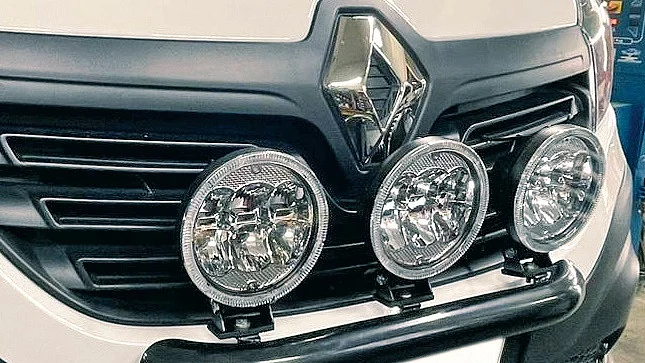
Are LED lights on cars really illegal? You might have seen flashy LED setups on vehicles and wondered if they’re allowed or if you could get into trouble for adding them to your own ride.
The rules around LED lights can be confusing, and breaking them could mean fines or worse. But don’t worry—this article will clear up the mystery and help you understand what’s legal, what’s not, and how to stay safe while making your car look great.
Keep reading to find out everything you need to know about using LED lights on your car without crossing the line.
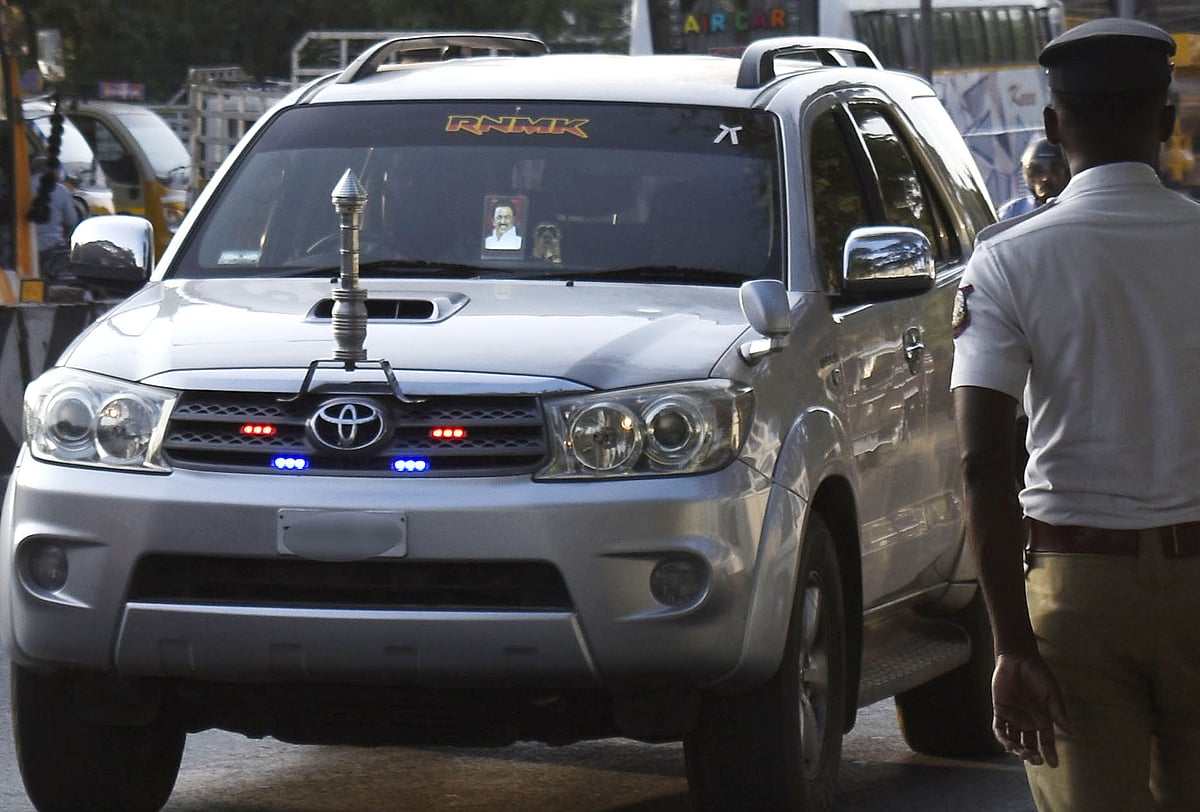
Credit: www.newindianexpress.com
Legality Of Led Lights On Cars
LED lights are popular for car lighting upgrades. They use less energy and last longer than traditional bulbs. But not all LED lights are legal to use on cars.
It is important to know the laws before installing LED lights on your vehicle. Different places have different rules about the color, brightness, and placement of these lights.
Laws Vary By Region
Each region sets its own rules for car lighting. What is allowed in one place might be illegal in another. Some areas only allow white or amber LED lights on the front of cars. Others may restrict flashing or colored lights.
- Check local traffic laws before adding LED lights.
- Some regions require lights to be DOT-approved.
- Colored lights like blue or red are often reserved for emergency vehicles.
- Improperly placed lights can cause fines or car inspections.
Federal Vs State Regulations
In some countries, federal laws set basic standards for car lights. States or provinces can add their own rules on top of these. This can make the legality of LED lights complex.
| Regulation Level | Focus | Examples |
|---|---|---|
| Federal | General safety and design standards | Light brightness limits, color standards |
| State | Additional rules for use and display | Restrictions on flashing lights, color use, placement |
Types Of Led Lights Used On Vehicles
LED lights are popular on many cars today. They use less power and last longer than traditional bulbs. Different LED lights serve different purposes on vehicles.
This guide explains common types of LED lights used on vehicles. Understanding these can help you know which lights are legal and safe.
Headlights And Taillights
LED headlights and taillights provide brighter and clearer illumination. They help drivers see the road better and make vehicles more visible to others. Many new cars come with LED headlights and taillights from the factory.
- LED Headlights: Used for low beam and high beam lighting.
- LED Taillights: Include brake lights and rear position lights.
- Daytime Running Lights (DRLs): Bright LEDs that improve daytime visibility.
Accent And Decorative Lights
Accent and decorative LED lights add style to vehicles. They often glow in colors other than white or red. These lights do not have a safety function but improve the car’s look.
| Type | Common Colors | Use |
| Underbody Lights | Blue, Green, Red | Glow under the car for style |
| Interior LED Strips | Multiple Colors | Decorate inside cabin areas |
| Grille Lights | White, Blue | Highlight front grille area |
Emergency And Warning Lights
Emergency and warning LED lights warn others of potential danger. These lights are usually only allowed on official vehicles. Unauthorized use can be illegal.
- Police lights: Red and blue flashing LEDs.
- Ambulance lights: Red, white, or blue flashing LEDs.
- Construction or hazard lights: Amber or yellow flashing LEDs.
Common Restrictions On Led Lights
LED lights on cars are popular for their brightness and style. Many drivers want to add them to improve looks or visibility. Laws limit how you can use these lights on vehicles.
Knowing the rules helps avoid fines or safety issues. The main restrictions focus on color, brightness, and where lights are placed.
Color Limitations
Most laws limit the colors of LED lights on cars. This is to prevent confusion with emergency vehicles. Common allowed colors are white, amber, red, and sometimes blue depending on the region.
- White or amber for front lights
- Red for rear lights and brake signals
- Blue and red usually reserved for police or emergency vehicles
- Green and other colors often banned or restricted
Brightness And Intensity Rules
LED lights must meet brightness limits to avoid blinding other drivers. The intensity is measured in lumens or candela. Lights that are too bright or flashing may be illegal.
| Type of Light | Maximum Brightness | Common Use |
| Headlights | 3000 lumens | Front illumination |
| Brake Lights | 600 lumens | Rear stopping signal |
| Turn Signals | 500 lumens | Directional indicators |
| Underglow Lights | Varies by state | Decorative use |
Placement And Visibility Requirements
Where LED lights are placed on a vehicle affects legality. Lights must be visible but not distracting. Some areas on cars are off-limits for certain colors or types of LEDs.
- Headlights and turn signals must be at the front and sides
- Brake and tail lights must be at the rear
- Underglow lights cannot be visible from the front or rear in many states
- No flashing or blinking lights except for turn signals and hazard lights
Safety Concerns With Led Lights
LED lights are popular on many cars today. They use less power and last longer than traditional bulbs.
Some people worry about how safe LED lights are on the road. This section explains those concerns.
Glare And Driver Distraction
LED lights can be very bright. This brightness can cause glare that hurts other drivers’ eyes.
Glare from LED lights may make it hard for drivers to see the road clearly. This can cause accidents.
- High brightness can blind oncoming drivers
- Improperly aimed LED lights increase glare
- Flashing or changing colors distract drivers
Impact On Nighttime Visibility
LED lights can improve visibility at night. They give off a clear, white light that helps drivers see better.
But if LED lights are too bright or not adjusted well, they can reduce how well others see the road.
- Proper use of LED lights can enhance night driving
- Too much brightness can cause shadows and blind spots
- Correct installation is key to safe nighttime use
Consequences Of Using Illegal Led Lights
Using illegal LED lights on your car can cause many problems. These lights may not meet safety rules or laws.
Drivers should know what can happen if they use LED lights that are not allowed by law.
Fines And Penalties
Illegal LED lights can lead to fines from the police. These fines vary depending on where you live.
You may also get penalty points on your driving license. This can affect your driving record and insurance costs.
- Fines often start at $50 and can go higher.
- Penalty points may be added to your license.
- Repeated offenses can lead to bigger fines or court cases.
Vehicle Inspection Failures
Cars with illegal LED lights may fail safety inspections. This means you cannot legally drive the car on roads.
You will need to remove or replace the lights before passing the inspection. This can cost time and money.
- Inspection centers check if lights meet legal standards.
- Non-compliant lights cause automatic failure.
- Fixing the lights is necessary to pass future inspections.
Insurance Implications
Using illegal LED lights can affect your car insurance. Insurance companies may refuse claims after accidents.
They consider illegal lights a risk. This can also raise your insurance premiums or cancel your policy.
- Claims may be denied if illegal lights cause accidents.
- Insurance premiums can increase due to higher risk.
- Some insurers may cancel coverage for breaking rules.
Credit: www.newindianexpress.com
How To Choose Legal Led Lights
LED lights are popular for cars but not all types are legal. Choosing the right lights keeps you safe and avoids fines.
It is important to know the rules before buying LED lights for your vehicle. Follow the tips below to pick legal options.
Certified Products And Standards
Buy LED lights that meet safety standards. Certified products meet rules about brightness and color.
- Look for certification marks like DOT, SAE, or ECE on packaging.
- Check if the lights match your country’s vehicle lighting laws.
- Choose LEDs designed specifically for automotive use.
- Avoid very bright or colored lights that are not approved.
Consulting Local Authorities
Local laws on LED lights can vary. Contact local police or vehicle departments to learn about rules.
| Authority | Contact Method | Information to Ask |
| Police Department | Phone or Website | Permitted LED colors and brightness |
| Vehicle Registration Office | In Person or Online | Approved lighting standards and inspections |
| Local Traffic Agency | Phone | Rules on aftermarket LED modifications |
Modifying Your Vehicle Safely
Many car owners want to add LED lights to improve their vehicle’s look. It is important to know if LED lights are legal on cars. Safety and following the rules matter most.
Using LED lights can be safe if you install them correctly. This guide helps you modify your vehicle safely and stay within the law.
Professional Installation Tips
Getting LED lights installed by a professional keeps your car safe and legal. Experts know how to fit lights without causing damage.
Professionals check the wiring and light placement. They use the right tools to avoid mistakes that could cause accidents.
- Choose certified installers with good reviews
- Ask if they know local vehicle lighting laws
- Ensure wiring is hidden and secure
- Use lights that match your car’s voltage
- Test lights after installation for proper function
Maintaining Compliance Over Time
Car laws about LED lights can change. Keep your vehicle legal by checking your lights often.
Regular maintenance helps avoid issues. Fix any broken lights or wiring quickly to stay safe on the road.
- Check local laws yearly for updates
- Inspect lights monthly for damage
- Replace bulbs with legal colors and brightness
- Keep documentation of your LED light products
- Consult professionals if you change your lighting setup

Credit: www.groundreport.in
Frequently Asked Questions
Are Led Lights Legal For Car Headlights?
LED headlights are legal if they meet local vehicle standards. They must be DOT or ECE certified and properly installed to avoid glare.
Can I Use Colored Led Lights On My Car?
Colored LED lights are often illegal for front use. Blue and red are usually restricted to emergency vehicles only.
What Are The Penalties For Illegal Led Lights?
Penalties vary but can include fines, ticketing, or vehicle inspection failures. Always check local laws before installing LED lights.
Do Led Lights Affect Road Safety?
Properly installed LED lights improve visibility and safety. Incorrect use or colors may distract other drivers and reduce safety.
Conclusion
LED lights on cars are not always illegal. Rules depend on where you live. Some places allow certain colors and brightness. Others have strict limits to keep roads safe. Always check local laws before adding LED lights. Safety matters most for you and others.
Choose lights that do not blind drivers. Stay informed to avoid fines or problems. Bright, clear lighting helps everyone see better. Drive smart and keep your car legal.