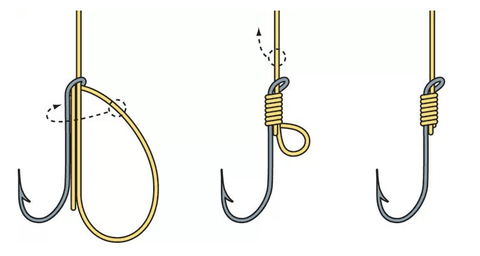
Are you tired of losing fish because your hook slips off the line? Knowing how to attach a hook to a fishing line the right way can make all the difference.
Whether you’re a beginner or just need a quick refresher, mastering this simple skill will boost your confidence and improve your catch rate. You’ll discover easy steps to secure your hook so it stays strong and reliable every time you cast.
Keep reading to learn how to make your fishing experience smoother and more successful.
Choosing The Right Hook
Picking the right hook is key for a good fishing experience. The hook must fit the fish and bait you use.
Different hooks work best for different fish and fishing styles. Knowing the options helps you choose well.
Types Of Fishing Hooks
Fishing hooks come in many shapes and designs. Each type suits a certain fishing need.
- J-Hooks: Classic shape, good for many fish
- Circle Hooks: Help catch fish without deep hooking
- Treble Hooks: Three points, used for lures
- Bait Hooks: Made for holding live or dead bait
- Siwash Hooks: Single hook, often used with spinners
Matching Hook To Fish Species
Different fish need different hooks. Size and style matter for a good catch.
Small fish need small hooks. Big fish need strong, larger hooks.
- Trout: Small, sharp hooks work best
- Bass: Medium-sized J-hooks or treble hooks
- Catfish: Strong, large hooks that hold bait well
- Saltwater fish: Heavy-duty hooks resist corrosion
Hook Sizes Explained
Hook sizes can be confusing. Smaller numbers mean bigger hooks, but only up to size 1.
After size 1, hooks get bigger with a slash and number system like 1/0, 2/0, and so on.
| Size | Use |
|---|---|
| 10-14 | Very small fish like panfish |
| 6-8 | Trout and small freshwater fish |
| 2-4 | Bass and medium freshwater fish |
| 1/0-3/0 | Large freshwater fish and small saltwater fish |
| 4/0 and above | Big saltwater fish and heavy fishing |
Selecting The Fishing Line
Choosing the right fishing line is important for attaching a hook. It affects how well your hook stays on and how strong your setup is.
This guide covers different types of lines and their uses. It helps you pick the right one for your fishing needs.
Monofilament Vs. Braided Lines
Monofilament lines are made from one strand of nylon. They stretch more and are easier to knot.
Braided lines have many strands woven together. They are stronger and thinner but stretch less.
- Monofilament is good for beginners and general fishing.
- Braided lines are best for deep water or heavy cover.
- Monofilament floats; braided lines sink slower.
Line Strength And Diameter
Line strength shows how much weight the line can hold before breaking. It is measured in pounds.
Diameter affects how the line moves in water and how sensitive it feels. Thinner lines cast farther and are less visible.
| Strength (lbs) | Diameter (inches) | Use |
|---|---|---|
| 4-8 | 0.008-0.012 | Light fishing, small fish |
| 10-20 | 0.014-0.020 | Medium fishing, bass, trout |
| 25-50 | 0.022-0.035 | Heavy fishing, big fish |
When To Use Fluorocarbon Lines
Fluorocarbon lines are nearly invisible underwater. They are good for clear water and wary fish.
Fluorocarbon sinks faster and resists abrasion. Use it when fishing near rocks or plants.
- Best for clear water fishing
- Good for sensitive bites
- Lasts longer near rough surfaces
Preparing The Line
Attaching a hook to a fishing line needs careful preparation. Taking time to prepare the line helps keep it strong and ready.
Good preparation includes cutting the line cleanly, moistening it, and avoiding damage. These steps make the knot hold better.
Cutting The Line Cleanly
Use sharp scissors or a line cutter to cut your fishing line. A clean cut stops the line from fraying or weakening.
- Choose sharp, clean scissors or a line cutter
- Cut the line straight across, not at an angle
- Avoid crushing the line by using dull tools
- Inspect the cut end for any frayed fibers
Moistening The Line
Moistening the line before tying helps the knot slide and tighten smoothly. It also reduces heat that can weaken the line.
| Method | Why It Helps |
| Wet fingers or mouth | Lubricates the knot for tight tying |
| Use water spray | Evenly moistens the line surface |
| Apply saliva lightly | Reduces friction during knot tightening |
Avoiding Line Damage
Keep your fishing line free from cuts, nicks, or abrasions. Damage weakens the line and can cause it to break easily.
Follow these tips to protect your line:
- Handle the line gently without pulling hard
- Store the line away from sharp objects
- Check for damage before tying the hook
- Replace the line if you see any damage
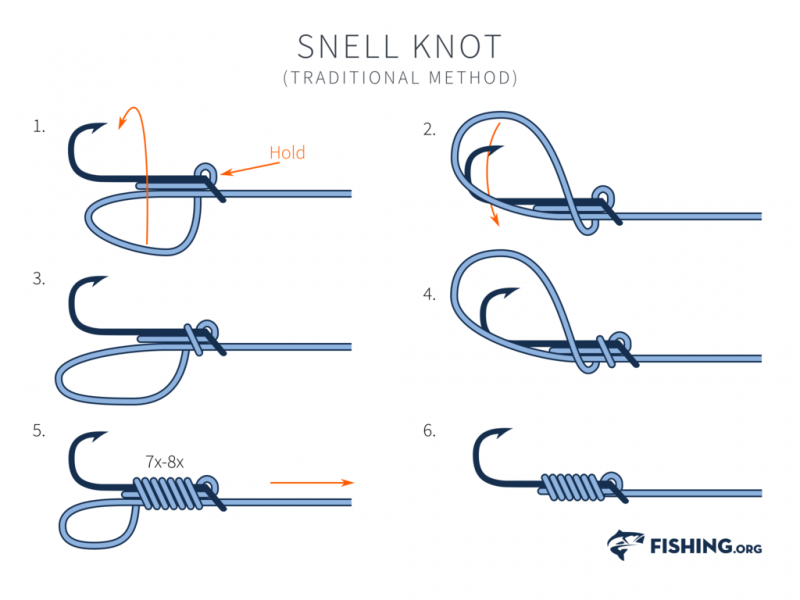
Credit: medium.com
Popular Knots For Hook Attachment
Attaching a hook to a fishing line is an important skill for every angler. Using the right knot helps keep your hook secure.
Below are three popular knots that work well for tying hooks. Each knot is strong and easy to tie.
Improved Clinch Knot
The Improved Clinch Knot is a common choice for attaching hooks. It is simple and holds well on most lines.
To tie it, thread the line through the hook eye, then wrap it around the main line five times. Pass the end through the loop near the eye, then through the big loop. Pull tight to secure.
- Thread line through hook eye
- Wrap line five times around main line
- Pass end through small loop near eye
- Then pass through big loop
- Tighten knot firmly
Palomar Knot
The Palomar Knot is known for its strength and simplicity. It works great for braided and monofilament lines.
Double about 6 inches of line and pass it through the hook eye. Tie a loose overhand knot with the doubled line. Pull the hook through the loop, then pull both ends tight.
- Double 6 inches of line
- Pass doubled line through hook eye
- Tie loose overhand knot
- Pass hook through loop
- Pull ends tight to secure
Uni Knot
The Uni Knot is versatile and easy to adjust. It works well for many types of fishing lines and hooks.
Pass the line through the hook eye. Make a loop by laying the tag end alongside the main line. Wrap the tag end around both lines five times. Pull the tag end to tighten the coils. Slide the knot down to the eye and pull tight.
- Pass line through hook eye
- Form a loop with tag end
- Wrap tag end five times around both lines
- Pull tag end to tighten coils
- Slide knot to hook eye and pull tight
Step-by-step Knot Tying
Tying a strong knot is important for fishing. It holds the hook firmly on the line.
Follow these simple steps to attach a hook to your fishing line securely.
Threading The Hook
First, pass the end of your fishing line through the eye of the hook. Pull enough line to work with comfortably.
Forming The Loop
Create a small loop by doubling the line back toward the main line. This loop will help form the knot.
- Wrap the tag end of the line around the doubled main line five times.
- Pass the tag end back through the loop near the hook eye.
- Pull the tag end to tighten the coils around the loop.
Securing The Knot
Hold the hook and main line, then pull the tag end slowly. The coils will tighten and secure the hook.
| Action | Tip |
|---|---|
| Pull tag end | Do it gently to avoid weakening the line |
| Wet the knot | Use water or saliva to reduce friction |
| Slide knot | Push the knot close to the hook eye |
Trimming Excess Line
Cut off the extra tag end close to the knot. Leave a small bit to prevent slipping.
Testing Knot Strength
Attaching a hook to a fishing line requires a strong knot. Testing the knot’s strength ensures it will hold during fishing.
Check the knot before casting. A weak knot can cause lost fish and broken lines.
Pulling Techniques
Use steady pulling to test the knot. Pull the line slowly and firmly to feel if the knot holds tight.
- Hold the hook firmly.
- Pull the line with your other hand.
- Increase tension gradually.
- Watch for slipping or loosening.
Signs Of Weakness
| Sign | What It Means |
| Line slips through knot | Knot is not tight enough |
| Knot twists or deforms | Knot may fail under pressure |
| Line frays near knot | Line is damaged and weak |
| Hook moves freely | Knot is not secure |
Retying When Needed
If you find any weakness, retie the knot. Use clean line ends and follow proper knot steps.
Tips for retying:
- Trim old frayed ends.
- Moisten the knot before tightening.
- Pull slowly to set the knot firmly.
- Test again after tying.
Tips For Hook Attachment Success
Attaching a hook to a fishing line is a key skill for every angler. Doing it right keeps your line strong and helps catch more fish.
Here are simple tips to improve how you attach hooks, making your fishing trips more effective and fun.
Maintaining Knot Consistency
Keeping your knots consistent means tying them the same way every time. This helps avoid weak spots that can break during fishing.
- Use the same knot type for all hook attachments.
- Pull the knot tight but do not over-tighten to avoid damage.
- Check each knot after tying to ensure it looks correct.
- Trim excess line close to the knot for neatness and strength.
Using Knot Tying Tools
Tools can help you tie knots faster and more reliably. They also reduce hand strain when working with thin lines.
| Tool | Purpose | Benefit |
| Knot Tying Pliers | Hold hooks and line securely | Better control and tighter knots |
| Line Threader | Thread line through small hook eyes | Faster setup with less frustration |
| Knot Tying Jig | Guide line loops for complex knots | Consistent knot size and shape |
Practicing Regularly
Practice tying hooks often. Repetition builds skill and makes knot tying automatic on fishing trips.
- Set aside a few minutes each week for practice.
- Try different types of knots to find what works best.
- Practice with various line thicknesses and hook sizes.
- Use a mirror or video to check your knot quality.
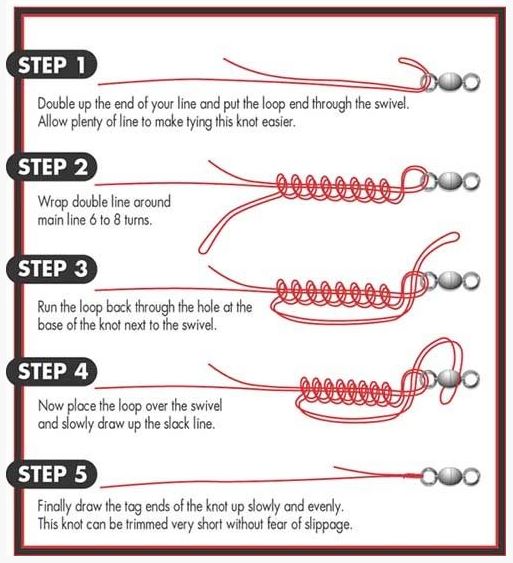
Credit: www.beadinggem.com

Credit: www.reddit.com
Frequently Asked Questions
How Do I Tie A Hook To A Fishing Line?
To tie a hook, use a knot like the improved clinch knot. Thread the line through the hook eye, wrap it around five times, then pass the tag end through the loop and tighten. This ensures a secure, strong connection for fishing.
What Is The Best Knot For Attaching Hooks?
The improved clinch knot is best for attaching hooks. It is strong, reliable, and easy to tie. This knot holds well under tension and is popular among anglers for securing hooks to fishing lines effectively.
Can I Attach A Hook To Braided Fishing Line?
Yes, you can attach a hook to braided line. Use knots like the Palomar knot or improved clinch knot, which work well with braided lines. These knots maintain strength and prevent slipping when properly tied on braided lines.
How Tight Should The Hook Knot Be?
The knot should be snug but not overly tight. Tighten slowly to avoid weakening the line. A firm, secure knot prevents slipping and ensures the hook stays attached during casting and fishing.
Conclusion
Attaching a hook to a fishing line is simple with practice. Start with the right knot. Secure it tightly. Practice makes perfect. Be patient and careful. This skill enhances your fishing experience. Enjoy the peacefulness of fishing. Remember, the right technique matters.
Spend time understanding your gear. It leads to better results. Fishing can be a rewarding hobby. Share your knowledge with others. Encourage them to join you. It’s a great way to bond. Keep practicing, and happy fishing!