Have you ever wondered if your air conditioner uses water to cool your home? It’s a common question that many people don’t have a clear answer to.
Understanding how your AC works can help you take better care of it and even save on energy bills. You’ll discover the role water plays in air conditioning systems—if any—and what that means for you. Keep reading, because the answer might surprise you and change the way you think about your cooling system.
Credit: www.carrier.com
Air Conditioner Basics
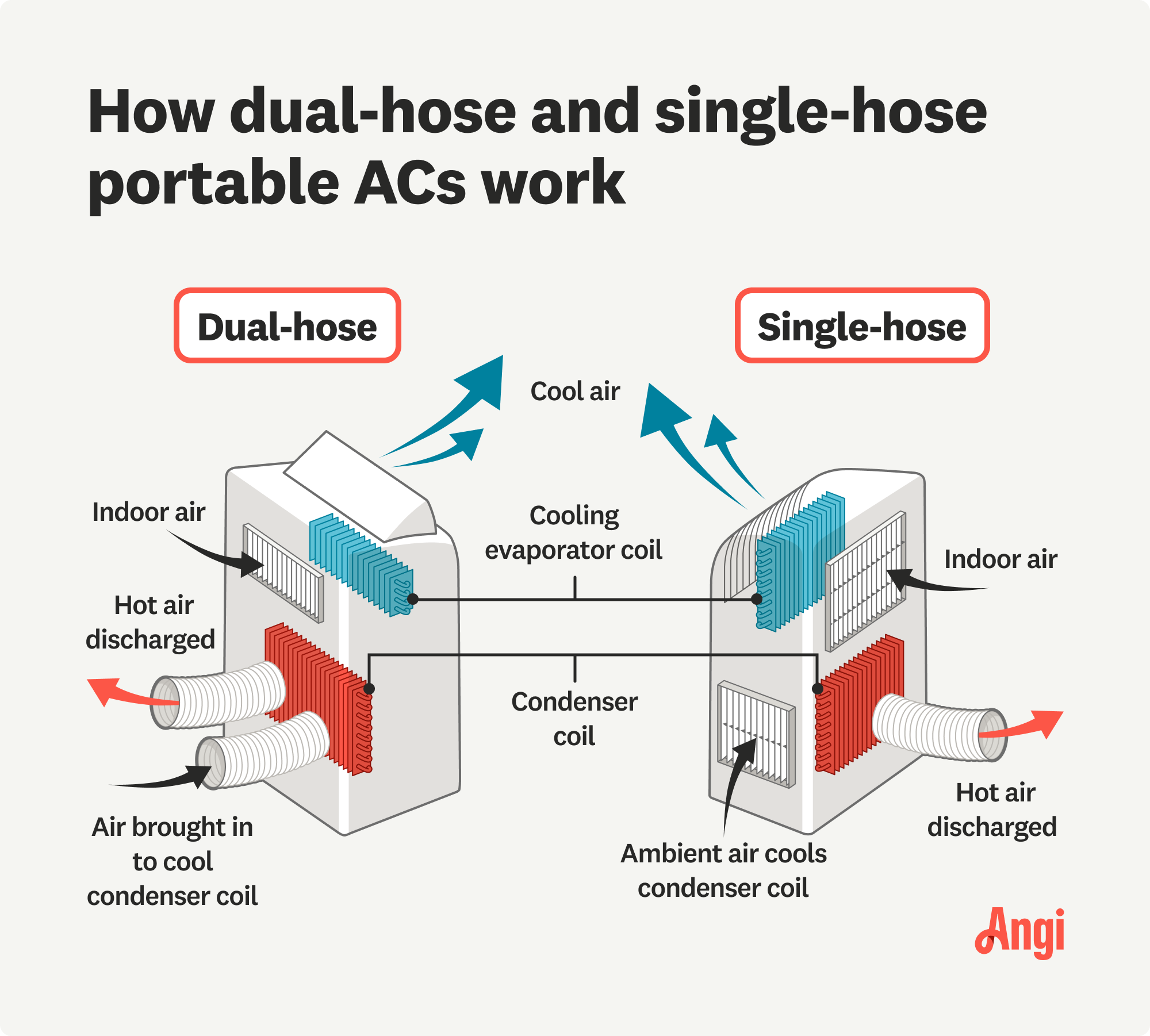
Air conditioners cool the air by removing heat and moisture. They use a refrigerant, a special fluid that changes from liquid to gas and back. This process helps cool the air inside your home.
Most air conditioners do not use water directly. Instead, they rely on the refrigerant cycle and a fan to move cool air. However, some types, like evaporative coolers, do use water to cool the air.
| Type | How It Works | Uses Water? |
|---|---|---|
| Split AC | Uses refrigerant to cool air inside. | No |
| Window AC | Same as split AC but in one unit. | No |
| Evaporative Cooler | Uses water evaporation to cool air. | Yes |
Common Myths About Water Use
Air conditioners do not use water to cool air.They work by moving heat outside using refrigerant gas. The process is dry, unlike evaporative coolers which need water.
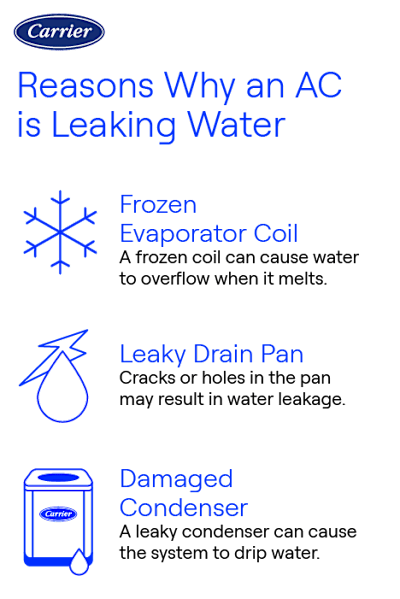
Some air conditioners may drip water as a side effect. This happens because they remove moisture from the air. This water is just condensation, not water used for cooling.
Air conditioners do not waste water.Since they do not consume water in their cooling process, they do not add to water waste. The water seen is collected from air humidity.
Using air conditioners does not increase water bills or water consumption. They only use electricity to run compressors and fans.
How Water Actually Relates To Ac
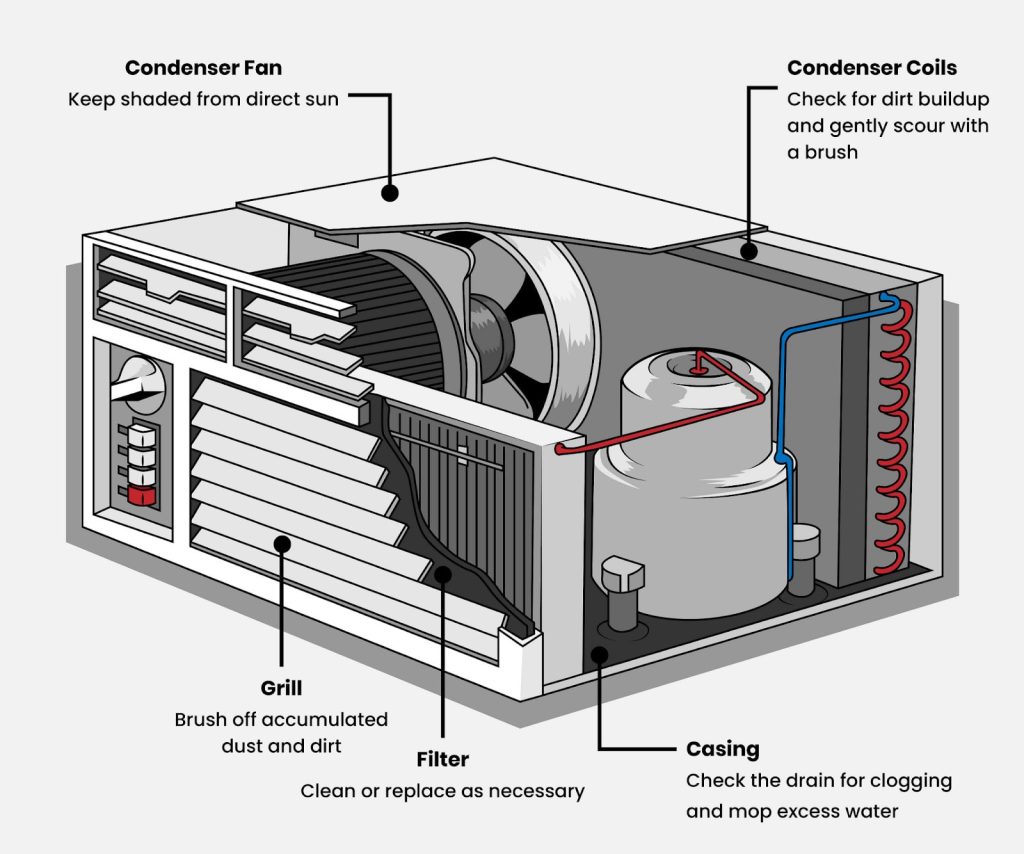
Air conditioners cool air by moving heat from inside to outside. This process creates water through condensation. Warm air meets cold metal coils. The moisture in the air turns into water droplets. This water is then drained out of the unit.
Evaporative coolers use water directly. They spray water onto pads. Air passes through these wet pads. The air cools down by evaporation. This method uses water as a cooling agent.
| Type of AC | Water Usage | How Water is Used |
|---|---|---|
| Central AC | Very little | Condensation forms and drains out |
| Evaporative Cooler | Significant | Water evaporates to cool air |
Credit: www.housedigest.com
Environmental Impact
Air conditioners use watermainly in evaporative cooling systems. These systems cool air by evaporating water, which can lead to water use concerns. Traditional air conditioners usually do not use water directly but may produce condensation.
Water consumption can be high in hot, dry places where evaporative coolers are common. This can impact local water supplies, especially during droughts. Choosing systems with low water use helps save this valuable resource.
| Type of AC | Water Use | Energy Efficiency |
|---|---|---|
| Evaporative Cooler | Uses water to cool air | Uses less energy but higher water use |
| Traditional AC | Minimal or no water use | Higher energy use, less water |
| Hybrid Systems | Moderate water use | Balance of water and energy use |
Energy efficiency matters too. Some systems save energy but may use more water. Others save water but need more electricity. Choosing the right system depends on local climate and resources.
Expert Tips For Efficient Cooling
Most air conditioners do not use waterto cool your home. They use a refrigerant to absorb heat and cool the air. Some systems, like evaporative coolers, use water to cool, but these are less common.
- Choose air conditioners that don’t rely on water.
- Check for leaks in water-based cooling systems.
- Use water-efficient cooling methods when possible.
- Regularly inspect and fix water pipes and connections.
Clean or replace filters every 1-3 months. Dust and dirt can block airflow and reduce cooling. Clear debris around the unit to help air move freely. Schedule regular professional check-ups to keep it running well.
Credit: www.angi.com
Frequently Asked Questions
Does An Air Conditioner Consume Water To Cool Air?
No, most air conditioners do not consume water. They use refrigerants to absorb heat and cool the air efficiently without water.
How Does An Air Conditioner Remove Moisture From The Air?
Air conditioners cool warm air, causing moisture to condense on the coils. This water is collected and drained away, reducing indoor humidity.
Can An Air Conditioner Work Without Water Supply?
Yes, standard air conditioners do not need a water supply. They rely on refrigerants and electricity, not direct water input, to function.
Is Water Used In Evaporative Air Coolers?
Yes, evaporative coolers use water to cool air through evaporation. This is different from standard air conditioners which use refrigerants.
Conclusion
Air conditioners don’t use water to cool air directly. They use refrigerants. These liquids absorb and release heat. Some systems may have a drainage system. This removes moisture from the air. Water plays a role in cooling tower systems. These are used in large buildings.
Regular maintenance is key. It ensures your unit works efficiently. Check for any leaks. Clean the filters often. This keeps your air conditioner running smoothly. Understanding these basics helps you use your AC effectively. Stay cool and enjoy a comfortable environment indoors.