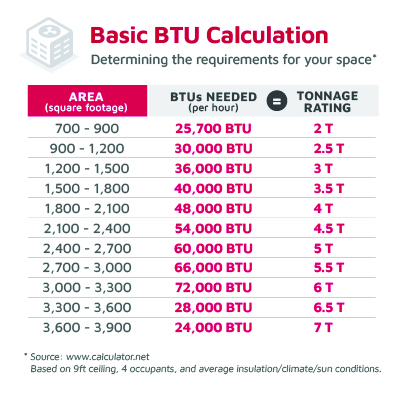
Have you ever noticed the term “BTU” on your air conditioner and wondered what it really means? Understanding BTU can make a big difference in choosing the right air conditioner for your space.
If you pick the wrong size, your room might never feel comfortable—or you could waste energy and money. You’ll discover exactly what BTU means and why it matters for your cooling needs. Keep reading to make sure your next air conditioner is just right for you.
Btu Basics
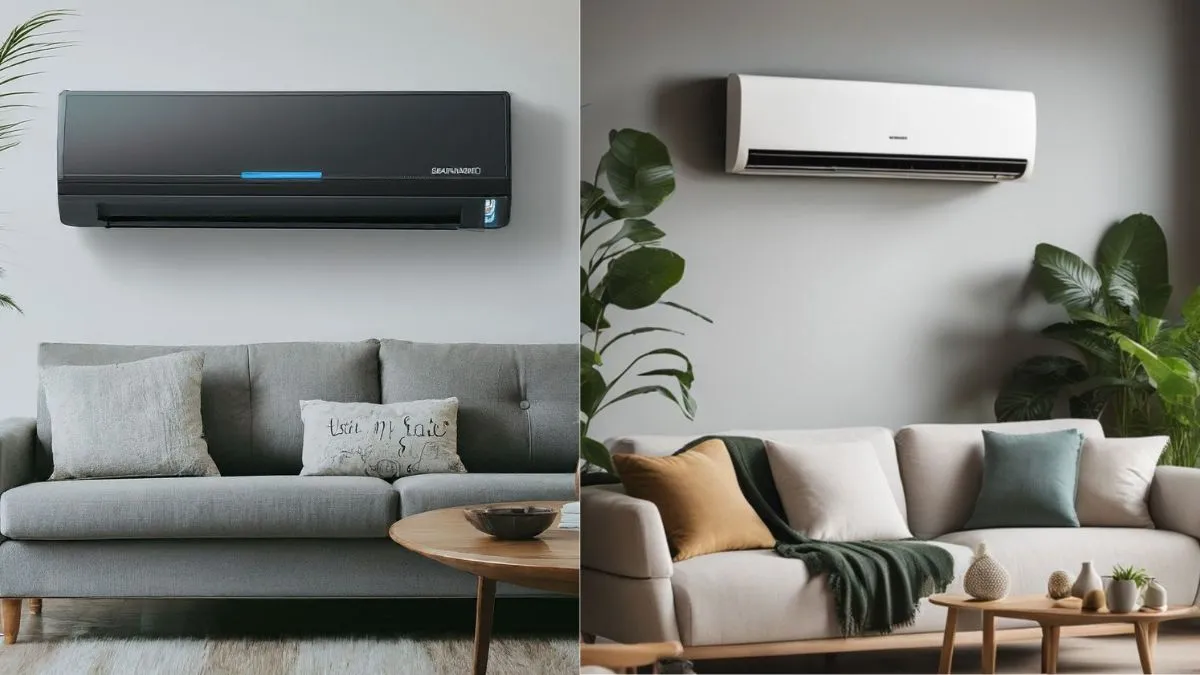
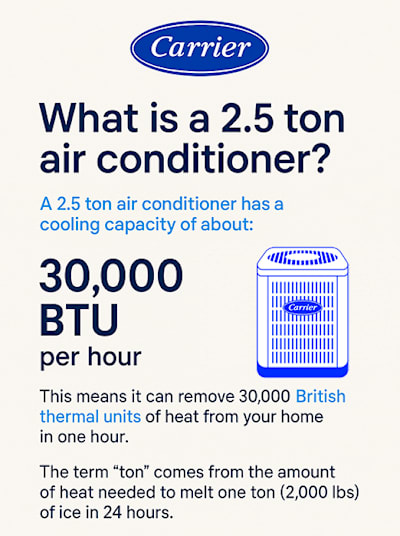
BTUstands for British Thermal Unit. It measures the amount of heat an air conditioner can remove from a room per hour. The higher the BTU, the more cooling power the unit has.
BTUis important because it helps choose the right AC size for a room. Too small a unit won’t cool well. Too big wastes energy and money.
- Small rooms need AC units with fewer BTUs.
- Large rooms require higher BTU units for effective cooling.
- Correct BTU ensures comfort and saves energy.
Credit: www.herzindagi.com
Choosing The Right Btu
BTUstands for British Thermal Unit. It shows how much heat an air conditioner can remove. Choosing the right BTU is key for comfort and energy use.
Room size affects BTU needs. Small rooms need fewer BTUs. Large rooms need more. Here is a simple guide:
| Room Size (sq ft) | Recommended BTU |
|---|---|
| Up to 150 | 5,000 |
| 150 to 250 | 6,000 – 8,000 |
| 250 to 350 | 8,000 – 10,000 |
| 350 to 450 | 10,000 – 12,000 |
Climate and insulation also affect BTU needs. Hotter climates require more BTUs. Good insulation lowers BTU needs. Poor insulation raises them.
- Too small a unit cools slowly and works harder.
- Too big wastes energy and causes humidity issues.
- Choose a BTU size that matches your room and conditions.
Btu And Energy Efficiency
BTUstands for British Thermal Unit. It shows how much heat an air conditioner can remove. A higher BTU means the unit cools a bigger space.
BTU and energy use are linked but not the same. A unit with a high BTU may use more power. But a unit with a good Energy Star ratinguses less energy for the same BTU.
| BTU | Energy Consumption | Energy Star Rating |
|---|---|---|
| 5,000 | Low | Yes |
| 10,000 | Medium | Some models |
| 15,000 | High | Few models |
- Choose the right BTU for your room size.
- Look for units with Energy Star labels.
- Keep doors and windows closed while cooling.
- Clean filters regularly to keep airflow strong.
- Use fans to spread cool air.
Types Of Air Conditioners And Btu
Window unitsare small air conditioners that fit in a window. Their BTU ratingusually ranges from 5,000 to 12,000. These units cool a single room well but are not for large areas.
Portable ACscan be moved from room to room. They have BTUs between 8,000 and 14,000. These units are good for temporary cooling but need space for venting hot air.
| Type | Typical BTU Range | Best Use |
|---|---|---|
| Window Units | 5,000 – 12,000 | Single rooms |
| Portable ACs | 8,000 – 14,000 | Temporary cooling, movable |
| Central Air Systems | 18,000 – 60,000+ | Whole house or large areas |
Central air systemscool entire homes or big spaces. Their BTU levels are much higher, from 18,000 to over 60,000. These systems are fixed and need professional installation.
Btu Calculation Methods
Manual estimation uses simple math to find the right BTU for a room. Measure the room’s length and width in feet. Multiply these numbers to get square footage. Then, multiply by 20 BTUs per square foot. This gives a rough idea of the needed cooling power. Adjust for sunlight, people, or appliances that add heat.
Online calculators ask for room size and other details. They quickly give a BTU number. These tools are easy and fast. Some also consider windows, insulation, and climate. Great for quick estimates without math.
Professional assessment involves a technician visiting your space. They check size, insulation, and heat sources. They measure windows and sunlight exposure. This method is the most accurate. Good for complex or large areas.
Credit: www.carrier.com
Common Btu Myths
Higher BTU does not always mean better cooling.A unit with too high BTU can cool too fast, causing uneven temperatureand higher energy bills.Smaller rooms need lower BTU, while larger rooms need more.
BTU is just one part of comfort. Other factorslike insulation, windows, and sun exposure affect cooling too.
Choosing the right BTUdepends on room size and these other factors, not just bigger numbers.
Credit: www.lexetx.com
Frequently Asked Questions
What Does Btu Mean On An Air Conditioner?
BTU stands for British Thermal Unit, measuring an air conditioner’s cooling power. It indicates how much heat the unit can remove per hour.
How Does Btu Affect Air Conditioner Performance?
Higher BTU means stronger cooling capacity. Choosing the right BTU ensures efficient cooling without wasting energy or causing discomfort.
What Btu Size Is Best For My Room?
Room size and insulation determine BTU needs. Small rooms need 5,000-8,000 BTU, while larger rooms require 10,000-18,000 BTU.
Can A Wrong Btu Size Harm My Air Conditioner?
Yes, an oversized unit wastes energy and causes humidity issues. A too-small unit struggles to cool properly, reducing lifespan.
Conclusion
Understanding BTU helps in choosing the right air conditioner. It’s crucial for efficiency and comfort. A higher BTU means more cooling power. But don’t overestimate your needs. Bigger isn’t always better. Right sizing saves energy and money. It keeps your home cool and comfortable.
Consider room size and climate. These factors affect your BTU needs. Consult a professional if unsure. They can guide you to the best choice. Proper understanding leads to better decisions. Enjoy a comfortable home all year round.