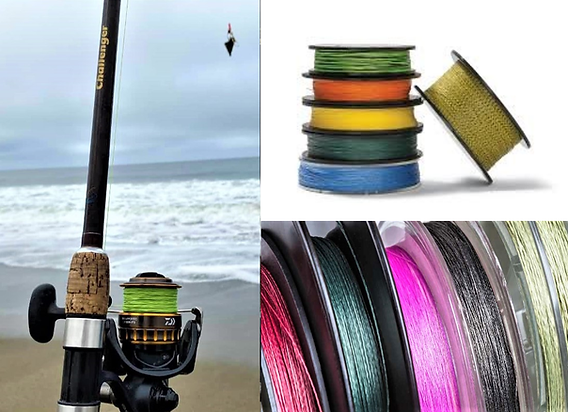
Choosing the right fishing line color can make a big difference in your success on the water. You might think any line will do, but the truth is, the color you pick can affect how easily fish spot your bait—and how often you reel in a catch.
Are you struggling to figure out which color blends best with your fishing spot? Or wondering if a bright line could actually help you fish better? Keep reading, because understanding the best fishing line color for your needs can boost your confidence and improve your results every time you cast.
Fishing Line Colors Explained
Fishing line color can affect how well fish see the line. It also helps anglers see their line above water.
Choosing the right color depends on water type and fishing conditions. Let’s explore common line colors and their uses.
Common Line Colors
Fishing lines come in many colors. Some popular colors are clear, green, blue, and bright colors.
- Clear:Hard to see in water, good for clear water.
- Green:Blends well with plants and algae.
- Blue:Matches open water or deep water.
- Bright Colors:Easy to see above water for anglers.
How Color Affects Visibility
Line color changes how visible it is to fish and to you. Bright colors stand out above water but may scare fish below.
Darker or clear lines are less visible underwater. This helps avoid spooking fish, especially in clear water.
- Bright lines help anglers track their line.
- Clear lines hide better in clean water.
- Green or blue lines blend with water colors.
Line Color And Water Types
Water color affects which line color works best. Clear water needs low-visibility lines. Murky water allows brighter colors.
Use this guide to choose line color by water type:
| Water Type | Best Line Color | Reason |
|---|---|---|
| Clear Water | Clear or light green | Less visible, avoids spooking fish |
| Murky or Stained Water | Bright colors (yellow, orange) | Easier for angler to see line |
| Deep Water | Blue or green | Blends with water depth colors |
Clear And Transparent Lines
Clear and transparent fishing lines are popular among anglers. These lines blend well with water.
They make it hard for fish to see the line. This helps increase your chances of catching fish.
Advantages In Clear Water
Clear lines are almost invisible in clear water. Fish often avoid visible lines, so clear lines reduce spooking.
They work well with natural bait and lures. You get better results because fish focus on the bait, not the line.
- Less visible to fish in clear water
- Better for natural and subtle presentations
- Good for sunny days and calm water
Best Situations To Use
Clear lines work best in open water or when fish are cautious. They are ideal for freshwater fishing in lakes and rivers.
Use clear lines when fishing with live bait or soft plastics. They help keep your setup hidden from fish.
- Clear lakes and rivers with good visibility
- Fishing for wary or line-shy fish
- Using natural baits or soft lures
- Bright, sunny days with clear water
Green And Moss Lines
Choosing the right fishing line color helps catch more fish. Green and moss lines blend well in many water environments.
These colors reduce line visibility near plants and algae. They are popular choices for freshwater fishing.
Blending In With Vegetation
Green and moss lines imitate natural plants and underwater growth. Fish often ignore lines that look like their habitat.
- Green lines match grassy and leafy areas.
- Moss lines work well around weeds and algae.
- Both colors hide well near submerged plants.
- This helps avoid spooking wary fish.
Ideal Conditions For Green Lines
Green lines perform best in water with plenty of plant life. They blend into environments with algae or grass.
| Water Type | Vegetation | Best Line Color |
| Clear | Grassy banks | Bright Green |
| Murky | Algae-filled | Moss Green |
| Stained | Weedy areas | Dark Green |
Blue And Camouflage Lines
Choosing the right fishing line color can improve your catch. Blue and camouflage lines each have their own uses in different water conditions.
Understanding when to use these lines helps you stay hidden from fish and fish deeper with less notice.
Effectiveness In Deep Water
Blue fishing lines blend well in deep water. This makes them harder for fish to see.
| Line Color | Visibility in Deep Water | Best Use |
| Blue | Low | Clear or blue deep water |
| Camouflage | Varies | Weedy or rocky bottoms |
When To Choose Blue Lines
Blue lines work best in open water with blue or clear backgrounds. They help keep your line out of sight as it sinks.
- Use blue lines in deep lakes or oceans
- Choose blue if water is clear and blue-tinted
- Avoid blue lines in murky or green water
- Blue lines help with vertical jigging or trolling
Fluorescent And High-visibility Lines
Fluorescent and high-visibility fishing lines glow or stand out in many conditions. These lines help anglers see their line better on the water.
They are popular for certain fishing styles and times of day. Choosing the right color can improve your fishing experience.
Benefits For Night Fishing
Fluorescent lines glow under low light. This makes them easy to see at night or in dark water.
They help anglers watch the line for bites or movement. This can increase the chance of a catch.
- Line glows under moonlight or artificial light
- Better visibility helps detect fish bites
- Reduces eye strain in dark conditions
Using Bright Lines For Line Control
Bright lines make it easier to see line direction and movement. This helps control the line better while fishing.
Anglers can adjust tension and position quickly. This helps avoid tangles and improves casting accuracy.
- Easy to track line in sunlight or shade
- Helps keep line tight and responsive
- Reduces mistakes while casting or retrieving

Credit: thegww.com
Colored Lines For Specific Species
Choosing the right fishing line color helps catch more fish. Different fish react to colors differently.
Using colored lines for specific species can improve your chances in the water.
Targeting Bass
Bass often live in murky or stained water. Bright or visible lines help anglers track their lure.
Fluorescent green and yellow lines are popular for bass fishing. These colors stand out well.
- Fluorescent green blends with underwater plants
- Yellow is easy to see above water
- Light blue works in clearer water
Lines For Trout And Salmon
Trout and salmon live in clear, cold water. They often see bright colors easily.
Clear or light green lines work best. They stay hidden but remain strong.
- Clear lines reduce visibility to fish
- Light green matches natural water color
- Orange or red lines help anglers track casts
Saltwater Fishing Colors
Saltwater fish see colors differently because of deep, blue water. Darker lines blend in well.
Blue and green lines are popular for saltwater fishing. They match the ocean’s colors.
- Blue lines blend in deep water
- Green lines work near seaweed and reefs
- Fluorescent lines help track in low light
Line Color And Fishing Techniques
Choosing the right fishing line color can help you catch more fish. Different colors work better for different fishing styles and water types.
This guide explains how line color affects casting, retrieval, trolling, and bottom fishing. Use this to pick the best line for your technique.
Casting And Retrieval
When casting and retrieving, line color affects visibility to fish and ease of use. Clear or light colors blend well in clear water. Bright colors help track your line in low light.
- Clear or green lines work best in clear water.
- Fluorescent colors help you see the line in dim light.
- Blue lines blend well in deep or open water.
- Match line color to water color for better stealth.
Trolling And Bottom Fishing
Trolling and bottom fishing need strong lines that fish cannot see easily. Dark colors hide well near the bottom, while bright lines help with line control.
| Technique | Best Line Color | Reason |
| Trolling | Blue or Green | Blends with open water |
| Bottom Fishing | Brown or Dark Green | Mimics bottom colors |
| Night Fishing | Fluorescent Yellow | Easy to see in low light |

Credit: www.wired2fish.com
Choosing Line Color Based On Environment
Picking the right fishing line color helps you catch more fish. The color should match where you fish. This makes the line less visible to fish.
Different water types need different colors. We look at freshwater and saltwater first. Then, we check clear and murky waters.
Freshwater Vs Saltwater
Freshwater and saltwater have different colors and conditions. Choosing line color depends on how clear or dark the water is. Fish in saltwater may see colors differently than fish in freshwater.
- Freshwater:Use green or brown line to blend with plants and bottom.
- Saltwater:Use blue or clear line to match open water colors.
- Clear water in both:Use clear or light blue line to stay hidden.
- Dark water in both:Use darker colors like brown or green for less visibility.
Clear Vs Murky Waters
Water clarity changes how visible your fishing line is. Clear water means fish see more. Murky water hides the line better but can change color choices.
| Water Type | Best Line Colors | Reason |
| Clear Water | Clear, Light Blue, Green | Line blends with water for low visibility |
| Murky Water | Dark Green, Brown, Camouflage | Colors match muddy or plant-filled water |
Tips For Matching Line Color To Lures
Choosing the right fishing line color helps your lure blend with the water. This can attract more fish and improve your catch rate.
Matching line color to lures is key for clear water and different light conditions. Simple tricks can make your lure look natural.
Enhancing Lure Presentation
Use line colors that blend with the water background to keep the lure natural. Green or brown lines work well in weedy or muddy water.
- Clear lines suit bright, clear water
- Blue or green lines match deep or stained water
- Brown or amber lines help in muddy water
- Match the line color with lure shades for subtle looks
- Use light lines for small, delicate lures
Avoiding Line Spooking Fish
Fish can see your line if it contrasts with the water. Choose colors that reduce glare and reflections.
| Water Condition | Best Line Color |
| Clear water | Clear or light blue |
| Stained water | Green or dark blue |
| Muddy water | Brown or amber |
| Low light | Fluorescent or bright colors |

Credit: iwishtackle.en.made-in-china.com
Maintaining Line Quality And Color
Choosing the best color fishing line helps you catch fish better. Over time, your fishing line can lose its color and strength. Keeping your line in good shape is important for fishing success.
Proper care and timely replacement keep your line strong and less visible to fish. Learn how to store and care for your fishing line and when to replace it if it fades.
Storage And Care
Store your fishing line in a cool, dry place away from sunlight. Heat and UV rays break down the line and cause color fading. Avoid leaving your line in direct sun or hot cars.
- Keep line away from chemicals and saltwater when not in use
- Use a sealed container or plastic bag to protect the line
- Check the line regularly for cracks or stiffness
- Clean line gently with fresh water if it gets dirty
Replacing Faded Lines
Replace your fishing line when the color fades or the line weakens. Faded line is easier for fish to see, reducing your chances of a catch. Old lines also break more often.
| Signs to Replace Line | Reason |
| Line color fades | Less camouflage in water |
| Line shows cracks or nicks | Higher risk of breaking |
| Line feels stiff or brittle | Loss of strength and flexibility |
| Line has been used for several months | Material wears out over time |
Frequently Asked Questions
What Color Fishing Line Is Least Visible Underwater?
Clear or green lines blend best underwater. They reduce visibility to fish, increasing catch chances. Choose based on water clarity and fish species.
Does Fishing Line Color Affect Fish Attraction?
Yes, bright lines can scare fish. Natural colors like green or brown are less noticeable. Match line color to water conditions for better results.
Which Fishing Line Color Works Best In Murky Water?
Bright colors like yellow or orange improve visibility in murky water. They help anglers track the line and detect bites more easily.
Is Clear Fishing Line Better For All Fishing Types?
Clear lines offer versatility and low visibility. Ideal for most freshwater and saltwater fishing. However, specific conditions might require colored lines for better performance.
Conclusion
Choosing the right fishing line color is essential. It affects your success. Clear lines work well in clear waters. Green blends in murky lakes or rivers. Blue lines suit deep sea fishing. High-visibility lines help you track your line. Consider the water and fish type.
Testing different colors can improve your catch. Explore options. Experiment with colors to see what works best for you. Remember, local fish behavior matters too. Stay patient and keep trying. Enjoy your fishing adventures!