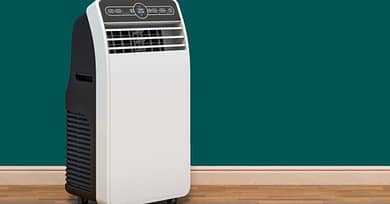
Are you wondering where to recycle your old air conditioner? You’re not alone.
Many people don’t know the right place to take these bulky units. Recycling your air conditioner is important—it keeps harmful chemicals out of the environment and helps recover valuable materials. But finding the right recycling spot can be confusing. You’ll discover simple, clear options to safely recycle your air conditioner.
Keep reading to make sure you do it the right way and protect both your home and the planet.

Credit: thechillbrothers.com
Why Recycle Air Conditioners
Air conditioners contain harmful chemicals that can hurt the environment. These chemicals can pollute the air and water if not handled correctly. Old AC units also have metals and plastics that can be reused. Recycling helps keep these materials out of landfills and reduces waste.
Proper recycling saves energy. Making new parts from recycled materials uses less power than making from raw materials. This helps cut down on pollution and conserves natural resources. It also reduces greenhouse gas emissions that cause climate change.
- Prevents harmful chemicalsfrom leaking into nature.
- Saves energyby reusing metals and plastics.
- Reduces wastein landfills.
- Helps fight climate changeby lowering emissions.
- Supports a cleaner environmentfor future generations.

Credit: www.acdirect.com
Preparing Air Conditioners For Recycling
Air conditioners contain hazardous materialslike refrigerants and oils. These must be removed safelybefore recycling. Trained professionals use special tools to capture refrigerants. This prevents harm to the environment and people.
Disassembling the air conditioner helps separate parts for recycling. Components like metal, plastic, and copper can be reused. Removing screws and panels carefully makes the process easier. Proper disposal of electronic parts is important too.
Local Recycling Centers
Many cities have local recycling centersthat accept air conditioners. These places help keep harmful chemicals out of the environment. Check your city’s website for locations near you. Some centers may require appointments, so call ahead.
Air conditioners often contain coolants and metalsthat need special handling. Follow the drop-off guidelines carefully to avoid fines or rejection. Remove any extra parts like filters or batteries if asked.
- Bring the unit to the center during working hours.
- Check if the center accepts window or portable AC units.
- Keep the unit intact unless the center requests dismantling.
- Follow any safety rules, such as wearing gloves.
- Dispose of cords and packaging separately if required.

Credit: providentjunk.ca
Retailer Take-back Programs
Many major retailersoffer recycling programsfor old air conditioners. Stores like Home Depot, Lowe’s, and Best Buyaccept units for recycling. Programs usually require the air conditioner to be in working conditionor meet certain size limits.
Participants often need to bring the unit to the store. Some retailers may have fees or offer store credit. It is important to check the specific rulesbefore visiting. Some stores require an appointment or proof of purchase.
| Retailer | Eligibility | Process |
|---|---|---|
| Home Depot | Working units, certain sizes | Bring to store, may require appointment |
| Lowe’s | All types accepted, check local rules | Drop off at customer service |
| Best Buy | Electronic air conditioners only | Bring to store recycling center |
Specialized E-waste Recycling Services
Certified e-waste recyclersfollow strict rules to handle air conditioners safely. They have special tools and training to remove harmful parts like refrigerants and metals.
Such recyclers protect the environment by stopping dangerous chemicals from leaking. They also recycle metals and plastics, reducing waste in landfills.
- Proper disposal of toxic materials
- Recovery of valuable metals and parts
- Reduction of pollution and landfill waste
- Compliance with local and national laws
Choosing specialized services ensures air conditioners do not harm nature. It also helps reuse resources wisely.
Municipal Waste Collection Events
Municipal waste collection events offer a simple way to recycle air conditioners. These events happen on specific days set by the local government. Residents can bring their old air conditioners to these collection points.
Participation is easy and helps keep harmful materials out of landfills. Before the event, check your city’s website or local bulletin for the exact dates and locations. Make sure the air conditioner is unplugged and ready for drop-off.
- Find the scheduled collection days in your area.
- Prepare the air conditioner for transport.
- Bring the unit to the collection site on the set day.
- Follow any instructions from the event staff.
These events are often free and safe. They help protect the environment by ensuring proper disposal.
Donation And Reuse Options
Repair and refurbishment programs help give old air conditioners a second life. These programs fix broken parts and clean units so they work well again. This helps reduce waste and saves energy. Many local shops and community centers offer these services at low cost or for free. Donated ACs often get tested for safety and efficiency before reuse.
Several organizations accept used air conditioner units for donation. They either repair and sell them or give them to families in need. Some well-known groups include:
- Local recycling centers
- Nonprofits focused on energy conservation
- Charity organizations helping low-income households
- Community repair workshops
Donating your AC unit helps the environment and supports people who cannot afford new ones. Always check with the organization first to know their acceptance policies.
Costs And Incentives
Recycling air conditioners may have small feesin some places. These fees cover handling and safe disposalof parts like refrigerants. Fees vary by location and recycling center. Some centers accept units for free during special events or promotions.
Government rebates and incentives often lower or cover recycling costs. These programs encourage people to recycle old air conditioners. Incentives might include cash rewards, discounts, or vouchersfor new energy-efficient models. Check with local government or utility companies for current offers.
| Possible Fees | Government Incentives |
|---|---|
| Handling and disposal charges | Cash rebates for recycling |
| Varies by recycling center | Discounts on new units |
| Free recycling during events | Vouchers for energy-efficient models |
Tips For Choosing Eco-friendly Disposal
Check certificationsof recycling centers before handing over your air conditioner. Certifications ensure the facility follows environmental rules. Look for labels like EPA-approvedor other official marks. These prove the center handles harmful chemicals safely.
Illegal dumping harms the environment and is often punished by law. Avoid places that do not provide clear proof of proper disposal. Choose centers that give you a receipt or certificate. This shows your air conditioner was recycled correctly.
- Ask for recycling certificates
- Confirm the center recycles refrigerants safely
- Never leave air conditioners at unknown or unlicensed spots
- Use local government or trusted recycling programs
Frequently Asked Questions
Where Can I Recycle Old Air Conditioners Safely?
You can recycle old air conditioners at local recycling centers or hazardous waste facilities. Many cities offer special drop-off events for electronic appliances. Check with your municipality for authorized locations to ensure safe disposal and environmental compliance.
Do Appliance Stores Accept Old Air Conditioners For Recycling?
Yes, many appliance stores accept old air conditioners for recycling when you buy a new unit. They often partner with certified recyclers to handle refrigerants and metals responsibly. Always confirm with the store before dropping off your unit.
Are There Fees For Recycling Air Conditioners?
Some recycling centers charge a small fee to cover hazardous material handling. However, many municipal programs offer free recycling during special collection events. It’s best to check local guidelines to understand any potential costs involved.
How To Prepare An Air Conditioner For Recycling?
Before recycling, remove any personal parts and disconnect the unit safely. Ensure refrigerants are handled by certified technicians to prevent environmental harm. Proper preparation helps recycling centers process the unit efficiently and comply with safety standards.
Conclusion
Recycling air conditioners helps protect the environment and saves resources. Many local centers accept old units for safe disposal. Some stores offer recycling programs when you buy a new AC. Always check with your city or waste facility for rules.
Proper recycling prevents harmful chemicals from polluting the air and water. Taking a few minutes to recycle makes a big difference. Start today and keep your home and planet cleaner. Easy, responsible steps lead to a healthier future for all.