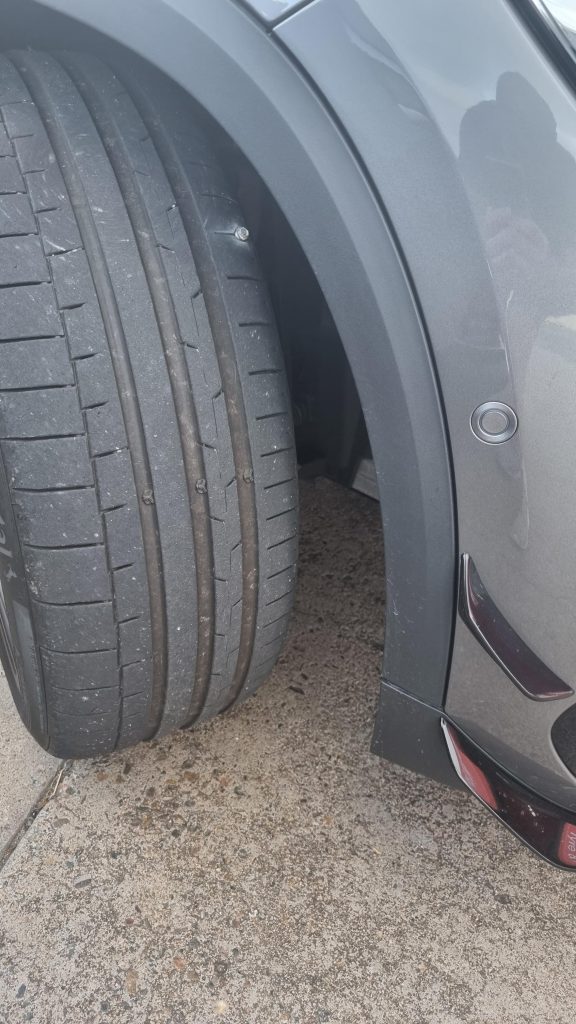
Have you ever wondered if your brand-new car actually comes with a spare tire? It’s a simple question, but the answer might surprise you—and it could save you from a stressful situation on the road.
Knowing whether your new vehicle includes a spare tire is more important than you think. It affects how prepared you are for unexpected flats and could change the way you handle emergencies. Keep reading to find out what to expect when you buy a new car and how to stay ready no matter what happens on your next drive.
Spare Tires In Modern Cars
Many new cars today do not come with a spare tire. Car makers often use other solutions for flat tires. This change affects how drivers handle tire problems on the road.
Understanding the types of spare tires and why some cars skip them helps drivers prepare better. It also shows how car design is changing with new technology.
Types Of Spare Tires
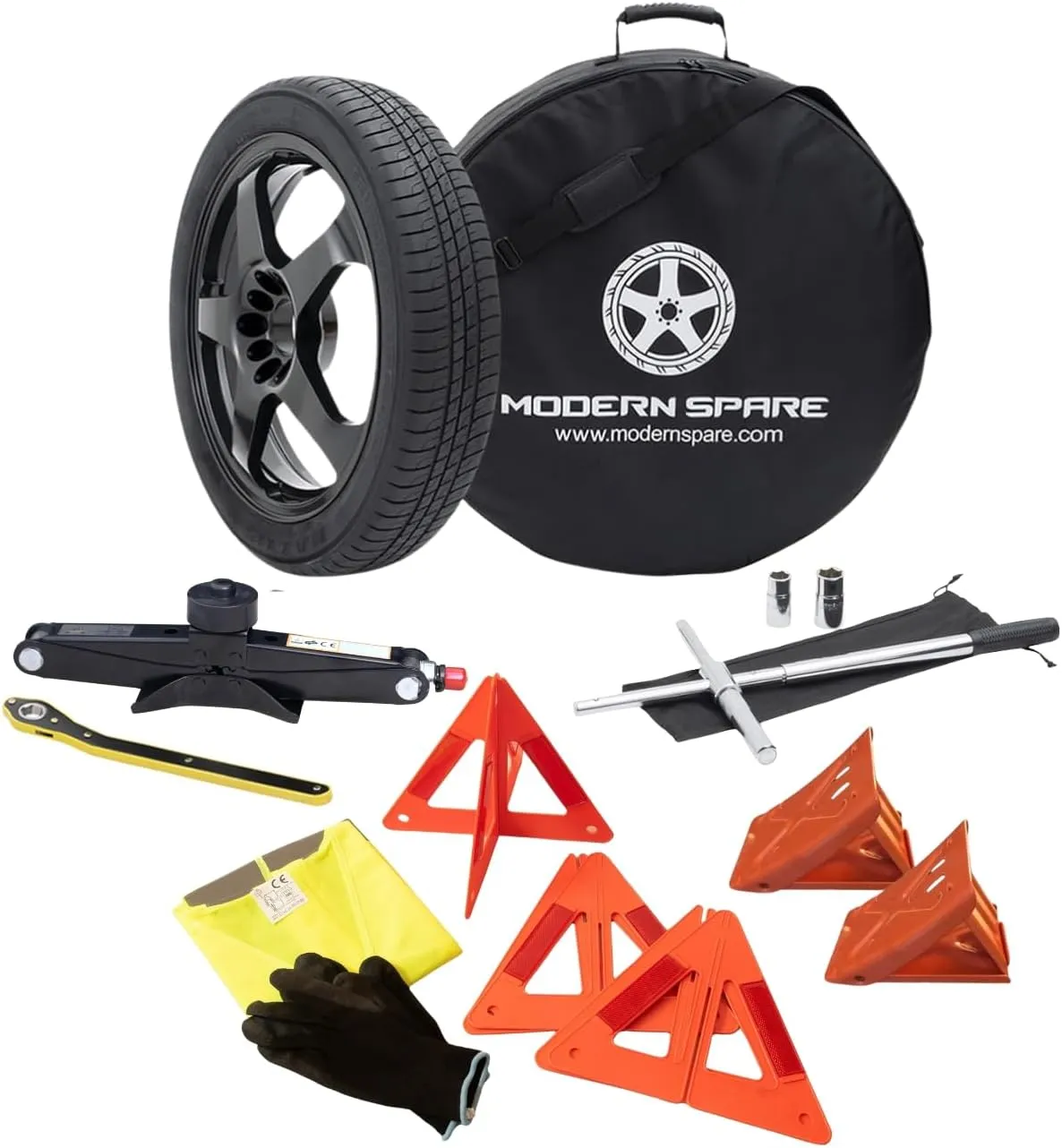
There are different types of spare tires used in cars. Each type has its own size, weight, and purpose. Some spares save space, while others offer full performance.
- Full-Size Spare:Same size as regular tires. It can be used like a normal tire.
- Compact or “Donut” Spare:Smaller and lighter. Meant for short use only.
- Run-Flat Tires:Not a spare tire but can be driven on for a limited distance after a puncture.
- Sealant Kits:Temporary fix kits that seal small holes without needing a spare tire.
Why Some Cars Skip Spare Tires
Some new cars do not include spare tires to save weight and space. This helps improve fuel efficiency and allows more room for storage.
Car makers also rely on modern tire repair kits or run-flat tires. These options reduce the need for a full spare tire and the tools to change it.
- Reduces car weight and improves gas mileage
- Frees up storage space inside the vehicle
- Encourages use of modern tire repair technology
- Cost savings for car manufacturers
Alternatives To Spare Tires
Many new cars do not come with a spare tire. Car makers want to save space and weight. They use other ways to help drivers fix flat tires.
These options can keep you moving without needing a full spare tire. Two popular choices are run-flat tires and tire repair kits.
Run-flat Tires
Run-flat tires let you drive after a puncture. They have stronger sidewalls that hold the car’s weight. This means you can keep driving safely for a short distance.
These tires give you time to reach a repair shop. Usually, you can drive up to 50 miles at low speeds with a run-flat tire.
- Built with reinforced sidewalls
- Supports car weight after a puncture
- Allows driving up to 50 miles safely
- Works at reduced speeds only
Tire Repair Kits
Tire repair kits come with tools and sealant. They help fix small punctures quickly. You do not need to change the tire on the spot.
These kits usually have a compressor to refill the tire with air. They are easy to use and save space in the car.
- Contains sealant to plug small holes
- Includes air compressor for inflation
- Easy and quick to use
- Good for minor tire damage
Benefits Of Having A Spare Tire
Many new cars may not come with spare tires, but having one offers clear benefits. A spare tire can save you time and stress during emergencies on the road.
Understanding the advantages helps you decide if you want to keep a spare tire in your vehicle.
Safety And Convenience
A spare tire lets you fix a flat quickly and continue your journey safely. This avoids waiting for roadside assistance or being stranded in unsafe areas.
- Allows quick tire replacement on the spot
- Reduces risk of accidents from driving on a flat tire
- Helps you reach a repair shop without delay
- Provides peace of mind during long trips
Cost Implications
Having a spare tire may save you money by avoiding expensive towing fees. It can also prevent further damage to your car caused by driving on a damaged tire.
| Cost Aspect | With Spare Tire | Without Spare Tire |
| Towing Fees | Often avoided | Usually required |
| Damage to Vehicle | Less likely | More likely |
| Emergency Repair Cost | Lower | Higher |

Credit: www.carsales.com.au
Challenges Without A Spare Tire
Many new cars do not include a spare tire. This change creates problems for drivers. Without a spare, fixing a flat tire on the road is harder.
Drivers face extra risks and delays. They must rely on other solutions to keep moving.
Limitations On Roadside Repairs
Without a spare tire, you cannot replace a flat tire immediately. This limits your ability to fix problems quickly on the road.
- You cannot change the tire yourself.
- You may need to wait for a tow truck.
- Some repairs require special tools not in the car.
- Temporary solutions like tire sealants may not work for all flats.
Dependence On Roadside Assistance
Without a spare tire, drivers depend more on roadside help. This can cause delays and extra costs.
| Factor | Impact |
| Waiting Time | Longer waits for help or tow trucks |
| Cost | Higher fees for towing or repair services |
| Availability | Help may not arrive quickly in remote areas |
| Self-Reliance | Reduced ability to fix problems alone |
How To Check Your Car’s Spare Tire Status
Many new cars may not come with a traditional spare tire. It is still important to know how to check the spare tire if your car has one. This helps you stay safe in case of a flat tire.
Checking the spare tire regularly ensures it is ready to use. You should inspect it before long trips or every few months.
Locating The Spare Tire
The spare tire is usually stored in the trunk or under the car. Some cars have it inside the rear cargo area, under a panel. Others keep it under the vehicle, at the back.
Check your car manual if you cannot find the spare tire. It will tell you the exact location and how to access it safely.
- Look in the trunk under the floor panel
- Check under the rear of the vehicle
- Inspect the cargo area for a hidden compartment
- Refer to the car manual for details
Inspecting For Usability
Once you find the spare tire, check if it is usable. Look for any damage like cracks, holes, or dry rot. Make sure the tire has enough air pressure.
Also check the tire tools like the jack and wrench. They should be complete and in good condition for an emergency.
- Check tire surface for cracks or damage
- Use a pressure gauge to measure air pressure
- Make sure the tire is fully inflated
- Verify the jack and wrench are present and working
- Replace the spare tire if it looks worn or damaged

Credit: www.reddit.com
Tips For Choosing Spare Tire Options
Choosing the right spare tire is important for safety and convenience. Spare tires come in different sizes and types. Knowing what fits your car and needs helps you pick the best option.
This guide covers key points about your car model and how much space you have for storing a spare tire. Use these tips to make a smart choice.
Considering Car Model And Usage
Your car model affects which spare tire fits well. Some cars have full-size spares, while others use smaller temporary tires. Think about how often and how far you drive.
- Check your car manual for recommended spare tire size.
- Use full-size spare if you drive long distances often.
- Temporary spares suit short trips or city driving.
- Consider tire type: all-season, winter, or performance.
- Match spare tire speed rating with your regular tires.
Evaluating Storage Space
Spare tire storage space varies by vehicle. Some cars have a trunk space, others store tires under the car or in the cargo area. Measure your available space before buying.
| Storage Type | Common Vehicles | Spare Tire Size Limit |
|---|---|---|
| Trunk Compartment | Sedans, hatchbacks | Full size or compact |
| Under Vehicle | Trucks, SUVs | Compact or temporary |
| Side Cargo Area | Vans, some SUVs | Temporary or donut size |
Credit: modernspare.com
Frequently Asked Questions
Do New Cars Usually Include Spare Tires?
Most new cars do not come with full-size spare tires. Instead, they often include a tire repair kit or a compact “donut” spare. This change is due to space-saving and weight reduction efforts by manufacturers to improve fuel efficiency.
Why Are Spare Tires Less Common In New Cars?
Spare tires are less common because manufacturers focus on saving space and reducing vehicle weight. This helps improve fuel economy. Additionally, modern run-flat tires and roadside assistance services reduce the need for spare tires in new vehicles.
What Alternatives Do New Cars Offer Instead Of Spare Tires?
New cars often include tire repair kits or run-flat tires as alternatives. Repair kits allow drivers to temporarily fix small punctures. Run-flat tires let drivers safely continue driving for short distances after a puncture, avoiding immediate tire changes.
Can I Buy A Spare Tire For My New Car?
Yes, you can purchase a spare tire separately for most new cars. Many drivers prefer having a full-size or compact spare for emergencies. Check your car’s specifications and tire size before buying a compatible spare tire.
Conclusion
New cars sometimes skip spare tires. This trend surprises many buyers. Manufacturers focus on weight reduction and fuel efficiency. Compact repair kits or run-flat tires often replace spares. Check your car’s features before buying. You might find a repair kit instead.
Always consider your driving needs. Long trips might require a full-size spare. But shorter urban drives may not. Understanding these options helps in emergencies. Knowledge saves time and stress. Always stay prepared for the road ahead.