Do you ever wonder what kind of heating system is keeping your home warm and cozy? Knowing exactly what heating system you have can save you money, help you stay comfortable, and make maintenance much easier.
Whether you’re looking to upgrade, repair, or just understand your setup better, this guide will help you identify your heating system quickly and clearly. Keep reading to discover the key signs and features that reveal what’s powering your home’s heat—and take control of your comfort today.
Common Heating Systems
Heating systems keep homes warm during cold months. Many types exist, each with unique features. Knowing your system helps with maintenance and repairs.
This guide explains common heating systems. Learn about furnaces, boilers, heat pumps, and electric options.
Furnace Basics
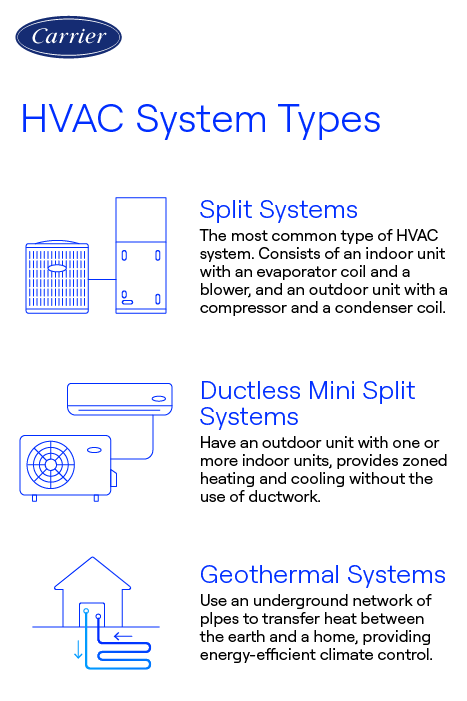
Furnaces heat air and blow it through ducts. They usually run on gas, oil, or electricity. The warm air moves through vents into rooms.
Boiler Features
Boilers heat water to provide warmth. The hot water or steam travels through pipes to radiators or floor systems. Boilers often use gas or oil.
| Boiler Type | Heat Transfer | Common Fuel |
|---|---|---|
| Hot Water Boiler | Circulates hot water | Gas, Oil |
| Steam Boiler | Uses steam for heat | Gas, Oil |
| Electric Boiler | Heats water electrically | Electricity |
Heat Pump Characteristics
Heat pumps move heat from outside to inside. They work well in moderate climates. Heat pumps can also cool your home in summer.
Electric Heating Options
Electric heating uses electricity to create heat. Common types include baseboard heaters, electric furnaces, and radiant floor heating.
- Baseboard heaters warm rooms quietly.
- Electric furnaces heat air and use ducts.
- Radiant floors heat from the ground up.
Spotting Your Heating System
Knowing what type of heating system you have helps with maintenance and repairs. It also helps you understand how your home stays warm.
This guide will show you how to spot your heating system by looking at the main unit, thermostat, and vents or radiators.
Locating The Main Unit
The main heating unit is the heart of your system. It could be a furnace, boiler, heat pump, or electric heater.
Check places like basements, closets, utility rooms, or garages to find the main unit.
- Furnace: looks like a large metal box with vents on top or sides
- Boiler: often a tank with pipes running to radiators or baseboards
- Heat pump: usually outside the house like an air conditioner unit
- Electric heater: smaller box, often mounted on walls
Checking The Thermostat
The thermostat controls your heating system. It shows what type of system you have.
Look at the settings and labels on the thermostat to learn more.
- Digital thermostat: may show “heat pump” or “furnace” options
- Dial thermostat: often used with older systems like boilers or electric heaters
- Smart thermostat: connects to Wi-Fi and can control many types of heating
Inspecting Vents And Radiators
Vents and radiators deliver warm air or heat to your rooms. Their style can tell you about your heating system.
Look closely at the vents or radiators to spot the type of heat they carry.
- Warm air vents: usually connected to a furnace or heat pump
- Radiators: metal units that heat rooms with hot water or steam from a boiler
- Baseboard heaters: long units along walls, often electric or hot water
Fuel Types Explained
Heating systems use different fuels to warm your home. Knowing your fuel type helps with maintenance and costs.
This guide explains common fuel types found in home heating systems. Learn how each fuel works and its features.
Natural Gas Systems
Natural gas is a popular fuel for heating. It comes through pipes directly to your home.
These systems heat air or water using a gas burner. They are efficient and heat quickly.
Oil-fired Heating
Oil heating uses fuel oil stored in a tank. A burner heats the oil to warm your home.
- Requires regular oil delivery
- Works well in cold climates
- Needs more maintenance than gas
- Can produce strong odors
Electric Heating
Electric systems use electricity to create heat. They come in many forms like baseboards or heat pumps.
| Type | Description |
| Baseboard Heaters | Warm air by heating metal fins |
| Heat Pumps | Move heat from outside to inside |
| Electric Furnaces | Use electric coils to heat air |
Propane And Other Fuels
Propane is stored in tanks and burned to produce heat. Other fuels include wood and pellets.
Common features of propane and other fuels:
- Propane is portable and used where gas lines are absent.
- Wood and pellet systems need manual loading.
- These fuels can be less convenient but cost-effective.
Credit: www.carrier.com
System Components To Identify
Knowing your heating system parts helps you find out what type you have. Different systems use different components to heat your home.
Look at key parts like ducts, pipes, and thermostats. These clues make it easier to identify your heating system.
Ductwork And Air Handlers
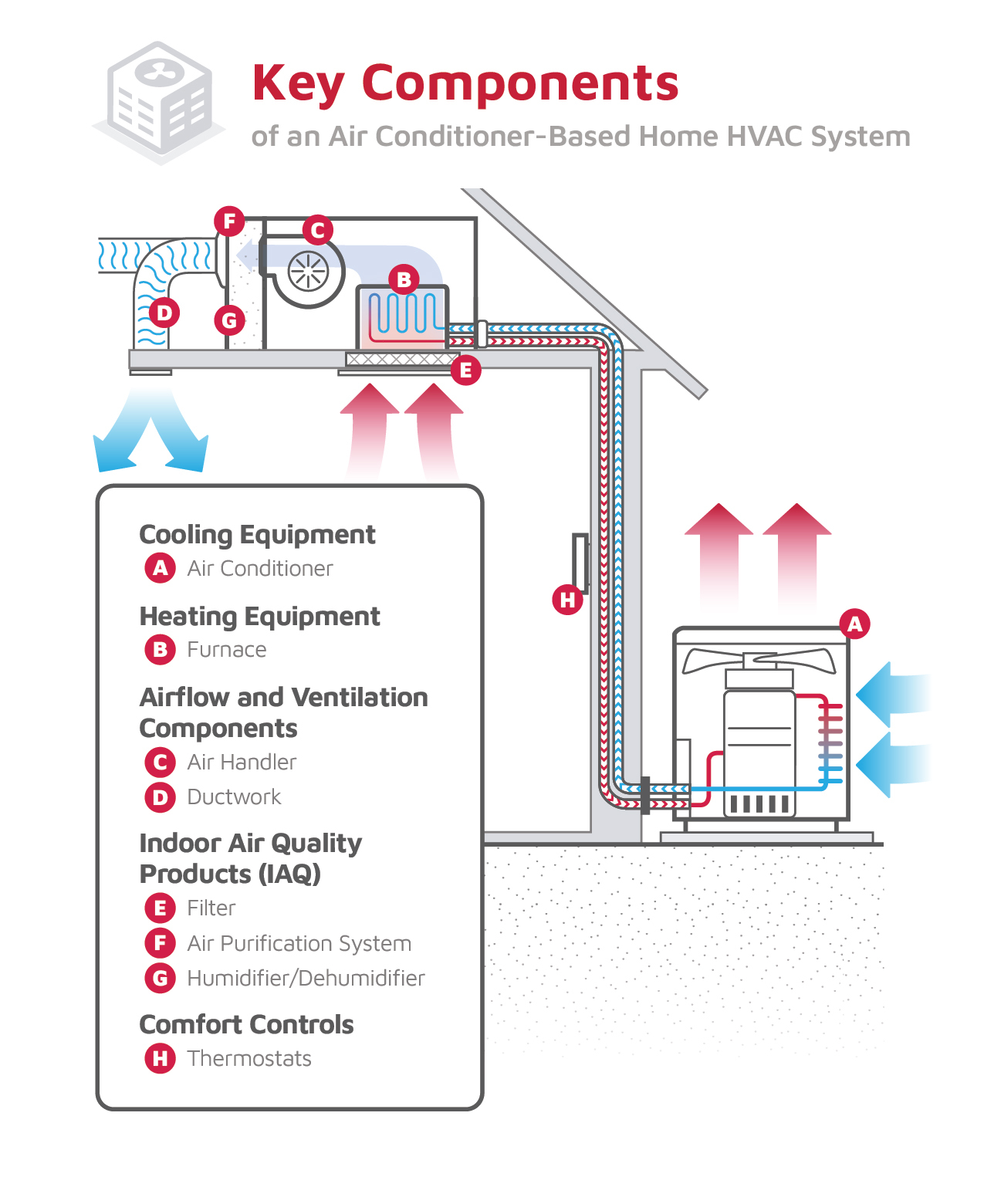
Ductwork moves warm air from the heating system to rooms. It looks like metal or flexible tubes inside walls or ceilings.
The air handler is a large box that pushes air through the ducts. It often sits near the furnace or inside a closet.
- Ducts are usually metal or flexible plastic tubes
- Air handlers contain a blower fan
- They work together to spread warm air
Pipes And Radiators
Some systems use hot water or steam to heat your home. Look for metal pipes running along walls or floors.
Radiators are metal units that give off heat. They are connected to the pipes and usually sit near walls or under windows.
- Pipes carry hot water or steam
- Radiators release heat into rooms
- This system feels warm even without air blowing
Thermostat Styles
The thermostat controls your heating system. It lets you set the temperature you want indoors.
Thermostats come in simple and digital styles. Mechanical ones have a dial or lever. Digital ones have buttons and a screen.
- Mechanical thermostats have a round dial
- Digital thermostats show numbers and buttons
- Smart thermostats connect to Wi-Fi for remote control
Signs Of System Age And Efficiency
Knowing the age and efficiency of your heating system helps you decide when to repair or replace it. Older systems often use more energy and cost more to run.
Pay attention to sounds, smells, energy bills, and maintenance history. These clues show how well your system works and if it needs care.
Noises And Smells
Strange noises like banging, clanking, or squealing can mean your system is old or parts are failing. Odd smells, such as burning or gas odors, are signs of trouble.
- Banging or clanking may show loose parts
- Squealing often means worn belts or motors
- Burning smells can indicate electrical issues
- Gas smells require immediate attention
Energy Bills And Usage
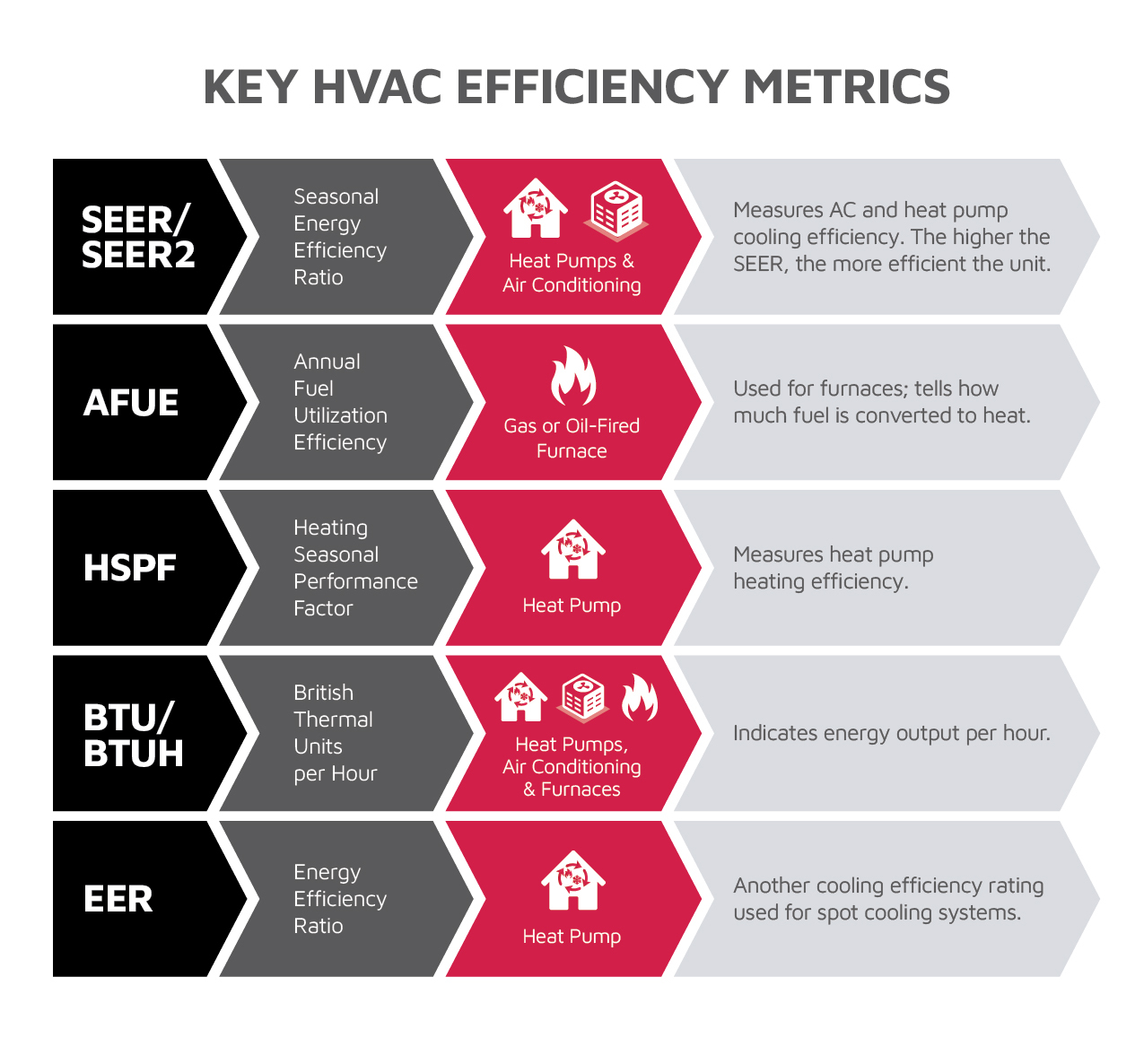
Older heating systems use more energy than newer ones. If your bills rise without using more heat, your system may be losing efficiency.
Watch for steady increases in energy costs during cold months. This can mean your system needs repair or replacement.
- Higher bills with no usage change suggest inefficiency
- Frequent short cycles waste energy
- Uneven heating means system is struggling
Maintenance History
Regular maintenance keeps your heating system running well and saves energy. Check how often your system was serviced and if parts were replaced.
Missed or late maintenance can reduce system life and performance. Keep records to spot patterns and decide on repairs.
- Regular filter changes improve air flow
- Clean burners and ducts boost efficiency
- Old parts may need replacement soon
- Documented repairs help track system health
Credit: www.lennox.com
When To Call A Professional
Knowing when to call a professional for your heating system is important. It keeps your home safe and warm.
Some issues need expert help to fix. This guide helps you spot those times.
Safety Concerns
Heating systems can be dangerous if they have problems. You should call a pro if you smell gas or hear strange noises.
Carbon monoxide leaks are a serious risk. A professional can test and fix these issues safely.
- Gas or burning smell near the heater
- Loud banging or rattling sounds
- Yellow or flickering pilot light
- Symptoms of carbon monoxide poisoning (headache, dizziness)
System Malfunctions
If your heating system stops working or works poorly, call a professional. They can find the cause and fix it fast.
Do not try to repair electrical or gas parts yourself. Mistakes can cause bigger damage or injury.
- Heater does not turn on
- Uneven heating in different rooms
- Frequent cycling on and off
- Unusual smells or smoke
Upgrades And Replacements
When your system is old, a professional can help decide if it needs upgrades or replacement. This can save money on bills.
Experts can also install new systems safely and correctly. This keeps your home comfortable and efficient.
- System is over 15 years old
- Heating bills are rising without reason
- Frequent repairs are needed
- New technology offers better efficiency
Credit: www.lennox.com
Frequently Asked Questions
How Can I Identify My Home Heating System Type?
Check your thermostat and heating unit for labels or model numbers. Common types include furnaces, boilers, heat pumps, and electric heaters. Inspect vents, radiators, or ducts to help determine the system. Consult your HVAC manual or a professional for precise identification.
What Are The Signs Of A Gas Furnace Heating System?
A gas furnace typically has a burner assembly, a pilot light or electronic ignition, and a vent pipe. It produces warm air through ducts and vents. You may smell a faint gas odor or hear a humming sound when it’s running.
How Do I Know If I Have A Heat Pump System?
Heat pumps transfer heat between indoors and outdoors using a compressor. They provide both heating and cooling. Look for an outdoor unit resembling an air conditioner and an indoor air handler. Heat pumps are energy-efficient and work well in moderate climates.
What Distinguishes A Boiler Heating System From Others?
Boilers heat water to produce steam or hot water for radiators or baseboards. They don’t use forced air or ducts. If your system has pipes and radiators instead of vents, it’s likely a boiler. Boilers provide consistent, comfortable heat.
Conclusion
Understanding your heating system is important for comfort and efficiency. Different systems offer unique benefits. Gas furnaces are common and cost-effective. Electric heat pumps provide energy efficiency. Boilers give consistent warmth. Identify your system type for better maintenance. Regular checks ensure safety and longevity.
Consult professionals for expert advice. They can guide you on upgrades or repairs. Proper care extends your system’s life. Stay warm and cozy by knowing what heats your home. Your comfort depends on choosing and maintaining the right system. Keep these tips in mind for a warm winter season.