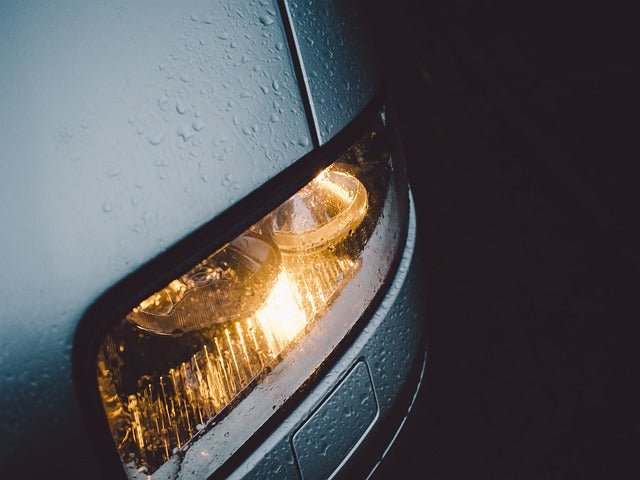
Have you ever noticed your car headlights looking foggy or filled with moisture? It’s frustrating and can even reduce how well you see at night.
But what if you could clear that moisture without having to open up your headlights or spend hours fixing them? You’ll discover simple and effective ways to remove moisture from your car headlights quickly and easily. Keep reading to learn how to get your headlights shining bright again—without any complicated tools or costly repairs.
Causes Of Moisture In Headlights
Moisture inside car headlights can reduce visibility and damage the light. Understanding why moisture gets trapped helps prevent it.
This guide explains common causes of moisture build-up in headlights without opening them.
Common Entry Points
Water can enter headlights through small openings or damage. These entry points allow moisture to get inside and cause fogging.
- Cracks in the headlight lens or housing
- Damaged or worn-out seals around the headlight
- Loose or missing screws and fasteners
- Poorly sealed bulb sockets
- Blocked or clogged drainage holes
Impact Of Temperature Changes
Temperature changes cause air inside headlights to expand and contract. This process leads to moisture build-up inside the lens.
| Temperature Effect | Result |
| Warm air inside headlight cools down | Condensation forms on the inner lens surface |
| Cold air outside heats up | Air expands, pushing moisture inside |
| Rapid temperature swings | Increased risk of fogging and moisture |

Credit: www.reddit.com
Risks Of Moisture Buildup
Moisture inside car headlights can cause several problems. It affects the light’s performance and may harm the car’s electrical parts.
Understanding these risks helps you keep your headlights clear and working well without opening them.
Reduced Light Efficiency
Moisture inside the headlight makes the glass foggy or cloudy. This reduces the brightness of the light. It becomes harder to see at night or in bad weather.
- Foggy headlights lower visibility on the road.
- Moisture scatters light, weakening the beam.
- Reduced light can increase the risk of accidents.
- Headlights may look dull and dirty even after cleaning.
Potential Electrical Damage
Water inside the headlight can reach electrical parts. This can cause short circuits or corrosion. Electrical damage may lead to headlight failure or other car issues.
| Risk | Effect | Possible Result |
| Short Circuit | Electric current flows incorrectly | Headlight stops working |
| Corrosion | Metal parts rust and break | Expensive repairs needed |
| Connector Damage | Loose or broken connections | Intermittent light operation |
Quick Fixes Without Opening
Moisture inside car headlights can reduce visibility and cause fogging. You do not always need to open the headlight to fix this issue.
Here are some simple and quick ways to remove moisture from your headlights without opening them.
Using A Hair Dryer Safely
A hair dryer can help evaporate moisture inside the headlight. Use it carefully to avoid damage.
- Set the hair dryer to a low or medium heat setting.
- Hold the dryer about 6-8 inches away from the headlight lens.
- Move the dryer slowly around the headlight surface for 5 to 10 minutes.
- Do not keep the dryer in one spot for too long to avoid heat damage.
- Turn off the dryer and check if the moisture has disappeared.
Applying Silica Gel Packs
Silica gel packs absorb moisture efficiently. You can place them near the headlight to reduce dampness inside.
| What You Need | How to Use |
|---|---|
| Silica gel packs | Place them close to the headlight or inside the engine bay near the light. |
| Seal or tape | Use to secure the packs so they stay in place. |
| Check regularly | Replace silica packs when they become saturated. |
Parking In Direct Sunlight
Parking your car in direct sunlight helps warm the headlights and dries out moisture inside.
- Choose a sunny spot for your car during the day.
- Leave the car parked for at least 30 minutes to an hour.
- Sun heat helps evaporate trapped water inside the headlight lens.
- This method works best on warm, dry days.
Preventive Measures
Moisture inside car headlights can reduce visibility and damage the light. Taking preventive steps helps keep your headlights clear without opening them.
Here are some easy ways to stop moisture from building up in your car headlights.
Sealing Headlight Edges
Sealing the edges of your headlights stops water from entering. Use a high-quality sealant made for automotive use. Make sure the surface is clean and dry before applying the sealant.
- Clean the headlight edges carefully
- Apply the sealant evenly along all edges
- Let the sealant dry fully before driving
- Check the sealant each season and reapply if needed
Regular Inspection For Cracks
Inspect your headlights often to find cracks or damage early. Small cracks let moisture inside and cause fogging.
| Type of Damage | Signs to Look For | Action |
| Small Cracks | Thin lines or spider web patterns | Seal or replace headlight cover |
| Loose Fitting | Headlight wobbles or gaps | Tighten screws or reseal edges |
| Water Drops Inside | Visible condensation or fog | Check for cracks and seal edges |
Using Protective Coatings
Protective coatings block moisture and dirt. They also keep the headlight surface smooth and clear. Use coatings made for car headlights.
Follow these tips for applying protective coatings:
- Clean the headlight thoroughly before applying.
- Apply the coating in thin, even layers.
- Allow each layer to dry completely.
- Reapply the coating every few months.
When To Seek Professional Help
Moisture inside car headlights can cause problems. Sometimes, it clears up on its own. Other times, it needs expert attention.
Knowing when to get professional help saves time and protects your car. Here are signs to watch for.
Persistent Moisture Issues
If moisture stays inside your headlights after drying attempts, it is a problem. Constant fogging can reduce light output and damage parts.
Professionals have tools to fix seals and remove moisture fully. They can stop water from coming back.
- Moisture returns after cleaning
- Condensation stays for days
- Light brightness seems lower
Visible Damage Or Leaks
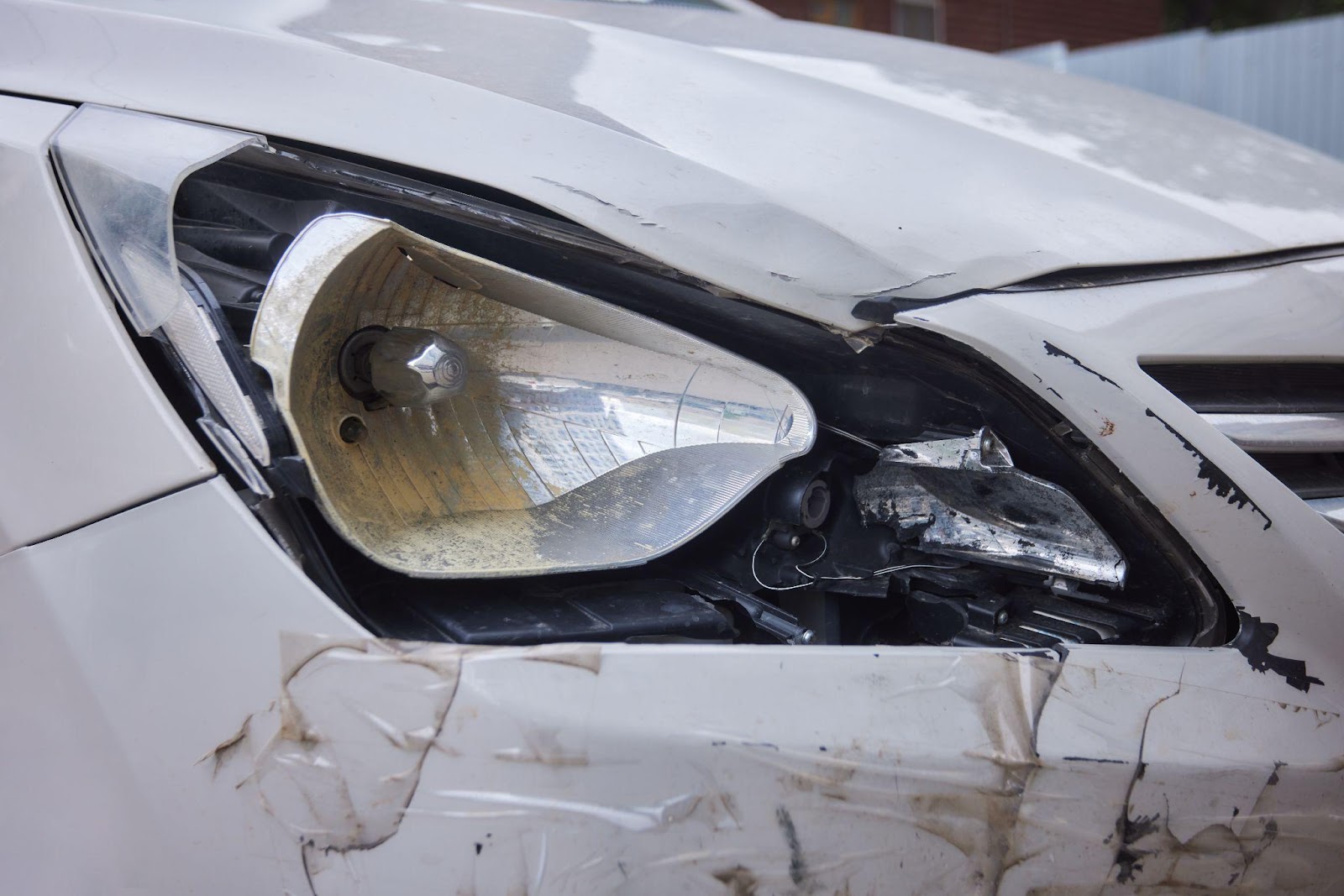
Cracks or broken seals let water inside headlights. You might see water drops or wet spots inside the lens.
These damages need professional repair or part replacement. Fixing this prevents bigger issues like electrical damage.
- Cracks on the headlight lens
- Damaged or loose seals
- Water pooling inside the light
Credit: www.mazda3revolution.com
Credit: vlandshop.com
Frequently Asked Questions
How Can I Remove Moisture From Headlights Without Opening Them?
You can use silica gel packs or a hairdryer on low heat to remove moisture. These methods absorb or evaporate the water safely without disassembling the headlight.
Why Does Moisture Build Up Inside Car Headlights?
Moisture forms due to condensation when warm air meets cold headlight surfaces. Poor seals or cracks allow water to enter, causing fogging inside the headlight lens.
Can Sunlight Help Dry Out Foggy Headlights?
Yes, parking your car in direct sunlight can help evaporate moisture inside headlights naturally. Sunlight warms the headlight, speeding up the drying process without causing damage.
Is Using A Hairdryer Safe For Removing Headlight Moisture?
Using a hairdryer on low heat is safe and effective. Keep the dryer moving to avoid overheating and damaging the headlight plastic or seals.
Conclusion
Removing moisture from car headlights is simple with the right steps. No need to open the headlight. Basic household items can help solve this issue. Silica gel, a hairdryer, or a simple sun exposure can work wonders. Regular checks prevent moisture build-up in the future.
This keeps your headlights clear and functioning well. Remember, clear headlights ensure safer driving. Try these methods today. Keep your headlights bright and your drives safe. A small effort can make a big difference. Happy driving!