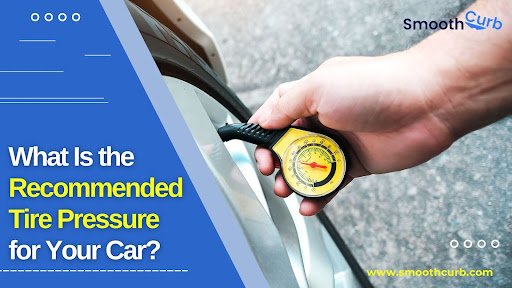
Have you ever wondered if your car’s tire pressure is just right? Getting the right tire pressure is more important than you might think.
It affects your safety, fuel efficiency, and how smoothly your car drives. If your tires are too soft or too hard, it can lead to problems on the road and even cost you extra money. You’ll discover exactly what a good tire pressure is for your car and how to keep it at the perfect level every time.
Keep reading to protect your ride and save money!

Credit: www.reddit.com
Ideal Tire Pressure Range
Keeping the right tire pressure helps your car run safely and smoothly.
Tire pressure affects fuel use, tire wear, and driving comfort.
Recommended Psi For Most Cars
Most cars need tire pressure between 30 and 35 PSI. This range fits many passenger cars.
- Smaller cars often need about 30 PSI.
- Midsize cars usually require 32 to 35 PSI.
- Heavier cars may need slightly more than 35 PSI.
Factors Influencing Tire Pressure
Several things change the best tire pressure for your car.
| Factor | Effect on Tire Pressure |
| Temperature | Cold lowers pressure; heat raises it |
| Load | More weight needs higher pressure |
| Driving Speed | High speed may require more pressure |
| Tire Type | Different tires have different pressure needs |
Manufacturer Guidelines
Car makers give specific tire pressure numbers to follow.
- Check the sticker inside the driver’s door for exact PSI.
- Use the recommended pressure even if tire sidewall shows a different number.
- Adjust pressure for heavy loads as the manufacturer suggests.
- Check pressure regularly to keep it safe and efficient.

Credit: etenwolf.com
Checking Tire Pressure
Keeping the right tire pressure is important for car safety and fuel efficiency.
You should check your tire pressure regularly to avoid problems on the road.
Using A Tire Pressure Gauge
A tire pressure gauge helps you measure the air pressure inside your tires accurately.
- Remove the valve cap from the tire.
- Press the gauge onto the valve stem firmly.
- Read the pressure shown on the gauge.
- Compare it with the recommended pressure found in your car manual.
- Replace the valve cap after checking.
When To Check Pressure
Check your tire pressure at least once a month and before long trips.
| Time | Reason |
| Cold morning | Pressure is more accurate |
| Before long drives | Ensures safety and performance |
| After temperature drops | Cold air lowers tire pressure |
Common Mistakes To Avoid
People often make simple errors that lead to wrong tire pressure readings.
- Checking pressure when tires are hot from driving.
- Using a broken or old tire pressure gauge.
- Forgetting to replace valve caps after checking.
- Not checking all tires, including the spare.
- Ignoring the recommended pressure on the car label.
Effects Of Incorrect Tire Pressure
Maintaining the right tire pressure is important for your car’s safety and performance. Wrong tire pressure can cause many problems.
It affects how your car drives, how much fuel you use, and how long your tires last. Let’s look at the main effects.
Impact On Safety
Incorrect tire pressure can make driving dangerous. Too low or too high pressure reduces tire grip on the road.
This increases the chance of accidents, especially in bad weather. Tires with wrong pressure also heat up more, which may cause blowouts.
- Lower pressure can cause tire blowouts
- Higher pressure reduces road contact
- Both lower braking ability
- Increase risk of slipping or skidding
Fuel Efficiency And Tire Wear
Wrong tire pressure makes your car use more fuel. Tires with low pressure create more rolling resistance.
This means the engine works harder and burns extra fuel. Tires also wear unevenly and get damaged faster with bad pressure.
- Low pressure lowers fuel efficiency
- High pressure causes uneven tire wear
- Underinflated tires wear on edges
- Overinflated tires wear in the center
Handling And Performance Issues
Incorrect tire pressure changes how your car handles. Low pressure makes the steering feel soft and slow.
High pressure can make the ride harsh and reduce traction. Both can cause poor cornering and less control on turns.
- Low pressure reduces steering response
- High pressure causes a bumpy ride
- Both reduce road traction
- Can cause uneven braking and control
Adjusting Tire Pressure
Keeping the right tire pressure is important for safety and fuel efficiency.
You should check and adjust tire pressure regularly to avoid problems on the road.
How To Inflate Tires Properly
Use a reliable pressure gauge to check the tire pressure before inflating.
- Remove the valve cap from the tire.
- Press the gauge onto the valve stem firmly.
- Note the pressure reading on the gauge.
- Add air if the pressure is below the recommended level.
- Check pressure again after inflating.
- Replace the valve cap securely.
Deflating Tires Safely
Lower tire pressure carefully when the tires have too much air.
- Use the tip of a key or tool to press the valve stem pin.
- Release air slowly to avoid sudden pressure drops.
- Check pressure often during deflation.
- Stop releasing air once you reach the correct pressure.
- Replace the valve cap after deflating.
Pressure Adjustments For Different Conditions
Tire pressure needs changes based on weather, load, and driving surface.
| Condition | Recommended Adjustment |
|---|---|
| Hot Weather | Reduce pressure by 2-3 psi |
| Cold Weather | Increase pressure by 2-3 psi |
| Heavy Load | Increase pressure by 3-5 psi |
| Off-road Driving | Lower pressure slightly for better grip |
Special Considerations
Keeping the right tire pressure is very important for safety and tire life. Some situations need special attention to tire pressure.
Check your tire pressure often, especially if you face unusual driving conditions. Adjusting pressure helps your car perform well.
Tire Pressure In Extreme Temperatures
Tire pressure changes with temperature. Cold weather lowers pressure, while hot weather raises it.
Check your tire pressure more often during winter and summer to keep it at the right level.
- Low temperatures can reduce pressure by 1 PSI for every 10°F drop.
- High temperatures can increase pressure, risking overinflation.
- Adjust pressure when tires are cold for accurate reading.
Pressure For Loaded Vehicles
Heavier loads put more stress on tires. Increase tire pressure to handle extra weight safely.
Check your car’s manual or tire sidewall for the right pressure when carrying heavy loads.
- Do not exceed the maximum pressure listed on the tire.
- Keep the pressure balanced on all tires.
- Recheck pressure after unloading the vehicle.
Seasonal Tire Pressure Tips
Season changes affect tire pressure and road conditions. Adjust pressure to match the season.
Regularly check tire pressure with the change of seasons for safer driving and longer tire life.
- Increase pressure slightly in winter for cold air contraction.
- Reduce pressure a bit in summer to avoid overinflation.
- Inspect tires for wear and damage seasonally.

Credit: www.reddit.com
Frequently Asked Questions
What Is The Ideal Tire Pressure For Most Cars?
The ideal tire pressure usually ranges between 30 to 35 psi. Check your car’s manual or the sticker inside the driver’s door for exact values. Proper pressure ensures safety, fuel efficiency, and tire longevity.
How Often Should I Check My Car’s Tire Pressure?
You should check tire pressure at least once a month. Also, check before long trips or when carrying heavy loads. Regular checks help maintain optimal performance and prevent tire damage.
Can Incorrect Tire Pressure Affect Car Safety?
Yes, incorrect tire pressure can reduce control and increase accident risk. Overinflated tires may wear unevenly, while underinflated tires can overheat and fail. Always maintain recommended pressure for safe driving.
What Happens If Tire Pressure Is Too High Or Low?
Too high pressure causes harsh ride and uneven tire wear. Too low pressure leads to poor fuel economy and tire overheating. Maintaining correct pressure balances comfort, safety, and tire durability.
Conclusion
Keeping the right tire pressure is essential for safety. It improves fuel efficiency and extends tire life. Always check your car’s manual for the recommended pressure. Use a reliable gauge to measure it regularly. Pay attention to temperature changes, as they can affect pressure.
Under-inflation or over-inflation can lead to problems. Remember, balanced tires mean a smoother ride. Take a moment to inspect your tires often. Safe travels depend on well-maintained tires. Stay informed and drive with confidence.