Is your air conditioner struggling to start or making strange noises? The culprit might be a faulty capacitor.
Knowing how to fix a capacitor on your air conditioner can save you time and money, and get your unit running smoothly again. In this guide, you’ll find simple, step-by-step instructions that anyone can follow—even if you’re not a tech expert.
By the end, you’ll feel confident handling this common issue yourself, avoiding costly repairs and long waits. Ready to bring cool comfort back to your home? Let’s get started.
Signs Of A Bad Capacitor
Common symptomsof a bad capacitor include the air conditioner not starting or running poorly. The fan may spin slowly or stop altogether. You might hear a humming noise from the unit. The AC might blow warm air instead of cool air. Another sign is the unit turning on and off frequently. Sometimes, a capacitor can bulge or leak fluid. These signs show the capacitor needs checking or replacement.
Safety precautionsare very important. Always turn off the power to the AC unit before touching any parts. Use a voltage tester to make sure no electricity is flowing. Wear insulated gloves to protect your hands. Avoid touching the terminals on the capacitor directly. Capacitors can hold a charge even when the power is off. Discharge the capacitor safely using a resistor or screwdriver with an insulated handle. If unsure, call a professional for help.
Tools And Materials Needed
Basic tools include a screwdriver, multimeter, and needle-nose pliers. A socket wrenchhelps remove bolts safely. Always use insulated glovesto prevent shocks. Have a replacement capacitorready. A wire cutterand electrical tapeare also useful for safe handling.
Pick a capacitor with the right microfarad (µF) rating. Check the old capacitor’s label for this number. Voltage rating must match or exceed the original. Choose a capacitor with the same temperature ratingfor safety. A round or ovalshape fits most AC units well.
Preparing For The Repair
Turn off powerat the main circuit breaker. This stops any electricity flow and keeps you safe. Discharge the capacitorbefore touching it. Use an insulated screwdriver to connect the terminals. This removes stored charge and avoids shocks.
Look for the capacitor inside the air conditioner’s outdoor unit. It is usually a small, round or oval part with wires attached. The capacitor stores energy to help the compressor and fan start. Check near the compressor or fan motor for a metal or plastic box.
Removing The Faulty Capacitor
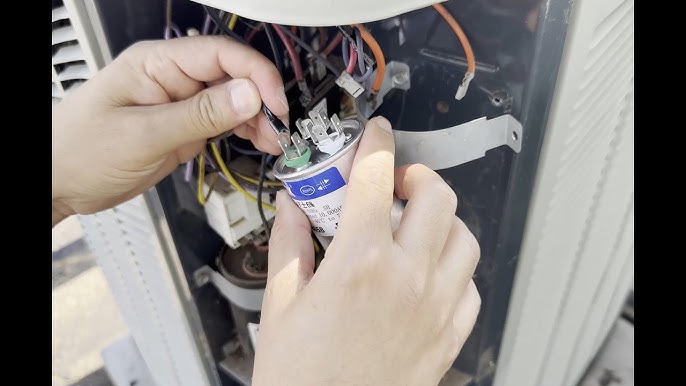
First, turn off the power to the air conditioner to stay safe. Use a screwdriver to remove the cover of the capacitor. The capacitor has several wires connected to it. Note where each wire connects before you remove them. Use a small tool or your fingers to gently pull the wires off the terminals. Never pull the wires by the cable; always pull by the connector.
After disconnecting all wires, check if the capacitor is held by a clip or bracket. Carefully release this clip or unscrew the bracket. Take the capacitor out slowly without touching the metal parts. Place it on a safe surface away from moisture and metal objects. This will prepare you to install the new capacitor easily.
Installing The New Capacitor
Always use a capacitor with the same voltage and microfarad ratingas the old one. Check the label on the capacitor for these details. Using the wrong specs can cause damage to the air conditioner.
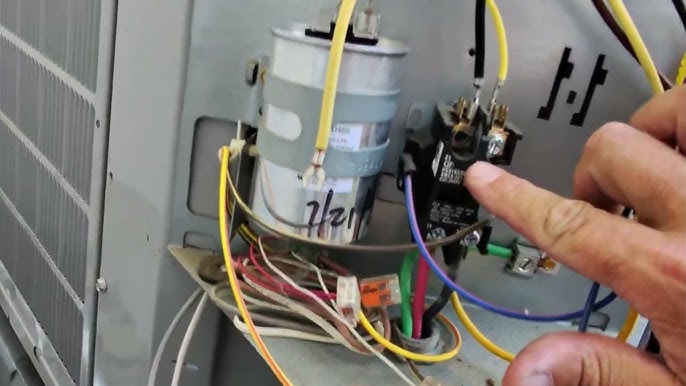
Connect the wires to the new capacitor exactly as they were on the old one. Each wire goes to a specific terminal, usually marked Cfor common, HERMfor the compressor, and FANfor the fan motor.
Make sure the connections are tight and secure. Loose wires can cause the unit to fail or be unsafe. Use a screwdriver to tighten any screws holding the wires.
Credit: www.youtube.com
Testing The Air Conditioner
Before testing, ensure the air conditioner is unpluggedto avoid shocks. Use a multimeterto check the capacitor’s voltage rating and condition.
To power on safely, plug the unit back in and set the thermostat lower than room temperature. Stand clear of the fan and compressor as they start.
- Listen for the compressor and fan running smoothly.
- Watch for any unusual noises or vibrations.
- Check if the unit cools the room effectively.
- Note any delays or failures to start.
These simple steps help confirm if the capacitor is working or needs replacement.
Maintenance Tips For Longevity
Regular inspections help spot small problemsbefore they get big. Check the capacitorfor bulges, leaks, or rust. Listen for any unusual soundsfrom the air conditioner. Look for loose wiresor connections around the capacitor. Clean the area to avoid dust build-up that can cause damage.
Preventive measures keep your air conditioner running well longer. Use a surge protectorto protect the capacitor from power spikes. Avoid turning the unit on and off too often to reduce stress on the capacitor. Keep the air filter clean to ensure good airflow. Schedule professional checks yearly to catch hidden issues early.

Credit: www.youtube.com

Credit: www.youtube.com
Frequently Asked Questions
How Do I Know If My Ac Capacitor Is Bad?
A bad capacitor often causes the AC to fail starting or cooling properly. Look for bulging, leaking, or a burnt smell. Use a multimeter to test capacitance. If readings are off, the capacitor likely needs replacement.
Can I Fix An Ac Capacitor Myself Safely?
Yes, but only if you understand electrical safety. Always disconnect power and discharge the capacitor before handling. Wear insulated gloves and use proper tools. If unsure, consult a professional to avoid injury or damage.
What Tools Are Needed To Replace An Ac Capacitor?
You will need a screwdriver, needle-nose pliers, and a multimeter. Also, have a replacement capacitor with matching microfarads rating. Safety gear like gloves and goggles is essential for protection during replacement.
How Much Does It Cost To Replace An Ac Capacitor?
Replacing a capacitor typically costs between $50 and $150. The capacitor itself is inexpensive, but labor costs can vary. DIY replacement saves money but requires caution and proper tools.
Conclusion
Fixing a capacitor can restore your air conditioner’s efficiency. With proper guidance, even beginners can handle this task. Safety should always be a priority. Always disconnect power before starting. Gather necessary tools and follow steps carefully. This helps in avoiding mistakes and ensures success.
Regular maintenance keeps your air conditioner running smoothly. Consider professional help if unsure about the process. A well-functioning air conditioner improves comfort at home. Stay cool and save money with a working capacitor. Keep learning and practicing for better results.
Your air conditioner will thank you for the care.