Are you wondering if you can put a window air conditioner in the wall? It’s a question many homeowners ask when looking for a cool, affordable way to beat the heat.
You might think it’s simple, but there are important things to consider before making the switch. You’ll discover the pros and cons, what you need to know about installation, and whether this idea really works for your space. Keep reading to find out if a wall-mounted window air conditioner is the right choice for you.

Credit: www.youtube.com
Window Ac Vs. Wall Ac
Window air conditioners fit into window spaces but can be installed in walls with proper support and sealing. Wall AC units are designed for permanent installation and often provide better insulation. Choosing the right type depends on your wall structure and cooling needs.
Key Differences
| Feature | Window AC | Wall AC |
|---|---|---|
| Installation | Fits in window frame | Mounted inside wall |
| Space | Uses window space | Does not block windows |
| Cost | Generally cheaper | More expensive upfront |
| Energy Efficiency | Standard efficiency | Often more efficient |
| Appearance | Visible outside window | More flush with wall |
Pros And Cons
- Window AC Pros:Easy to install, lower cost, portable between rooms.
- Window AC Cons:Blocks window view, less energy efficient, noise outside.
- Wall AC Pros:Saves window space, quieter outside, better energy use.
- Wall AC Cons:Higher installation cost, needs wall cut-out, less portable.
Credit: www.youtube.com
Feasibility Of Wall Installation
Installing a window air conditioner in the wall needs strong support. The wall must be thick enough and sturdy to hold the unit. Cutting a hole in the wall requires care to avoid damage to pipes or wires inside. Proper sealing around the unit is important to stop air leaks and keep bugs out.
Electrical needs include a dedicated power outlet near the unit. The outlet should match the air conditioner’s voltage and amperage requirements. Using an extension cord is not safe or recommended. Circuit breakers must handle the extra load to prevent power issues.
Preparing The Wall
Choose a wall that is strong and close to an electrical outlet.The wall should be free from pipes or wires. Make sure the location gets enough air flow outside.
Measure the air conditioner’s width, height, and depth. Mark these measurements on the wall. Use a level to draw straight lines. This helps cut a perfect opening.
Before cutting, check the wall material. Wood, brick, or concrete may need different tools. Wear safety gear like goggles and gloves while cutting.
Installation Steps
Secure the unit by fitting it tightly into the wall opening. Use brackets or screws to hold it in place. Make sure the air conditioner does not move or tilt.
Seal gaps around the unit with weatherproof caulk or foam. This stops air leaks and keeps the room cool. Add insulation around the edges for better energy saving.
Connect the power cord to a proper outlet. Use a dedicated circuit to avoid overloads. Check the voltage matches the air conditioner’s requirements. Test the unit to confirm it works well.
Common Challenges
Fitting a window air conditioner into a wall can be tricky due to size and support issues. Sealing gaps and ensuring proper insulation may also cause problems. Electrical connections often need careful handling to avoid safety risks.
Weight Support Issues
Window air conditioners can be heavy. Walls may not be built to hold this weight. This can cause damageto the wall or the air conditioner. Extra support, like a bracketor frame, might be needed. Without support, the unit can fall out or break.
Weatherproofing Concerns
Installing an air conditioner in a wall can let in airand water. This can cause leaksand make the room less warm or cool. Proper sealingand insulationare very important. Otherwise, energy costs can rise, and the air conditioner won’t work well.
Maintenance Tips
Regular cleaningkeeps the air conditioner running well. Remove the filterand wash it with warm water. Let it dry before placing it back. Clean the outsideof the unit with a soft cloth to avoid dirt buildup.
Winterizing protects the unit during cold months. Drain all waterto stop freezing inside. Cover the unit with a weatherproof coverto keep out dust and moisture. Store the remote control and any removable parts safely.
Alternative Cooling Options
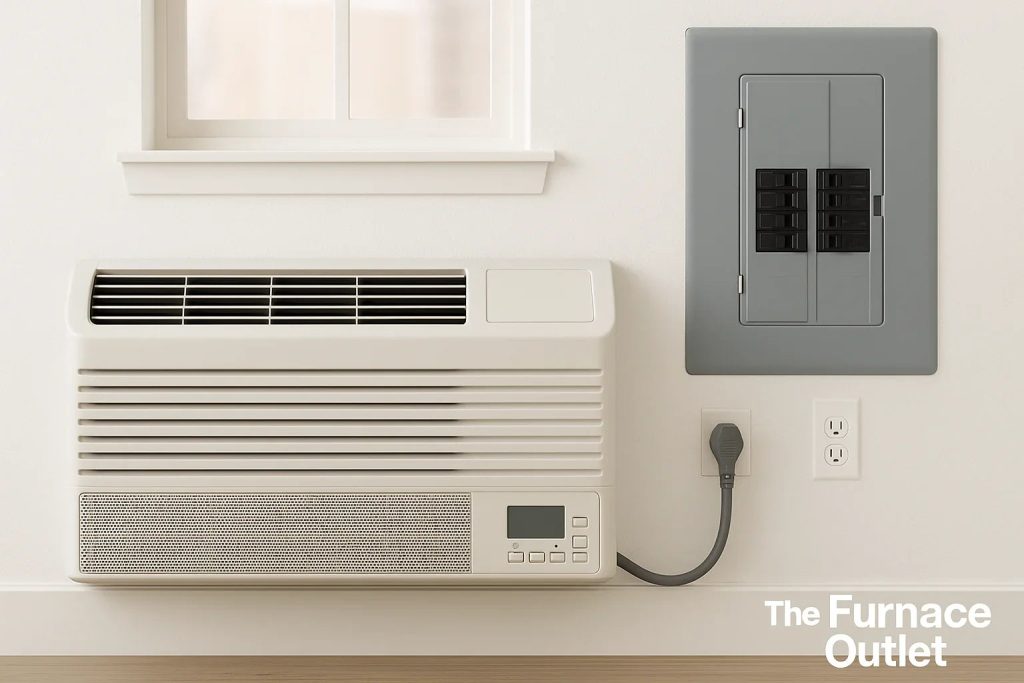
Through-the-wall AC unitsfit directly into a wall opening. They are built for this purpose, unlike window units. These units save window space and offer a clean look. Installation needs a hole in the wall, usually made by a professional. They cool rooms well and work quietly. These units often have better insulation, which keeps the room cooler.
Portable air conditionersare easy to move from room to room. They do not need permanent installation. These units need a window to vent hot air outside, using a hose. Portable ACs are good for renters or people who cannot install a wall or window unit. They are less efficient than fixed units but offer flexibility.

Credit: thefurnaceoutlet.com
Frequently Asked Questions
Can You Install A Window Ac In A Wall?
Yes, you can install a window AC in a wall. It requires a properly sized wall sleeve to support the unit. Wall installation offers a more secure and permanent setup compared to window mounting.
What Tools Are Needed For Wall Ac Installation?
You need a wall sleeve, drill, saw, level, measuring tape, and screws. Proper sealing materials like foam or caulk are essential to prevent air leaks. Safety gear like gloves and goggles is also recommended.
Is Wall Installation Better Than Window Installation?
Wall installation is more stable and secure than window mounting. It also frees up window space and improves insulation. However, it may require professional help and more initial effort.
Can All Window Ac Units Fit A Wall Sleeve?
Not all window AC units fit wall sleeves. You must check the unit’s dimensions and the sleeve size. Some units are designed specifically for wall installation, ensuring compatibility.
Conclusion
Installing a window air conditioner in the wall is possible. Consider the wall’s strength and dimensions first. Ensure proper fit and support. Check for electrical wiring and plumbing. Avoid any potential damage. Use a wall sleeve for secure installation. This prevents air leaks and provides stability.
Seek professional help if unsure. Experts ensure safe and effective installation. Remember, careful planning avoids future issues. A well-installed unit offers comfort. Stay cool and enjoy your space.