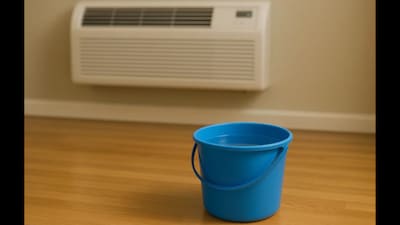
Have you ever wondered if your central air conditioner uses water to cool your home? It’s a common question that many homeowners have but few get clear answers to.
Understanding how your AC works can help you save money, reduce energy use, and avoid surprises on your utility bills. You’ll discover the role water plays in central air conditioning systems—if any—and what that means for your comfort and home care.
Keep reading to get the facts that every homeowner should know.

Credit: www.evapolar.com
How Central Air Conditioners Work
Central air conditioners cool air using a simple cooling process. Air passes over cold coils inside the unit. The coils absorb heat from the air, making it cooler. This cooled air then flows through the house, lowering the indoor temperature.
The refrigerantis a special fluid that moves inside the system. It carries heat from inside the house to the outside. The refrigerant changes from liquid to gas and back, helping to move heat out efficiently.
| Step | Description |
|---|---|
| Heat Absorption | Warm air inside passes over cold refrigerant coils. |
| Refrigerant Cycle | Refrigerant absorbs heat and changes from liquid to gas. |
| Heat Release | Outside unit releases heat as refrigerant turns back to liquid. |
| Cool Air Circulation | Cooled air moves back inside to lower room temperature. |

Credit: top10gears.com
Common Myths About Water Usage
Central air conditioners do not use waterto cool the air. They work by moving heat from inside your home to the outside. The system uses a refrigerant, which changes from liquid to gas and back, to cool the air.
Some people worry about water use with air conditioners. This concern is not needed for central AC units. These systems mainly use electricity, not water, to operate.
Confusion happens because of evaporative coolers. These devices use water to cool the air, but they are different from central air conditioners. Evaporative coolers add moisture to the air and work best in dry climates.
- Central AC: uses refrigerant, no water needed.
- Evaporative cooler: uses water, adds moisture.
- Water use concerns mostly apply to evaporative coolers.
Facts About Water And Ac Systems
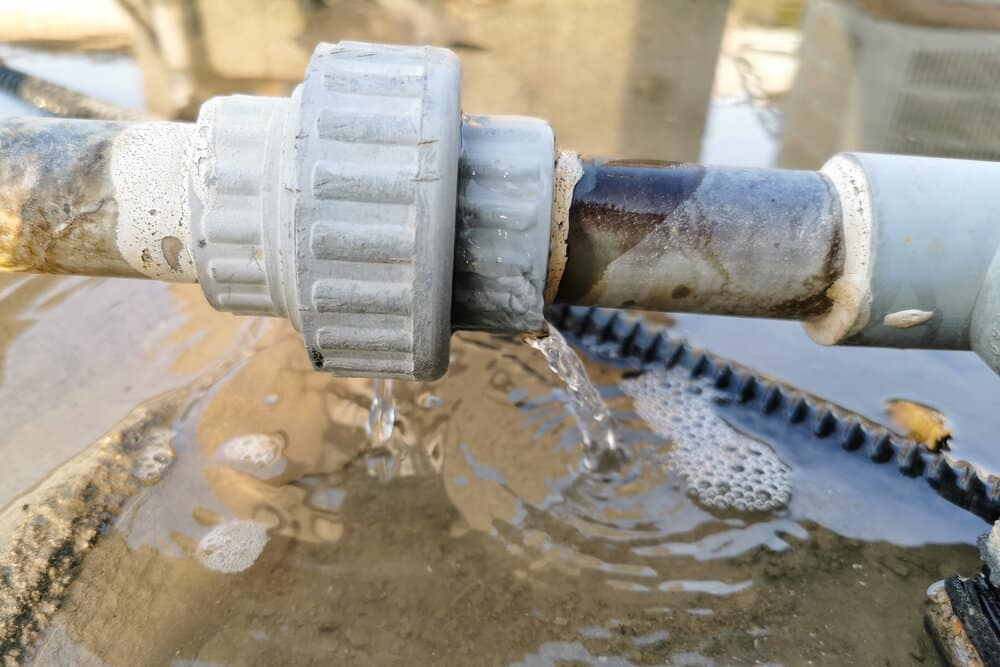
Central air conditioners do not use water to cool air directly. They create condensationas they remove heat from inside air. This water dripsfrom the indoor unit and drains away. It is a byproduct, not a water source.
Cooling towers, used in large buildings, use waterto remove heat from the system. Water circulates and cools the condenser coils. This process uses much more water than home AC units.
| AC Type | Water Usage |
|---|---|
| Central Air Conditioner | Does not use water directly; condensation produced |
| Cooling Tower Systems | Uses large amounts of water for cooling |
| Window/Portable AC Units | No direct water use; condensation drains out |
Credit: fischerheating.com
Impact Of Water Use On Efficiency
Central air conditioners usually do not use water directly for cooling. Most rely on refrigerantsand air to cool your home. Some systems, like evaporative coolers, use water but are different from standard central AC units.
Water and energy usecan affect the system’s efficiency. Systems that use water might need more energy to operate pumps and fans. This can increase energy consumptionand costs.
- Regular maintenance helps reduce water waste.
- Cleaning filters and coils keeps systems running well.
- Managing water use prevents leaks and damage.
Environmental impact depends on water source and usage. Using water-efficient systems helps save this precious resource. Some areas may have rules about water use for cooling. Choosing the right system can protect the environment.
Alternatives To Water-based Cooling
Air-cooled systems use air instead of water to cool buildings. They work by moving heat from inside to outside with fans. These systems need less water and are easier to maintain. They are common in many homes and offices.
Geothermal systems use the earth’s steady temperature to cool or heat a building. Pipes run underground carrying a fluid that absorbs heat. This method saves water and energy. It also lasts a long time with low upkeep.
New technologies focus on saving water in cooling. Some use less water or recycle it. Others combine air and water cooling to cut water use. These innovations help reduce water waste and keep homes cool.
Tips For Reducing Water Use In Cooling
Regular maintenance helps keep air conditioners efficientand saves water. Clean filters often to improve airflow. Check for leaks in pipes and seals. Make sure the system’s coils are clean. This helps the AC use less water and energy.
Choosing the right system can lower water use too. Look for models designed for water efficiency. Systems with sealed refrigerant loopsuse little or no water. Consider units with high energy star ratingsfor better performance.
- Install water-saving accessorieslike condensate recovery systems.
- Use drip irrigation with AC condensate for plants.
- Consider smart thermostatsto reduce unnecessary cooling.
- Use covers to protect outdoor units from rain and dust.
Frequently Asked Questions
Do Central Air Conditioners Consume Water Directly?
No, central air conditioners do not use water directly for cooling. They operate using refrigerants to absorb and release heat efficiently without water consumption.
How Do Central Air Conditioners Manage Moisture?
Central AC units remove humidity by condensing moisture from the air. This water is collected in a drain pan and expelled outside, not used in the cooling process.
Can Central Air Conditioners Cause Water Leakage?
Yes, water leakage can happen due to clogged drain lines or improper drainage. Regular maintenance prevents water buildup and potential leaks in central AC systems.
Is Water Needed For Central Air Conditioning Maintenance?
Water may be used during cleaning or servicing, but it is not required for the AC’s cooling function. Maintenance mainly involves checking refrigerants and filters.
Conclusion
Understanding central air conditioners is crucial for efficient use. They primarily rely on electricity, not water, for cooling. Recognizing this can help in energy savings and maintenance. Ensuring your system runs smoothly involves regular checks and filter changes. This boosts performance and extends its lifespan.
A well-maintained system offers comfort and reduces energy bills. Proper care makes cooling both effective and economical. So, keep your unit in top shape for the best results. Your comfort depends on it.