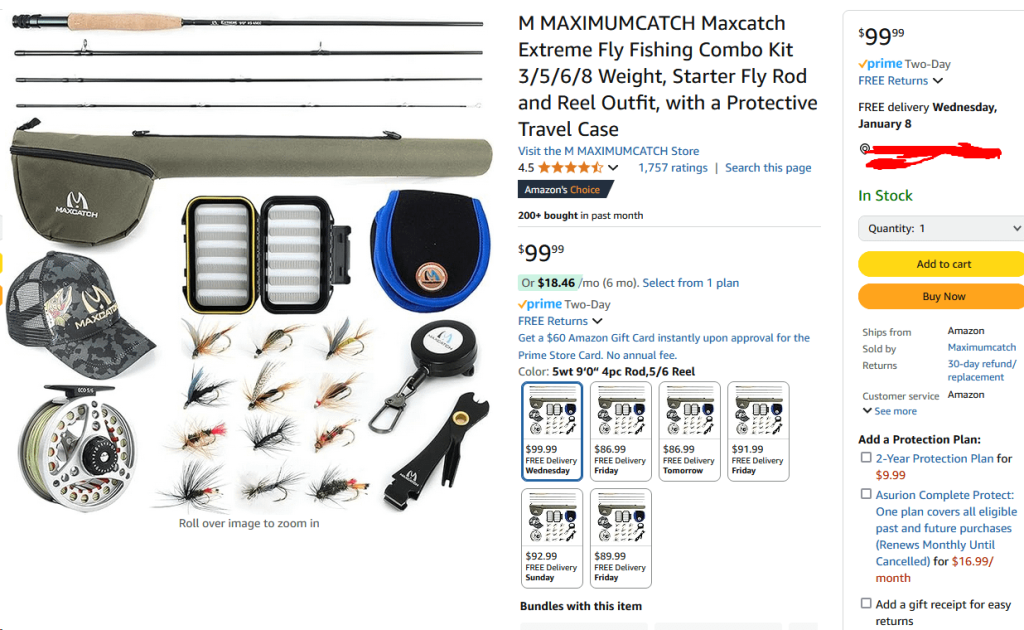
Setting up your fly fishing rod the right way can make all the difference between a frustrating day and an exciting catch. If you’ve ever felt unsure about how to put your gear together, you’re not alone.
But here’s the good news: with a few simple steps, you can have your rod ready and casting like a pro. In this guide, you’ll learn exactly what you need to do, from attaching the reel to tying the perfect knot.
Keep reading, and you’ll be one step closer to enjoying your next fishing trip with confidence and ease.
Choosing The Right Rod
Picking the right fly fishing rod is key to a good fishing trip. The rod affects how you cast and catch fish.
You need to think about the type of fishing and the kind of fish you want to catch. This helps you pick the best rod.
Types Of Fly Fishing Rods
There are several types of fly fishing rods. Each type fits different fishing styles and water conditions.
- Fast action rods bend near the tip and cast far.
- Medium action rods bend in the middle for better control.
- Slow action rods bend throughout the rod and are good for short casts.
- Two-handed rods are longer and used for big rivers and big fish.
Choose a rod type that matches where and how you want to fish.
Matching Rod Weight To Fish Species
Rod weight is a number that tells how heavy the rod is. It also shows what size fish it can handle.
Using the right rod weight helps you catch fish without breaking your rod or line.
| Fish Species | Recommended Rod Weight |
|---|---|
| Small Trout and Panfish | 2 to 4 weight rod |
| Medium Trout and Bass | 5 to 6 weight rod |
| Large Trout, Bass, and Salmon | 7 to 8 weight rod |
| Steelhead and Small Saltwater Fish | 9 to 10 weight rod |
| Big Saltwater Fish | 11 to 14 weight rod |
Pick a rod weight based on the fish you want to catch. This makes fishing easier and more fun.

Credit: www.reddit.com
Selecting The Reel
Choosing the right reel is important for fly fishing. It affects how you cast and fight fish.
The reel holds the line and helps balance the rod. Pick one that fits your fishing style.
Reel Sizes And Their Uses
Reels come in different sizes. Each size matches a rod and fishing condition.
- Size 1-3:Best for small fish and light lines.
- Size 4-6:Good for medium fish and general fishing.
- Size 7-9:Used for larger fish and heavier lines.
- Size 10+:Suited for big game and saltwater fishing.
Balancing Rod And Reel
Balance helps reduce arm fatigue and improves casting accuracy. A balanced rod and reel feel comfortable.
| Rod Weight | Recommended Reel Size | Balance Effect |
| 2-4 weight | Small reel (1-3) | Light and easy to handle |
| 5-7 weight | Medium reel (4-6) | Good control and comfort |
| 8-10 weight | Large reel (7-9) | Strong and stable |
Picking The Fly Line
Choosing the right fly line is key for setting up your fly fishing rod. The line helps you cast and control the fly in water.
There are many types of fly lines. Each suits different fishing styles and water conditions.
Floating Vs. Sinking Lines
Floating lines stay on the water surface. They are best for fishing near the top of the water.
Sinking lines go below the surface. They help reach fish that stay deep.
- Floating lines are easy to control and cast.
- Sinking lines come in different depths to reach various fish.
- Choose floating lines for dry flies and sinking for nymphs or streamers.
Line Weight And Rod Compatibility
Fly lines have weight ratings, like 5wt or 8wt. Your rod matches a specific line weight.
Using the right weight helps your rod cast smoothly. It also protects your rod from damage.
- Check your rod’s label for the recommended line weight.
- Match the fly line weight to your rod’s rating.
- Lighter lines suit small fish and streams.
- Heavier lines work well for big fish and strong currents.
Attaching The Reel To The Rod
Attaching the reel to the fly fishing rod is an important step. It ensures your reel stays secure while fishing. This guide explains how to do it properly.
Follow these simple instructions to attach your reel safely and check its alignment. A well-attached reel improves your fishing experience.
Securing The Reel Seat
The reel seat is the part of the rod that holds the reel firmly. To secure the reel seat, slide the reel foot into the seat slot.
- Place the reel foot in the seat with the locking rings loose.
- Slide the reel foot all the way into the seat.
- Tighten the locking rings by turning them clockwise.
- Make sure the reel feels tight and does not move.
- Do not overtighten, to avoid damaging the rod.
Checking For Proper Alignment
Proper alignment of the reel with the rod guides helps your line flow smoothly. Check alignment before you start fishing.
| Check Point | What to Do | Why It Matters |
| Reel Foot Position | Make sure the reel foot sits flat in the reel seat. | Prevents wobbling and keeps the reel steady. |
| Reel Spool Alignment | Align the spool with the rod guides in a straight line. | Ensures smooth casting and line retrieval. |
| Locking Rings | Tighten but avoid over-tightening. | Keeps the reel secure without damage. |
Threading The Fly Line
Setting up your fly fishing rod starts with threading the fly line properly. This process ensures smooth casting and control while fishing.
We will look at two key parts: running the line through the guides and handling the backing line.
Running Line Through Guides
Begin by pulling the fly line from the reel. Slowly thread it through each guide from the bottom to the tip. Take care not to twist the line during this process.
- Hold the rod steady with one hand.
- Use the other hand to pull the line gently from the reel.
- Pass the line through each guide, starting from the bottom closest to the reel.
- Check each guide to make sure the line runs smoothly.
- Once through all guides, pull enough line out for casting.
Handling The Backing Line
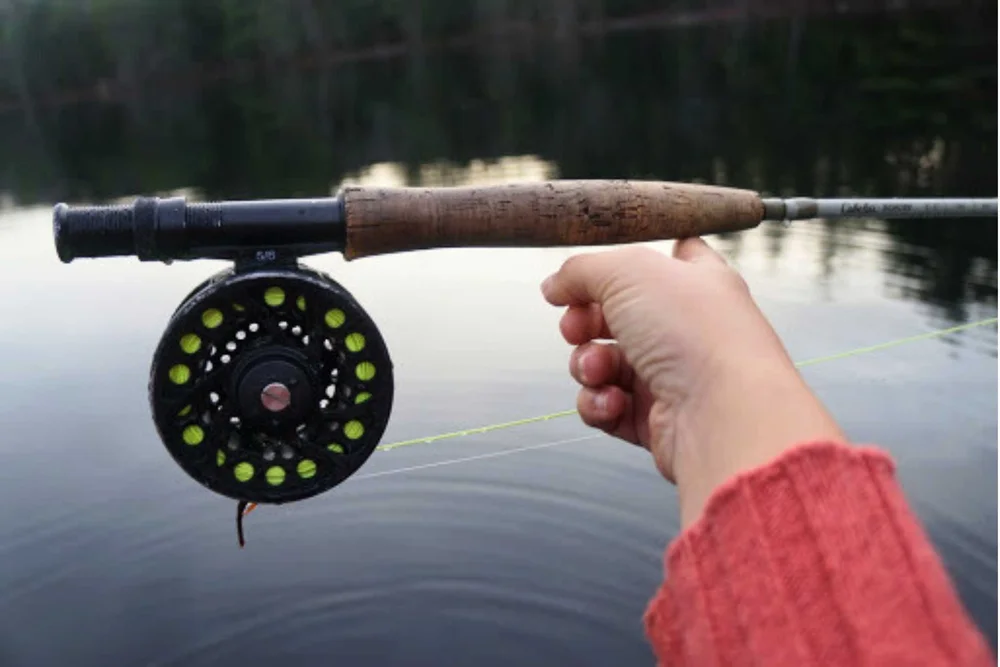
The backing line sits between the fly line and the reel spool. It provides extra line length for big fish. Attach the backing to the reel before the fly line.
| Backing Line Task | How to Handle |
| Attach to reel spool | Tie a strong knot like an arbor knot |
| Spool backing | Wrap evenly to avoid tangles |
| Connect to fly line | Use a nail knot or loop-to-loop connection |
| Check tension | Keep backing tight but not stretched |
Credit: www.treelinereview.com
Tying The Leader
Tying the leader is an important step in setting up your fly fishing rod. It connects your fly line to the fly and helps present the fly naturally.
This guide covers leader length and taper, plus common knots to attach your leader securely.
Leader Length And Taper
The leader usually ranges from 7 to 9 feet long. A longer leader helps present the fly softly and keeps fish from seeing the line.
Leaders taper from thick to thin. The thick end attaches to the fly line. The thin end attaches to the fly. This taper helps turn over the fly during casting.
- Short leaders suit small streams and close casting.
- Long leaders work better for larger rivers and cautious fish.
- Tapered leaders improve casting and fly presentation.
Common Knots For Leader Attachment
Using strong, reliable knots is key to prevent losing fish. Some knots work better for attaching leaders to fly lines or tippets.
| Knot | Use | Key Features |
| Improved Clinch Knot | Attach fly to leader | Simple and strong knot |
| Surgeon’s Knot | Join leader sections or tippet | Easy to tie and reliable |
| Loop-to-Loop | Connect leader to fly line | Allows free movement and easy changing |
| Albright Knot | Join leader to fly line or backing | Strong and smooth for casting |
Attaching The Fly
Attaching the fly to your fishing line is a key step in fly fishing. It helps the fly look natural in the water.
Use the right fly and knot to keep your fly secure. This improves your chances of catching fish.
Selecting The Right Fly
Choose a fly that matches the bugs fish eat in your fishing area. This makes the fly more effective.
Use flies that match the size and color of local insects. This helps fool the fish into biting.
- Dry flies for insects on the water surface
- Nymphs for underwater insect stages
- Streamers to mimic small fish or bait
Knot Techniques For Fly Attachment
Tie the fly to the leader with a strong, simple knot. The knot must hold tight but not damage the line.
The improved clinch knot is popular because it is easy and reliable for attaching flies.
- Thread the line through the fly’s eye
- Wrap the tag end around the main line 5-7 times
- Pass the tag end through the loop near the eye
- Pull tight and trim the tag end
Practice Casting Tips
Setting up a fly fishing rod is the first step for a good fishing day. Practicing casting helps you get better and catch more fish.
Learning the right motions and avoiding common mistakes makes casting easier and more fun.
Basic Casting Motions
Start by holding the rod with a relaxed grip. Keep your wrist firm but not stiff. Use smooth back and forth movements.
Lift the rod slowly to make the line go back. Then, push the rod forward smoothly to cast the line out.
- Keep your elbow close to your body
- Use your forearm to move the rod
- Pause briefly at the top of the back cast
- Make a smooth forward cast without rushing
- Let the line straighten before the next cast
Common Mistakes To Avoid
Many beginners cast too fast or use too much arm. This causes poor line control and weak casts.
Another mistake is not pausing at the top of the cast. This makes the line tangle or fall short.
- Do not grip the rod too tight
- Avoid using only your wrist to cast
- Don’t rush the back or forward cast
- Pause at the top to let the line stretch
- Keep the rod tip low for better control

Credit: www.youtube.com
Frequently Asked Questions
How Do I Assemble A Fly Fishing Rod Correctly?
To assemble a fly fishing rod, start by connecting the rod sections firmly. Next, thread the fly line through the guides. Attach the reel securely to the rod seat. Finally, tie the leader and tippet to the fly line for a complete setup.
What Type Of Fly Line Suits Beginners Best?
Weight-forward floating fly lines are ideal for beginners. They offer easier casting and better control. These lines help you learn casting techniques efficiently. They also work well in most freshwater fly fishing situations.
How Do I Attach The Reel To The Rod?
Slide the reel foot into the reel seat on the rod. Tighten the locking rings or screws to secure it. Ensure the reel is aligned with the guides. A firm attachment prevents wobbling during casting and retrieval.
Why Is Proper Fly Line Threading Important?
Correct line threading ensures smooth casting and accurate fly presentation. It prevents tangles and damage to the guides. Proper threading also enhances the rod’s sensitivity for better fish detection.
Conclusion
Setting up a fly fishing rod is simpler than it seems. Start with the right equipment. Follow each step patiently. Practice makes perfect, so don’t rush. Enjoy the process and learn. Soon, you’ll cast like a pro. Remember, each trip improves your skills.
Fishing offers peace and joy. So, grab your rod and hit the water. Feel nature’s calm and thrill. Happy fishing!