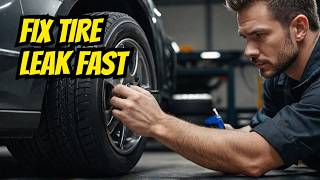
Is your car tire losing air but you’re not sure why? A slow leak can be tricky—it might not cause immediate trouble, but over time, it can leave you stranded or damage your tire.
You don’t have to rush to the mechanic or buy a new tire right away. With a few simple tools and easy steps, you can fix that slow leak yourself and get back on the road safely. Keep reading to discover how to spot the problem and repair your tire quickly, so you can save time, money, and stress.

Credit: www.youtube.com
Identifying A Slow Leak
A slow leak in a car tire can cause the tire to lose air over time. It may not be easy to notice right away. Finding a slow leak early helps keep your tire safe and working well.
There are certain signs you can look for to spot a slow leak. You can also use some simple tools to help detect it. Learning these tips can save you money and prevent tire damage.
Signs Of A Slow Leak
A slow leak often shows small changes in your tire’s condition. Watch for these signs to catch the leak early.
- Your tire looks flatter than usual
- You need to add air frequently
- Your car pulls to one side while driving
- You hear a faint hissing sound near the tire
- You see visible damage like nails or cracks on the tire
Tools To Detect Leaks
Some tools can help you find slow leaks quickly and easily. These tools make it easier to spot where air escapes from the tire.
- A tire pressure gauge to check tire pressure regularly
- Soapy water solution to spot bubbles forming on the tire surface
- Spray bottle to apply the soapy water evenly
- Flashlight to see small holes or punctures clearly
- Portable air compressor to refill air after detection
Gathering Necessary Tools
Fixing a car tire with a slow leak needs the right tools. Having these tools ready saves time and effort.
Gathering tools before you start helps you work safely and efficiently. You will feel more confident fixing the tire.
Essential Repair Kit Items
You need some basic tools to fix a slow tire leak. These items help you find the leak and seal it properly.
- Tire pressure gauge to check air levels
- Tire plug kit for sealing small holes
- Rubber cement or sealant to secure plugs
- Valve core tool to remove the valve core
- Pliers to pull out any nails or debris
- Air compressor or pump to refill the tire
These tools form a basic kit. You can fix most slow leaks with just these items.
Optional Tools For Convenience
Optional tools make fixing the tire easier and faster. They are not required but can be helpful.
- Jack and lug wrench to remove the tire
- Work gloves to protect your hands
- Flashlight for better visibility in dark places
- Soapy water spray to find leaks by bubbles
- Marker to mark the leak spot
- Rasp tool to clean the hole before plugging
These tools are good to have if you fix tires often. They improve safety and speed up the repair.
Locating The Leak
Fixing a slow leak in a car tire starts with finding the exact spot where air escapes. This can save time and help you repair the tire correctly.
There are simple ways to locate a leak using careful inspection and easy tools at home.
Visual Inspection Techniques
Look closely at the tire surface for any damage or signs of leaking air. Check for nails, screws, or sharp objects stuck in the tire.
Inspect the tire sidewalls and tread for cracks, cuts, or bubbles. These may cause slow leaks that let air out over time.
- Examine the tire under bright light or sunlight
- Check around the valve stem for any cracks or damage
- Look for wet spots or dirt bubbles that may hide leaks
Using Soapy Water Method
Mix water with a small amount of dish soap to make a bubbly solution. Apply this mixture to the tire surface and valve area.
If there is a leak, you will see bubbles forming where air escapes. This shows the exact spot to fix the tire.
- Use a spray bottle or sponge to apply soapy water
- Cover the entire tire, focusing on suspect areas
- Watch carefully for any bubbling or foam forming
- Mark the leak spot with chalk or a marker
Preparing The Tire
Fixing a slow leak starts with preparing the tire properly. This step helps ensure the repair will last and work well.
Cleaning the tire and removing any debris are important before applying any patch or plug.
Cleaning The Damaged Area
Use a cloth or brush to clean the damaged spot on the tire. Dirt and grease can stop the patch from sticking.
- Wipe the area with rubbing alcohol or soapy water.
- Dry the tire completely before moving on.
- Make sure no oil or grease remains.
Removing Debris And Objects
Check the tire for nails, glass, or other sharp objects. These can cause the leak and stop the repair from working.
| Tool | Use |
|---|---|
| Pliers | Pull out nails or screws carefully |
| Wire Brush | Remove dirt or small fragments |
| Air Compressor | Blow out dust and small debris |
Applying The Repair
Fixing a slow leak in your car tire can save you time and money. You can do this yourself with simple tools and materials.
Two common ways to repair a slow leak are using a tire plug kit and applying sealant. Both methods help stop air from escaping.
Using A Tire Plug Kit
A tire plug kit is a quick way to fix a small hole in your tire. It fills the hole from the outside and seals the leak.
First, find the hole by listening for hissing or using soapy water. Then, use the reaming tool to clean and widen the hole.
- Insert the rubber plug into the hole with the insertion tool
- Push it in until only a small part is left outside
- Pull the tool out, leaving the plug in place
- Trim any extra plug sticking out from the tire
- Check the tire pressure and inflate as needed
Applying Sealant For Small Leaks
Tire sealant is a liquid that you pour inside the tire to stop leaks. It works well for small punctures and slow leaks.
Remove the valve cap and attach the sealant tube to the valve stem. Squeeze the sealant into the tire slowly.
- After adding sealant, inflate the tire to the right pressure
- Drive the car for a few miles to spread the sealant inside
- Check the tire pressure again and add air if needed
- Sealant can last for several months but check often

Credit: www.youtube.com
Inflating The Tire
Fixing a slow leak starts with inflating the tire properly. This helps keep your car safe and stable on the road.
Inflating the tire to the right pressure stops further damage and makes the leak easier to find and repair.
Recommended Pressure Levels
Check your car’s manual or the sticker inside the driver’s door for the right tire pressure. Use this to fill the tire correctly.
| Vehicle Type | Front Tire PSI | Rear Tire PSI |
| Small Cars | 30 – 32 | 30 – 32 |
| SUVs | 32 – 35 | 32 – 35 |
| Trucks | 35 – 40 | 35 – 40 |
Using A Portable Air Compressor
A portable air compressor is easy to use and lets you fill your tire wherever you are. Follow these steps:
- Connect the compressor to your car’s power outlet.
- Attach the hose to the tire’s valve stem.
- Turn on the compressor and watch the pressure gauge.
- Stop when the tire reaches the recommended pressure.
- Remove the hose and replace the valve cap securely.
Testing The Repair
After fixing a slow leak in your car tire, you need to test the repair. This step ensures the leak is fully sealed. Proper testing helps you avoid future tire problems on the road.
Testing includes checking for any remaining leaks and watching the tire pressure over time. These checks confirm your repair was successful.
Checking For Remaining Leaks
Use simple methods to find out if air still escapes from the tire. Finding leaks early helps you fix them before they get worse.
- Mix water with a little soap in a spray bottle.
- Spray the soapy water over the repaired area and tire surface.
- Look closely for bubbles forming on the tire.
- Bubbles mean air is still leaking from that spot.
- If you see bubbles, you must fix the leak again or seek professional help.
Monitoring Tire Pressure Over Time
After the repair, keep an eye on your tire pressure for several days. This helps confirm the leak is fully sealed and the tire holds air well.
| Day | Tire Pressure (PSI) |
| Day 1 (After Repair) | 32 |
| Day 2 | 31.5 |
| Day 3 | 31.8 |
| Day 4 | 32 |
| Day 5 | 32 |

Credit: www.crossroadshelpline.com
When To Seek Professional Help
A slow leak in a car tire can sometimes be fixed at home. But some situations need a professional mechanic. Knowing when to get expert help keeps you safe on the road.
In this guide, we explain signs that a repair is not enough. We also share tips to find a reliable tire service for lasting fixes.
Signs Repair Isn’t Enough
Some tire problems look small but need more than a patch. Watch for these signs to avoid bigger damage or accidents.
- The leak returns soon after repair.
- Visible damage like cuts, cracks, or sidewall bulges.
- Multiple punctures close to each other.
- Severe tread wear or uneven tread.
- Air pressure drops quickly despite repairs.
- Damage near the rim or bead area of the tire.
If you see any of these signs, do not wait. Driving on a damaged tire is risky. Visit a tire professional to check and possibly replace the tire.
Choosing A Reliable Tire Service
Picking the right tire service ensures you get a safe and long-lasting repair. Look for these qualities when choosing a shop.
| Feature | What to Look For |
| Certification | Technicians with proper training and licenses |
| Experience | Years in business and good customer reviews |
| Warranty | Repair or replacement guarantees |
| Equipment | Modern tools and machines for tire service |
| Price | Clear pricing with no hidden fees |
| Customer Service | Friendly staff who explain repairs clearly |
Frequently Asked Questions
How Do I Identify A Slow Tire Leak?
Look for gradual pressure loss over days. Check for punctures, cracks, or valve stem issues. Use soapy water to spot bubbles indicating leaks.
Can I Fix A Slow Tire Leak Myself?
Yes, small punctures can be fixed at home using a tire repair kit. Follow instructions carefully for a proper seal.
How Long Does A Slow Tire Leak Repair Last?
A proper repair can last for years. However, monitor the tire regularly for pressure loss or damage signs.
When Should I Replace A Tire With A Slow Leak?
Replace if damage is on the sidewall or repair is impossible. Also, consider replacement if leaks persist after multiple repairs.
Conclusion
Fixing a slow tire leak is easier than it seems. Follow these steps carefully. First, identify the leak source. Use soapy water to find bubbles. Then, patch or plug the hole. Ensure the tire pressure is correct. Regular checks prevent future issues.
Safe driving depends on well-maintained tires. Avoid costly repairs by handling leaks early. Remember, a small effort now saves trouble later. Always keep a tire repair kit handy. Your safety on the road matters most. Stay alert and proactive with car care.
Happy driving!