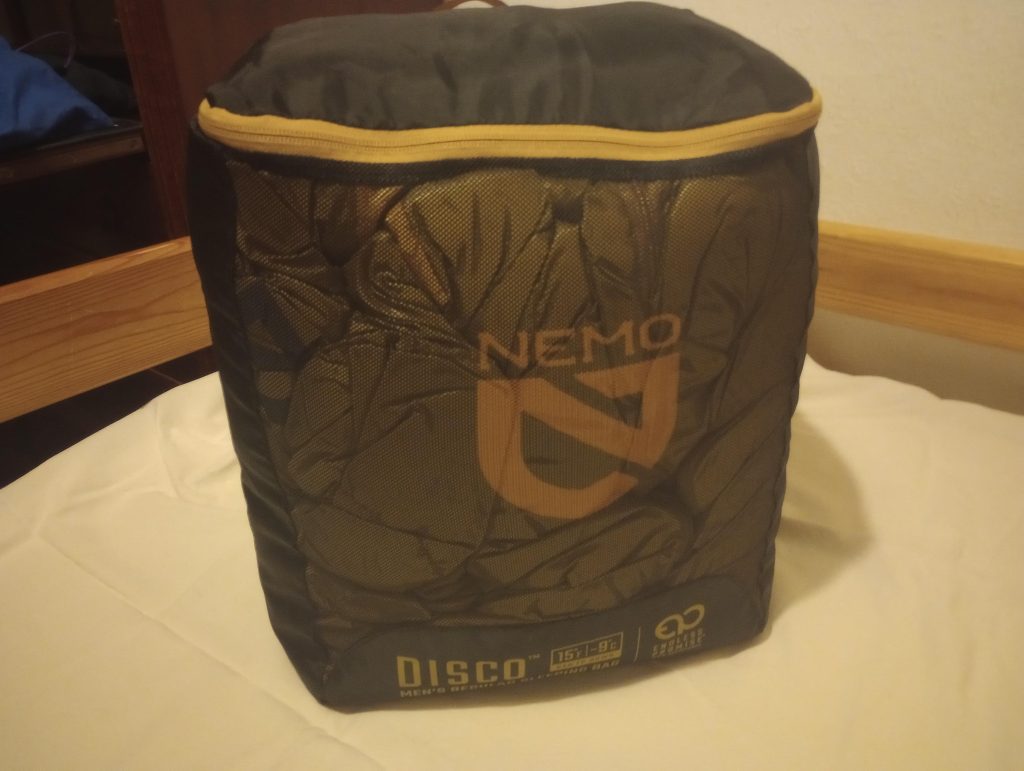
You’ve invested in a good sleeping bag, so why risk ruining it by storing it the wrong way? How you store your sleeping bag can make all the difference in keeping it warm, fluffy, and ready for your next adventure.
If you want your sleeping bag to last longer and perform better, you need to know the simple steps that protect its insulation and fabric. Keep reading, and you’ll discover easy, practical tips that anyone can follow—no special gear or tricky methods needed.
Your sleeping bag’s future comfort depends on what you do right now.

Credit: www.coreequipment.com
Choosing The Right Storage Spot
Storing your sleeping bag properly keeps it safe and lasts longer. Picking the right spot is key for good care.
A bad storage place can cause mold, bad smells, or damage. Learn how to pick a safe spot for your sleeping bag.
Avoiding Damp And Heat
Do not store your sleeping bag in damp areas like basements or near water. Moisture causes mold and mildew growth.
Keep the sleeping bag away from heat sources like heaters or direct sunlight. Heat can break down insulation materials.
- Choose dry places with good air flow
- Avoid storing near radiators or vents
- Keep away from windows with strong sun
Ideal Temperature And Humidity
Store your sleeping bag where the temperature stays between 50°F and 70°F (10°C to 21°C). Extreme cold or heat harms the bag.
Keep humidity levels below 60%. High humidity can cause dampness and damage the filling of the bag.
- Temperatures between 50°F and 70°F are best
- Humidity should stay under 60%
- Use a dehumidifier if storage area is damp
Preparing Your Sleeping Bag
Storing your sleeping bag properly keeps it in good shape for many trips. You must prepare it carefully before putting it away.
Proper care helps keep the insulation and fabric strong. This guide covers cleaning and drying your sleeping bag before storage.
Cleaning Before Storage
Remove dirt and sweat by washing your sleeping bag. Use gentle soap and cold water to avoid damage. Hand washing is best for delicate bags.
- Check the label for washing instructions.
- Use a large tub or bathtub for washing.
- Rinse thoroughly to remove all soap.
- Do not use bleach or fabric softeners.
- Avoid machine drying unless the label allows it.
Drying Thoroughly
Dry your sleeping bag completely before storage. Moisture can cause mold and odors. Air drying is safest for most bags.
| Drying Method | Details |
|---|---|
| Air Drying | Hang in a shaded, well-ventilated area until fully dry. |
| Tumble Drying | Use low heat if the label permits, with clean tennis balls to fluff. |
| Sun Drying | Avoid direct sun to prevent fabric damage and color fading. |
Storage Methods
Proper storage helps keep your sleeping bag in good shape. It prevents damage and keeps the insulation fluffy. Choosing the right method matters.
Below are two common ways to store a sleeping bag safely. Each method has its benefits to extend the bag’s life.
Using A Large Cotton Sack
Store your sleeping bag loosely in a large cotton sack. This lets air flow and stops moisture build-up. Avoid tight packing to protect the insulation.
- Choose a sack large enough for your sleeping bag to fit without squeezing.
- Keep the sack clean and dry to avoid mold growth.
- Store the sack in a cool, dry place away from direct sunlight.
- Shake the bag out occasionally to keep the fill evenly distributed.
Avoiding Compression Bags For Storage
Compression bags are good for travel but bad for long storage. They crush the insulation and reduce its warmth over time.
| Reason | Explanation |
|---|---|
| Reduces Loft | Pressing the bag lowers the fluffiness, which cuts warmth. |
| Damages Insulation | Continuous compression can break down the filling material. |
| Traps Moisture | Compressed bags hold moisture, causing mildew or smell. |
| Shortens Lifespan | Repeated compression weakens the fabric and seams. |
Long-term Vs Short-term Storage
Proper storage keeps your sleeping bag safe and ready to use. Different storage methods suit long-term and short-term needs.
Choosing the right way to store your sleeping bag helps keep its shape and warmth. Learn what to do for each type of storage.
Differences In Storage Techniques
Long-term storage needs more care than short-term. For long-term, keep the sleeping bag loose and dry. Avoid compressing it to protect the insulation.
- Use a large cotton or mesh storage sack for long-term storage.
- Do not store the bag in its tight stuff sack for long periods.
- For short-term storage, you can keep the bag in its stuff sack if space is tight.
- Always store in a cool, dry place away from sunlight.
Seasonal Storage Tips
| Season | Storage Method | Key Tips |
| Winter | Loose storage in a large sack | Keep dry and aired out |
| Summer | Stuff sack or loose sack | Store away from heat and moisture |
| Spring | Clean and air dry before storage | Check for damage or dirt |
| Fall | Prepare for use or store loosely | Keep ready for camping trips |
Maintaining Loft And Warmth
Keeping your sleeping bag fluffy helps it stay warm. Proper storage keeps the insulation working well.
Storing a sleeping bag the right way protects its loft. This guide shows how to care for your bag.
Fluffing And Airing Out
Fluff your sleeping bag after each use. This helps the insulation regain its shape and loft.
- Hang the bag in a dry, shaded area for several hours.
- Gently shake or pat the bag to loosen clumped insulation.
- Keep it away from direct sunlight to avoid fabric damage.
- Store loosely instead of compressed to keep loft intact.
Repairing Small Damages
Fix tiny tears or holes quickly. Small damages let warmth escape and reduce loft.
| Damage Type | Repair Method | Materials Needed |
| Small tear | Use a fabric patch or repair tape | Patch kit or duct tape |
| Loose seam | Sew with strong thread | Needle and thread |
| Broken zipper | Replace slider or zipper | Replacement parts, pliers |
Credit: www.optimistdaily.com
Common Mistakes To Avoid
Storing your sleeping bag the right way keeps it warm and comfy. Many people make simple mistakes that damage the bag.
These mistakes can shorten the life of your sleeping bag. Learn what to avoid to keep your bag in good shape.
Storing Wet Bags
Never store a sleeping bag when it is still wet or damp. Moisture can cause mold and bad smells inside the bag.
Make sure your sleeping bag is completely dry before packing it away. Dry it in a shaded, airy place to avoid damage.
- Do not store bags in plastic bags when wet
- Air dry thoroughly after use
- Check for damp spots before storing
Crushing The Insulation
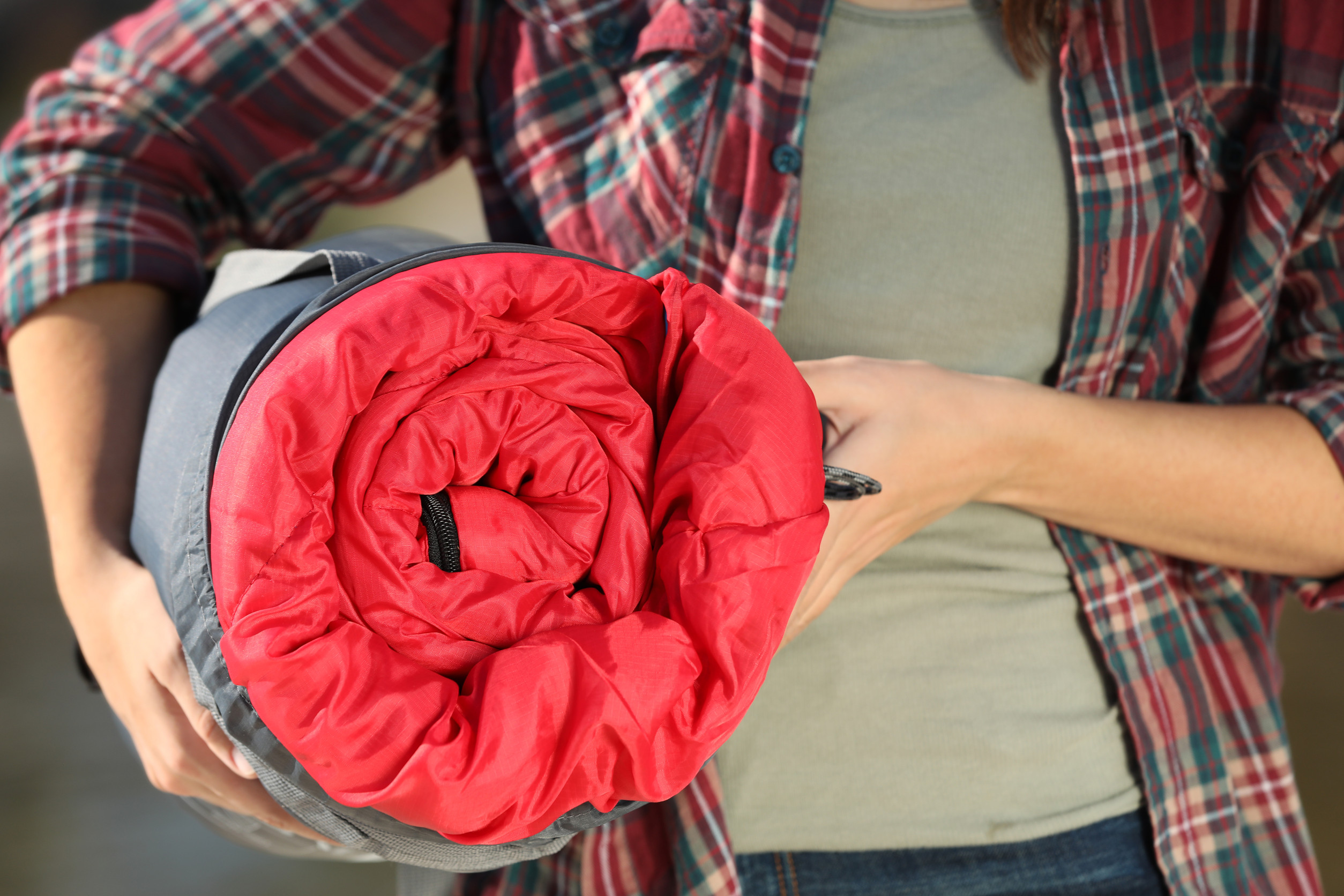
Do not crush or compress your sleeping bag for long times. This can damage the insulation inside and reduce warmth.
Store your sleeping bag loosely in a large sack or hang it up. This keeps the insulation fluffy and effective.
- Avoid tight compression bags for storage
- Use a large, breathable storage bag
- Hang the bag if possible to keep shape

Credit: www.ebay.com
Frequently Asked Questions
How Should I Store A Sleeping Bag Long-term?
Store your sleeping bag loosely in a large cotton or mesh storage sack. Avoid compression to maintain loft and insulation. Keep it in a cool, dry place away from direct sunlight and moisture to prevent mold and damage.
Can I Store A Sleeping Bag In Its Stuff Sack?
Avoid storing your sleeping bag compressed in its stuff sack for long periods. Compression reduces loft and insulation. Use a larger, breathable storage sack to keep the insulation fluffy and effective.
What Is The Best Environment For Sleeping Bag Storage?
Store sleeping bags in a dry, cool area with good ventilation. Avoid damp basements or hot attics. Proper airflow and temperature help prevent mold, mildew, and material degradation.
How Often Should I Clean My Sleeping Bag Before Storage?
Clean your sleeping bag after every few uses or before long storage. Follow manufacturer’s washing instructions. Clean bags resist odors, stains, and insect damage, extending their lifespan during storage.
Conclusion
Storing your sleeping bag properly extends its lifespan. Always clean it before storage. Use a large, breathable bag instead of compressing it tightly. This prevents damage. Keep it in a dry, cool place away from direct sunlight. Avoid damp areas to prevent mold.
Remember, proper care saves money and time. Your sleeping bag will be ready for the next adventure. Good storage ensures comfort and warmth during your outdoor trips. Happy camping!