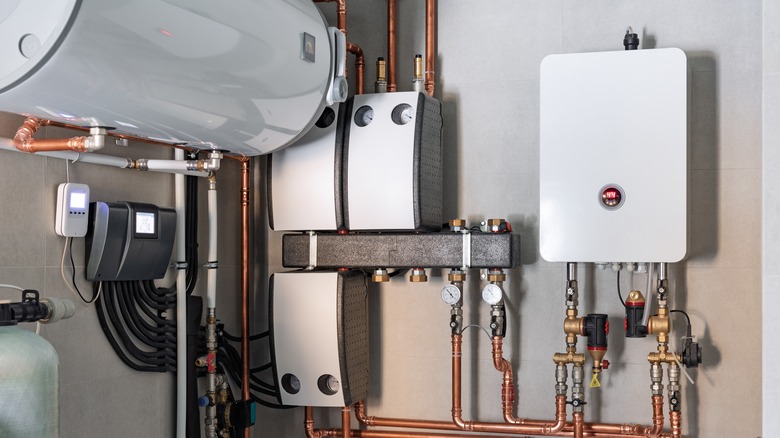
Are you wondering how much a new heating system will cost? Whether you’re replacing an old unit or upgrading for better comfort, knowing the price upfront helps you plan smarter.
But the cost can vary a lot depending on what you choose and your home’s size. You’ll discover the key factors that affect the price and learn how to get the best value for your money. Keep reading to make sure your new heating system fits both your needs and your budget.
Credit: www.homedepot.com
Heating System Types
Choosing a new heating system depends on many factors. You should know the main types before deciding.
Each system works differently and fits various home needs. This guide explains common heating systems.
Furnaces
Furnaces use air to heat your home. They burn fuel like gas or oil. The warm air moves through ducts.
Furnaces are popular because they heat quickly and work well in cold climates. They need regular maintenance.
Heat Pumps
Heat pumps move heat between inside and outside. They can heat and cool your home. They use electricity.
- Energy efficient in mild climates
- Works best with moderate temperatures
- Can reduce electricity bills
Boilers
Boilers heat water to warm your home. The hot water moves through pipes to radiators or floors.
| Fuel Type | Efficiency | Cost Range |
| Natural Gas | High | Moderate |
| Oil | Moderate | Moderate to High |
| Electric | Low | Low to Moderate |
Electric Heaters
Electric heaters use electricity to generate heat. They are easy to install and do not need ducts.
These heaters are good for small spaces or supplemental heating. They may cost more to run.
Radiant Heating
Radiant heating warms floors or walls directly. It uses hot water or electric wires under surfaces.
- Even heat distribution
- Quiet operation
- Does not blow dust or allergens
- Works well with tile and hardwood floors

Credit: www.furnaceprices.ca
Factors Affecting Cost
The cost of a new heating system can vary a lot. Many things affect the final price.
Knowing these factors helps you plan your budget better for a new heating system.
System Size And Capacity
Bigger homes need larger heating systems. Larger systems cost more to buy and install.
Choosing the right size saves money and keeps your home warm efficiently.
Energy Efficiency Ratings
Heating systems have energy efficiency ratings. Higher ratings mean lower energy bills.
Systems with better efficiency cost more at first but save money over time.
Installation Complexity
Some heating systems are harder to install. Complex setups take more time and skill.
Harder installations increase labor costs and total price.
- Old homes may need extra work
- New construction is usually easier
- Adding ducts or pipes raises costs
Brand And Model
Top brands often charge more for their heating systems. They may offer better quality.
Less-known brands can be cheaper but may have fewer features or shorter warranties.
- Popular brands have proven reliability
- Budget brands fit tight budgets
- Model features affect price
Geographic Location
Where you live affects heating system costs. Some areas have higher labor and material prices.
Climate also matters. Colder places may need stronger systems that cost more.
- Urban areas often have higher costs
- Rural locations may need extra travel fees
- Local building codes can add expenses
Average Price Ranges
Installing a new heating system can cost different amounts. Prices depend on the type and quality of the system.
Knowing price ranges helps you plan your budget for a new heater.
Entry-level Systems
Entry-level heating systems are basic and cost less. They work well for small homes or simple heating needs.
These systems usually have lower energy efficiency but are affordable.
- Price range: $1,500 to $3,000
- Simple design and fewer features
- Lower efficiency and shorter warranties
Mid-range Options
Mid-range heating systems offer better efficiency and features. They suit medium-sized homes and regular use.
These systems balance cost and performance well.
- Price range: $3,000 to $6,000
- Improved energy efficiency
- Longer warranty and more controls
High-end Models
High-end heating systems have advanced technology and high efficiency. They fit large homes or homes needing strong heating.
These systems cost more but save energy and last longer.
- Price range: $6,000 to $12,000 or more
- Top energy efficiency ratings
- Smart controls and extended warranties
Credit: jacobsheating.com
Installation Expenses
Installing a new heating system costs more than the unit price. You must pay for labor, materials, and permits.
These expenses vary by home size, system type, and local rules. Knowing the costs helps plan your budget.
Labor Costs
Labor includes the work done by professionals to install the system. This part can be a large part of the total cost.
Electricians, plumbers, and HVAC technicians may be needed. Labor costs depend on their rates and the job’s difficulty.
- Hourly rates range from $50 to $150 or more
- Complex installations take more hours
- Licensed professionals usually charge higher rates
Ductwork And Ventilation
New ductwork or ventilation may be needed if the old system differs. This adds to the installation expenses.
Fixing or adding ducts can cost a few hundred to several thousand dollars. Proper airflow is important for heating efficiency.
- Replacing ducts usually costs $1,000 to $3,000
- Adding new ventilation can cost $500 to $2,000
- Sealing ducts improves system performance
Permits And Inspections
Local laws often require permits before installation. Inspectors check the work to make sure it meets safety rules.
Permit fees vary by location but usually cost between $100 and $500. Failing to get permits can cause fines.
- Check local building codes before installation
- Permit fees depend on project size
- Inspections ensure safe and proper installation
Operating And Maintenance Costs
Installing a new heating system involves costs beyond just buying it. Operating and maintenance costs affect your budget over time.
Understanding these expenses helps you plan better and keep your heating system working well for years.
Energy Consumption
New heating systems use energy differently. Some models save more power, lowering your bills. Others may use more energy but cost less upfront.
| Heating System Type | Average Energy Use (kWh/year) | Estimated Annual Cost ($) |
|---|---|---|
| Gas Furnace | 2,000 | 1,200 |
| Electric Heat Pump | 1,500 | 900 |
| Oil Furnace | 2,500 | 1,500 |
| Electric Resistance Heater | 3,000 | 1,800 |
Regular Servicing
Regular servicing keeps your heating system safe and efficient. It reduces the risk of breakdowns and extends the system’s life.
- Check and clean filters every 1–3 months
- Inspect vents and ducts annually
- Schedule professional tune-ups once a year
- Test safety controls during servicing
Repairs And Parts Replacement
Repairs and parts replacement can add to your costs if the system breaks or wears out. Some parts last longer than others.
| Part | Typical Lifespan (Years) | Average Replacement Cost ($) |
|---|---|---|
| Thermostat | 10 | 100 |
| Heat Exchanger | 15 | 1,200 |
| Blower Motor | 12 | 500 |
| Ignitor | 5 | 150 |
Financing And Incentives
Installing a new heating system can be expensive. Many programs help lower these costs through financing and incentives. These options make upgrading easier and more affordable.
This guide explains government rebates, tax credits, and financing choices for your new heating system.
Government Rebates
Local and federal governments often offer rebates to encourage energy-efficient heating systems. These rebates reduce the upfront price.
- Check eligibility for your area and heating system type.
- Apply for rebates before purchasing your system.
- Keep all receipts and proof of installation for claims.
Tax Credits
Tax credits lower the amount of tax you owe. They reward you for installing energy-saving heating units.
| Tax Credit Type | Amount | Requirements |
| Federal Energy Tax Credit | Up to 30% | Must meet energy efficiency standards |
| State Tax Credits | Varies by state | Depends on local programs and system type |
| Utility Company Credits | Varies | May require specific installation or timing |
Financing Options
Many lenders offer loans with low interest rates for heating system upgrades. Some programs allow you to pay over time.
- Personal loans from banks or credit unions
- Home equity loans or lines of credit
- Special financing through HVAC contractors
- Government-backed loan programs
Choosing The Right System
Picking a new heating system is an important choice for your home. The right system keeps you warm and saves energy.
Think about your home’s size, your budget, and how each system works before buying.
Assessing Your Home’s Needs
Look at your home’s size and insulation first. Bigger homes need stronger heating systems.
Check how well your home keeps heat. Poor insulation means your system must work harder.
- Measure your home’s square footage
- Check window and door quality
- Note how often rooms feel cold
Comparing Long-term Costs
Look beyond the price tag. Consider how much energy the system will use each year.
Think about repair costs and how long the system will last. These add to total spending.
| Cost Type | What to Consider |
|---|---|
| Initial Price | System purchase and installation |
| Energy Use | Monthly heating bills |
| Maintenance | Regular service and repairs |
| Longevity | Expected years of use |
Consulting Professionals
Talk with heating experts to get advice. They can suggest systems that fit your home.
Ask professionals about installation, warranties, and energy efficiency ratings.
- Get multiple opinions for comparison
- Request detailed cost estimates
- Check credentials and reviews
Frequently Asked Questions
How Much Does A New Heating System Cost?
A new heating system typically costs between $3,000 and $7,000. The price depends on size, type, and installation complexity. High-efficiency models may cost more but save energy. Always get multiple quotes for accurate pricing.
What Factors Affect Heating System Installation Price?
Installation costs vary due to system type, home size, and labor rates. Additional costs may include ductwork, permits, and removal of old equipment. Location and brand also influence the final price. Proper assessment ensures an accurate estimate.
Are There Financing Options For Heating Systems?
Many companies offer financing plans or rebates for new heating systems. These options make upfront costs manageable. Check for government incentives or energy efficiency programs. Financing helps spread payments over time, easing budget impact.
How Long Does Heating System Installation Take?
Installation usually takes 1 to 3 days, depending on system complexity. Simple replacements are quicker, while new setups or ductwork take longer. Scheduling and preparation can affect timing. A professional technician will provide a more precise timeline.
Conclusion
Choosing the right heating system saves money and boosts comfort. Consider your home’s size, energy needs, and budget. Research different systems and their benefits. Consult professionals for expert advice. Installation costs and energy efficiency are key factors. Regular maintenance ensures long-term efficiency.
A well-chosen system keeps your home warm and cozy. Investing time in research makes a big difference. Prioritize comfort and efficiency for a better home environment. Your home deserves the best heating solution. Make an informed decision today. Stay warm and enjoy peace of mind.