Have you ever wondered where the air from your window air conditioner actually comes from? You might think it pulls fresh air from outside to cool your room, but is that really how it works?
Understanding this can help you make smarter choices about your home’s cooling and air quality. Keep reading to discover the truth about how your window AC handles air—and why it matters for your comfort and health.
How Window Air Conditioners Work
A window air conditioner cools the room by removing heat from inside air. It does not pull air from outside. Instead, it takes warm air from the room, cools it, and then sends the cold air back.
The unit has two main parts: one faces inside and the other outside. The inside part absorbs heat from the room air. The outside part releases that heat outside.
The air inside the room keeps moving. The air conditioner helps to circulate this air. It pulls warm air in, cools it, and pushes cold air out.
This air circulationkeeps the room cooler and more comfortable. The window air conditioner does not bring fresh air from outside. It only works with the air already inside the room.

Credit: www.forbes.com
Air Source For Window Ac Units
Window air conditionersmainly pull air from the inside of the room. This air passes over cold coils, which cool it. The cooled air then blows back inside to lower the room temperature.
These units do not usually pull outside airfor cooling. Instead, they have an exhaust section that pushes warm air and moistureoutside.
| Air Source | Function |
|---|---|
| Indoor Air | Cooled and circulated back into the room |
| Outdoor Air | Warm air and moisture expelled outside |
Common Myths About Air Intake
A window air conditioner does not pull fresh air from outside. It recirculates indoor airto cool the room. The unit takes warm air from inside, cools it, and blows it back.
Many people think these units bring in fresh air. That is a common myth. Most window ACs have no outside air vent. They work by recycling the same air.
Ventilation is important but must come from open windows or vents. Without fresh air, rooms can become stuffy and humid. Some window ACs have a small vent for limited fresh air, but it is not common.
Impact On Indoor Air Quality
Window air conditionersmainly cool the air inside a room by recirculating indoor air. They do not pull a lot of air from outside. This means the air inside keeps moving through the unit, cooling but not bringing fresh outdoor air in.
Recirculated aircan make indoor air feel stale if the room is not ventilated well. Dust, odors, and moisture may build up over time. This can affect the indoor air qualitynegatively.
| Air Type | Effect on Indoor Air Quality |
|---|---|
| Recirculated Air | May cause stale air, higher dust, and odors inside |
| Outdoor Air | Brings fresh air, reduces stuffiness, but limited in window ACs |
Some window ACs have small vents to let outdoor air enter. But this is usually a small amount. It helps a little with fresh air but does not replace full ventilation.
Alternatives For Fresh Air Ventilation
Ventilated air conditioners bring in fresh airfrom outside. They have special vents that allow air to flow inside. This helps keep the room cool and freshat the same time.
These units are better for ventilationthan regular air conditioners. They reduce stale airand lower indoor pollutants. This makes the air healthierto breathe.
- Window fans:Pull fresh air inside while pushing hot air out.
- Air exchangers:Swap indoor air with outdoor air efficiently.
- Exhaust fans:Remove humid or smoky air from the room.
Using these options can help improve air qualitywithout losing coolness.

Credit: windmillair.com
Energy Efficiency And Air Intake
A window air conditioner mainly pulls air from inside the room. It does not take air from outside directly. The unit cools the indoor air by removing heat and sending it outside.
Air conditioners work best when the room is sealed well. Fresh air from outside can make the unit work harder. This lowers energy efficiencyand raises electricity bills.
| Air Source | Effect on Efficiency |
|---|---|
| Indoor Air | More efficient, uses less energy |
| Outdoor Air | Less efficient, increases energy use |
- Keep windows and doors closed while AC runs.
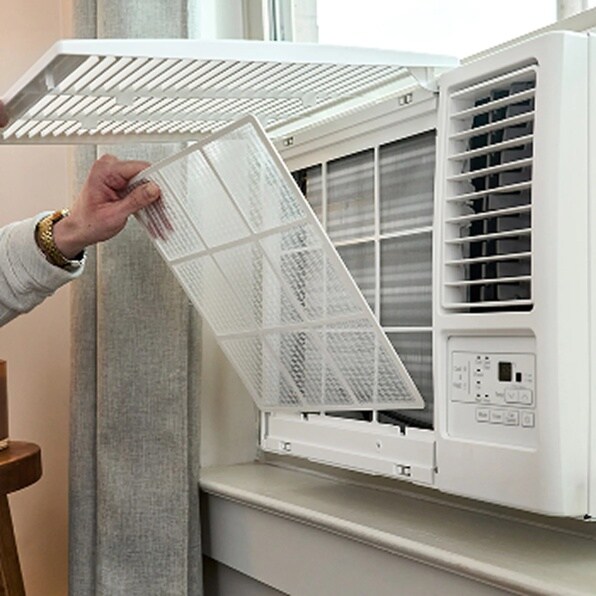
- Clean or replace filters regularly for better airflow.
- Seal gaps around the unit to prevent air leaks.
- Use curtains or blinds to block direct sunlight.
Credit: www.lg.com
Frequently Asked Questions
Does A Window Air Conditioner Pull Air From Outside?
No, a window air conditioner primarily recirculates indoor air. It cools the room by removing heat from inside air and expelling it outside.
How Does A Window Ac Unit Handle Outdoor Air?
Window AC units do not typically draw outdoor air inside. They exchange heat with the outside but circulate indoor air for cooling.
Can Window Ac Units Improve Indoor Air Quality?
Window AC units mainly cool air, but some models have filters. These filters can reduce dust and allergens but do not bring fresh outdoor air.
Why Doesn’t My Window Ac Bring Fresh Outside Air?
Window ACs are designed to cool indoor air without ventilation. They focus on heat exchange, so they don’t pull or ventilate outdoor air inside.
Conclusion
Understanding window air conditioners is simple. They don’t pull air from outside. They recirculate indoor air, cooling it down. This keeps your room comfortable and fresh. Regular maintenance helps it run efficiently. Clean filters and coils are important. Consider the room size when choosing a unit.
A suitable size ensures better cooling. Remember, a window air conditioner is a practical solution for many. It offers a simple way to beat the heat. Keeping these points in mind helps you make informed decisions. Stay cool and enjoy your summer!