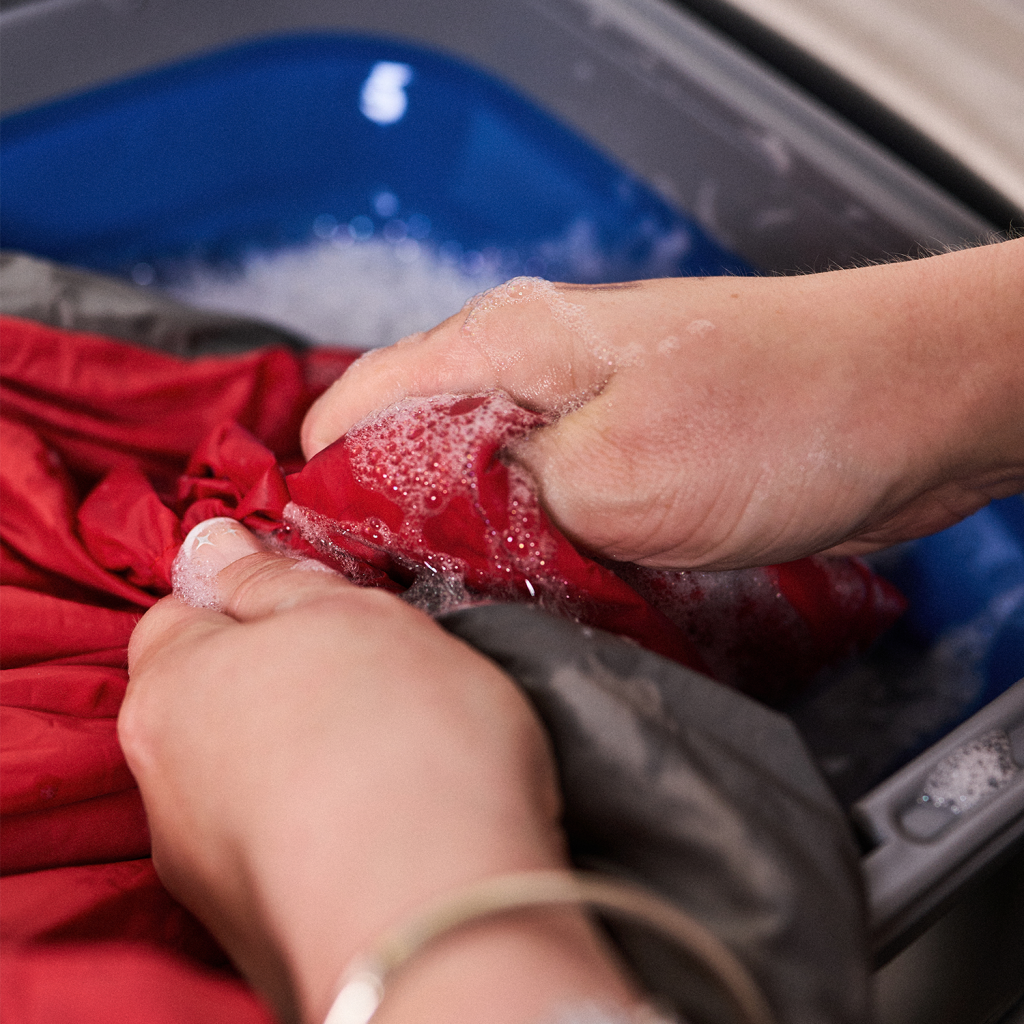
Washing your sleeping bag might seem tricky, but it doesn’t have to be. If you want to keep it fresh, clean, and ready for your next adventure, knowing how to wash a sleeping bag in a washing machine is key.
You might worry about damaging the insulation or ruining the fabric—but with the right steps, you can make your sleeping bag last longer and stay cozy. Keep reading, and you’ll discover simple tips that protect your gear while making cleaning easy and safe.
Your next camping trip will thank you!
Choosing The Right Sleeping Bag
Choosing the right sleeping bag is important before washing it in a machine. Different bags need different care. Knowing your sleeping bag type helps you clean it safely.
This guide covers the main types of sleeping bags and material tips. You will learn what to check before washing your bag in a washing machine.
Types Of Sleeping Bags
Sleeping bags come in various shapes and fills. Each type affects how you should wash it. The three common shapes are mummy, rectangular, and semi-rectangular.
- Mummy bagsfit snugly around the body. They keep heat well.
- Rectangular bagsoffer more room and comfort. They are less warm but easier to wash.
- Semi-rectangular bagsblend warmth and space. They are popular for general use.
Fill types include down, synthetic, and cotton. Down is light and warm but needs gentle washing. Synthetic fills dry faster and tolerate machine washing better.
Material Considerations
Material affects how you wash and dry your sleeping bag. The outer fabric and insulation type matter most. Always check the care label before washing.
| Material | Washing Tips | Drying Tips |
|---|---|---|
| Down | Use gentle cycle, mild detergent, cold water | Dry low heat with tennis balls to keep fluff |
| Synthetic | Machine wash warm, gentle cycle, mild detergent | Can tumble dry on low heat |
| Cotton | Machine wash cold, gentle cycle | Air dry to prevent shrinkage |

Credit: www.familyhandyman.com
Preparing The Sleeping Bag
Washing a sleeping bag in a machine needs careful preparation. This helps keep the bag safe and clean.
Before washing, follow a few simple steps to get the sleeping bag ready. These steps protect the material and fill.
Checking Care Labels
Look at the care labels on your sleeping bag first. These labels tell you how to wash it safely.
The label shows if the bag can go in the machine or needs hand washing. It also says what water temperature to use.
- Check if machine washing is allowed
- Note the recommended water temperature
- See if special detergents are needed
- Follow drying instructions
Removing Loose Dirt And Debris
Remove dirt and debris from the sleeping bag before washing. This prevents damage and keeps your machine clean.
Shake the bag outside to get rid of dust and small dirt bits. Use a soft brush to gently clean off mud or leaves.
- Take the bag outdoors
- Shake it well to remove loose dirt
- Brush off stuck debris carefully
- Check pockets for small items
Unzipping And Securing
Unzip the sleeping bag fully before washing. This helps the water clean inside the bag well.
Secure any Velcro or straps to avoid damage. Loose parts can get caught in the washer and harm the bag.
- Unzip the sleeping bag completely
- Fasten Velcro strips and straps
- Close any pockets
- Remove any removable parts
Selecting The Washing Machine Settings
Washing a sleeping bag in a machine needs careful setting choices. Picking the right settings helps keep your bag safe and clean.
This guide explains how to select the best cycle, water temperature, and detergent for washing your sleeping bag.
Choosing The Right Cycle
Use a gentle or delicate cycle to protect the sleeping bag’s fabric. These cycles spin slower and wash more softly.
A regular or heavy cycle can damage the filling and fabric. Avoid using those cycles to keep your bag in good shape.
- Choose gentle or delicate cycle
- Use slow spin speed
- Avoid heavy or regular cycles
Water Temperature Guidelines
Cold or warm water is best for washing sleeping bags. Hot water can harm the insulation and fabric.
Check the sleeping bag label for specific temperature advice. Usually, 30°C (86°F) or lower is safe.
- Use cold or warm water
- Do not use hot water
- Follow label instructions
Detergent Selection
Pick a mild detergent made for delicate fabrics. Avoid strong detergents that can remove oils from the sleeping bag.
Do not use bleach or fabric softeners. They can damage the insulation and reduce the bag’s warmth.
- Use mild detergent for delicate fabrics
- Do not use bleach
- Avoid fabric softeners

Credit: www.halfwayanywhere.com
Loading The Sleeping Bag
Loading your sleeping bag correctly into the washing machine is important. It helps the bag get clean and stay safe.
Read the instructions below to learn how to load your sleeping bag the right way.
Balancing The Load
Balancing the load keeps the washer steady during the spin cycle. An unbalanced load can cause noise and damage.
- Place the sleeping bag evenly around the drum.
- Add towels or clothes to fill empty spaces.
- Do not overload the machine with other heavy items.
- Make sure the bag is loose and not packed tightly.
Using A Front-load Washer
Front-load washers are best for washing sleeping bags. They use less water and clean gently.
| Tip | Reason |
| Use cold water | Protects fabric and insulation |
| Choose gentle cycle | Prevents damage to the bag |
| Do not use bleach | Keeps material strong and safe |
| Use mild detergent | Removes dirt without harm |
Washing Process
Washing a sleeping bag in a washing machine needs care. The right steps keep it clean and safe.
Follow these tips to protect your sleeping bag’s fabric and filling during the wash.
Running A Gentle Cycle
Use the gentle or delicate cycle on your washing machine. This cycle uses slow spinning and less water.
A gentle cycle helps protect the bag’s fabric and prevents damage to the insulation.
- Set water temperature to cold or warm, not hot
- Use a front-loading machine if possible
- Avoid high-speed spin cycles
- Run the cycle twice if needed for extra cleaning
Avoiding Fabric Softeners
Do not use fabric softeners when washing your sleeping bag. They can harm the fabric and filling.
Fabric softeners leave a coating that reduces the bag’s breathability and water resistance.
- Skip liquid or dryer sheet softeners
- Use mild, soap-free detergent instead
- Rinse well to remove all detergent
Drying The Sleeping Bag
After washing your sleeping bag, drying is very important. Proper drying keeps the bag clean and fluffy. It also stops mildew and bad smells.
There are two main ways to dry a sleeping bag: using a dryer or air drying. Each way needs care to protect the bag’s insulation and fabric.
Using A Dryer Safely
Use a large dryer on a low heat setting to dry your sleeping bag. High heat can damage the fabric and insulation. Add clean tennis balls or dryer balls to help keep the filling loose.
Check the bag often during drying. Stop the dryer and shake the bag to spread the insulation evenly. This helps restore its loft and warmth.
- Use low heat or air fluff setting
- Add tennis balls or dryer balls
- Pause and shake the bag every 30 minutes
- Dry completely to avoid mildew
Air Drying Tips
Air drying is gentle and safe for sleeping bags. Hang the bag on a clothesline or lay it flat on a clean surface. Make sure it is in a dry, shaded spot with good air flow.
Flip and fluff the bag often to help it dry evenly and keep the insulation from clumping. Air drying takes longer but protects the bag better.
- Hang or lay flat in shade
- Turn and fluff every few hours
- Keep away from direct sunlight
- Allow plenty of time to dry fully
Restoring Loft
Loft means how fluffy and thick the sleeping bag feels. It keeps you warm by trapping air. Washing and drying can flatten the loft, so restoring it is key.
After drying, shake and massage the bag to spread the insulation. Use your hands to break up any clumps. This helps the bag regain its soft, warm shape.
- Shake the bag regularly during drying
- Massage clumped insulation with your hands
- Use dryer balls to loosen filling
- Store loosely to keep loft intact
Maintaining Your Sleeping Bag
Keeping your sleeping bag clean and stored well helps it last longer. Dirt, sweat, and oils can damage the materials. Washing and storing your bag properly keeps it warm and comfy.
Follow simple routines to care for your sleeping bag. This guide covers cleaning schedules and storage tips for your sleeping bag.
Regular Cleaning Schedule
Cleaning your sleeping bag regularly stops dirt buildup. It also keeps the insulation working well. Avoid washing too often to protect the fabric.
- Spot clean stains with mild soap and water.
- Wash your sleeping bag in a front-loading machine on a gentle cycle.
- Use a special cleaner made for down or synthetic bags.
- Dry fully by air drying or using a dryer on low heat with clean tennis balls.
- Store your bag dry to prevent mold and smells.
Storage Best Practices
Proper storage keeps your sleeping bag fluffy and ready to use. Avoid tight compression after washing. Use a large cotton sack or hang your bag loosely.
| Storage Method | Benefits |
| Loose cotton sack | Allows air flow; keeps insulation loft |
| Hanging in a closet | Prevents crushing; easy to access |
| Compression sack (short term) | Good for travel; avoid long storage |
| Dry, cool place | Prevents mold and fabric damage |

Credit: www.yahoo.com
Frequently Asked Questions
How Do I Prepare A Sleeping Bag For Machine Washing?
Before washing, unzip and shake out debris from the sleeping bag. Close all zippers and Velcro. Use a front-loading washing machine to avoid damage.
What Detergent Is Best For Washing Sleeping Bags?
Use a mild, non-detergent soap or a cleaner designed for outdoor gear. Avoid bleach, fabric softeners, and harsh chemicals to protect insulation.
What Washing Machine Settings Are Ideal For Sleeping Bags?
Choose a gentle cycle with cold or warm water. Avoid hot water to prevent insulation damage. Use extra rinse cycles to remove soap residue.
How Should I Dry My Sleeping Bag After Washing?
Tumble dry on low heat with clean tennis balls to restore loft. Avoid high heat to prevent fabric and insulation damage. Air drying is also an option but takes longer.
Conclusion
Washing your sleeping bag in a machine is simple. Follow the steps carefully. Use mild detergent and cold water. Avoid using bleach or fabric softeners. Ensure your machine is big enough for the sleeping bag. Dry thoroughly to prevent mildew.
Regular care extends the life of your sleeping bag. Clean sleeping bags provide better comfort and hygiene. Now you can enjoy your next camping trip with a fresh, clean sleeping bag. Keep your outdoor gear in top shape with these tips.
Happy camping!