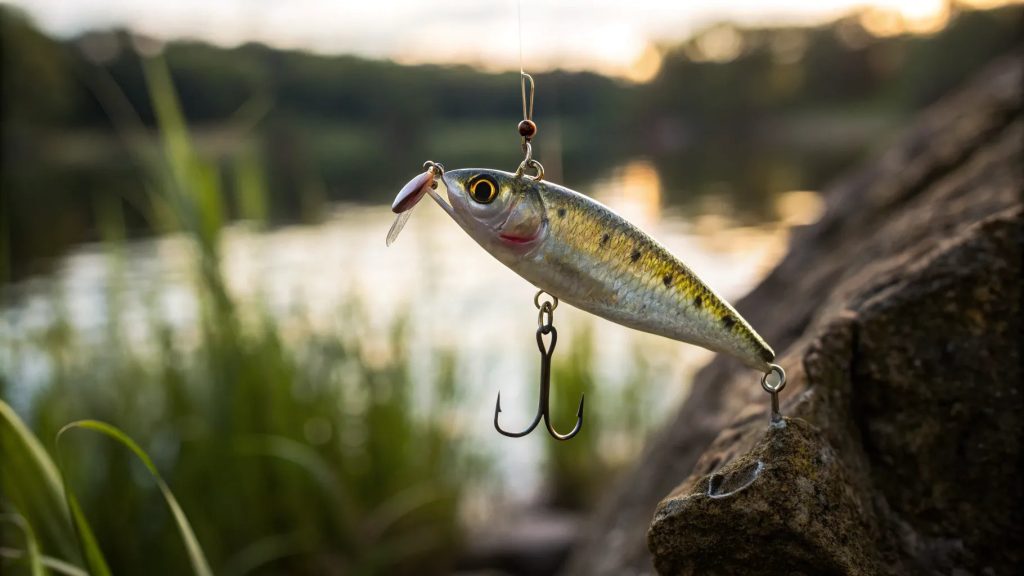
Have you ever wondered why some lures work like magic while others sit untouched? Knowing which lures attract which fish can change your fishing game completely.
Imagine spending less time guessing and more time catching. You’ll discover the secrets behind the best lures for different fish species. By the end, you’ll feel confident choosing the right lure every time you go fishing. Ready to boost your catch and enjoy your time on the water even more?
Keep reading and unlock the key to fishing success!
Common Fish Species
Many fish species swim in lakes, rivers, and oceans. Each type of fish prefers different lures and bait. Knowing which lure attracts which fish helps anglers catch more.
This guide covers five common fish groups and the best lures for each. Use this info to improve your fishing trips.
Bass
Bass like lures that look like small fish or insects. They are aggressive and often strike fast.
- Plastic worms
- Crankbaits
- Spinnerbaits
- Jigs
Trout
Trout prefer natural-looking lures. Small and shiny baits work well in clear water.
| Lure Type | Best Use |
| Flies | Stream or river fishing |
| Spinners | Fast-moving water |
| Small spoons | Clear lakes |
Panfish
Panfish are small and like simple lures. They often bite on live bait too.
- Small jigs
- Live worms
- Soft plastic grubs
- Small spinners
Catfish
Catfish use smell to find food. They prefer strong-smelling baits on the bottom of water bodies.
Popular catfish baits include:
- Chicken liver
- Stink baits
- Cut fish pieces
- Nightcrawlers
Saltwater Species
Saltwater fish vary, but many like bright or shiny lures. Strong tackle and large lures attract bigger fish.
- Metal spoons
- Soft plastic swimbaits
- Topwater plugs
- Jigs with feathers or skirts
Types Of Fishing Lures
Fishing lures come in many types. Each type attracts specific fish by mimicking their natural food or movement.
Knowing which lure to use can help catch different fish species in various water conditions.
Spinnerbaits
Spinnerbaits have one or more metal blades that spin. The spinning creates flash and vibration in the water.
These lures attract bass, pike, and muskies by imitating small fish or insects.
Crankbaits
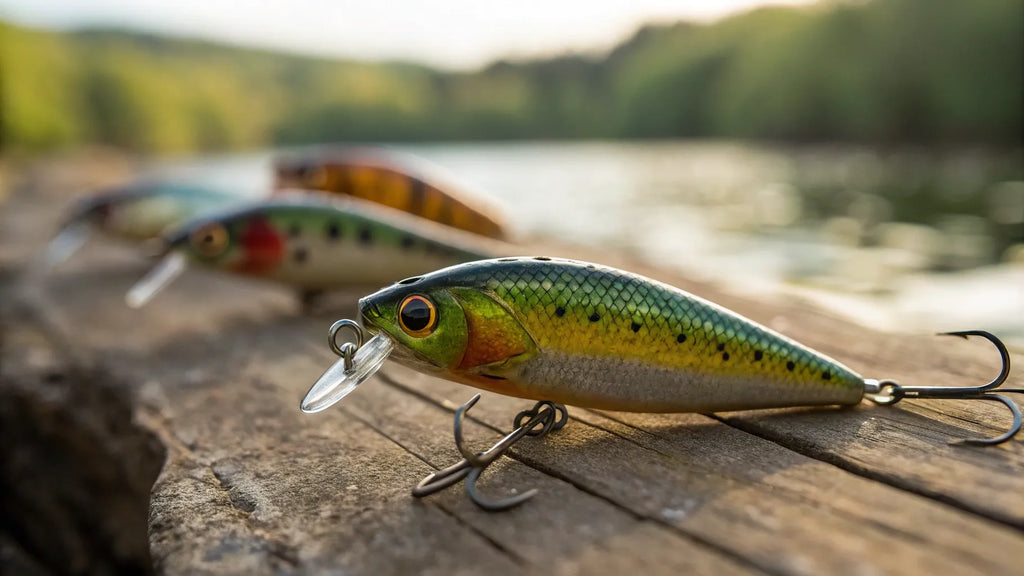
Crankbaits are hard-bodied lures. They dive to various depths and have a wobbling action.
- Attract bass, walleye, and trout
- Work well in deep or shallow water
- Come in many colors and shapes
Soft Plastics
Soft plastics are flexible lures that look like worms, grubs, or other prey.
Anglers use them to attract bass, panfish, and other freshwater species.
Jigs
Jigs have a weighted head and a hook with soft or feathered tails. They sink and can be bounced on the bottom.
| Fish Type | Jig Style | Best Use |
| Bass | Rubber skirt jig | Covering weeds |
| Walleye | Hair jig | Slow bottom fishing |
| Crappie | Soft plastic jig | Near structures |
Topwater Lures
Topwater lures float on the surface. They create splashes or walking actions to attract fish.
Popular topwater lures include:
- Poppers that splash water
- Walk-the-dog lures that zigzag
- Frogs that imitate real frogs
Lure Selection By Fish
Choosing the right lure is important for a good fishing experience. Different fish species prefer different lures. Knowing what works best helps catch more fish.
This guide explains the best lures for bass, trout, panfish, catfish, and saltwater fish. Use this to pick your lure wisely.
Best Lures For Bass
Bass like lures that mimic their natural prey. Topwater lures work well early in the morning and late in the evening. Soft plastic worms are also popular for bass fishing.
- Crankbaits
- Spinnerbaits
- Soft plastic worms
- Jigs
- Topwater frogs
Top Lures For Trout
Trout prefer small and natural-looking lures. Spinners and small spoons imitate the insects and small fish they eat. Fly fishing with dry flies or nymphs is also effective.
| Lure Type | Best Use |
| Spinners | Clear streams |
| Spoons | Rivers and lakes |
| Dry flies | Surface fishing |
| Nymphs | Below surface |
Effective Lures For Panfish
Panfish are small but picky. Use bright colors and small-sized lures to attract them. Jigs tipped with live bait also catch panfish well.
- Small jigs
- Live bait on hooks
- Soft plastics
- Inline spinners
Catfish Bait Options
Catfish are attracted to strong smells. Natural baits like chicken liver, cut fish, and stink baits work best. Use heavy sinkers to keep the bait near the bottom.
- Chicken liver
- Cut bait
- Stink bait
- Nightcrawlers
Saltwater Lure Choices
Saltwater fish need strong and durable lures. Metal spoons, plugs, and soft plastics imitate baitfish well. Bright colors help in clear ocean water.
| Lure | Target Fish |
| Metal spoons | Striped bass, mackerel |
| Plugs | Bluefish, tuna |
| Soft plastics | Redfish, snook |
| Jigs | Flounder, sea bass |
Matching Lures To Water Conditions
Choosing the right lure depends on the water clarity and depth. Fish react differently to lures in clear or murky water.
Understanding water conditions helps you select colors and types of lures that catch fish better.
Clear Water Strategies
In clear water, use natural colors like green, brown, or silver. Fish can see lures clearly here.
- Choose lures that mimic local baitfish
- Use smaller, more detailed lures
- Keep movements smooth and natural
Murky Water Techniques
Murky water reduces visibility. Bright colors and noise attract fish in these conditions.
| Lure Color | Why It Works |
| Chartreuse | Highly visible in low light |
| Orange | Stands out in muddy water |
| Black | Creates clear silhouette |
| Luminous | Glows to draw attention |
Fishing In Shallow Vs Deep Water
Shallow water needs lures that move slowly to avoid spooking fish. Deep water lures must sink fast and produce vibrations.
- Shallow water: Use topwater lures or soft plastics
- Deep water: Use heavy jigs or crankbaits
- Match lure action to fish behavior at each depth
Adapting To Weather Changes
Weather affects water temperature and fish activity. Change lure type and color to fit new conditions.
| Weather | Lure Tips |
|---|---|
| Sunny | Use subtle colors and slow retrieves |
| Cloudy | Choose brighter lures and faster action |
| Windy | Pick lures that create vibration and noise |
| Rainy | Use dark or reflective lures to catch attention |
Seasonal Lure Tips
Different fish respond best to certain lures depending on the season. Matching your lure to the time of year helps catch more fish.
Water temperature, light, and fish behavior change with seasons. Adjust your lure choice to fit these changes.
Spring Patterns
In spring, fish start feeding aggressively after winter. Use lures that imitate small baitfish or frogs.
Topwater lures work well early in the season. Bright colors can attract fish in clearer water.
- Spinnerbaits with silver or chartreuse blades
- Frogs or soft plastic crawfish imitations
- Crankbaits in shad or bluegill colors
- Topwater poppers in light colors
Summer Tactics
Fish often move to deeper, cooler water in summer. Use lures that can reach deeper zones.
Slow presentations and natural colors usually work best. Try to imitate slow-moving prey.
- Jigs with natural colored trailers
- Deep-diving crankbaits
- Spoofs and swimbaits in browns and greens
- Soft plastics rigged slowly
Fall Approaches
Fish feed heavily in fall to store energy for winter. Use bigger lures that mimic large baitfish.
Fast retrieval can trigger strikes. Bright or flashy lures often attract attention in lower light.
- Large crankbaits in silver or gold
- Spinnerbaits with flashy blades
- Topwater lures for early fall
- Swimbaits in bright colors
Winter Fishing
Fish slow down in winter and eat less. Use small lures with slow movements to tempt bites.
Subtle colors like whites and blues work well in cold water. Keep your lure near the bottom.
- Small jigs in white or blue
- Slow-moving soft plastics
- Small spoons with gentle action
- Shallow crankbaits with subtle colors

Credit: fishingbooker.com
Lure Presentation Techniques
Using the right lure presentation helps catch more fish. Different fish respond to different movements and speeds.
Learning how to present lures improves your chances of a successful fishing trip.
Casting And Retrieving
Casting lets you place the lure where fish are hiding. Retrieve the lure to mimic prey swimming.
Try smooth, steady retrieves to attract fish that follow moving bait.
- Cast near structures like rocks or weeds
- Retrieve steadily to imitate natural swimming
- Pause sometimes to let the lure sink
Twitching And Jerking
Twitching and jerking make the lure move erratically. This can trigger strikes from curious fish.
Use quick, short pulls on the line to create these movements.
- Use twitching for small, quick movements
- Use jerking for stronger, sudden actions
- Combine both to imitate injured prey
Slow Vs Fast Retrieval
Slow retrieval works well for lethargic fish or cold water. Fast retrieval excites active fish.
Try different speeds to see what the fish prefer that day.
- Slow retrieval suits deep or cold water
- Fast retrieval attracts aggressive fish
- Change speed if no bites occur
Using Lures With Live Bait
Adding live bait to lures can increase their appeal. The live bait adds scent and movement.
Attach small live bait to hooks on lures to attract more fish.
- Use worms or minnows with spinnerbaits
- Attach live bait to jig hooks
- Keep live bait fresh for best results
Common Mistakes To Avoid
Using the right lure is key to catching fish. Many anglers make simple mistakes that reduce their success. Avoiding these errors can improve your fishing experience.
Read on to learn about common lure mistakes and how to fix them. This guide covers lure size, water temperature, fish behavior, and retrieval speed.
Wrong Lure Size
Choosing the wrong lure size can scare fish or make them ignore the bait. Small fish need smaller lures, while bigger fish respond to larger ones.
- Small lures work well in clear water and calm conditions.
- Large lures attract bigger fish but may not work for smaller species.
- Match the lure size to the type of fish you want to catch.
Ignoring Water Temperature
Water temperature affects fish activity. Cold water makes fish slow, and warm water makes them more active. Use this table to pick the best lure type for the temperature.
| Water Temperature | Fish Activity | Best Lure Type |
| Below 50°F (10°C) | Low | Slow-moving, small lures |
| 50°F to 70°F (10-21°C) | Moderate | Medium speed lures |
| Above 70°F (21°C) | High | Fast-moving, bright lures |
Overlooking Fish Behavior
Each fish species has unique habits. Ignoring these can cause you to choose wrong lures. Use this list to learn about fish behavior and lure selection.
- Bass like lures that mimic frogs or small fish near the surface.
- Trout respond to small, natural-colored lures near rocks or streams.
- Pike prefer large, flashy lures that move fast in open water.
- Catfish often go for scent-based or bottom baits rather than flashy lures.
Improper Retrieval Speed
Retrieval speed changes how a lure moves. Too fast or too slow can make fish lose interest. Adjust speed based on fish type and water conditions.
| Fish Type | Recommended Retrieval Speed |
|---|---|
| Bass | Medium speed with occasional pauses |
| Trout | Slow and steady |
| Pike | Fast and erratic |
| Catfish | Very slow or no retrieval (bottom fishing) |

Credit: fishingbooker.com
Credit: www.battlbox.com
Frequently Asked Questions
What Lures Attract Bass Fish Most Effectively?
Bass are attracted to plastic worms, crankbaits, and spinnerbaits. These lures mimic their natural prey and provoke strikes. Bright colors work well in murky water, while natural hues suit clear water. Using the right lure increases your chances of catching bass significantly.
Which Lures Work Best For Trout Fishing?
Trout respond well to small spinners, spoons, and flies. Bright, flashy lures imitate insects and small fish they feed on. Lightweight lures enable a natural drift in streams and rivers. Choosing the correct lure helps target trout efficiently.
What Lures Are Ideal For Saltwater Fishing?
Saltwater fish prefer jigs, soft plastics, and topwater plugs. These lures mimic baitfish, crabs, and other marine prey. Durable materials resist saltwater corrosion. Using saltwater-specific lures improves success when fishing in oceans or bays.
How Do Color Choices Affect Lure Effectiveness?
Lure color matters based on water clarity and light. Bright colors stand out in murky water. Natural colors work best in clear water and bright conditions. Matching lure color to environment increases fish attraction and catch rates.
Conclusion
Understanding which lures attract which fish enhances your fishing success. Different fish respond to specific lures. Knowing this can make your fishing trips more productive. Experiment with various lures to see what works best. Adjust your strategy based on water conditions and fish behavior.
Stay patient and observe the environment closely. This knowledge can lead to more rewarding fishing experiences. Enjoy the process and learn as you go. Happy fishing!