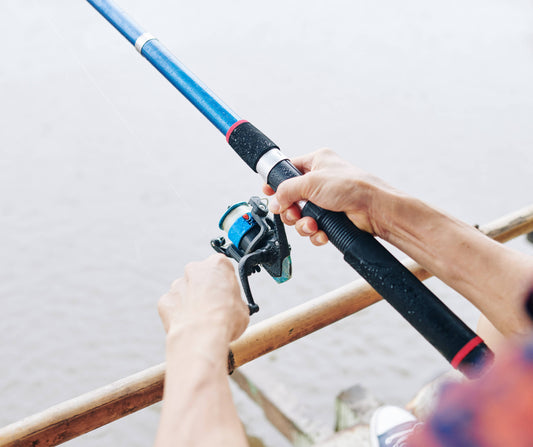
Are you ready to get your fishing rod ready for the next big catch? Knowing how to put fishing line on your rod the right way can make all the difference between a smooth cast and a tangled mess.
Whether you’re a beginner or just need a quick refresher, this simple guide will walk you through each step. By the end, you’ll feel confident and prepared to hit the water with your gear perfectly set up. Let’s dive in and make sure your fishing line is on right!

Credit: www.youtube.com
Choose The Right Line
Choosing the right fishing line is important for a good fishing experience. The right line helps you catch fish and avoid breakage.
There are different types and strengths of fishing lines. You need to know which one fits your fishing style and target fish.
Types Of Fishing Line
Fishing lines come in several types. Each type has different features and uses.
- Monofilament:Made of one strand of nylon. It is stretchy and easy to handle.
- Fluorocarbon:Almost invisible underwater and sinks faster. It resists abrasion well.
- Braided:Made of many fibers woven together. It is very strong and thin.
Pick a line type that matches where and how you fish. Monofilament is good for beginners. Fluorocarbon works well in clear water. Braided line is best for heavy cover or big fish.
Selecting Line Strength
Line strength is measured in pounds (lb). It tells how much weight the line can hold before breaking.
Choose a line strength based on the size of the fish you want to catch. A stronger line works for bigger fish but can be harder to cast.
- Light line (2-6 lb): Good for small fish and light lures.
- Medium line (8-12 lb): Works for most freshwater fishing.
- Heavy line (15+ lb): Used for big fish or heavy cover.

Credit: windrider.com
Prepare Your Rod And Reel
Putting fishing line on your rod is an important step before fishing. Proper preparation helps avoid tangles and improves casting.
Focus on your rod guides and spool setup to make sure the line feeds smoothly and stays secure.
Check Rod Guides
Inspect each guide on the rod for damage or dirt. Clean guides help the line move freely and prevent wear.
- Look for cracks or bends in the guides
- Remove dirt, sand, or old line fragments
- Check that all guides are firmly attached
- Replace damaged guides before spooling line
Spool Setup Tips
Set up your spool correctly to avoid line twists and tangles. Use these tips for a smooth spool.
| Tip | Reason |
| Fill spool evenly | Prevents line slipping and casting problems |
| Apply light tension while spooling | Keeps line tight and secure on spool |
| Match line direction with spool rotation | Reduces line twists and tangles |
| Leave some space at spool edge | Prevents line from overfilling and spilling off |
Attach The Line To The Reel
Putting fishing line on your rod starts with attaching it to the reel. This step keeps the line secure while fishing.
Proper attachment helps prevent the line from slipping or tangling. It makes casting and reeling easier.
Tie The Arbor Knot
The arbor knot is simple and holds the line tightly on the reel spool. It is the best knot for this task.
First, wrap the line around the reel’s center spool. Then tie a knot around the main line.
- Wrap the line around the spool.
- Tie an overhand knot around the main line.
- Tie a second overhand knot at the tag end.
- Pull both knots tight against the spool.
Secure The Line Properly
After tying, pull the line tight to secure it to the reel. Loose knots can cause problems later.
Make sure the line is smooth on the spool. Wind the line evenly to avoid tangles and snags.
- Pull the line firmly to tighten the knot.
- Check the knot for slippage.
- Wind the line evenly on the spool.
- Keep tension on the line while winding.

Credit: fishingbooker.com
Spool The Line Evenly
Putting fishing line on a rod spool takes care and focus. Spooling the line evenly helps your reel work well and keeps the line from tangling.
This guide covers two key tips: keeping the right tension and avoiding line twists.
Maintain Proper Tension
Keeping the right tension on the line as you spool is very important. Too loose or too tight can cause problems later.
- Pinch the line between your fingers as you spool it onto the reel.
- Keep steady pressure to avoid loose coils.
- Ask someone to hold the spool if needed, so it can spin freely.
- Make sure the spool is lined up with the reel to keep tension even.
Avoid Line Twists
Line twists cause knots and reduce casting distance. Watch out for these common causes.
| Cause | How to Avoid |
| Spinning the reel backward | Always reel forward when spooling |
| Loose line on the spool | Keep tension steady |
| Improper line attachment | Tie a strong knot and start spooling slowly |
| Line spool spinning the wrong way | Check spool direction before starting |
Finish And Test The Setup
After winding the fishing line onto the rod, you need to complete the setup carefully. This step ensures your line is ready for fishing without issues.
Finish by trimming any extra line and checking the line’s movement on the reel and guides. This will help avoid tangles and improve casting performance.
Trim Excess Line
Cut the extra fishing line close to the knot or spool. Leaving too much line can cause tangles and reduce casting accuracy.
- Use sharp scissors or line clippers.
- Cut about 1/4 inch from the knot.
- Check the knot tightness after trimming.
- Make sure no frayed ends remain.
Check Line Movement
Test how smoothly the line moves through the guides and reel. This helps you spot any snags or resistance before fishing.
| Test Action | What to Check | Expected Result |
|---|---|---|
| Pull line gently from the reel | Resistance or smoothness | Line should pull out smoothly without sticking |
| Turn reel handle slowly | Line winding evenly on spool | Line should wind tightly and evenly |
| Run line through each guide | Snags or rough spots | Line moves freely without catching |
Frequently Asked Questions
How Do I Choose The Right Fishing Line For My Rod?
Select a line based on your fishing type and target species. Consider line strength, material, and thickness for optimal performance.
What Is The Best Method To Spool Fishing Line Correctly?
Attach the line to the reel spool, keep tension, and wind evenly. Avoid twisting to prevent tangles and improve casting.
How Often Should I Replace Fishing Line On My Rod?
Replace line regularly after 3-6 uses or when damaged. Worn line reduces strength and can cause lost fish.
Can I Use Any Fishing Line On Any Rod?
Not all lines suit every rod. Match line weight and type to rod specifications for best results and durability.
Conclusion
Putting fishing line on a rod seems tricky. It’s actually simple. Just follow the steps. Start by choosing the right line. Attach it securely to the reel. Wind it evenly. Check for tangles. Practice makes perfect. Soon you’ll do it easily.
Enjoy fishing more with a well-prepared rod. Use these tips for better fishing days. Good luck catching fish!