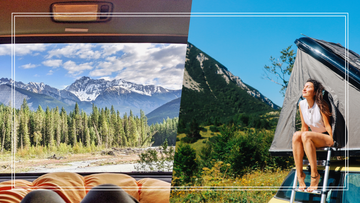
Have you ever dreamed of sleeping under the stars, high above the ground in a rooftop tent? It sounds amazing, but you might be wondering—can you actually set up your rooftop tent anywhere?
Before you pack your gear and hit the road, it’s important to know the rules, safety tips, and the best spots to camp. You’ll discover everything you need to confidently choose where to sleep in your rooftop tent—so your adventure stays fun, safe, and hassle-free.
Keep reading, and unlock the secrets to the perfect rooftop camping experience!
Rooftop Tent Basics
Rooftop tents offer a new way to camp. They sit on top of your car. This keeps you off the ground and away from bugs.
Many people like rooftop tents for their ease and comfort. You can set them up fast. They fold away when not in use.
What Is A Rooftop Tent?
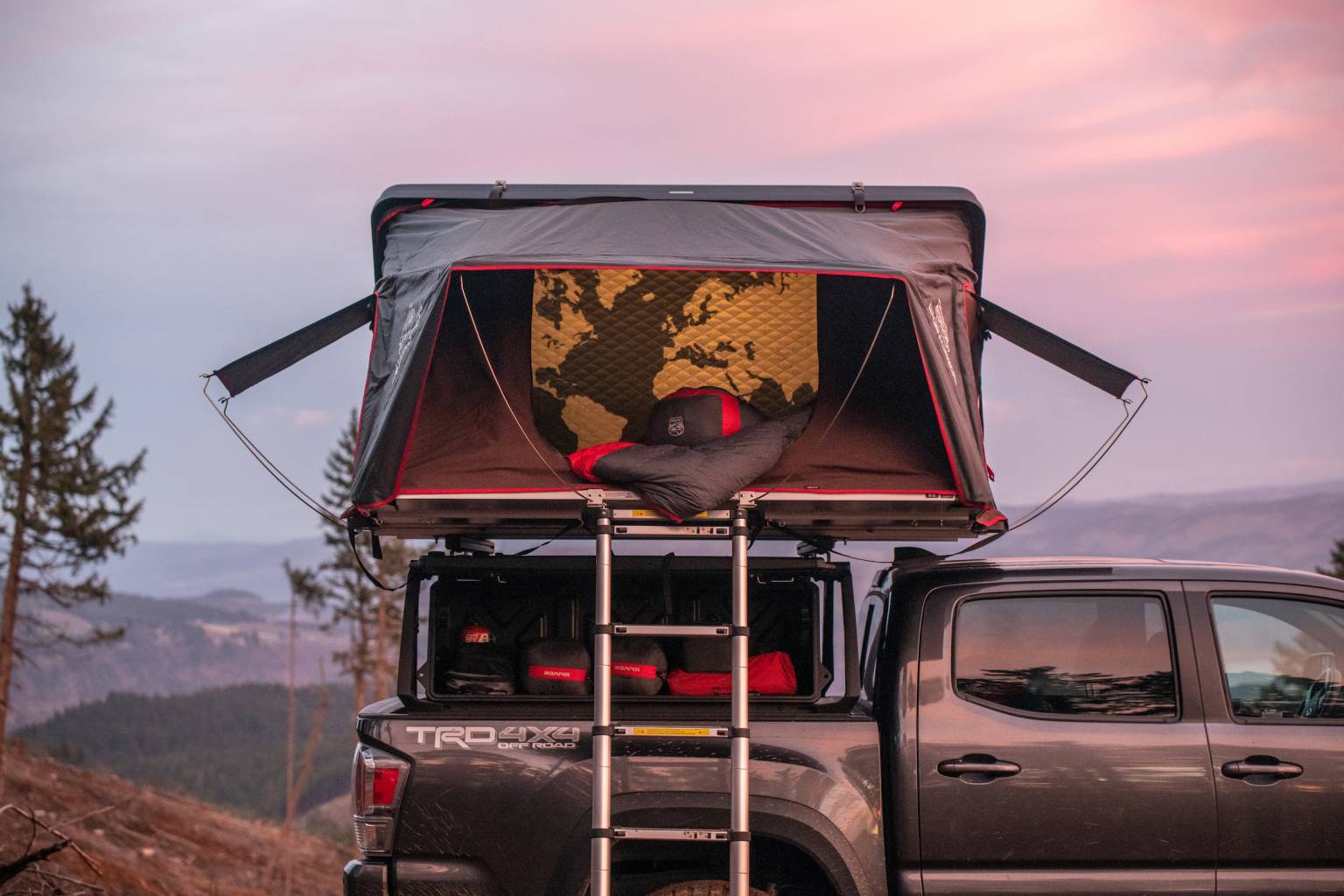
A rooftop tent is a tent that attaches to the roof rack of a vehicle. It folds out to create a sleeping area above the car. This type of tent often has a mattress inside.
Types Of Rooftop Tents
- Soft Shell Tents: Made of fabric and fold like a regular tent.
- Hard Shell Tents: Have a solid roof that opens up like a clam shell.
- Hybrid Tents: Combine features of both soft and hard shell tents.
Benefits Of Sleeping On The Roof
| Benefit | Description |
|---|---|
| Safety | Stay away from ground animals and insects. |
| Comfort | Sleep on a flat, clean surface with a mattress. |
| Easy Setup | Set up and pack down quickly. |
| Better Views | Enjoy a higher view of the campsite. |
Legal Considerations
Sleeping in a rooftop tent can be a fun way to camp. You must know the legal rules before you set up your tent. Laws vary by place, so check local rules carefully.
Understanding these rules helps avoid fines or trouble. This guide covers local camping laws, parking limits, and private property rules.
Local Camping Regulations
Most towns have rules about where you can camp. Some areas allow camping only in certain spots. Others may forbid camping to protect nature or for safety.
- Check if camping is allowed in the area.
- Follow rules about campfire use and waste disposal.
- Obey time limits for how long you can stay.
Parking Restrictions
Parking your vehicle with a rooftop tent may be limited by local laws. Some places ban overnight parking on streets or public lands.
| Type of Area | Parking Rules |
| City Streets | No overnight parking in many areas |
| Rest Stops | Limited to a few hours, no camping |
| National Parks | Designated camping zones only |
| Private Parking Lots | Permission needed from owner |
Private Property Rules
You cannot camp on private land without permission. Owners have the right to say no. Always ask before setting up your tent.
Tips for camping on private property:
- Contact the owner and get written permission.
- Respect property boundaries and rules.
- Leave the area clean and undamaged.
- Use quiet hours to avoid disturbing neighbors.
Safe And Suitable Locations
Sleeping in a rooftop tent can be a fun way to camp. You must pick safe and legal places to set up your tent. Not every spot is good or allowed for rooftop tents.
Knowing where you can sleep helps you avoid trouble. It also keeps you safe and comfortable during your trip.
Campgrounds And Rv Parks
Campgrounds and RV parks are great places to use rooftop tents. They often have flat areas and facilities like bathrooms and water. These places are made for camping and usually allow rooftop tents.
You should reserve a spot if needed. Follow the rules of the campground. Some places may limit tent size or number of guests.
- Look for campgrounds that accept tents and rooftop tents
- Use designated camping spots to avoid fines
- Check if pets are allowed if you bring animals
- Be aware of quiet hours and park rules
National And State Parks
National and state parks offer beautiful spots for rooftop tents. You can enjoy nature and peaceful surroundings. These parks usually have campgrounds with rules to protect the environment.
It is important to get permits or make reservations when needed. Follow all park rules about where you can camp. Avoid setting up tents outside of allowed areas.
- Reserve campsites in advance during busy seasons
- Use only designated camping areas
- Follow fire safety rules and wildlife guidelines
- Leave no trace by cleaning up your site
Rest Areas And Truck Stops
Rest areas and truck stops can be spots to rest overnight in your rooftop tent. These places are designed for short stays to rest and refresh. Rules about camping vary by location.
Check local laws and signs before setting up your tent. Some rest areas only allow parking and no camping. Truck stops may have security but might not allow tents.
- Look for signs or ask staff about camping rules
- Use these spots for short overnight stays only
- Keep your tent setup low profile and safe
- Be respectful of other travelers and staff
Environmental Factors
Sleeping in a rooftop tent depends on many environmental factors. These factors affect your comfort and safety.
Knowing these factors helps you pick the best spot to set up your rooftop tent.
Weather Conditions
Weather plays a big role in rooftop tent camping. Rain, wind, and cold can make sleeping hard.
Check the weather forecast before you set up your tent. Avoid places with strong winds or heavy rain.
- Wind can make the tent shake and feel unsafe
- Rain may cause leaks if the tent is not waterproof
- Cold weather needs extra insulation and warm gear
Terrain And Stability
The ground below your vehicle affects how stable your rooftop tent will be. Choose flat, firm terrain.
Soft or uneven ground can cause your vehicle to tilt. This makes sleeping uncomfortable and unsafe.
- Avoid sandy or muddy areas that might cause sinking
- Use levelers if the ground is uneven to keep the tent stable
- Park on solid surfaces like gravel or packed dirt
Wildlife And Insects
Animals and bugs can disturb your sleep in a rooftop tent. Be aware of local wildlife risks.
Use insect nets and keep food sealed to avoid attracting animals or insects.
- Insects like mosquitoes can enter if the tent is not sealed well
- Animals may be curious but usually avoid tents if no food is outside
- Keep the area clean to reduce wildlife visits
Setting Up Your Rooftop Tent
Setting up a rooftop tent is an easy way to camp above the ground. It gives you a safe and comfortable place to sleep outdoors. Knowing how to set it up properly helps you enjoy your trip without troubles.
This guide covers important points about vehicle compatibility, installation tips, and essential gear. These will help you get ready for your rooftop tent adventure.
Vehicle Compatibility
Not all vehicles can hold a rooftop tent. You must check your car’s roof and roof rack before buying a tent. The roof rack must support the tent’s weight plus the people inside.
| Vehicle Type | Roof Rack Needed | Weight Limit (lbs) | Notes |
|---|---|---|---|
| Sedan | Strong crossbars | 150-200 | Check roof strength carefully |
| SUV | Factory or aftermarket racks | 200-300 | Suitable for most rooftop tents |
| Pickup Truck | Aftermarket racks recommended | 300+ | Good for heavy-duty tents |
| Van | Heavy-duty racks | 250-350 | Check rack installation |
Installation Tips
Correct installation keeps your rooftop tent secure and safe. Follow these steps to install the tent on your vehicle:
- Choose a flat area to park your vehicle.
- Place the tent on the roof rack carefully.
- Align the mounting brackets with the rack bars.
- Tighten all bolts and clamps firmly.
- Test the tent stability before use.
Ask for help to lift the tent. Make sure to read the tent manual for specific instructions.
Essential Gear
Bring these items to make your rooftop tent setup easier and your camping more comfortable.
- Step ladder for easy access
- Soft mat or pad for the tent floor
- Weatherproof cover to protect the tent
- Extra straps for security
- Camping lights or lanterns
- Repair kit for small damages
Tip: Store gear in waterproof bags to keep it dry. Check the tent and gear before each trip to avoid surprises.
Etiquette And Safety Tips
Sleeping in a rooftop tent can be fun and comfortable. It is important to follow good manners and safety rules. This helps you and others enjoy the experience.
These tips cover how to respect neighbors, stay safe from fires, and keep your items secure. Always think about others and your own safety when camping.
Respecting Neighbors
Choose a spot that does not bother others. Keep noise low and avoid bright lights at night. Be polite if you meet neighbors and follow local rules about camping.
- Set up your tent away from homes and busy areas
- Use a flashlight with a red filter to reduce glare
- Keep voices and music quiet after dark
- Dispose of trash properly and leave no trace
Fire Safety Measures
Fires can be very dangerous near tents. Use safe methods to cook and keep fire tools ready. Never leave fire unattended and fully put it out before sleeping or leaving.
| Fire Safety Tip | Action |
| Choose safe location | Clear dry leaves and grass around fire area |
| Keep water or extinguisher nearby | Have a bucket of water or fire extinguisher ready |
| Supervise fire | Never leave fire alone, watch children closely |
| Extinguish fully | Pour water and stir ashes until cold |
Securing Your Belongings
Keep your gear safe by locking your vehicle and tent. Store valuables out of sight. Use straps or locks for important items. Always check your area before leaving.
- Lock car doors and rooftop tent zippers
- Keep valuables inside a locked box or bag
- Use cable locks for bikes or gear outside
- Do a quick check before going to sleep or leaving
Common Challenges
Sleeping in a rooftop tent is fun but not always easy. You may face some common challenges that make it tough to rest well.
These challenges include noise, limited space, and weather conditions. Knowing how to handle them helps you enjoy your trip more.
Dealing With Noise
Noise can come from cars, animals, or the wind. It can stop you from sleeping well in a rooftop tent.
Using earplugs or a white noise machine helps block unwanted sounds. Choosing a quiet spot also reduces noise problems.
- Bring earplugs for loud areas
- Pick campsites away from roads
- Use soft padding to reduce noise inside
Managing Limited Space
Rooftop tents have less room than regular tents. You need to pack smart and keep things organized.
Keep only essential items inside the tent. Use storage bags and shelves to save space and avoid clutter.
- Pack light and bring only what you need
- Use compact sleeping bags and gear
- Organize items in storage pockets
Overcoming Weather Issues
Weather can change quickly when you sleep in a rooftop tent. Rain, wind, or cold can make it uncomfortable.
Choose tents with good waterproof and windproof materials. Carry extra blankets and rain covers to stay safe and dry.
- Check weather forecast before setting up
- Use rain fly and tent covers
- Bring warm clothing and blankets

Credit: www.reddit.com
Maximizing Comfort
Sleeping in a rooftop tent can be fun and cozy. Comfort makes your outdoor sleep better. Preparing well helps you rest well.
Focus on three key areas to improve comfort. These are mattress and bedding, ventilation and insulation, and lighting and power.
Mattress And Bedding Options
A good mattress makes a big difference in how you sleep. Many rooftop tents come with foam mattresses, but adding a topper can help.
Bring soft pillows and warm blankets. Choose bedding that fits the weather. Use sleeping bags for cold nights.
- Use memory foam toppers for extra comfort
- Choose bedding that is easy to clean
- Bring extra pillows for better neck support
- Use sleeping bags rated for your climate
Ventilation And Insulation
Good airflow keeps your tent fresh and cool. Open windows or vents to let air move freely. This reduces moisture and stuffiness.
Insulation helps keep warmth inside during cold nights. Use extra blankets or insulated liners. Close vents if it gets too cold.
- Open vents on warm nights to avoid heat
- Use insulated liners to keep heat in
- Keep windows covered with mosquito nets
- Close vents to keep cold air out
Lighting And Power Solutions
Good lighting helps you see inside the tent at night. Use LED lights or battery-powered lamps. Avoid bright lights that disturb sleep.
Power sources keep your devices charged. Use portable power banks or solar chargers. Keep cables organized to avoid tripping.
- Use soft LED lights for gentle illumination
- Choose rechargeable lights to save batteries
- Bring power banks for charging phones and gadgets
- Try solar panels for longer trips
Popular Destinations For Rooftop Tenting
Rooftop tents offer a unique way to enjoy nature. You can camp in many great places using them.
Many people choose spots with good views and easy access. Here are some popular types of locations.
Mountain Spots
Mountains provide cool air and beautiful views. Rooftop tents make it easy to camp on rocky ground.
Popular mountain spots have trails, lakes, and wildlife. They offer peace and fresh air for campers.
- Appalachian Mountains, USA
- Alps, Europe
- Rocky Mountains, USA and Canada
- Andes, South America
Beachside Locations
Camping near the beach lets you enjoy the ocean and sunsets. Rooftop tents keep you safe from sand and bugs.
Many beachside spots have calm water and soft sand. They are perfect for relaxing and swimming.
- California Coast, USA
- Great Ocean Road, Australia
- Amalfi Coast, Italy
- Thailand Islands
Desert Adventures
Deserts offer open skies and quiet nights. Rooftop tents keep you off the hot sand and away from small animals.
Camping in deserts means cool nights and bright stars. It is a unique experience for nature lovers.
- Arizona Desert, USA
- Sahara Desert, Africa
- Atacama Desert, Chile
- Wadi Rum, Jordan

Credit: www.reddit.com
Credit: gearjunkie.com
Frequently Asked Questions
Can You Camp Anywhere With A Rooftop Tent?
You can camp in many places with a rooftop tent. Always check local rules and private property restrictions. National parks may have specific camping zones. Urban areas often prohibit overnight stays. Planning ahead ensures a legal and safe camping experience.
Are Rooftop Tents Allowed On Public Lands?
Rooftop tents are generally allowed on public lands like national forests and BLM areas. However, camping rules vary by location. Always verify regulations before camping. Respect fire bans and environmental guidelines to protect nature. Follow Leave No Trace principles for responsible camping.
Do Rooftop Tents Require Special Parking Spots?
Most rooftop tents do not need special parking spots. Regular campsites usually accommodate vehicles with rooftop tents. Ensure your vehicle fits safely without blocking traffic. Some campgrounds may have size restrictions. Always confirm campsite rules to avoid issues during your stay.
Can You Sleep Safely In A Rooftop Tent Anywhere?
Sleeping safely depends on location, weather, and tent setup. Choose stable, flat ground to park your vehicle. Avoid areas prone to flooding or wildlife hazards. Secure the tent properly before sleeping. Check weather forecasts to prevent unexpected conditions.
Conclusion
Rooftop tents offer a unique camping experience. You can enjoy nature and sleep comfortably. Location is key when setting up your tent. Consider safety and local regulations. Some spots might not allow overnight camping. Always respect the environment. Leave no trace behind.
Rooftop tents are convenient for adventurers. They provide flexibility and freedom. Explore new places with ease. Remember to research your destination. Plan ahead for a hassle-free trip. Enjoy the journey and the views. Happy camping!