
Struggling to pack your sleeping bag without making a mess? You’re not alone.
Rolling up a sleeping bag neatly with straps can save you space, keep your gear organized, and make your next trip much easier. Imagine grabbing your sleeping bag, rolling it up tight and compact, and securing it with straps that won’t slip or loosen.
Sounds good, right? Keep reading, and you’ll learn exactly how to do this step-by-step—so your sleeping bag stays secure and your backpack stays light.

Credit: www.amazon.ae
Choosing The Right Sleeping Bag
Picking the right sleeping bag is important for comfort and warmth outdoors. It helps you sleep well and stay safe.
Consider the sleeping bag type, materials, and size before you buy. This guide will help you decide.
Types Of Sleeping Bags
Sleeping bags come in many shapes. Each type fits different needs and weather.
The main types are rectangular, mummy, and semi-rectangular bags.
- Rectangular:Roomy and good for warm weather.
- Mummy:Fits closely to keep heat in cold weather.
- Semi-rectangular:Offers a mix of space and warmth.
Materials And Insulation
Sleeping bags use different materials for the outside and insulation inside. These affect warmth and weight.
Common insulation types are down and synthetic fibers.
- Down:Lightweight and very warm but can lose heat when wet.
- Synthetic:Heavier but stays warm even if damp.
- Shell Material:Usually nylon or polyester for durability and water resistance.
Size And Weight Considerations
Choose a sleeping bag size that fits your height and body shape. Too big or small can affect warmth.
Weight matters if you carry your bag on hikes. Lighter bags are easier to carry but may cost more.
- Check the length to match your height plus extra room.
- Consider the packed size for easy storage.
- Balance weight with how cold the weather will be.
Preparing Your Sleeping Bag
Rolling up a sleeping bag with straps keeps it compact and easy to carry. Preparing it right saves space and protects the bag.
Start with the bag clean and dry. Follow these steps to get it ready before rolling it up.
Laying It Out Flat
Spread your sleeping bag on a clean, flat surface. Make sure the inside is facing up to avoid trapping dirt.
Straighten the bag to remove wrinkles and folds. This helps in rolling it tightly and evenly.
Removing Excess Air
Remove air by pressing or rolling the bag gently. This makes the bag smaller and easier to strap.
- Lay the bag flat and fold it in half lengthwise.
- Press down from the top to push air out.
- Roll tightly from the bottom to the top.
- Keep pressing as you roll to remove trapped air.
Aligning The Straps
Place the straps along the rolled sleeping bag. Align the buckles so you can fasten them easily.
| Strap Type | Position | Tip |
|---|---|---|
| Velcro | Wrap around middle | Overlap tightly |
| Buckle | Place ends opposite | Click securely |
| Tie Straps | Wrap and knot | Double knot for safety |
Step-by-step Rolling Process
Rolling a sleeping bag with straps keeps it compact and easy to carry. A tight roll saves space and protects the bag.
Follow these steps to roll your sleeping bag neatly using straps. This helps keep it secure for your next trip.
Starting At The Foot End
Lay the sleeping bag flat on a clean surface. Fold any extra parts inside to keep it even.
Begin rolling tightly from the foot end toward the head end. Rolling from the foot end helps keep the bag compact.
Rolling Tightly And Evenly
Roll the sleeping bag firmly to remove air and make it smaller. Keep the roll even to avoid lumps.
- Use your hands to press air out as you roll
- Keep the roll straight and tight
- Check for any loose or bulging spots
Securing The Straps
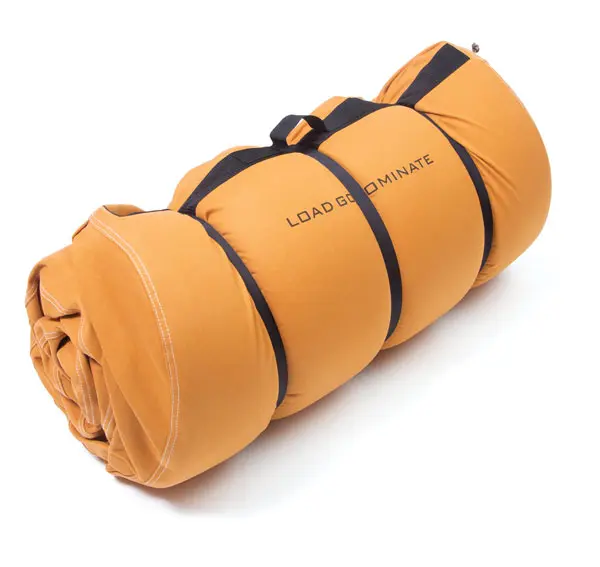
Once rolled, place the straps evenly around the sleeping bag. Tighten the straps to hold the roll firmly.
Secure the buckles or fasteners on the straps to prevent the sleeping bag from unrolling.
- Position straps near the ends and middle
- Pull straps tight but avoid damage
- Double-check that straps hold the roll firmly
Credit: shootingsportsman.com
Tips For Compact Packing
Rolling up a sleeping bag tightly helps save space. Using straps makes packing easier and neater.
Follow simple tips to keep your sleeping bag safe and long-lasting. This guide shows how to pack compactly with straps.
Using Compression Straps
Compression straps help squeeze air out of your sleeping bag. This reduces its size for easier carrying.
- Lay the sleeping bag flat and roll it tightly from the foot end.
- Wrap the compression straps evenly around the rolled bag.
- Tighten the straps to remove excess air and hold the shape.
- Secure the buckles to keep the straps in place during travel.
- Check the straps often to avoid loosening.
Avoiding Damage To The Bag
Be gentle when rolling to prevent damage. Avoid sharp bends and tight knots that can tear fabric.
| Common Mistake | How to Avoid |
| Rolling too tight | Leave slight room to protect insulation |
| Using sharp objects | Keep straps and bag away from knives or tools |
| Forcing the bag in small stuff sacks | Use the right size sack or pack without one |
Storing For Longevity
Store your sleeping bag loosely after trips. Tight storage can damage the insulation over time.
Follow these storage tips:
- Keep the bag in a large cotton storage sack or hang it.
- Store in a dry, cool place away from direct sunlight.
- Air the bag out after use to remove moisture.
Troubleshooting Common Issues
Rolling up a sleeping bag with straps can be tricky sometimes. You may face some problems like slipping straps or a loose roll.
This guide helps you fix common issues to keep your sleeping bag neat and compact.
Straps Slipping
Straps that slip make it hard to keep your sleeping bag tight. The cause is often loose buckles or worn-out straps.
- Check if the buckle teeth are clean and not broken.
- Tighten the strap fully before buckling.
- Use a small piece of rubber or tape around the strap to add friction.
- Replace old or stretched straps to improve grip.
Bag Not Rolling Tight Enough
A loose roll takes more space and is harder to carry. This usually happens if air is trapped inside or the bag is not folded properly.
- Lay the sleeping bag flat and smooth out wrinkles.
- Fold it evenly before starting to roll.
- Roll tightly from the foot end to push out air.
- Secure the straps as you roll to hold the shape.
- Adjust and tighten the straps again after rolling.
Dealing With Bulky Bags
Bulky bags can be hard to roll and strap tightly. Using the right technique and tools can help reduce size.
| Tip | Explanation |
| Compress Bag | Use a compression sack to squeeze out air. |
| Roll in Sections | Roll the bag in smaller parts before final rolling. |
| Use Wider Straps | Wide straps distribute pressure and hold bulky bags better. |
| Remove Excess Items | Take out liners or pads before rolling. |

Credit: www.amazon.co.uk
Frequently Asked Questions
How Do You Use Straps To Roll A Sleeping Bag?
Place the sleeping bag flat, fold it in half if needed. Roll tightly from the foot end. Secure straps around the rolled bag to keep it compact and prevent unrolling.
Why Roll A Sleeping Bag With Straps?
Straps keep the sleeping bag tightly rolled, saving space. They also protect the bag’s insulation and make it easier to carry and store.
Can Any Straps Work For Rolling Sleeping Bags?
Not all straps fit well. Use adjustable, durable straps designed for sleeping bags. Velcro or buckle straps work best for secure, tight rolls.
How Tight Should You Roll A Sleeping Bag?
Roll your sleeping bag firmly but not too tight. Tight rolling minimizes space but avoids damaging insulation or fabric.
Conclusion
Rolling up a sleeping bag with straps can be simple. Just follow the steps carefully. Practice makes it easier each time. Secure the straps tightly for compact storage. This prevents the bag from unrolling. Remember to keep your sleeping bag clean.
Dirt can damage the fabric. Proper care extends its life. Enjoy outdoor adventures with a neatly packed bag. No more messy sleeping bags to carry. Happy camping!