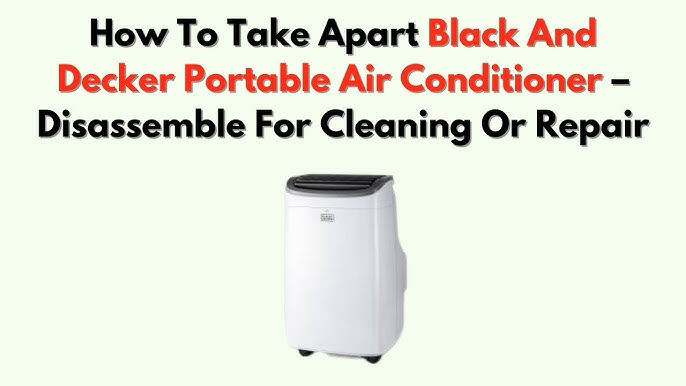
Are you looking to fix or clean your air conditioner but don’t know where to start? Taking apart an air conditioner might sound tricky, but with the right steps, you can do it safely and easily.
Knowing how to open up your AC gives you control over maintenance and repairs, saving you time and money. In this guide, you’ll discover simple, clear instructions that anyone can follow—even if you’re not a tech expert. Keep reading, and you’ll feel confident handling your air conditioner like a pro.

Credit: www.youtube.com
Tools Needed
Essential tools make taking apart an air conditioner easier and safer. A screwdriver setwith flathead and Phillips heads is needed to remove screws. A wrench or socket sethelps loosen nuts and bolts. Use needle-nose pliersto handle small parts and wires carefully. A multimeterchecks electrical connections to avoid shocks. Keep a utility knifehandy to cut any seals or tape. Safety gear like gloves and safety glassesprotect your hands and eyes during the process. Having a container or trayto hold screws and small pieces prevents losing them. A soft clothis useful to clean parts or wipe dust away. These tools cover most needs for disassembling an air conditioner.

Credit: www.reddit.com
Safety Precautions
Always unplug the air conditionerbefore starting any work. This stops electric shocks. Use gloves and safety glassesto protect your hands and eyes. Avoid touching sharp metal parts inside the unit. Work in a well-ventilated areato avoid breathing in dust or chemicals. Keep children and pets away from the workspace. Use proper tools to avoid damage or injury. Never try to open the compressor or refrigerant lines; these can be dangerous. If unsure, ask a professional for help. Staying safe is more important than saving time.
Preparing The Unit
Start by turning off the air conditioner’s power switch. Unplug the unit from the wall socket to avoid any electric shock.
Next, remove the outer cover carefully. Use a screwdriver if needed to unscrew the screws holding the cover.
Keep the screws in a safe place. This makes it easy to put the cover back later.
Be gentle while taking off the cover. Avoid breaking any plastic clips or wires.
Removing The Front Panel
First, turn off the air conditioner and unplug it from the power source. This is very importantfor safety. Check for any screws on the front panel. Use a screwdriver to remove them carefully. Some models may have clips instead of screws. Gently press or pull these clips to release the panel.
Hold the front panel firmly and pull it towards you. Be careful not to break any plastic parts. Set the panel aside in a safe place. This will give you access to the inside parts of the air conditioner.
Detaching Filters And Grilles
First, unplug the air conditioner to ensure safety. Gently pull the front grille to release it from the unit. Most grilles have clips or screws that hold them in place. Use a screwdriver if screws are present. Carefully remove the grille and set it aside.
Locate the filters behind the grille. They usually slide out or lift out easily. Check for dust and dirt buildup. Clean the filters with warm water and mild soap. Let them dry completely before reinstalling. Clean filters help the air conditioner work better and last longer.
- Unplug the unit before starting
- Remove screws or clips holding the grille
- Gently pull out the grille
- Slide or lift out the filters
- Wash filters with warm, soapy water
- Dry filters completely before putting back

Credit: www.youtube.com
Disassembling Internal Components
Begin by unplugging the air conditioner to ensure safety. Remove the screws holding the fan cover. Gently pull out the fan blade, taking care not to bend it. Keep track of screws for reassembly. The fan motor may be connected with clips or screws; detach them carefully.
Locate the evaporator coil inside the unit. Disconnect any pipes or tubes attached to it. Unscrew the brackets holding the coil in place. Handle the coil with care to avoid damage. Place it on a soft surface once removed.
Electrical parts must be disconnected carefully. Identify wires connected to the control board and other components. Use labels or take photos to remember wire positions. Gently unplug connectors or unscrew terminals. Avoid pulling wires forcefully to prevent damage.
Handling Refrigerant Safely
Refrigerantis a harmful gas used in air conditioners. It must be handled with care. Use protective glovesand safety gogglesbefore starting any work. Always work in a well-ventilated areato avoid breathing fumes. Never release refrigerant into the air; it damages the environment.
Only licensed professionals should recover refrigerant. They use special tools to capture and storeit safely. If you see a leak, turn offthe air conditioner immediately and call an expert. Avoid touching any parts that may be cold or hot to prevent injury.
- Wear safety gear:gloves, goggles, and mask
- Work outside or in open spacesonly
- Do not release refrigerantinto the air
- Call a professionalfor refrigerant handling
- Turn off powerbefore starting any work
Cleaning And Inspecting Parts
Remove dust and dirt gently using a soft brush or cloth.
Check the filtersfor clogs. Clean or replace them if needed.
Look at the coils. Dirty coils reduce cooling power.
Inspect the finsfor bends. Straighten bent fins carefully.
Examine the drain panfor water buildup or rust.
Check wiring and connections for any damageor loose parts.
Test the fanblades. Clean and ensure they spin freely.
Use a vacuum to remove dust from hard-to-reach places.
- Wear gloves to protect your hands.
- Use mild soap and water for cleaning parts.
- Avoid using sharp objects on delicate parts.
Storing Or Disposing Components
Store parts in a dry, safe place to avoid damage. Use labeled boxes for easy finding later.
Dispose of components that cannot be reused properly. Some parts, like refrigerants, need special handling.
| Component | Storage Tips | Disposal Notes |
|---|---|---|
| Metal parts | Keep in dry boxes to prevent rust | Recycle at metal scrap centers |
| Plastic pieces | Store in sealed containers | Check local recycling rules |
| Refrigerant | Do not store without proper equipment | Contact certified disposal services |
| Electrical parts | Keep dry and away from children | Dispose of at electronic waste centers |
- Label every box clearly for quick access
- Follow local laws for hazardous waste
- Wear gloves when handling sharp parts
Frequently Asked Questions
How Do I Safely Disconnect An Air Conditioner?
First, unplug the unit from the power source. Then, turn off the circuit breaker to avoid electric shock. Wear gloves and safety goggles before handling internal parts to protect yourself.
What Tools Are Needed To Take Apart An Air Conditioner?
You will need a screwdriver, pliers, a wrench, and a multimeter. These tools help remove screws, disconnect wires, and test electrical components safely.
Can I Reuse Parts After Disassembling The Air Conditioner?
Yes, many parts like filters, fans, and compressors can be reused. Clean and inspect each part carefully before reinstalling or storing them.
How Do I Avoid Damaging Components During Disassembly?
Handle all parts gently and avoid using excessive force. Keep screws and small parts organized to prevent loss or damage during reassembly.
Conclusion
Taking apart an air conditioner can seem tricky. Follow each step carefully. Stay organized with tools and parts. Safety first—always unplug the unit. Label parts for easy reassembly. Remember, patience is key. If unsure, consult a professional. Practice makes the task easier.
With care, your air conditioner will work well again. Happy fixing!