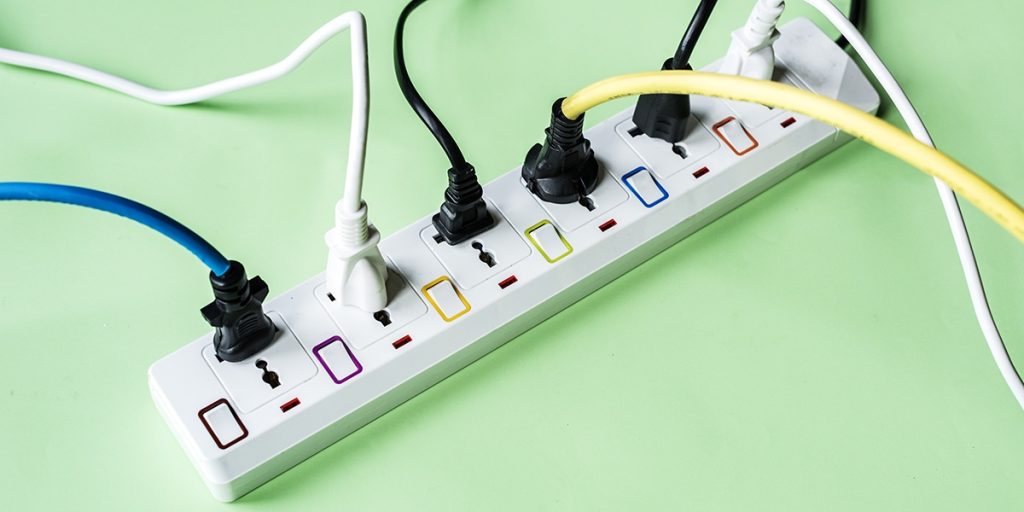
Are you wondering if it’s safe to plug your air conditioner into an extension cord? You might be tempted to use one when the power outlet is just out of reach or when you don’t have enough sockets.
But before you do, it’s important to understand the risks and what could happen to your AC unit—and your home. Keep reading to find out the truth about using extension cords with air conditioners and learn how to keep your cooling system running safely and efficiently.
This simple knowledge could save you from costly damage or even a fire hazard.

Credit: www.reddit.com
Air Conditioner Power Needs
Air conditioners require a certain amount of power to work properly. Knowing how much power they need can help you use them safely. Using the wrong power source can cause damage or fire risks.
Power needs are measured in watts and amps. These numbers tell you how much electricity the unit uses. Understanding these values helps decide if an extension cord can be used.
Typical Wattage And Amperage
Most home air conditioners use between 500 and 1500 watts. The amperage usually ranges from 5 to 15 amps. Small window units use less power, while central systems need more.
| Type of Air Conditioner | Typical Wattage | Typical Amperage |
|---|---|---|
| Small Window Unit | 500 – 800 W | 5 – 7 A |
| Medium Window Unit | 800 – 1200 W | 7 – 10 A |
| Large Window Unit | 1200 – 1500 W | 10 – 15 A |
| Central Air Conditioner | 2000+ W | 15+ A |
Start-up Vs. Running Power
Air conditioners need more power to start than to keep running. This extra power is called the start-up or surge current. It can be two to three times the running power.
- Start-up power can cause extension cords to overheat.
- Running power is the steady electricity used during operation.
- Extension cords must handle the start-up surge safely.
- Using a low-quality or thin cord can cause electrical hazards.
- Always check the extension cord rating before use.
Extension Cord Basics
Using an extension cord for an air conditioner needs care. The cord must handle the power safely. Choosing the right cord stops risks.
This guide explains the main points about extension cords. You will learn about cord gauge, length, and types.
Cord Gauge And Length
The gauge is the thickness of the wire inside the cord. A smaller number means a thicker wire. Thicker wire carries more power safely.
Length affects the power flow. Longer cords can lose power and heat up. Use the shortest cord you can.
| Gauge (AWG) | Max Length (feet) | Usage |
| 16 | 50 | Light appliances |
| 14 | 75 | Medium power tools |
| 12 | 100 | Heavy-duty tools and ACs |
| 10 | 150 | Very heavy loads |
Types Of Extension Cords
Extension cords come in types based on use and design. Choose the right type for safety and performance.
- Indoor cords:Thin insulation, not water resistant.
- Outdoor cords:Thick insulation, resists weather.
- Heavy-duty cords:Thick wires, for high power devices.
- Light-duty cords:For small devices, low power.
Risks Of Using Extension Cords
Many people wonder if they can plug an air conditioner into an extension cord. It is common to use extension cords for many devices. But using them with air conditioners can cause problems.
Air conditioners need a lot of power to run. Extension cords may not handle this power safely. This can lead to risks that affect your home and health.
Overheating And Fire Hazards
Extension cords can get very hot when they carry too much electricity. Air conditioners draw high current, which can cause the cord to overheat. Overheated cords may melt or catch fire.
Using a thin or long extension cord increases the risk of overheating. Poor quality cords may not have proper insulation or wire thickness. This makes fire hazards more likely.
- Extension cords not rated for air conditioner power can overheat
- Overheated cords may cause melting or sparks
- Fire can start if the cord or plug gets too hot
- Long cords increase heat buildup and risk
Voltage Drops And Performance Issues
Extension cords can cause voltage drops. This means your air conditioner gets less power than it needs. Low voltage can make the unit work harder and less efficiently.
Voltage drops may cause the air conditioner to run poorly or stop working. It can also shorten the life of the compressor and other parts. This leads to costly repairs or replacement.
- Long or thin cords cause voltage drop
- Lower voltage makes air conditioners less effective
- Hard work from low voltage damages parts
- Performance problems and repairs can result

Credit: northnjhvac.com
When Extension Cords Are Acceptable
Many people wonder if they can plug an air conditioner into an extension cord safely. Using the wrong cord can cause problems. Some extension cords are okay for short use.
It is important to know which cords work and how to use them safely. This helps avoid damage or fire risks.
Heavy-duty Cords Only
Air conditioners need a lot of power. Thin or light cords can overheat. Only use heavy-duty extension cords with air conditioners.
Heavy-duty cords have thick wires. They can carry more electricity without getting hot. Look for cords marked for high power use.
- Choose cords with at least 14-gauge wire or thicker
- Use cords rated for 15 amps or more
- Check that the cord is grounded (three-prong plug)
- Avoid cheap or damaged cords
Temporary Use Guidelines
Extension cords are not good for long-term air conditioner use. They should only be used for a short time. Long use may cause heat build-up and risks.
Use extension cords temporarily while you find a better solution. Do not run cords under carpets or through doors. Keep cords dry and away from foot traffic.
- Use the cord only for short periods
- Inspect cords before each use
- Keep cords fully uncoiled to avoid heat
- Do not connect multiple extension cords together
Safe Alternatives To Extension Cords
Using an extension cord for your air conditioner can be risky. It may cause overheating and electrical fires. There are safer ways to power your AC unit without using extension cords.
Here are two safe alternatives to consider. These options ensure your air conditioner runs safely and efficiently.
Dedicated Circuits
A dedicated circuit means your air conditioner has its own power line. It does not share electricity with other devices. This setup prevents overloads and improves safety.
- Provides stable power to the air conditioner
- Reduces risk of electrical fires
- Prevents circuit breakers from tripping
- Meets electrical code requirements
Professional Installation
Hire a licensed electrician to install your air conditioner. Professionals know how to set up wiring safely and correctly. They can install dedicated circuits and outlets designed for heavy appliances.
| Service | Benefit |
| Electrical wiring inspection | Ensures safety and code compliance |
| Dedicated circuit installation | Provides stable and safe power supply |
| Proper outlet setup | Prevents damage to the air conditioner |
| Safety testing | Reduces risk of electrical hazards |

Credit: www.reddit.com
Tips For Safe Use
Using an extension cord for an air conditioner can be risky if not done safely. You need to follow some rules to keep your home safe.
These tips help prevent fires, electric shocks, and damage to your air conditioner or cords.
Inspecting Cords Regularly
Check your extension cords often for any signs of damage. Look for cracks, frays, or exposed wires. Replace cords if you see any problems.
Damaged cords can cause shorts or fires. Make sure the cord is rated for the power your air conditioner needs.
Avoiding Daisy Chaining
Do not plug one extension cord into another. This is called daisy chaining and can overload the cords. Overloads may cause overheating or fire.
Use a single, heavy-duty extension cord that can handle the air conditioner’s power needs.
- Daisy chaining creates extra resistance
- It increases fire risk
- It can damage your air conditioner
Proper Cord Placement
Place the extension cord where it will not be stepped on or pinched by furniture. Avoid running cords under rugs or carpets.
Keep cords away from water or heat sources. This helps prevent damage and keeps the area safe.
- Keep cords flat on the floor
- Do not run cords through doorways
- Keep cords dry and cool
Frequently Asked Questions
Can You Safely Use An Extension Cord For Air Conditioners?
Using an extension cord for air conditioners is generally unsafe. Most units need a direct wall outlet due to high power demand. Extension cords may overheat, causing fire risks. Always use a properly rated cord if absolutely necessary, but direct connection is best.
What Type Of Extension Cord Suits An Air Conditioner?
Choose a heavy-duty extension cord rated for at least 15 amps. It must have thick gauge wires (12 or 14 gauge) to handle high current. Avoid thin or cheap cords, as they can overheat and damage your air conditioner.
Why Is Plugging Ac Into An Extension Cord Risky?
Air conditioners draw large electrical currents. Extension cords not rated for this load can overheat and cause electrical fires. Poor connections can also reduce performance or damage the unit. It’s safer to plug the AC directly into a wall outlet.
Can Extension Cords Cause Air Conditioner Damage?
Yes, using the wrong extension cord can damage your air conditioner. Insufficient power delivery can cause overheating and motor strain. This reduces efficiency and shortens the unit’s lifespan. Always use a suitable, heavy-duty cord or avoid extension cords altogether.
Conclusion
Choosing the right power source for an air conditioner is vital. Using an extension cord might seem easy. But it can be risky. Overheating and potential hazards are concerns. Direct wall outlets provide safer power. They’re designed for high electrical loads.
Always prioritize safety in your home. Investing in proper wiring prevents accidents. Keep your air conditioner running smoothly. Consider professional advice if unsure. A little caution goes a long way. Ensure your comfort and safety with smart choices. Your home deserves the best care.
Stay cool and safe with the right setup.