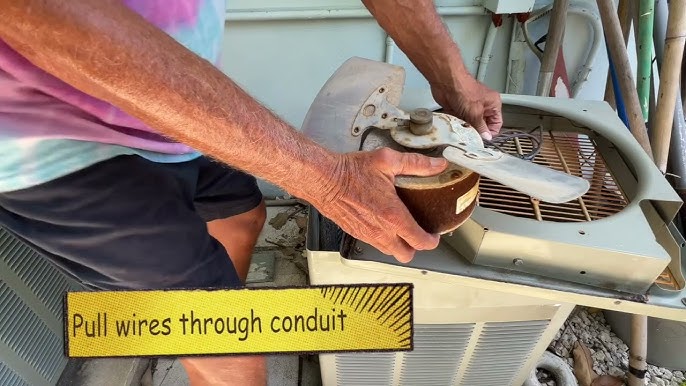
Is your air conditioner making strange noises or not cooling like it used to? The problem might be your AC motor.
Replacing it might sound tricky, but with the right steps, you can do it yourself and save money. In this guide, you’ll learn exactly how to replace your air conditioner motor safely and efficiently. Keep reading—you’ll find simple instructions that anyone can follow, even if you’re not a pro.
By the end, your AC will be running smoothly again, and you’ll feel proud knowing you fixed it yourself.

Credit: www.youtube.com
Tools And Materials Needed
Replacing an air conditioner motor requires careful preparation. You need the right tools and parts before starting the job.
This guide lists all essential tools and materials. Gather these items to ensure a smooth replacement process.
Tools Required
- Screwdrivers (flathead and Phillips)
- Wrench set
- Multimeter for electrical testing
- Pliers (needle-nose and regular)
- Nut driver set
- Wire strippers and cutters
- Voltage tester
- Flashlight or work light
- Safety gloves and goggles
Materials Needed
You must have the correct replacement motor for your air conditioner model. Check the motor’s specifications before buying.
| Material | Description |
| Replacement Motor | Match the exact size and voltage |
| Mounting Bolts | New bolts if old ones are worn |
| Electrical Tape | For securing wire connections |
| Wire Connectors | Use if original connectors are damaged |
| Cleaning Brush | To clean dust before installation |
| Lubricant | For motor bearings if needed |
Safety Equipment
Safety is important when working with electrical parts. Use protective gear to avoid injury.
- Insulated gloves
- Safety goggles
- Dust mask
- Closed-toe shoes

Credit: www.jccomfort.com
Safety Precautions
Replacing an air conditioner motor can be dangerous without the right safety steps. It is important to protect yourself and your home.
Follow these safety precautions carefully to avoid accidents and damage during the motor replacement.
Turn Off The Power
Always switch off the power to the air conditioner before starting work. This stops electric shocks and injuries.
Use the main circuit breaker or unplug the unit to cut off electricity completely.
Wear Protective Gear
Wear safety glasses to shield your eyes from dust and debris. Gloves protect your hands from sharp parts.
- Use safety glasses or goggles
- Wear thick gloves
- Consider long sleeves to protect your arms
Handle Components Carefully
Air conditioner parts can be fragile or sharp. Handle the motor and wires with care to avoid damage or cuts.
Do not force any parts when removing or installing. Check for screws or clips holding them in place.
Work In A Well-ventilated Area
Make sure the area has good airflow. This prevents overheating and helps clear any dust or fumes.
Avoid working in confined spaces where heat or chemicals can build up quickly.
Use The Right Tools
Use tools that fit well and are meant for electrical work. This reduces the risk of slipping or damaging parts.
- Screwdrivers with insulated handles
- Multimeter for checking power
- Pliers for gripping wires
Check For Proper Support
Make sure the air conditioner is stable before working on it. Use a sturdy ladder or platform if needed.
Unstable setups can cause falls or damage to the unit and motor.
Preparing The Air Conditioner
Replacing the motor in your air conditioner needs careful preparation. This helps you work safely and avoid damage.
Start by making sure the unit is fully powered off and easy to open. These steps make the process safer and smoother.
Turning Off Power
Always turn off the power before working on your air conditioner. This protects you from electric shock and stops the motor from running.
- Locate the main power switch or circuit breaker for your AC.
- Switch off the power supply completely.
- Use a voltage tester to confirm no electricity is flowing.
- Wear insulated gloves if possible for extra safety.
Accessing The Motor
After the power is off, you need to open the air conditioner casing. This allows you to reach the motor easily.
| Tool | Use |
| Screwdriver | Remove screws holding the cover |
| Pliers | Disconnect wires safely |
| Flashlight | See clearly inside the unit |
Keep track of all screws and parts you remove. This will help when you put everything back together.
Removing The Old Motor
Removing the old air conditioner motor is an important part of the replacement process. It requires careful handling to avoid damage.
Follow the steps below to safely disconnect and detach the motor from your unit.
Disconnecting Wiring
Before removing the motor, you must disconnect its wiring. This stops electricity from flowing and keeps you safe.
- Turn off the power supply to the air conditioner at the breaker box.
- Locate the motor wiring inside the unit’s electrical panel.
- Use a voltage tester to confirm no power is present.
- Take a photo or label each wire to remember its connection.
- Carefully disconnect the wires using a screwdriver or pliers.
Detaching The Motor
After wiring is disconnected, you can detach the motor from its mount. This requires loosening screws and bolts.
| Tool | Purpose |
|---|---|
| Socket wrench | Remove mounting bolts |
| Screwdriver | Unscrew motor brackets |
| Work gloves | Protect your hands |
| Flashlight | See inside the unit clearly |
Once all fasteners are removed, gently lift the motor out of the unit. Keep it steady to avoid damaging other parts.
Installing The New Motor
Installing a new air conditioner motor is a key step in fixing your unit. You need to place the motor correctly and connect the wires safely.
Careful installation helps the motor work well and last longer. Follow these steps to set up the new motor right.
Positioning The Motor
Put the motor in the same spot as the old one. Make sure it fits well without forcing it.
Align the motor shaft with the fan or blower wheel. This helps the motor turn smoothly without rubbing.
- Check mounting brackets for damage
- Secure the motor with screws or bolts
- Ensure the motor is level and steady
- Leave space for air to cool the motor
Reconnecting Wiring
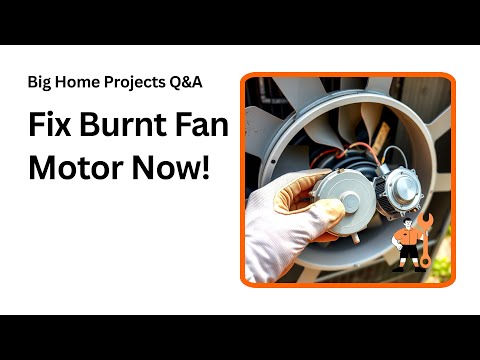
Match the wires of the new motor to the old wiring setup. Use the color codes or labels to guide you.
Connect wires tightly to avoid loose links. Loose wires can cause the motor to stop or spark.
- Turn off power before touching wires
- Use wire nuts or connectors for joins
- Double-check connections for safety
- Secure wires to prevent movement
Credit: www.youtube.com
Testing The New Motor
After installing a new air conditioner motor, testing it is important. This step ensures the motor works correctly and safely.
Testing helps find any issues before closing the unit and using it regularly.
Check Electrical Connections
Start by inspecting all wiring connections. Make sure each wire is tight and connected to the right terminal.
Loose or wrong connections can cause motor failure or damage.
- Turn off power before checking wires
- Match wire colors to terminals
- Tighten all screws firmly
Power On And Listen
Switch the power back on to the air conditioner. Listen to the motor start running.
The motor should run smoothly without strange noises like grinding or squealing.
- Watch for unusual sounds
- Feel if the motor vibrates excessively
- Stop immediately if you notice smoke or burning smell
Measure Voltage And Current
Use a multimeter to check the motor’s voltage and current. These readings show if the motor gets proper power.
Compare the values to the motor’s label specifications to confirm correct operation.
- Set multimeter to measure AC voltage
- Check voltage at motor terminals
- Measure current with clamp meter if available
- Ensure values match motor ratings
Test Motor Rotation
Observe the motor shaft to see if it rotates in the correct direction. Some motors have arrows showing rotation.
If the motor spins the wrong way, it may cause the air conditioner to work poorly or not at all.
- Look for rotation arrows on motor housing
- Note the shaft turning direction
- Reverse wires if rotation is incorrect
Check Motor Temperature
Let the motor run for a few minutes. Feel the motor housing to check if it gets too hot.
A warm motor is normal, but very hot means a problem like overloading or poor ventilation.
- Run motor for 5-10 minutes
- Touch motor casing carefully
- Stop if temperature feels unsafe
Troubleshooting Common Issues
Replacing an air conditioner motor can fix many common problems. Knowing how to find these issues helps you save time and money.
This guide will help you spot motor problems and understand what to do next.
Motor Not Starting
If your air conditioner motor does not start, it may have a power problem. Check the electrical connections first.
Sometimes, the motor’s capacitor is faulty. A bad capacitor can stop the motor from running.
- Inspect the power supply and wiring for damage
- Test the capacitor with a multimeter
- Replace the capacitor if it shows low or no capacitance
Motor Runs But Airflow Is Weak
The motor might run but the fan could be slow or weak. This reduces airflow and cooling.
Check if the motor shaft or fan blades are blocked or dirty. Also, the motor bearings might be worn out.
- Clean the fan blades and motor area
- Look for obstructions blocking the fan
- Listen for unusual noise from motor bearings
- Replace motor if bearings are damaged
Motor Overheating
Overheating motors can stop working suddenly. It may cause a burning smell or tripped breakers.
Check for poor ventilation or a dirty motor. Also, the motor windings could be damaged.
- Clean dust and dirt from motor vents
- Ensure the motor has enough airflow around it
- Test motor windings for electrical faults
- Replace motor if windings are burned or shorted
Unusual Noises From The Motor
Grinding, squealing, or rattling noises mean the motor needs attention. Noises often come from worn parts.
Check the motor bearings and fan alignment. Loose parts can also cause noise.
- Lubricate motor bearings if possible
- Tighten any loose screws or bolts
- Replace the motor if noise continues
Frequently Asked Questions
How Do I Know If My Ac Motor Needs Replacement?
You may notice unusual noises, reduced airflow, or the AC not cooling properly. These signs often indicate a failing motor. Inspect the motor for burning smells or visible damage before deciding on replacement.
What Tools Are Required To Replace An Ac Motor?
Basic tools include a screwdriver, multimeter, wrench, and wire stripper. You may also need safety gloves and a replacement motor that matches your AC model.
Can I Replace The Ac Motor Myself Safely?
Yes, if you follow safety precautions like turning off power and using proper tools. However, if unsure, consult a professional to avoid injury or damage.
How Long Does It Take To Replace An Air Conditioner Motor?
Typically, replacement takes 1 to 2 hours depending on your experience and AC model. Preparation and careful handling can reduce the total time needed.
Conclusion
Replacing an air conditioner motor can seem daunting. But with the right guidance, it’s manageable. Ensure you have the correct tools and safety gear. Follow each step carefully. Patience is key. Take your time to understand each part. Double-check connections before starting the unit.
A well-replaced motor ensures smooth operation. It also extends the life of your air conditioner. Regular maintenance prevents future issues. Always consult a professional if unsure. This keeps your system running efficiently. Stay cool and enjoy a comfortable home environment!