Are you curious about how much energy your house air conditioner uses? Knowing the watts your AC consumes can help you save money on bills and make smarter choices for your home.
Whether you want to cut costs or understand your energy needs better, this article will give you clear, simple answers. Keep reading to discover how your air conditioner’s power use impacts your wallet and what you can do to control it.

Credit: www.reddit.com
Air Conditioner Power Basics
Different types of air conditionersuse different amounts of power. Window units are smaller and use less energy. Central air conditioners cool whole homes and use more watts. Portable air conditioners fall in between.
| Type of Air Conditioner | Typical Wattage Range |
|---|---|
| Window Unit | 500 – 1500 watts |
| Portable Unit | 1000 – 2000 watts |
| Central Air Conditioner | 2000 – 5000+ watts |
The wattage rangedepends on the size and cooling power. Bigger homes need larger units that use more watts. Smaller rooms use less power. Energy efficiency also affects power use. Look for units with a high SEER rating to save energy.
Factors Influencing Power Usage
Unit sizeaffects how many watts an air conditioner uses. Bigger units need more powerto cool large spaces. Smaller units use less energy but cool smaller rooms.
Efficiency ratingsshow how well the unit uses electricity. Higher ratings mean the unit uses less energyto cool the same area. Look for units with good ratings to save power.
Usage patternsalso change power use. Running the AC all dayuses more watts than using it just for a few hours. Setting the temperature lower makes the unit work harder and use more energy.
Calculating Energy Consumption
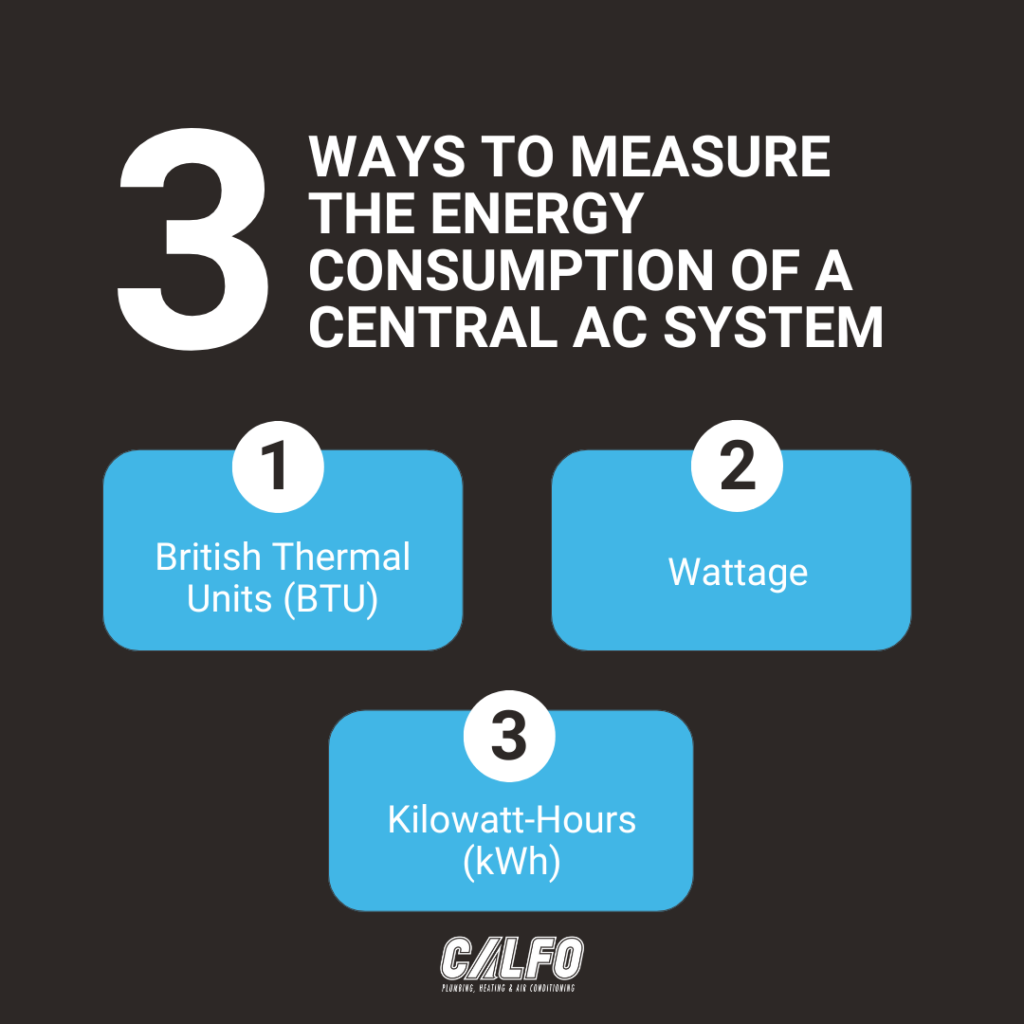
To find how much energy an air conditioner uses, start with its wattage. Most home AC units range from 500 to 3500 watts. Convert watts to kilowatt-hours (kWh) by dividing watts by 1000, then multiply by hours used.
For example, a 1500-watt AC running 8 hours a day uses:
- 1500 watts ÷ 1000 = 1.5 kW
- 1.5 kW × 8 hours = 12 kWh per day
Estimate monthly energy use by multiplying daily kWh by days used.
| Wattage (W) | Daily Usage (hours) | Daily kWh | Monthly kWh (30 days) |
|---|---|---|---|
| 1000 | 8 | 8 | 240 |
| 1500 | 8 | 12 | 360 |
| 2000 | 8 | 16 | 480 |
To estimate cost, multiply monthly kWh by your electricity rate.
Credit: aurorasolar.com
Energy-saving Tips
Setting your thermostat to around 78°Fin summer helps save energy. This keeps your home cool without using extra power. Avoid setting it too low. Each degree lower can raise energy use by about 6%.
Regular maintenance keeps your air conditioner working well. Clean or replace filters every 1-2 months. Dirt blocks airflow, making the unit work harder. Check the coils and fins for dirt or damage. This improves efficiency and lowers power use.
Upgrading to an energy-efficient modelcan cut electricity bills. Look for units with the ENERGY STARlabel. These use less power and cool better. Newer models have better technology for saving energy. This is a good choice if your old unit is over 10 years old.
Comparing Cooling Options
Central air conditionersuse more power than window units. They cool the whole house through ducts. Their power use can range from 2000 to 5000 watts. This depends on the size of the house and unit efficiency.
Window unitscool only one room. They use less power, typically between 500 to 1500 watts. They are easier to install and cost less to run.
Portable air conditioners are small and easy to move. They use about 800 to 1400 watts. They cool single rooms but need a vent to push hot air outside.
| Type | Power Usage (Watts) | Cooling Area |
|---|---|---|
| Central Air Conditioner | 2000 – 5000 | Whole House |
| Window Unit | 500 – 1500 | Single Room |
| Portable AC | 800 – 1400 | Single Room |
Environmental Impact
Air conditioners use a lot of electricity, which creates carbon dioxide. This gas adds to global warming. The more watts an AC uses, the higher the carbon footprint. Older models use more power and pollute more.
Using renewable energylike solar or wind can cut pollution from cooling. Solar panels on a house can power an AC without burning fossil fuels. This helps reduce harmful gases and saves money over time.
| Energy Source | Impact on Carbon Footprint |
|---|---|
| Coal/Electric Grid | High carbon emissions |
| Natural Gas | Moderate carbon emissions |
| Solar Power | Zero carbon emissions |
| Wind Power | Zero carbon emissions |

Credit: aurorasolar.com
Frequently Asked Questions
How Many Watts Does A Typical House Ac Use?
A typical house air conditioner uses between 1,000 and 2,500 watts per hour. Usage depends on unit size and efficiency.
What Factors Affect An Ac’s Watt Consumption?
Watt consumption varies by AC size, cooling capacity, usage duration, and energy efficiency rating.
How Can I Reduce My Ac’s Energy Use?
Use a programmable thermostat, maintain filters, seal leaks, and set higher temperatures when away.
Does A Bigger Ac Unit Use More Watts?
Yes, bigger AC units generally consume more watts due to higher cooling capacity.
Conclusion
Understanding air conditioner wattage helps manage energy use effectively. Knowing your unit’s wattage can save money and reduce environmental impact. Regular maintenance ensures efficient operation. Choose energy-efficient models for better savings. Consider room size when selecting a unit. This will prevent overuse and high electricity bills.
Simple actions can lead to significant savings. Be mindful of usage patterns. Turn off the AC when not needed. These steps will keep your home comfortable and your wallet happy. Stay informed. Make smart energy choices. Your efforts will pay off in the long run.