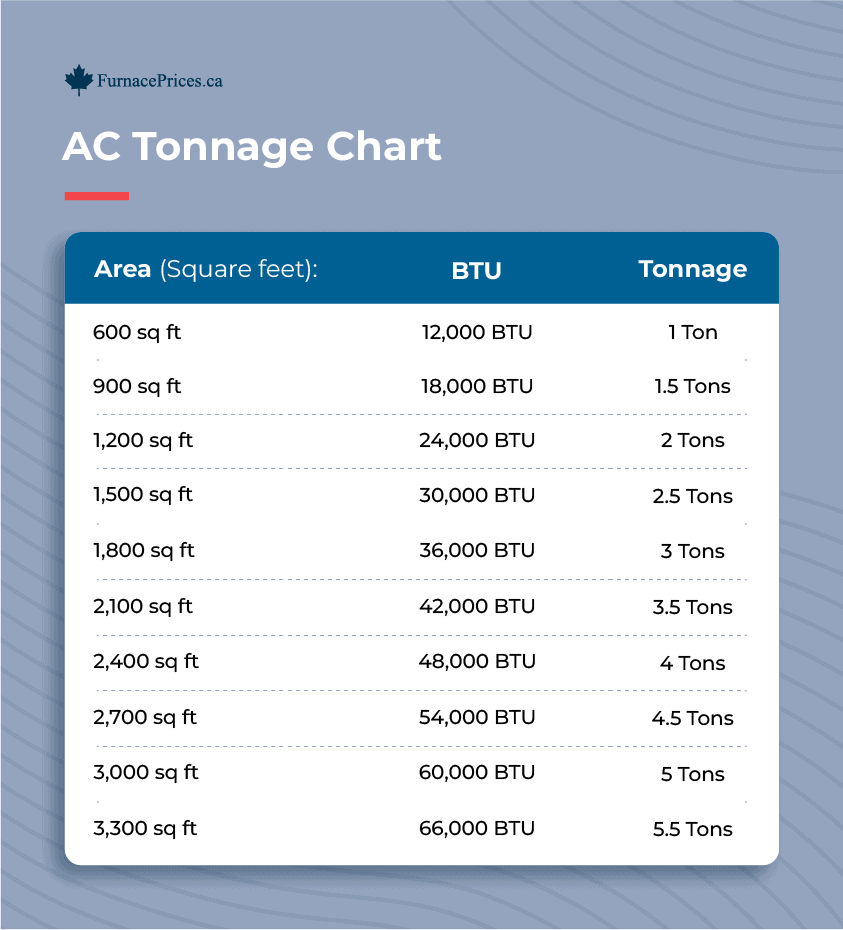
Choosing the right size air conditioner for your 1300 square foot house is more important than you might think. Pick one too small, and your home won’t cool properly.
Choose one too big, and you’ll waste energy and money. You want to feel comfortable without breaking the bank. This guide will help you find the perfect air conditioner size so you can enjoy cool, refreshing air all summer long.
Keep reading, and you’ll learn exactly what to look for to make the best decision for your home and wallet.

Credit: thefurnaceoutlet.com
Factors Influencing Ac Size
Climateaffects AC size a lot. Hot places need bigger units. Cooler areas use smaller ones. This keeps rooms comfy and saves energy.
House insulationblocks heat from outside. Good insulation means less cooling needed. Poor insulation forces the AC to work harder.
- Sun exposure: More sun means more heat inside.
- Shady homes stay cooler and need smaller AC.
Number of occupantsmatters. More people produce more body heat. This heat adds to the room’s temperature.
Appliance heat outputalso counts. Devices like ovens and computers generate heat. This heat must be cooled by the AC too.
Calculating Cooling Capacity
To cool a 1300 square foot house, you need to know the right BTU capacity. BTU means British Thermal Unit and shows how much heat an air conditioner can remove.
Generally, 20 BTUs per square footis a good rule for homes with 8-foot ceilings. For a 1300 sq ft house, multiply 1300 by 20.
| Square Footage | BTU per Sq Ft | Total BTU Needed |
|---|---|---|
| 1300 sq ft | 20 | 26,000 BTU |
If the room height is more than 8 feet, increase BTUs by about 10%. Taller rooms hold more air and need extra cooling power.
Recommended Ac Sizes For 1300 Sq Ft
For a 1300 square foot house, the recommended air conditioner sizeusually ranges between 1.5 to 2 tons. This size helps cool your space efficiently without wasting energy.
- Standard Cooling Needs:A 1.5-ton AC is often enough for mild climates.
- High Heat Areas:Choose a 2-ton AC for hotter regions to keep rooms cool.
- Energy Efficient Options:Look for models with a high SEER rating to save on bills.
| Condition | Recommended AC Size |
|---|---|
| Normal Climate | 1.5 Tons (18,000 BTU) |
| Hot Climate | 2 Tons (24,000 BTU) |
| Energy Saving Models | High SEER Rating Units |
Types Of Air Conditioners
Central AC Systemscool entire homes through ducts. They offer consistent coolingand work quietly. Installation costs are higher but efficient for 1300 square feet.
Ductless Mini Splitsare good for homes without ducts. They provide room-by-room coolingand save energy. Easy to install and control temperature in each space.
Window Unitsfit in windows and cool single rooms. They are affordableand easy to install. Best for small spaces or a few rooms only.
Portable ACsmove from room to room. No installation needed, but less powerful. Ideal for temporary or small space cooling.
Energy Efficiency And Costs
SEER ratingsmeasure how well an air conditioner uses energy. Higher SEER means better energy savings. Most homes benefit from units with SEER ratings between 13 and 16. Choosing a unit with a good SEER rating can cut your energy bills.
Operating costs depend on the unit’s size and efficiency. A properly sized AC for a 1300 sq ft house uses less power. Running a unit too big wastes energy and costs more. Smaller units may run longer and increase wear but save on power.
- Clean or replace filters every 1-3 months.
- Check refrigerant levels yearly.
- Keep outdoor unit free of debris.
- Schedule professional maintenance once a year.
- Seal and insulate ductwork to reduce leaks.
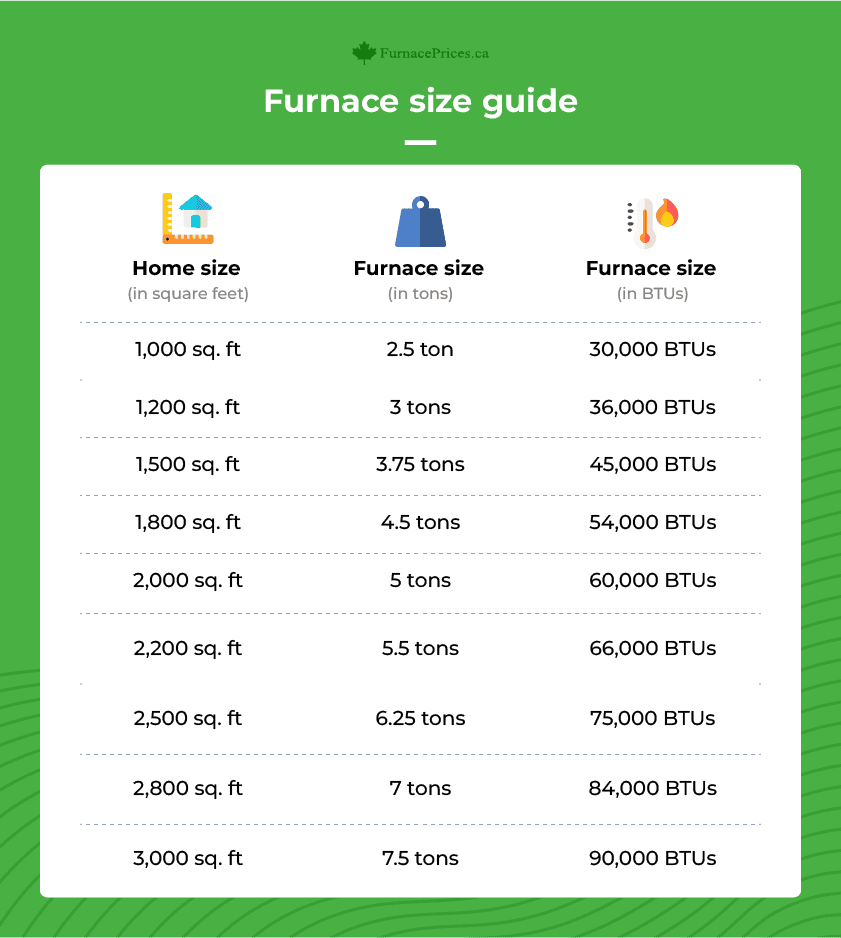
Credit: www.furnaceprices.ca
Installation Considerations
Professional installationensures the air conditioner works well and lasts longer. Experts know how to size the unit and connect it correctly. DIY installationmight save money but risks poor setup and damage.
Ductworkmust be checked for leaks and good airflow. Old ducts may need repair or replacement to cool the house efficiently.
- Place the unit where air flows freely.
- Avoid spots with direct sunlight or heat sources.
- Keep the outdoor unit clear of plants and debris.
- Ensure easy access for maintenance.
Signs Of Incorrect Ac Size
Short cyclingmeans the AC turns on and off too fast. It can cause wear and tearand higher repair costs. This often happens if the AC is too big for the house.
Uneven coolingfeels like some rooms are cold while others stay warm. This happens when the AC cannot cool the whole house properly. It may be too small or badly placed.
High energy billscan mean the AC is working too hard. If the unit is too small, it runs longer. If too big, it uses too much power in short bursts. Both waste energy and raise costs.

Credit: thefurnaceoutlet.com
Frequently Asked Questions
What Btu Air Conditioner Suits A 1300 Sq Ft House?
A 1300 sq ft house typically requires a 24,000 to 30,000 BTU air conditioner. This size efficiently cools the space without overworking. Factors like insulation and sunlight affect the exact BTU needed. Choosing the right BTU ensures comfort and energy efficiency.
How To Calculate Ac Size For 1300 Square Feet?
Multiply the square footage by 20 BTU to estimate AC size. For 1300 sq ft, multiply 1300 by 20, resulting in 26,000 BTU. Adjust for factors like ceiling height and climate. This method gives a good starting point for selecting an air conditioner.
Can A Smaller Ac Cool A 1300 Sq Ft House?
A smaller AC may struggle to cool a 1300 sq ft house adequately. It will run longer, increasing energy bills and wear. Undersized units fail to maintain comfortable temperatures. It’s best to choose an AC sized correctly for your home’s area.
Does Insulation Affect Ac Size For 1300 Sq Ft Homes?
Yes, good insulation reduces the AC size needed for 1300 sq ft homes. Proper insulation keeps cool air inside and heat out. Poor insulation requires a larger unit to maintain comfort. Always consider insulation quality when selecting AC capacity.
Conclusion
Choosing the right air conditioner is important for comfort. A 1300 square foot house needs the correct size unit. Too small, and it won’t cool well. Too large, and it wastes energy. Consider factors like climate, insulation, and room layout.
Consult with experts if unsure. Proper sizing ensures efficiency and comfort. It also saves on energy bills. Make informed decisions for a cooler home. Enjoy a comfortable living space year-round. Stay cool!