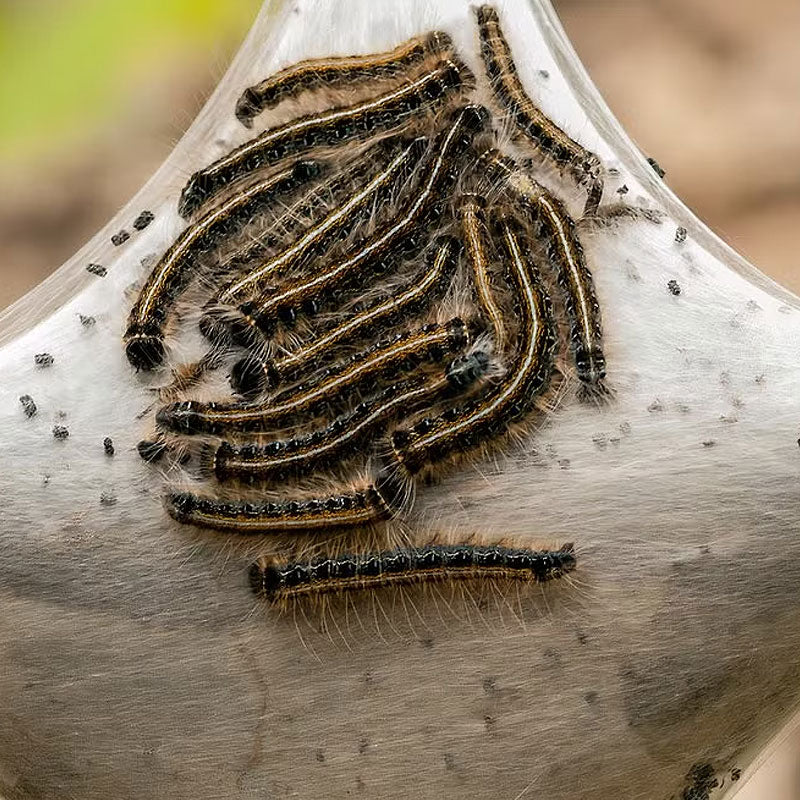
Are tent caterpillars taking over your trees and turning your yard into a messy nightmare? You’re not alone.
These pesky insects can quickly damage leaves and make your outdoor space look unhealthy. But what if you could stop them in their tracks? Understanding what kills tent caterpillars is the first step to protecting your plants and restoring your garden’s beauty.
Keep reading, and you’ll discover simple, effective ways to get rid of these unwanted guests for good.

Credit: www.pubs.ext.vt.edu
Tent Caterpillar Behavior
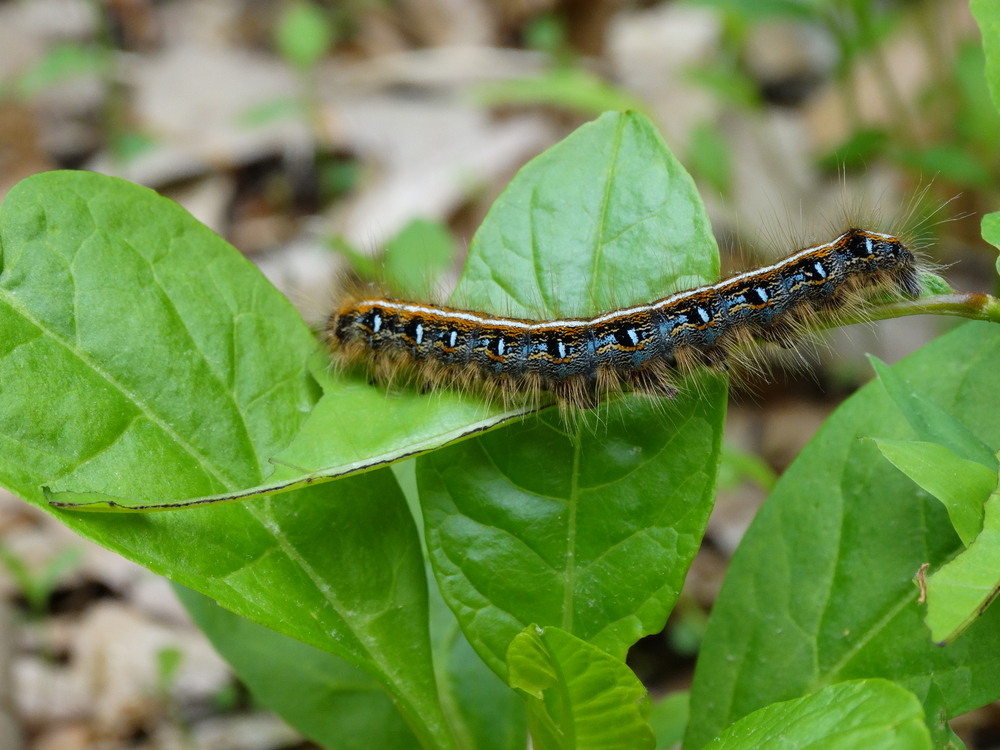
Tent caterpillars are common insects that live in trees. They build silk tents to protect themselves.
These caterpillars have unique habits and a clear lifecycle. Understanding these helps control their damage.
Lifecycle And Habits
Tent caterpillars start as eggs laid on tree branches. They hatch in early spring and form silk tents.
- Young caterpillars live in groups inside tents.
- They leave the tents to feed on leaves during the day.
- As they grow, they enlarge the tents and eat more leaves.
- After several weeks, they leave the tents to pupate in the soil.
- Adults emerge as moths to mate and lay eggs.
Damage To Trees
Tent caterpillars feed on tree leaves. This can weaken trees and slow their growth.
| Type of Damage | Effect on Tree |
| Leaf Loss | Reduced photosynthesis |
| Branch Weakening | Increased risk of breakage |
| Stress | Lower resistance to disease |
| Repeated Defoliation | Possible tree death |
Natural Predators
Tent caterpillars face many natural enemies in the wild. These predators help control their numbers. Understanding these can help protect your trees naturally.
Many animals eat tent caterpillars or their eggs. Birds, insects, and small mammals all play a role in keeping these pests in check.
Birds That Feed On Tent Caterpillars
Several birds enjoy eating tent caterpillars. They catch them on tree branches or pick them from leaves. Birds help reduce caterpillar populations quickly.
Examples of birds that feed on tent caterpillars include robins, chickadees, and warblers. These birds find caterpillars a good protein source, especially in spring.
- Robins
- Chickadees
- Warblers
- Nuthatches
- Blue Jays
Beneficial Insects
Many insects eat tent caterpillars or attack their eggs. These insects help lower caterpillar numbers naturally. They include wasps, beetles, and flies.
Parasitic wasps lay eggs inside caterpillars. The wasp larvae then feed on the caterpillar from inside. Ladybugs and ground beetles also hunt caterpillars and eggs.
- Parasitic wasps
- Ladybugs
- Ground beetles
- Hoverflies
- Predatory ants
Small Mammals
Small mammals also eat tent caterpillars. They hunt for caterpillars on trees and on the ground. These mammals help keep caterpillar populations low.
Mice and shrews are common predators. They eat both caterpillars and their egg masses. This natural predation supports healthy tree growth.
- Mice
- Shrews
- Squirrels
- Chipmunks
Biological Control Methods
Biological control uses natural enemies to reduce tent caterpillar numbers. These methods are safe for people and the environment.
They help manage pests without harmful chemicals. Let’s look at some common biological controls.
Using Bacillus Thuringiensis (bt)
Bacillus Thuringiensis, or Bt, is a natural bacteria that kills caterpillars. It works by damaging their stomach when they eat treated leaves.
Bt is safe for other insects, animals, and humans. It breaks down quickly in sunlight, so repeated use may be needed.
Nematodes As Pest Control
Nematodes are tiny roundworms that attack tent caterpillars. They enter the caterpillar’s body and release bacteria that kill the pest.
Nematodes work best in moist soil and shaded areas. They help reduce caterpillar numbers without chemicals.
Fungal Pathogens
Certain fungi can infect and kill tent caterpillars. These fungi spread spores that attach to the caterpillar’s skin and grow inside it.
Fungal pathogens work well in wet and humid conditions. They can naturally lower caterpillar populations over time.
Plant-based Remedies
Tent caterpillars can harm trees and plants by eating their leaves. Plant-based remedies offer safe ways to control these pests. They protect your garden without using harsh chemicals.
These remedies use natural ingredients that are easy to find. They help keep tent caterpillars away and support healthy plant growth.
Neem Oil Applications
Neem oil comes from the neem tree seeds. It stops tent caterpillars from eating leaves and laying eggs. Spray neem oil on affected plants to keep caterpillars away.
Neem oil also slows caterpillar growth and disrupts their feeding. Use it every 7 to 14 days for best results. Avoid spraying in direct sunlight to protect the plant.
- Mix 2 tablespoons of neem oil with 1 gallon of water
- Add a few drops of mild liquid soap to help mix
- Spray on leaves and branches thoroughly
- Repeat every week or after rain
Garlic And Hot Pepper Sprays
Garlic and hot pepper sprays repel tent caterpillars with strong smells and tastes. These sprays make plants less tasty to caterpillars. You can make these sprays at home easily.
Spray the mixture on leaves and branches. Reapply after rain to keep caterpillars away. This method is safe for humans and pets.
- Crush 5 garlic cloves and 1-2 hot peppers
- Mix with 1 quart of water and let sit overnight
- Strain the mixture to remove solids
- Add a teaspoon of liquid soap to help spray stick
- Spray the mixture on affected plants
Physical Removal Techniques
Physical removal is a safe way to control tent caterpillars. It reduces their numbers without using chemicals.
Removing egg masses and nests stops the caterpillars before they grow. These methods work well in small areas.
Handpicking And Destroying Egg Masses
Egg masses are small, brownish, and stick to tree branches. You can find them in late fall or winter.
- Wear gloves to protect your hands.
- Use a scraper or your fingers to remove egg masses.
- Place the eggs in a sealed bag or container.
- Destroy the eggs by crushing or soaking them in soapy water.
Removing And Destroying Nests
Nests are made of silk and found on tree branches in spring. Removing them stops caterpillars from eating leaves.
| Tools Needed | Steps to Remove Nests |
|---|---|
| Gloves | Wear gloves to avoid irritation. |
| Pruning Shears | Cut the branch with the nest if possible. |
| Stick or Hook | Pull down nests that are out of reach. |
| Plastic Bag | Place nests in a sealed bag to prevent escape. |
| Disposal | Burn or soak nests in soapy water to kill caterpillars. |

Credit: www.pubs.ext.vt.edu
Preventive Measures
Tent caterpillars can damage trees by eating leaves. Taking steps to stop them early helps keep trees healthy.
Preventive measures focus on keeping trees strong and using natural ways to control caterpillars.
Tree Health Maintenance
Healthy trees resist pests better than weak trees. Water trees during dry times and add mulch around roots.
Prune dead or weak branches to improve air flow. This reduces places where caterpillars can hide and grow.
- Water trees regularly in dry weather
- Add mulch to keep roots cool and moist
- Prune dead or damaged branches
- Fertilize trees to support growth
Encouraging Natural Predators
Birds and insects eat tent caterpillars. Attracting these natural predators helps control caterpillar numbers.
Plant flowers and shrubs that provide food and shelter for birds and beneficial insects like wasps and beetles.
- Set up bird feeders near affected trees
- Grow native flowers to attract insects
- Avoid using pesticides that kill helpful bugs
- Leave some leaf litter for insect habitats
Timing Of Interventions
Act early to stop tent caterpillars. The best time is before the caterpillars build tents and start eating leaves.
Check trees in early spring. Remove tents by hand or use safe treatments to kill young caterpillars.
- Inspect trees in early spring
- Remove visible caterpillar tents by hand
- Use organic sprays if needed on young caterpillars
- Repeat checks until caterpillar activity stops
Credit: www.brodybrotherspestcontrol.com
Frequently Asked Questions
What Natural Predators Kill Tent Caterpillars?
Birds like cuckoos and orioles commonly eat tent caterpillars. Parasitic wasps and flies also attack their larvae. These natural enemies help control caterpillar populations effectively without harming plants.
Can Insecticides Effectively Kill Tent Caterpillars?
Yes, insecticides containing Bacillus thuringiensis (Bt) target caterpillars specifically. They are safe for other insects and break down quickly. Use insecticides early for best results when caterpillars are small.
Do Tent Caterpillars Have Diseases That Kill Them?
Yes, viral and fungal diseases can infect tent caterpillars. These pathogens reduce their numbers naturally. Such diseases often spread during wet weather, helping control outbreaks without chemicals.
How Does Removing Tents Kill Caterpillars?
Physically removing tents destroys caterpillar nests and reduces their population. This method is safe and chemical-free. Remove tents early before caterpillars mature to prevent further damage.
Conclusion
Tent caterpillars can be pesky for many. Their presence disrupts plants and trees. Control methods include natural predators and insecticides. Removing egg masses helps too. Some people use homemade remedies. Others prefer professional services. Choose what suits your situation best.
Always prioritize safety for plants and pets. Understanding these pests makes management easier. Healthy plants are less appealing to tent caterpillars. Regular checks prevent infestations early. Knowledge is your best defense. Keep your garden thriving and caterpillar-free.