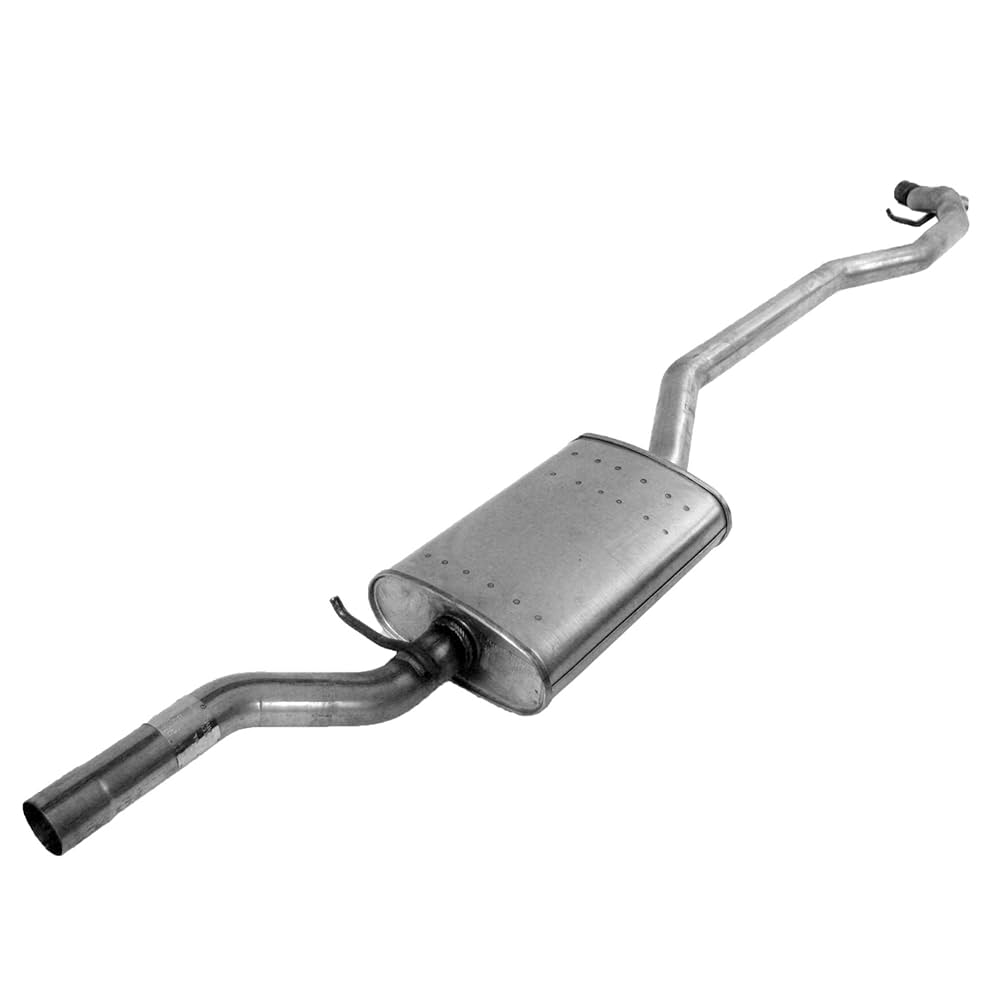
Have you ever wondered why some cars sound smoother and quieter than others? The secret often lies in a small but powerful part of your vehicle’s exhaust system called the resonator.
If you’re looking to improve your car’s sound or reduce unwanted noise, understanding what a resonator does can make a big difference. You’ll discover how a resonator works, why it matters for your exhaust system, and how it can enhance your driving experience.
Keep reading to learn how this simple component can transform your ride.

Credit: www.motortrend.com
Exhaust Resonator Basics
An exhaust resonator is a part of a vehicle’s exhaust system. It helps control sound and improve exhaust flow.
It works alongside other exhaust parts but has a different role than the muffler.
Purpose In Exhaust System
The main job of an exhaust resonator is to reduce certain sound frequencies. It makes the engine noise smoother and less harsh.
- Reduces drone noise inside the car
- Improves exhaust flow for better engine performance
- Works with the muffler to create a pleasant sound
- Helps lower overall noise without blocking exhaust gases
How It Differs From Mufflers
Resonators and mufflers both reduce exhaust noise but in different ways. The muffler blocks and absorbs sound waves. The resonator cancels out specific sound frequencies.
| Feature | Exhaust Resonator | Muffler |
| Main Function | Cancel specific sound frequencies | Absorb and block sound waves |
| Noise Reduction | Reduces drone and harsh tones | Reduces overall loudness |
| Placement | Usually before muffler | At end of exhaust system |
| Effect on Performance | Improves exhaust flow slightly | Can restrict exhaust flow |
Types Of Resonators
Resonators help reduce noise in exhaust systems. They change sound waves inside the pipes.
There are three main types of resonators. Each type works in a different way.
Chambered Resonators
Chambered resonators use a hollow space inside. This space reflects sound waves to reduce noise.
They work by canceling out certain sound frequencies. This makes the exhaust sound quieter and smoother.
Straight-through Resonators
Straight-through resonators have a simple design. They have a straight pipe with sound-absorbing material inside.
- Allow exhaust gases to flow easily
- Reduce some noise without blocking airflow
- Often used for performance vehicles
Helmholtz Resonators
Helmholtz resonators use a small chamber with a narrow opening. They target specific sound frequencies.
| Feature | Description |
|---|---|
| Design | Small cavity with neck |
| Function | Absorbs targeted sound waves |
| Use | Reduces drone and low-frequency noise |
Noise Reduction Mechanisms
A resonator in an exhaust system helps lower the noise from the engine. It works by changing how sound waves move through the exhaust.
These parts use special designs to reduce unwanted sounds. The goal is to make the vehicle quieter and more comfortable to drive.
Sound Wave Cancellation
Resonators use sound wave cancellation to cut down noise. When sound waves meet, they can cancel each other out. The resonator creates opposite waves to reduce sound.
This process lowers loud noises, especially harsh exhaust sounds. It works like noise-cancelling headphones but for car exhaust.
Frequency Tuning
Frequency tuning means adjusting the resonator to block certain sound frequencies. The resonator targets the most annoying tones in the exhaust noise.
- Targets specific sound frequencies
- Reduces high-pitched noise
- Softens low rumble sounds
- Improves overall sound quality
Reducing Drone And Rumble
Drone and rumble are constant noises that can be tiring on long drives. Resonators reduce these sounds by breaking up the sound waves inside the exhaust.
| Noise Type | Effect of Resonator |
| Drone | Lessens steady, low-frequency sound |
| Rumble | Softens deep, vibrating noise |

Credit: www.amazon.ca
Materials And Construction
A resonator in an exhaust system helps reduce noise and improve sound quality. It is made from various materials designed to handle heat and vibration.
Understanding the materials and design of a resonator can help you choose the right part for your vehicle.
Common Materials Used
Resonators use materials that resist corrosion and heat while keeping weight low. The most common materials include:
- Stainless steel: Durable and resistant to rust and heat
- Aluminized steel: Steel coated with aluminum for corrosion protection
- Mild steel: Cost-effective but less resistant to rust
- Fiberglass or steel wool: Used inside for sound absorption
Design Considerations
Designing a resonator requires balancing size, shape, and material. These factors affect sound control and performance.
| Design Aspect | Purpose |
| Size | Controls the frequency of sound waves |
| Shape | Affects airflow and noise reduction |
| Material Thickness | Durability and heat resistance |
| Internal Packing | Absorbs sound and reduces resonance |
Installation And Placement
A resonator helps reduce noise in an exhaust system. Correct installation improves sound quality and vehicle performance.
Placing the resonator in the right position is important. This guide explains where to install and whether to do it yourself or hire a professional.
Where To Install In Exhaust System
The resonator usually fits between the exhaust manifold and the muffler. This location helps smooth out sound waves before they reach the muffler.
- Install after the catalytic converter to reduce harsh sounds
- Place before the muffler to improve exhaust tone
- Ensure enough space for proper mounting and heat clearance
- Avoid placing near bends or sharp turns in the pipe
Diy Vs Professional Installation
Installing a resonator can be simple or complex. It depends on your skills and tools. Consider the options below before starting.
| Installation Type | Pros | Cons |
| DIY | Save money; Learn new skills | Needs proper tools; Risk of leaks or damage |
| Professional | Expert fit; Warranty and safety | Costs more; Requires scheduling |

Credit: www.carparts.com
Performance Impact
A resonator is part of a car’s exhaust system. It helps reduce noise and smooth exhaust flow.
Understanding its effect on performance is important for engine power and fuel efficiency.
Effect On Engine Power
The resonator changes how exhaust gases leave the engine. It can reduce backpressure.
Lower backpressure can improve engine breathing and increase power output slightly.
- Improved exhaust flow helps the engine run smoother
- Less restriction means better air-fuel mixture expulsion
- Power gains depend on resonator design and engine type
Fuel Efficiency Considerations
A resonator can affect fuel use by changing engine efficiency. Better flow may save fuel.
Fuel savings are usually small but help in long-term driving conditions.
- Reduced backpressure lowers engine effort
- Engine runs more efficiently with proper exhaust flow
- Fuel economy gains depend on driving style and car model
Maintenance And Longevity
A resonator in an exhaust system helps reduce noise and improve airflow. Keeping it in good shape extends its life and your vehicle’s performance.
Regular checks and cleaning can prevent damage and keep the resonator working well for years.
Signs Of Wear
Look out for unusual sounds from the exhaust. A damaged resonator can cause rattling or loud noises.
Other signs include visible rust, holes, or cracks on the resonator surface. These issues affect performance and need attention.
- Loud or unusual exhaust noise
- Rust spots or corrosion
- Holes or cracks on the resonator
- Reduced engine performance
Cleaning Tips
Clean the resonator to remove dirt and buildup that can cause damage. Use a soft brush and mild soap with water.
Avoid harsh chemicals or high-pressure water. Dry the resonator completely after cleaning to prevent rust.
- Use a soft brush to remove dirt
- Wash with mild soap and water
- Do not use harsh chemicals
- Dry thoroughly to avoid rust
Choosing The Right Resonator
A resonator is a part of an exhaust system that helps control sound. It reduces unwanted noise and changes the tone of the exhaust. Choosing the right resonator is important for your vehicle’s performance and sound quality.
Different vehicles need different types of resonators. The choice depends on your car model and your preferences for noise and power. Understanding these factors helps you pick the best resonator.
Matching To Vehicle Type
Not all resonators fit every vehicle. Some cars need specific designs for proper function. Matching the resonator to your vehicle type ensures better fit and sound control.
- Check your vehicle’s make and model before buying.
- Choose resonators made for your engine size and exhaust layout.
- Consider factory or aftermarket options that suit your car.
- Look for materials that last and resist corrosion.
- Make sure the resonator size fits your exhaust pipes.
Balancing Noise Reduction And Performance
Resonators reduce noise but can affect engine performance. Finding a balance is key. Some resonators lower sound more but may reduce power slightly.
| Resonator Type | Noise Reduction | Performance Impact |
| Straight-Through | Moderate | Minimal |
| Chambered | High | Possible slight loss |
| Helmholtz | Targeted | Very low |
| Custom-Tuned | Variable | Depends on design |
Frequently Asked Questions
What Is The Main Function Of An Exhaust Resonator?
An exhaust resonator reduces noise by canceling certain sound frequencies. It smooths the exhaust sound for a quieter ride. Resonators work alongside mufflers to improve overall sound quality. They help prevent droning noises inside the cabin.
How Does A Resonator Differ From A Muffler?
A resonator targets specific sound frequencies for noise reduction. A muffler reduces overall exhaust noise with internal chambers. Resonators fine-tune exhaust sound, while mufflers provide primary noise control. Both components work together for balanced exhaust sound.
Can A Resonator Improve Vehicle Performance?
Yes, a resonator can slightly improve exhaust flow. It reduces backpressure, enhancing engine efficiency and power. However, performance gains are usually minor compared to other modifications. Its main benefit remains sound quality improvement.
Is Installing A Resonator Necessary For All Exhaust Systems?
Not always. Resonators are essential if you want to reduce drone noise. Some exhaust systems function well without resonators. Installation depends on your vehicle and desired sound level. It’s a personal choice for comfort and noise control.
Conclusion
Understanding resonators is key for a smooth exhaust system. They reduce noise. Improve engine performance. Resonators help in achieving a better sound. Many car enthusiasts appreciate this feature. They ensure a quieter ride. Also, resonators are crucial for optimal exhaust flow.
They work alongside mufflers effectively. Choosing the right resonator can enhance your driving experience. It blends performance with comfort. The right fit depends on vehicle type and personal preference. A well-functioning exhaust system adds value. It ensures efficiency and satisfaction.
Consider resonators for better driving pleasure. They make a noticeable difference.