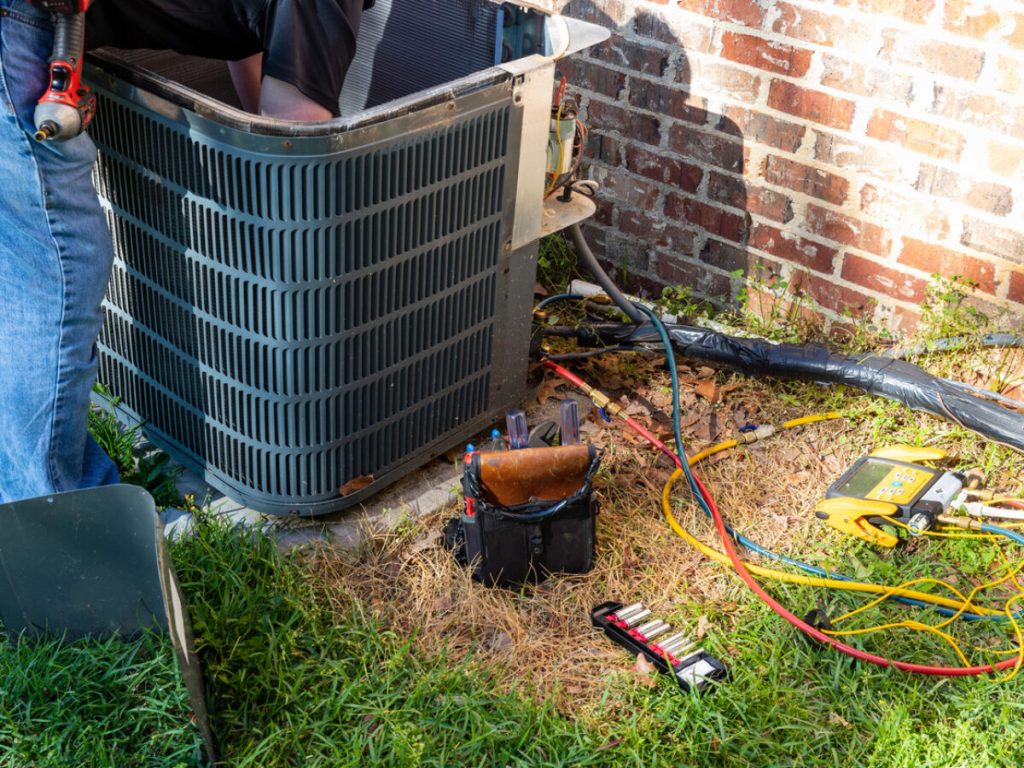
Is your air conditioner leaking water outside and causing a mess around your home? This common problem can be frustrating, but you don’t have to let it ruin your day or damage your property.
Understanding why your AC is leaking and knowing how to fix it quickly can save you time, money, and stress. You’ll discover simple steps you can take right now to stop the leak and keep your air conditioner running smoothly.
Keep reading to find out how to protect your home and enjoy cool, comfortable air without the hassle.
Common Causes Of Ac Water Leaks
Air conditioners sometimes leak water outside. This can be a sign of a problem. Fixing the leak early can stop bigger damage.
Here are common reasons why your AC might be leaking water outdoors. Understanding these helps you find the right fix.
Clogged Drain Line
The drain line carries water away from the AC. Dirt and debris can block it. This causes water to back up and leak outside.
- Leaves and dust block the pipe
- Mold or algae grow inside the drain
- Drain line cracks or gets damaged
Frozen Evaporator Coil
The evaporator coil cools the air. If it freezes, melting ice creates excess water. This can overflow and leak outside.
Damaged Drain Pan
The drain pan holds water from condensation. If the pan cracks or rusts, water can leak from it outside the unit.
| Drain Pan Issue | Effect |
|---|---|
| Cracks | Water leaks outside |
| Rust | Weak pan, leaks water |
| Improper slope | Water pools, overflows |
Improper Installation
Incorrect setup can cause water leaks. If the unit is not level, water won’t drain properly outside.
Low Refrigerant Levels
Low refrigerant makes the coil too cold. This causes ice to form and melt, leading to water leaks outside.
Tools And Materials Needed
Fixing an air conditioner that leaks water outside requires some basic tools. Having the right materials makes the job easier and safer.
This guide lists the essential items you need before starting your repair work.
Basic Cleaning Supplies
Cleaning your air conditioner helps prevent leaks. You need some simple supplies for this step.
- A soft cloth or rag
- A bucket of warm water
- Mild detergent or soap
- A soft brush for scrubbing
- A vacuum cleaner with a brush attachment
Drain Line Cleaning Kit
The drain line can get clogged, causing water to leak. A cleaning kit helps clear blockages.
| Tool | Purpose |
| Wet/dry vacuum | Clear drain clogs |
| Drain line brush | Scrub inside the drain tube |
| Pipe cleaner solution | Dissolve buildup inside drain |
| Flexible tubing | Flush out debris |
Replacement Parts
Some parts may wear out and need to be replaced to stop leaks.
- Drain pan
- Drain line pipe
- Seals and gaskets
- Air filters
- Condensate pump (if applicable)
Safety Gear
Safety gear protects you while you work on the air conditioner.
- Gloves to protect your hands
- Safety goggles to shield your eyes
- A dust mask to avoid inhaling debris
- Non-slip shoes for stable footing
Step-by-step Fix For Clogged Drain Line
Air conditioners can leak water outside if the drain line is clogged. This causes water to back up and leak. Fixing this is simple with a few steps.
Follow these steps to locate and clear the drain line. This will stop the water leak and keep your AC working well.
Locate The Drain Line
The drain line carries water from your AC to the outside. It is usually a white PVC pipe near the indoor unit. Find where the pipe leaves the unit.
Look for a small pipe about half an inch wide. It often goes outside or near the outdoor AC unit.
Clear The Blockage
Clogs happen from dirt, algae, or debris inside the drain line. Use a wet-dry vacuum to suck out the blockage from the outdoor end.
If you do not have a vacuum, a plumber’s snake or a flexible wire can help push the clog out carefully.
- Turn off the AC power
- Attach the vacuum to the drain line outside
- Run vacuum for several minutes
- If needed, push a wire to clear the clog
- Turn power back on after clearing
Flush The Line
After clearing the clog, flush the drain line with water. This removes leftover dirt and cleans the pipe well.
Use a cup or small bucket to pour water into the drain line inside the house. Let the water run out outside.
- Pour about one cup of water slowly
- Watch the water flow outside
- Repeat if water does not flow freely
Prevent Future Clogs
Keep your drain line clean to avoid leaks later. Check the line regularly and clean it every few months.
Use a cup of bleach or vinegar to flush the line monthly. This stops algae and mold from growing inside.
- Flush the drain line monthly with bleach or vinegar
- Keep the area around the drain line clean
- Inspect the line for cracks or damage
- Replace damaged pipes quickly

Credit: www.reddit.com
Handling A Frozen Evaporator Coil
A frozen evaporator coil can cause your air conditioner to leak water outside. Ice build-up stops the system from working well. Fixing this issue quickly helps your AC run smoothly again.
Follow these steps to safely handle a frozen evaporator coil and prevent water leaks.
Turn Off The Ac
Switch off the air conditioner to stop more ice from forming. This protects the system parts from damage. Keep the AC off until the ice melts completely.
Allow The Coil To Thaw
Let the frozen coil thaw naturally. Avoid using sharp tools to remove ice. Use a fan or warm air to speed up melting safely.
- Turn off the AC unit.
- Place a fan near the coil.
- Keep the area warm to help melting.
- Wait until all ice is gone before restarting.
Check Air Filter
A dirty air filter can block airflow, causing freezing. Clean or replace the filter to keep air flowing well. This stops the coil from freezing again.
| Filter Condition | Action Needed |
| Clean | Use as is |
| Slightly Dirty | Clean with water |
| Very Dirty or Damaged | Replace immediately |
Ensure Proper Airflow
Good airflow prevents freezing. Keep vents open and clear of obstructions. Check that fans inside the unit work well.
- Keep furniture away from vents.
- Clean vents regularly.
- Check fan motors for damage.
- Use ceiling fans to circulate air.
Repairing Or Replacing The Drain Pan
The drain pan collects water that the air conditioner removes from the air. If it leaks, water can drip outside the unit. Fixing or changing the drain pan can stop the leak. This guide helps you check and repair the drain pan.
Use simple tools and safety steps to handle the drain pan. Always turn off the power to your air conditioner before starting any work. Let’s look at how to inspect, fix, or replace the drain pan.
Inspect The Drain Pan
Look under your air conditioner to find the drain pan. Check if it has cracks, holes, or rust. Water stains or puddles under the unit can show a problem. Clean the pan to see damage clearly.
- Turn off the air conditioner power.
- Remove the outer cover of the unit.
- Locate and clean the drain pan.
- Look for cracks, holes, or rust.
- Check if the pan sits level to hold water.
Fix Minor Damages
Small cracks or holes can be fixed without replacing the pan. Use waterproof sealant or epoxy designed for metal or plastic. Make sure the pan is dry before applying the patch.
- Clean the damaged area well.
- Apply the sealant over the crack or hole.
- Let it dry completely as per the sealant instructions.
- Test by pouring a small amount of water to check for leaks.
Replace Severely Damaged Pans
If the drain pan has many holes or rust spots, replacement is best. Use a pan that matches your air conditioner model. Installing a new pan stops leaks and protects your home from water damage.
| Step | Action | Notes |
| 1 | Turn off power and remove the unit cover | Safety first |
| 2 | Unscrew and remove old drain pan | Keep screws for new pan |
| 3 | Place new drain pan in position | Ensure it sits level |
| 4 | Screw in the new pan securely | Don’t overtighten |
| 5 | Replace the unit cover and turn power on | Check for leaks |
Correcting Installation Issues
Water leaking outside your air conditioner often comes from installation errors. Fixing these problems can stop the leak and protect your home.
Check these common issues to make sure your AC works without leaking water outside.
Check Unit Leveling
Your air conditioner must be level to drain water properly. If it tilts, water can spill outside instead of draining away.
- Use a spirit level to check the unit’s position.
- Adjust the mounting base or the unit feet to make it flat.
- Ensure the unit slopes slightly toward the drain line for proper flow.
- Recheck after adjustment to confirm the unit is level.
Secure Drain Line Properly
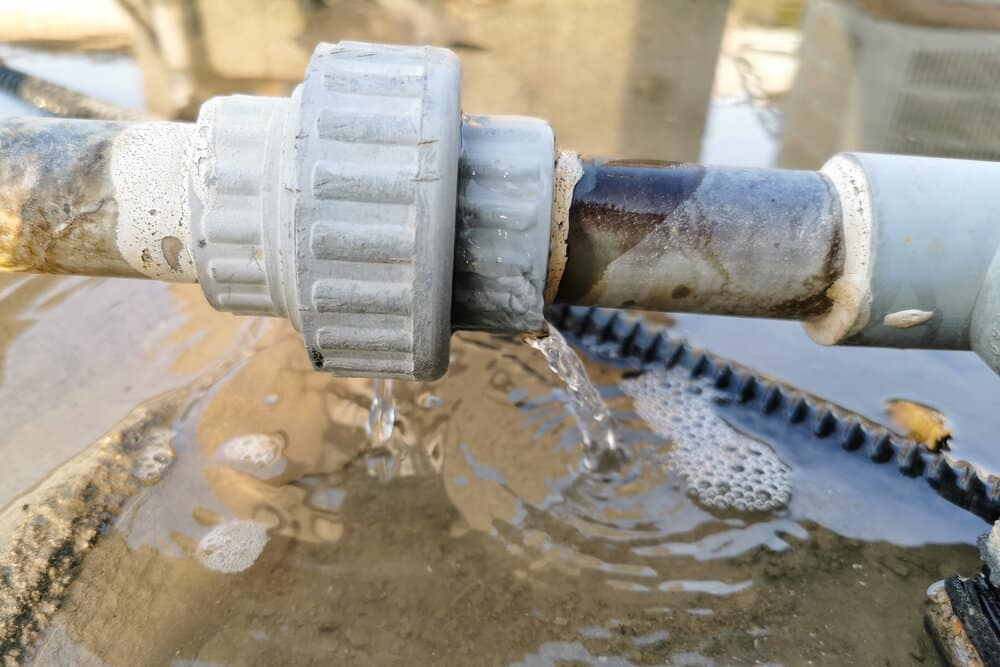
The drain line removes water from your AC. A loose or clogged drain line causes leaks outside the unit.
| Drain Line Problem | Fix |
| Loose connection | Use clamps or sealant to secure the line |
| Clogged drain | Clear blockage with a vacuum or pipe cleaner |
| Improper slope | Reposition the drain line to slope downward |
| Damaged pipe | Replace cracked or broken sections |
Consult A Professional
If you cannot find or fix the problem, ask an HVAC technician. They can inspect your system and fix installation mistakes safely.
- Professionals check unit placement and leveling.
- They clean and repair drain lines properly.
- They ensure the AC works efficiently without leaks.
Maintaining Your Ac To Prevent Leaks
Air conditioners can leak water outside if they are not cared for properly. Regular maintenance helps stop leaks and keeps your AC working well.
Simple tasks like cleaning and checking parts can save you money and avoid damage. Let’s look at ways to maintain your AC.
Regular Cleaning Schedule
Keep your AC clean to prevent water leaks. Dirt and debris block drains and cause water to build up.
Clean the air filters, coils, and drain pan every month during the cooling season. This helps water flow out properly.
- Remove and wash air filters with water
- Clear dirt from evaporator and condenser coils
- Check and clean the drain pan and drain line
- Use a wet/dry vacuum to clear clogs in the drain line
Monitor Refrigerant Levels
Low refrigerant causes the coils to freeze and drip water outside. Watch the refrigerant level to avoid leaks.
Check for signs of low refrigerant like weak cooling or ice buildup. If you see these, call a professional to refill it.
- Look for less cool air from vents
- Notice ice or frost on the coils
- Listen for hissing sounds indicating leaks
- Schedule a recharge if levels are low
Professional Inspections
Experts can find hidden problems before leaks start. They check parts you may miss during cleaning.
Get your AC inspected at least once a year. Professionals can fix small issues and keep the system healthy.
- Inspect drain lines and pans for clogs
- Test refrigerant pressure and recharge if needed
- Check electrical connections and thermostat
- Clean and tune up all parts for smooth operation
Credit: fischerheating.com

Credit: honorservices.com
Frequently Asked Questions
Why Is My Ac Leaking Water Outside?
Your AC may leak water outside due to clogged drain lines, frozen coils, or improper installation. Check and clear blockages, ensure proper insulation, and verify correct setup to stop leaks.
How Can I Stop My Ac From Leaking Water?
Regularly clean the drain line, replace dirty filters, and inspect the condensate pan. These steps prevent blockages and overflow, reducing water leaks outside your AC unit.
Is A Leaking Ac Dangerous For My Home?
Yes, a leaking AC can cause water damage, mold growth, and structural issues. Promptly fixing leaks protects your home and maintains indoor air quality.
When Should I Call A Professional For Ac Leaks?
Call a professional if leaks persist after basic cleaning or if you notice damaged components. Experts ensure thorough diagnosis and safe, effective repairs.
Conclusion
Fixing an air conditioner leaking water outside is manageable. Start by checking for clogs in the drain line. Regular maintenance prevents issues. Clean filters ensure proper airflow. Inspect the condensate pump for problems. Adjust the thermostat settings carefully. A consistent maintenance routine helps avoid leaks.
Keep the unit level to prevent water pooling. Consider professional help for complex issues. Regular checks save money and discomfort. Stay cool and comfortable all summer long. With these tips, manage leaks efficiently. Enjoy a well-functioning air conditioner. Keep your home cool and stress-free.