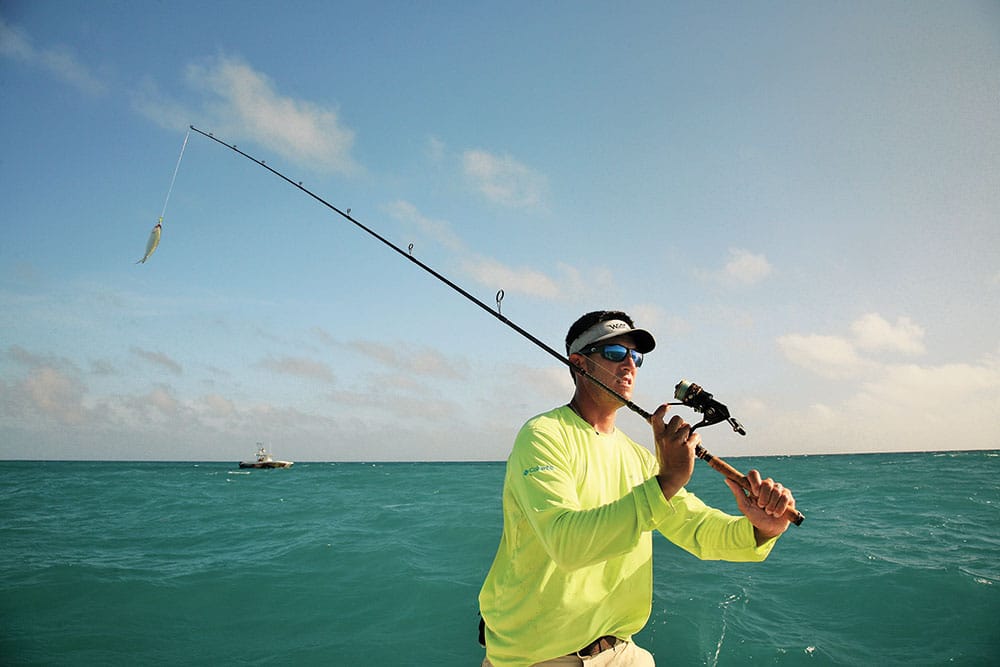
Are you ready to improve your fishing skills and catch more fish? Learning how to cast a line fishing is the first step to becoming a confident angler.
Whether you’re a beginner or just need a refresher, this guide will show you simple, effective techniques that anyone can master. Imagine feeling the thrill as your bait lands exactly where you want it, making every cast count. Keep reading to discover easy tips that will have you casting like a pro in no time!
Choosing The Right Gear
Fishing is fun when you have the right gear. Picking good equipment helps you cast better and catch fish easier.
This guide explains how to choose the best rod, reel, line, and accessories for fishing.
Selecting The Perfect Rod
Pick a rod that feels good in your hand. The rod length and power affect how far and how well you cast.
Light rods work well for small fish. Heavy rods suit bigger fish and longer casts.
- Short rods are easier to control
- Long rods cast farther
- Light power rods are good for small fish
- Heavy power rods help catch big fish
Picking The Ideal Reel
The reel holds and releases the fishing line. Choose one that matches your rod and fishing style.
Spinning reels are easy for beginners. Baitcasting reels offer more control but need practice.
- Spinning reels work well for light lines
- Baitcasting reels handle heavy lines and big fish
- Look for smooth drag to protect your line
Line Types And Their Uses
Fishing lines come in different materials. Each type works best for certain conditions.
Monofilament is stretchy and easy to use. Braided lines are strong and thin. Fluorocarbon is hard to see underwater.
- Monofilament: good for beginners, flexible
- Braided: strong, thin, good for heavy cover
- Fluorocarbon: low visibility, sinks faster
Essential Accessories
Some accessories make fishing easier and safer. Keep these items ready before you fish.
- Hooks in various sizes
- Sinkers and weights
- Bobbers to see bites
- Pliers for removing hooks
- Tackle box to organize gear
- Fishing license if required

Credit: www.willyswilderness.org
Preparing Your Tackle
Preparing your tackle is an important part of fishing. It helps you catch fish more easily. Take your time to set up your gear right.
Good preparation means attaching hooks and baits carefully. You also need to set weights and bobbers well. Learn to tie strong knots for better results.
Attaching Hooks And Baits
Choose the right hook size for the fish you want. Smaller hooks catch small fish, bigger hooks catch large fish. Attach your bait securely to the hook.
Live bait works well for many fish. You can also use artificial baits like plastic worms. Make sure the bait covers the hook but leaves the point exposed.
- Pick hook size based on fish type
- Use live or artificial bait
- Cover hook with bait, leave tip open
- Check bait often and replace when needed
Setting Up Weights And Bobbers
Weights help your bait sink to the right depth. Bobbers keep your bait at a set level in the water. Use both to reach fish where they swim.
Choose weights that match the water flow and bait size. Attach bobbers above the hook to keep bait off the bottom. Adjust bobber position to change depth.
- Pick weight size for water speed
- Attach bobber above the hook
- Move bobber to set bait depth
- Use light weights to feel bites better
Knot Tying Techniques
Strong knots keep your tackle secure. Learn a few simple knots for hooks, weights, and lures. Practice tying knots until they hold tight.
The improved clinch knot and Palomar knot are easy and strong. Wet the line before tightening to avoid damage. Trim excess line after tying.
- Use improved clinch knot for hooks
- Try Palomar knot for lures
- Wet line before tightening knot
- Trim extra line to prevent tangles
Casting Techniques
Casting is an important skill for fishing success. Good casting helps you place your bait where fish are.
There are different ways to cast your line. Each technique works best in certain situations.
Basic Overhead Cast
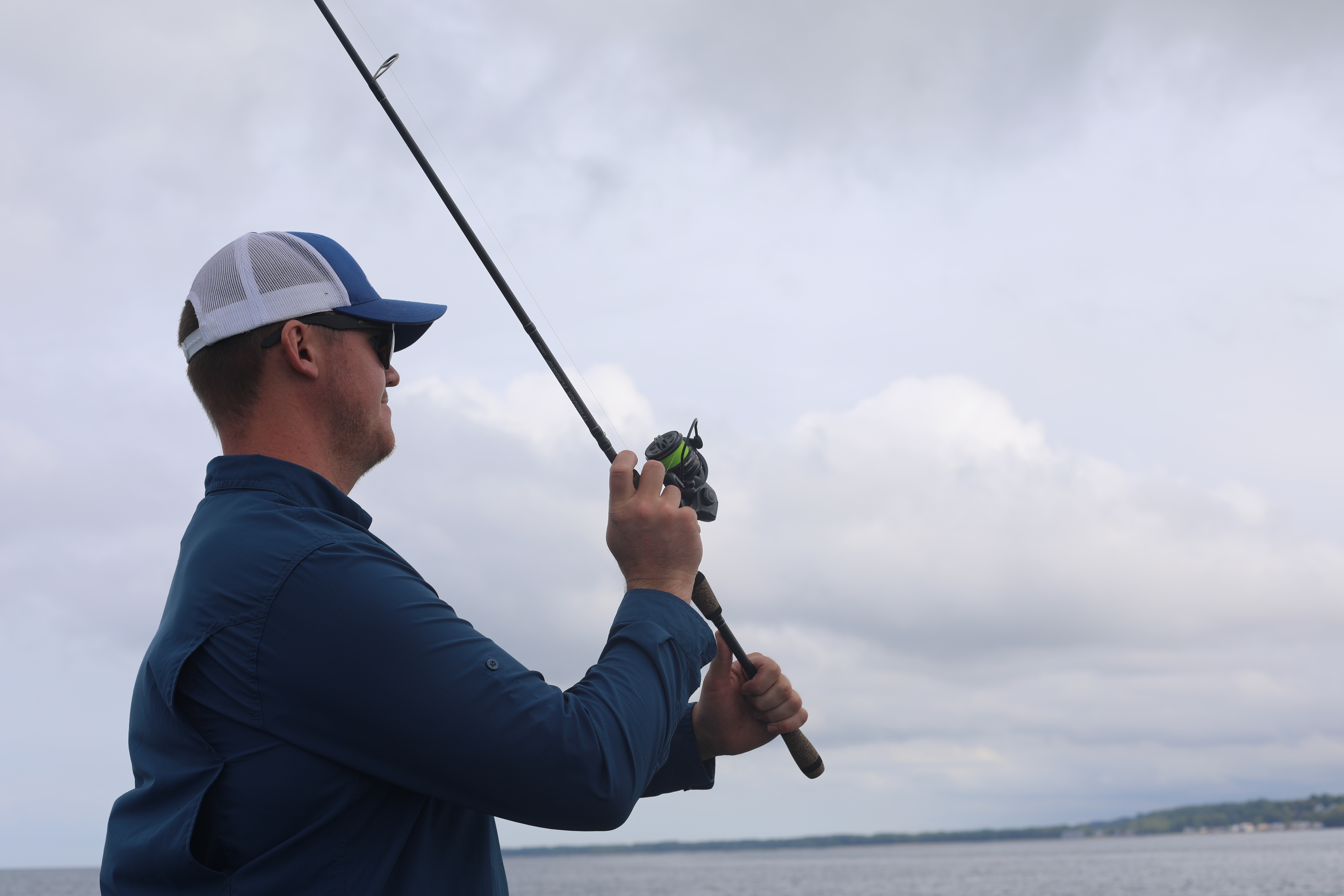
The basic overhead cast is simple and common. It uses a straight motion over your head.
Lift the rod behind you, then swing it forward smoothly. Release the line at the right moment to send the bait far.
Sidearm Cast For Accuracy
The sidearm cast is good for aiming. You swing the rod to the side instead of over your head.
This cast helps you place the bait in tight spots. It also reduces wind impact on the line.
- Keep your elbow close to your body
- Smoothly swing the rod sideways
- Release the line when the rod points at the target
Roll Cast For Tight Spaces
The roll cast works well when space is limited behind you. It uses a rolling motion to send the line forward.
Pull the line tight, then lift the rod tip and roll it forward. The line will follow without needing much room behind.
- Hold the line tight against the rod
- Lift the rod tip and move it forward in a smooth arc
- Let the line unroll as you finish the cast
Improving Distance And Precision
To cast farther and more accurately, control your rod and line well. Smooth movements help a lot.
Practice your timing to release the line at the best moment. Keep your eyes on the target and adjust your aim.
- Use a longer backswing for more power
- Keep your wrist firm but flexible
- Practice releasing the line smoothly
- Adjust your casting angle for wind and obstacles

Credit: fishingbooker.com
Reading Water And Weather
Knowing how to read water and weather helps you catch more fish. Fish move and feed based on their surroundings.
Watch the water and sky to choose the best fishing spots and times. This skill improves your chance to catch fish.
Identifying Fish Habitats
Fish live where they find food, shelter, and good water conditions. Look for areas where water moves differently or changes depth.
- Near rocks or logs where fish hide
- Where currents meet, creating oxygen-rich water
- Underneath overhanging trees or plants
- In shaded or cooler water on hot days
Adapting To Weather Conditions
Weather affects fish behavior and where they stay. You must adjust your fishing tactics based on weather changes.
| Weather | Effect on Fish | Fishing Tip |
| Sunny | Fish hide in shade or deep water | Fish near shaded areas or deep spots |
| Cloudy | Fish move more and feed actively | Cast in open water and near structures |
| Rainy | Fish come closer to shore | Try shallow water and slow retrieves |
| Windy | Surface water stirs, oxygen increases | Fish near wind-driven shores or breaks |
Timing Your Cast
Fish feed at certain times. Knowing these times improves your catch rate.
- Early morning is good for most fish species
- Late afternoon offers feeding chances before night
- Just before and after storms, fish become active
- Check local tide charts if you fish in saltwater
Common Mistakes To Avoid
Casting a fishing line may seem easy, but many beginners make common errors. These mistakes can cause frustration and reduce your catch chances. Avoiding them helps you enjoy fishing more.
Below are three frequent problems and how to prevent them. Learn these tips for a smooth and safe fishing experience.
Overcasting And Line Tangles
Overcasting happens when you throw the line too far or too hard. This can cause the line to tangle and knot. Tangled lines waste time and may break.
- Use smooth, controlled casts instead of fast, strong ones.
- Check your line for twists before casting.
- Keep the reel tight to avoid slack line.
- Practice in open areas without obstacles.
Ignoring Safety Measures
Fishing can be safe if you follow simple rules. Ignoring safety can lead to accidents or injuries.
| Safety Tip | Reason |
| Wear a life jacket near deep water | Prevents drowning if you fall in |
| Use sunglasses to protect your eyes | Shields eyes from hooks and sun glare |
| Keep a first aid kit nearby | Helps treat minor cuts and bites |
| Be aware of your surroundings | Avoids hooking people or wildlife |
Using Incorrect Gear
Choosing the wrong gear can make fishing harder. Gear includes the rod, reel, line, and bait. Using mismatched gear leads to poor casting and fewer catches.
- Match rod strength to the fish size you want to catch.
- Use line thickness suitable for your rod and fish.
- Pick bait that attracts local fish species.
- Check your gear regularly for wear or damage.
Credit: www.fishusa.com
Advanced Tips For Pros
Casting a line in fishing takes skill and practice. Advanced tips help you improve accuracy and distance.
These tips focus on tricky conditions and using lures smartly for better results.
Casting In Windy Conditions
Wind changes how your line moves and where it lands. Adjust your cast to control the direction.
Use heavier weights and shorter casts to reduce wind effect. Keep your rod low to the water.
- Choose a heavier lure or sinker
- Cast into the wind for better control
- Use a sidearm cast to keep the line low
- Shorten your cast to avoid line drift
Using Lures Effectively
Pick the right lure for the fish and water conditions. Match the lure color to the environment.
Vary the speed and style of your retrieve. Pause or twitch the lure to attract fish attention.
- Use bright colors in murky water
- Choose natural colors in clear water
- Try steady retrieval for active fish
- Pause or twitch to mimic injured prey
Mastering Night Casting
Night casting needs extra care to see your line and lure. Use glow sticks or lighted bobbers.
Cast slowly and listen for bites. Fish may be more active at night, so stay alert.
- Attach glow sticks to your line or bobber
- Choose lures that reflect or glow
- Cast softly to avoid spooking fish
- Watch and listen closely for bites
Frequently Asked Questions
How Do I Cast A Fishing Line Properly?
To cast a fishing line properly, hold the rod firmly, pull the line back, then smoothly flick the rod forward. Release the line at the right moment to achieve distance and accuracy. Practice helps improve your casting technique over time.
What Equipment Is Best For Beginner Casting?
Beginners should use a lightweight spinning rod and reel combo. Choose monofilament line for ease of handling. Use simple bait or lures to start. This setup offers better control and helps develop your casting skills effectively.
How Can I Improve Casting Distance?
To improve casting distance, focus on a smooth, controlled motion. Increase your rod’s backward pull before the cast. Use lighter lures and ensure your line is properly spooled. Practicing consistently will also boost your casting power and accuracy.
When Should I Use Different Casting Techniques?
Use overhead casting for long, straight casts and sidearm casting in windy conditions. Roll casting works well in tight spaces or near obstacles. Choosing the right technique depends on your environment and target fish species.
Conclusion
Casting a fishing line is a rewarding skill. Practice makes it easier. Focus on your grip and stance. Smooth motions lead to better casts. Always be patient. Nature rewards those who wait. Enjoy the calm and the challenge. Each cast improves your technique.
Before long, you’ll feel more confident. Remember, fishing is about relaxation too. Take time to enjoy the surroundings. Share this experience with friends or family. It strengthens bonds. Soon, you’ll create lasting memories. Happy fishing!