Have you ever wondered where the air from your air conditioner actually comes from? You might think it’s pulling in fresh air from outside to cool your room, but is that really how it works?
Understanding whether your air conditioner uses outside air can change the way you think about your home’s comfort and air quality. Keep reading to uncover the surprising truth behind your AC’s air supply and learn how it affects your living space.
This knowledge could help you make smarter decisions for your comfort and health.
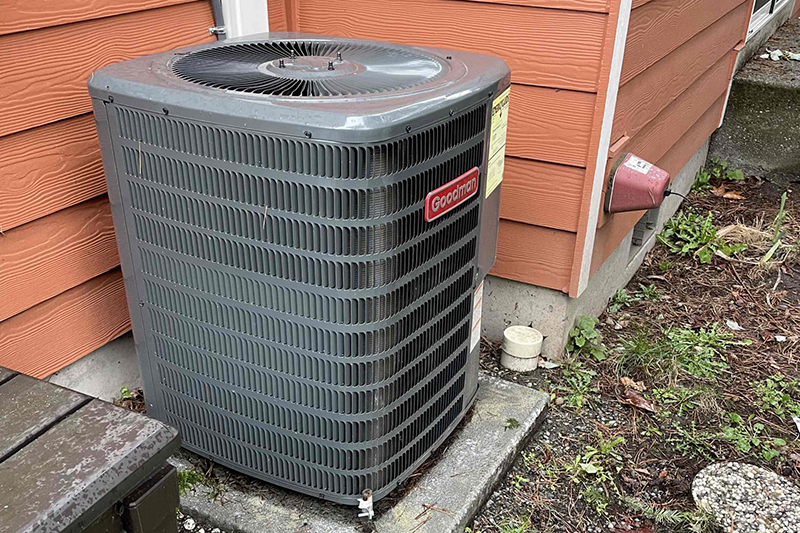
Credit: lifetimeheating.com
How Air Conditioners Work
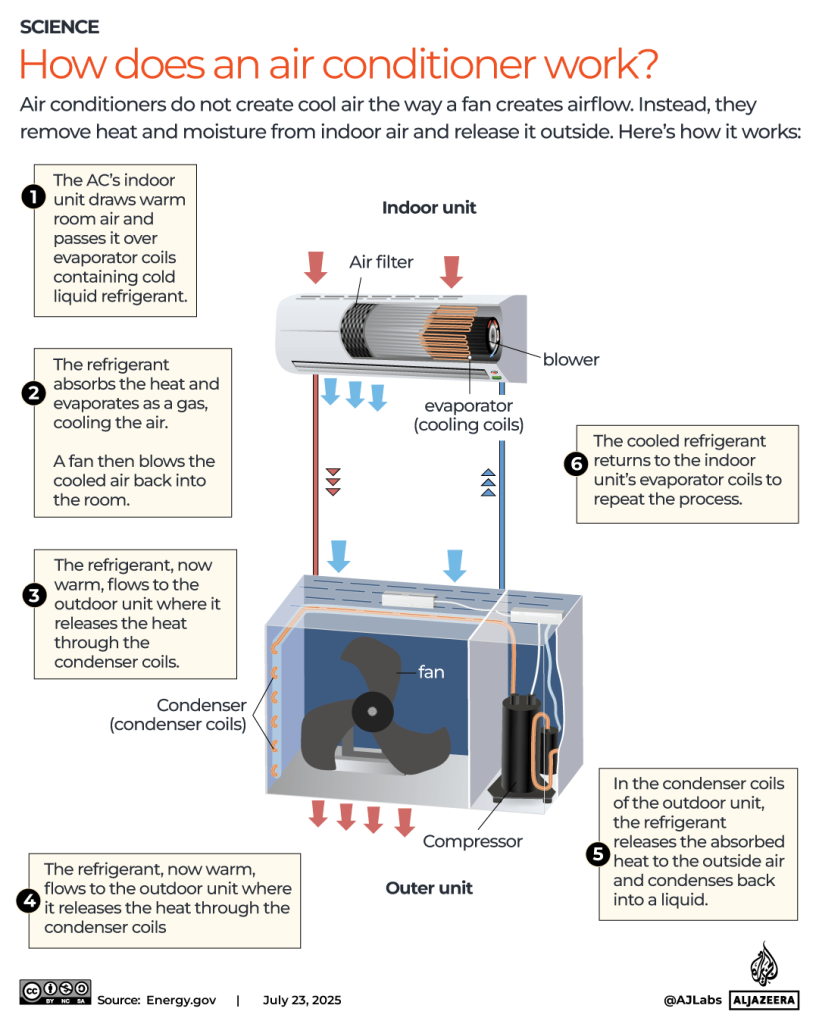
An air conditioner cools indoor air by removing heat. It does not usually use outside air for cooling. Instead, it circulates the indoor air through a system that cools and dries it.
The basic cooling processinvolves a chemical called refrigerant. The refrigerant absorbs heat from inside air and releases it outside. This cycle keeps indoor spaces cool and comfortable.
| Type of Air Conditioner | How It Works |
|---|---|
| Window AC | Installed in a window, cools air inside a single room |
| Split AC | Has indoor and outdoor units, cools larger spaces quietly |
| Central AC | Cools air for the whole building through ducts |
| Portable AC | Can be moved from room to room, vents hot air outside |

Credit: www.reddit.com
Air Conditioners And Outside Air
Air conditioners mainly cool the air inside your home. They do not use outside air to cool. Instead, they remove heat from indoor air and blow cooler air inside. The system recycles the same air inside your room.
Some air conditioners have a small vent for fresh air. This vent helps bring in a little outside air but does not cool the whole room. Most cooling happens by taking heat out of the indoor air.
Many people think air conditioners bring in outside air to cool. This is a common misunderstanding. Bringing outside air can make cooling harder, especially on hot days.
- Air conditioners cool indoor air, not outside air.
- Outside air can be hot or humid, which hurts cooling.
- Some systems mix small amounts of outside air for fresh air.
- Cooling works by removing heat from inside air.
Ventilation And Air Quality
Fresh air intake systemsbring outside air into buildings. This helps reduce stuffy indoor air. The air conditioner may use this fresh air to cool or heat the space.
These systems can improve ventilation. They help remove indoor pollutants and odors. Fresh air intake also lowers carbon dioxide levels indoors.
Good ventilation supports better indoor air quality. It prevents moisture buildup and mold growth. This makes the environment healthier for people inside.
| Impact on Indoor Air Quality | Details |
|---|---|
| Reduces Indoor Pollutants | Fresh air dilutes harmful gases and particles |
| Controls Humidity | Prevents dampness that leads to mold |
| Improves Comfort | Maintains better temperature and air freshness |
| Boosts Health | Reduces risk of respiratory problems |
Energy Efficiency Considerations
Air conditioners usually do not use outside air to cool indoor spaces. Instead, they recirculate the indoor air. Bringing in outside air can increase energy usebecause the system must cool or heat that air to match indoor temperatures.
Sealed systemskeep indoor air inside, which helps save energy. The air conditioner only cools the same air, so it uses less power. Ventilated systemsbring in fresh air from outside. This can improve air quality but may increase energy costs.
| System Type | Energy Use | Air Quality |
|---|---|---|
| Sealed | Lower energy use | Less fresh air |
| Ventilated | Higher energy use | More fresh air |
When Outside Air Is Used
Specialized HVAC systems often use outside airto improve indoor air quality. These systems bring in fresh air from outside, mixing it with the indoor air. This helps reduce stuffiness and removes bad smells.
In commercial buildings, using outside air is common. It helps in:
- Ventilation:Bringing fresh air inside.
- Cooling:Reducing indoor temperatures naturally.
- Energy savings:Lowering the need for mechanical cooling.
These systems balance comfort and energy use. Sensors adjust how much outside air is used based on conditions. This keeps the air fresh without wasting energy.
Common Myths About Air Conditioners
Many people think air conditioners use outside airto cool rooms. This is not true. Air conditioners mainly cool the inside air. They take warm air from a room and remove the heat. Then, they send the cooler air back inside.
Some believe fresh air from outside comes in through the AC. Actually, most air conditioners do not bring outside airinside. They recirculate the air already in the room. This helps save energy and cool the room faster.
Special systems like ventilation unitscan bring outside air in. But normal air conditioners do not do this. They just cool and dry the air inside.
- Air conditioners cool indoor air, not outside air.
- They work by removing heat, not adding fresh air.
- Ventilation systems handle outside air, not AC units.
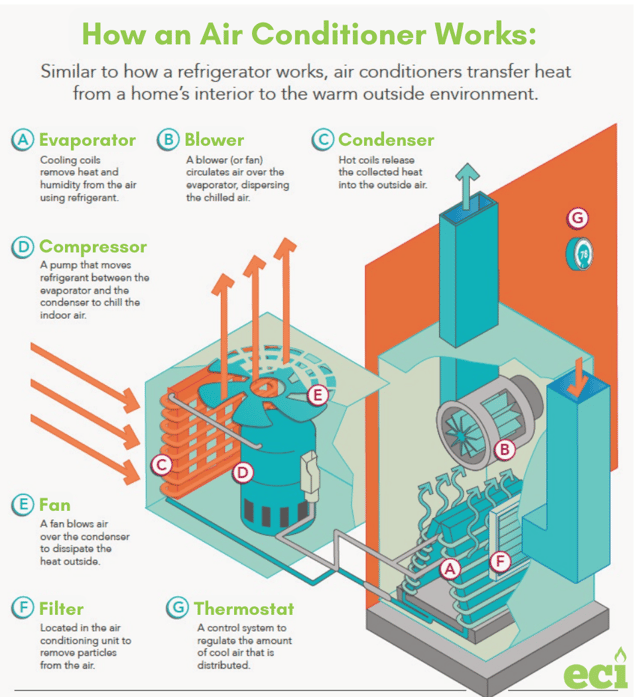
Credit: www.ecicomfort.com
Frequently Asked Questions
Does An Air Conditioner Use Outside Air To Cool Indoors?
Most air conditioners do not use outside air. They recirculate indoor air by removing heat and moisture. Some systems, like HVAC with fresh air intake, mix outside air but standard AC units mainly cool the existing indoor air.
How Does Air Conditioner Handle Outside Air?
Standard air conditioners seal your home to cool indoor air only. They do not draw outside air inside. Ventilation systems, separate from AC, bring in fresh air to maintain air quality alongside cooling.
Can Air Conditioners Improve Indoor Air Quality With Outside Air?
Typical air conditioners don’t improve air quality by bringing outside air. They filter and cool indoor air. To improve air quality, mechanical ventilation or air exchange systems are needed alongside AC units.
Why Don’t Most Air Conditioners Use Outside Air For Cooling?
Outside air is often warmer and more humid, making it inefficient for cooling. Air conditioners recycle indoor air to cool more effectively. Bringing in hot outside air increases energy use and reduces cooling efficiency.
Conclusion
Air conditioners mostly recycle the indoor air. They don’t pull in outside air. This helps maintain a consistent indoor temperature. Understanding this can improve your home’s energy efficiency. Keep windows and doors closed for best results. Regular maintenance ensures your unit works efficiently.
Clean filters and check for leaks. This prolongs the unit’s life and saves money. Knowing how your AC works helps make smarter choices. It’s crucial for comfort and cost management. Stay cool and informed!