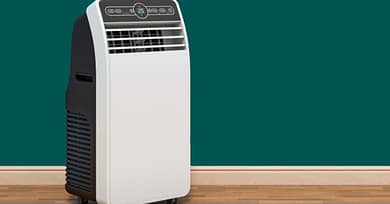
Are you wondering where you can dispose of your old air conditioner safely and responsibly? You’re not alone.
Getting rid of an air conditioner isn’t as simple as tossing it in the trash. If you don’t handle it properly, you could harm the environment or even face fines. But don’t worry—this guide will show you exactly where to take your air conditioner and how to make the process easy and stress-free.
Keep reading to find out the best options for disposing of your unit without hassle.
Credit: bigrichhauling.com
Why Proper Ac Disposal Matters
Air conditioners contain parts and chemicals that can harm the environment. Throwing them away carelessly can cause pollution.
Proper disposal keeps harmful substances from spreading and helps protect our health and nature.
Environmental Impact Of Ac Waste
Old air conditioners have chemicals like refrigerants that hurt the ozone layer. These gases trap heat and cause climate change.
Dumping AC units in landfills can leak oils and metals into the soil and water. This damages plants and animals.
- Refrigerants cause ozone layer depletion
- Leaking chemicals pollute soil and water
- Metal parts can take years to break down
Health Risks From Improper Disposal
Breaking or crushing air conditioners can release harmful chemicals into the air. Breathing these can cause lung problems.
Some parts contain heavy metals that can poison people if they enter water or food supplies.
- Inhalation of refrigerants causes breathing issues
- Contact with heavy metals can cause poisoning
- Improper disposal risks local water contamination
Local Recycling Centers
Disposing of an old air conditioner safely helps protect the environment. Local recycling centers take these units to recover valuable materials.
Finding the right place to recycle your air conditioner can save you time and ensure proper handling of harmful parts.
Finding Nearby Facilities
Use online tools or local government websites to find recycling centers near you. Many centers accept air conditioners for free or for a small fee.
- Search for “appliance recycling” or “HVAC recycling” in your area
- Call the center to confirm they accept air conditioners
- Check hours of operation and any special instructions
- Ask if there are any fees or limits on drop-off
What To Expect At Recycling Centers
Recycling centers follow safety rules to handle air conditioners. They remove refrigerants and separate metals for reuse.
| Step | What Happens |
| 1 | Drop off your air conditioner at the designated area |
| 2 | Staff checks the unit for hazardous materials |
| 3 | Refrigerants are safely removed and recycled |
| 4 | Metals like copper and aluminum are separated |
| 5 | Remaining parts are processed or disposed of properly |
Retailer Take-back Programs
Many retailers offer take-back programs to help you dispose of old air conditioners. These programs make it easy to recycle your AC units responsibly.
Using these programs helps keep harmful materials out of landfills. Retailers often work with certified recycling centers for safe disposal.
Major Retailers Offering Ac Disposal
Some big retailers accept old air conditioners when you buy a new one. They provide drop-off points or pick-up services for your old unit.
- Home Depot: Offers recycling for old AC units in select stores.
- Lowe’s: Accepts old air conditioners for recycling at many locations.
- Best Buy: Takes back small appliances including some air conditioners.
- Walmart: Provides recycling options in certain areas with local partners.
How To Use Take-back Services
Check with the retailer before you bring your old AC unit. Some require you to buy a new air conditioner to use the service.
Follow these steps to use take-back programs:
- Call or visit the retailer’s website to confirm if they accept AC units.
- Find the nearest store that offers the take-back program.
- Prepare your old air conditioner for drop-off by unplugging and cleaning it.
- Bring the unit to the store or arrange a pick-up if available.
- Complete any required paperwork or recycling forms.

Credit: www.acdirect.com
Municipal Waste Services
Disposing of an air conditioner safely helps protect the environment. Many cities offer municipal waste services for this purpose. These services often handle bulky items like air conditioners properly.
Using local waste programs keeps harmful materials from landfills. It also ensures the parts are recycled or disposed of correctly. Check your city’s rules before disposal.
Curbside Pickup Options
Some towns include air conditioners in their regular bulky waste pickup. You may need to schedule a pickup or place the unit at the curb on a specific day.
- Call your municipal waste office to arrange pickup.
- Remove all fluids and secure the unit safely.
- Place the air conditioner outside before the pickup day.
- Follow any weight or size limits set by your city.
Special Collection Events
Many cities host special events for hazardous or bulky waste. These events allow residents to drop off items like air conditioners safely.
| Event Type | Purpose | How to Participate |
| Seasonal Collection | Collect bulky waste | Bring items to designated center |
| Hazardous Waste Day | Handle refrigerants and chemicals | Register online or by phone |
| Community Cleanup | Pick up large discarded items | Follow event schedule and locations |
Professional Disposal Services
Disposing of an air conditioner requires special care. Professional services handle this safely and follow the law.
These services remove harmful chemicals and recycle parts properly. This helps protect the environment.
Hiring Certified Technicians
Certified technicians have the right training to remove air conditioners safely. They know how to handle refrigerants and electrical parts.
Using a certified technician reduces risks like leaks or damage. It also ensures the disposal follows local rules.
Cost And Scheduling
Disposal costs depend on the size and type of air conditioner. Some companies charge a flat fee, others by weight or service.
Scheduling is flexible. You can often book a pickup or drop off at a nearby center. Early booking may save time.
- Small units cost less to dispose
- Some services offer same-week pickup
- Ask about fees before scheduling
Donation And Resale Options
Disposing of an old air conditioner can be done responsibly by donating or reselling it. These options help extend the life of your unit and reduce waste.
Many people look for affordable cooling solutions. Donating or selling your AC unit offers a practical way to support others and earn some money.
When Ac Units Can Be Donated
You can donate an air conditioner if it meets certain conditions. These ensure the unit is safe and useful for the next user.
- The unit is in good working condition without leaks or damage.
- It has been cleaned and well maintained.
- The model is energy efficient or still supported for repairs.
- It passes any local safety and environmental regulations.
Donated units often go to community centers, shelters, or charity programs that help low-income families.
Platforms For Selling Used Acs
You can sell your used air conditioner online or locally. Choosing the right platform helps find buyers quickly and safely.
| Platform | Benefits | Tips |
| Online Marketplaces | Wide audience, easy listing | Include clear photos and details |
| Local Classifieds | Quick local sales, no shipping | Meet in safe public places |
| Specialty Appliance Stores | Trusted buyers, possible trade-in | Check store policies first |
| Social Media Groups | Community trust, easy communication | Use local groups for best results |
Eco-friendly Disposal Tips
Disposing of an air conditioner safely helps protect the environment. Air conditioners contain harmful parts that need special care.
Following eco-friendly steps reduces pollution and saves resources. Learn how to dispose of your air conditioner the right way.
Removing Hazardous Components
Air conditioners have chemicals like refrigerants that harm the air. These must be removed before disposal.
Only trained professionals should handle these parts. They use special tools to capture and recycle harmful gases.
- Refrigerants can damage the ozone layer
- Electrical parts contain dangerous materials
- Proper removal prevents soil and water pollution
Reducing Waste Through Recycling
Many parts of an air conditioner can be recycled instead of thrown away. Recycling saves raw materials and energy.
Metal, plastic, and glass parts are often reused in new products. This lowers the amount of waste in landfills.
- Take old units to a certified recycling center
- Ask local waste programs about appliance pickup
- Recycling reduces harmful emissions and waste

Credit: bigrichhauling.com
Frequently Asked Questions
Where Can I Recycle My Old Air Conditioner?
You can recycle old air conditioners at local recycling centers or hazardous waste facilities. Many cities offer special drop-off events for appliances.
Can I Dispose Of Air Conditioners At Landfill Sites?
Most landfills do not accept air conditioners due to harmful refrigerants. Proper disposal involves certified recycling or hazardous waste programs.
Are There Special Regulations For Ac Disposal?
Yes, AC units contain refrigerants regulated by law. Certified technicians must remove these chemicals before disposal to prevent environmental harm.
Do Appliance Stores Accept Old Air Conditioners?
Some appliance stores offer take-back programs when you buy a new AC. Check with your retailer about their recycling policies.
Conclusion
Finding the right place to dispose of your air conditioner is crucial. Proper disposal helps the environment and keeps your home clutter-free. Many local recycling centers accept old units. Check with your city’s waste management services for guidance. Some retailers offer take-back programs.
They might even provide a discount on your next purchase. Always ensure your unit is completely drained of refrigerants before disposal. This step protects the environment from harmful substances. Remember, responsible disposal benefits everyone. Make the right choice today. Keep your community safe and clean.