Have you ever wanted to create your own cozy tent right at home? Whether it’s for a fun indoor camping night, a quiet reading nook, or a creative play space for kids, making a tent yourself is easier than you think.
In this guide, you’ll discover simple steps and handy tips to build a comfortable and stylish tent using materials you already have. Imagine having your own special spot where you can relax, unwind, or have fun—all made by your own hands.
Ready to start? Let’s dive in and bring your perfect home tent to life!

Credit: www.creativegreenliving.com
Materials Needed
Making a tent at home requires some basic materials. These materials help build a sturdy and comfortable shelter.
You will need fabric, support structures, and some additional supplies. Each plays a key role in the tent’s durability and ease of use.
Fabric Choices
Choosing the right fabric is important for your tent’s protection and comfort. Look for fabrics that are water-resistant and durable.
- Canvas: Strong and breathable but heavier
- Nylon: Lightweight and dries quickly
- Polyester: Durable and resists stretching
- Tarpaulin: Waterproof and easy to clean
Support Structures
Support structures keep your tent upright and stable. You can use poles, sticks, or even strong rods.
| Support Type | Description |
| Tent Poles | Lightweight and collapsible |
| Wooden Sticks | Easy to find, good for small tents |
| Metal Rods | Very strong but heavier |
| Rope | Used to tie and secure the tent |
Additional Supplies
Extra supplies help you assemble and secure your tent properly. These items make the building process easier and safer.
- Scissors or fabric cutter
- Sewing needle and strong thread
- Hammer or mallet for stakes
- Stakes or pegs to fix the tent to the ground
- Measuring tape for accuracy
Credit: www.youtube.com
Selecting The Tent Style
Choosing the right tent style is key to making a tent at home. The style affects how easy it is to build and how well it works outdoors.
Think about how many people will use the tent and what you want it for. This helps pick the best design for your needs.
Simple Teepee
The simple teepee is a classic tent style. It has a tall, pointed shape made with poles tied at the top.
This tent is easy to set up and uses few materials. It works well for quick shelter and small spaces.
A-frame Tent
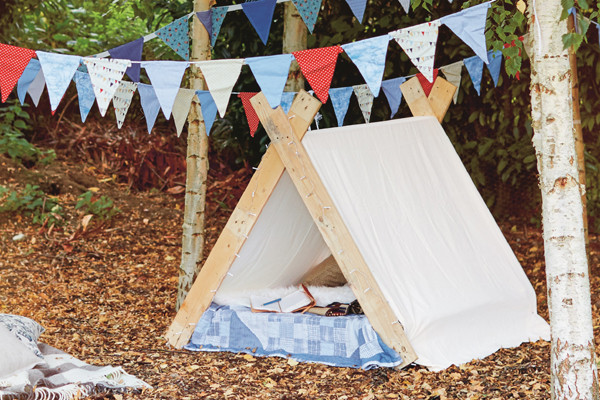
The A-frame tent looks like the letter “A”. It uses two poles at each end with a ridge pole in the middle.
This style is strong and stable. It gives good headroom and is good for camping in windy places.
- Easy to build with wood or metal poles
- Good rain protection due to sloped sides
- Can fit more people than a teepee
Dome Tent
The dome tent has a round shape made by flexible poles that cross each other. It looks like a half sphere.
This tent style is very stable and offers good space inside. It is popular for many outdoor activities.
- Great wind resistance
- Easy to carry and set up
- Comfortable for multiple people
Preparing The Fabric
Preparing the fabric is the first step to making a tent at home. You need to choose strong and waterproof material for durability.
Proper preparation ensures your tent will protect you from wind and rain. Careful measuring and cutting help avoid waste.
Measuring And Cutting
Measure the fabric pieces according to the size of your tent design. Add extra space for seams and overlaps.
- Use a tape measure to get exact dimensions.
- Mark fabric with a pencil or tailor’s chalk.
- Cut the fabric with sharp scissors for clean edges.
- Double-check all measurements before cutting.
Sewing Or Taping Edges
Secure the edges to stop fraying and to keep the tent strong. You can sew or use waterproof tape.
| Method | Tools Needed | Benefits |
| Sewing | Needle, Thread, Sewing Machine | Strong and durable seams |
| Taping | Waterproof Tape, Scissors | Quick and easy, water-resistant |
Building The Frame
Building a strong frame is the first step to making a tent at home. The frame holds the tent up and gives it shape.
You can use simple materials like poles, sticks, and rope. These materials help you build a sturdy frame that lasts.
Using Poles Or Sticks
Poles or sticks are the main support for your tent frame. Choose long, straight sticks or poles that are strong.
Place the poles vertically or at an angle to create the tent shape. You can use wood, metal, or plastic poles.
- Pick sticks that are not cracked or weak
- Use poles that are long enough for your tent height
- Place poles evenly to keep the frame balanced
Creating Support With Rope
Tie the poles or sticks together with rope to keep the frame steady. Rope helps hold the structure in place.
Use knots that are tight and secure. You can also use rope to add extra support between poles.
- Use strong rope like nylon or cotton
- Make tight knots like square knots or clove hitches
- Add rope lines to stop poles from moving
- Check knots regularly to keep the frame safe
Assembling The Tent
Building a tent at home is a fun and useful project. You need to put the parts together carefully. This makes sure the tent is strong and safe.
Start by learning how to attach the fabric to the frame. Then, secure the tent to keep it steady. Follow these easy steps to finish your tent.
Attaching Fabric To Frame
First, lay the fabric flat on the ground near the frame. Make sure the fabric is clean and free from holes. Align the edges of the fabric with the frame’s shape.
Use clips, ties, or velcro strips to fasten the fabric to the frame. Start from one corner and work your way around. Tighten the fabric so it does not sag.
- Place fabric near frame
- Align edges carefully
- Attach fabric with clips or ties
- Work around the frame evenly
- Keep fabric tight and smooth
Securing The Tent
After the fabric is on the frame, secure the tent to the ground. This stops it from moving in wind or bad weather. Use strong stakes or weights.
Place stakes at each corner of the tent. Push them deep into the ground at an angle. Attach ropes from the tent to the stakes for extra hold.
- Use stakes or heavy weights
- Place stakes at tent corners
- Push stakes into the ground firmly
- Attach ropes from tent to stakes
- Check all ties are tight
Credit: www.lifeintents.com
Adding Comfort And Decoration
Making a tent at home is fun and easy. You can add comfort and decoration to make it cozy.
Simple touches can turn your tent into a relaxing and pretty space. Use ideas below to help.
Flooring Options
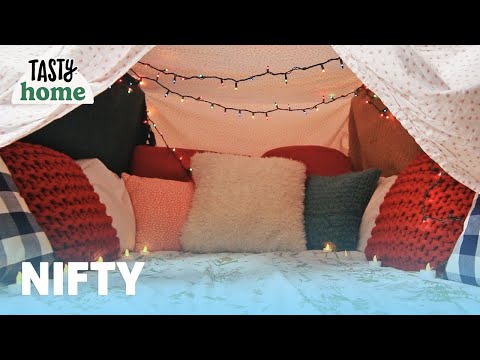
Choose soft flooring to keep your tent warm and comfy. Rugs or blankets work great.
You can also use foam mats or cushions for a soft base to sit or lie on.
- Large area rugs add warmth and color
- Blankets or throws create a cozy feel
- Foam mats are soft and easy to clean
- Extra cushions make sitting more comfortable
Lighting Ideas
Good lighting makes your tent inviting and fun. Use soft lights for a warm glow.
String lights or battery-powered lamps are safe and easy to place inside your tent.
- Fairy string lights create a magical effect
- Battery lamps avoid the need for plugs
- LED candles add a gentle, flickering light
- Colored lights can make the tent playful
Personal Touches
Add items that show your style to make your tent special. These make the space feel like yours.
Use pillows, stuffed animals, or favorite books to decorate and relax inside the tent.
- Soft pillows in different shapes and colors
- Stuffed animals for a fun, cozy feel
- Favorite books or magazines to read
- Small baskets to keep toys or snacks
Safety Tips
Building a tent at home can be fun but safety is important. Follow these tips to keep your tent strong and safe.
Use simple materials and check your setup often. Safety helps everyone enjoy the tent without problems.
Stable Structure
Make sure the tent frame is strong and steady. Use solid sticks or poles that do not bend easily.
- Check all joints and knots for tightness.
- Place the tent on flat ground to avoid falling.
- Use extra weights or stakes to hold the tent down.
- Avoid using weak or damaged materials.
Fire Safety
Keep flames and heat far from your tent. Fabric can catch fire quickly and cause harm.
| Do | Don’t |
| Use battery-operated lights inside the tent | Light candles or campfires near the tent |
| Keep a fire extinguisher nearby | Use open flames inside or close to the tent |
| Place the tent away from grills or stoves | Smoke inside the tent |
Ventilation
Good airflow keeps the tent fresh and safe. It stops heat and moisture from building inside.
- Leave windows or flaps open when possible.
- Avoid blocking air vents with furniture or bags.
- Use mesh screens to keep bugs out but let air in.
- Check for signs of stuffiness and open more vents if needed.
Frequently Asked Questions
How Do I Choose Materials For A Home Tent?
Select lightweight, durable fabrics like cotton or nylon. Use sturdy poles or sticks for structure. Ensure materials are safe and easy to handle indoors.
What Basic Tools Are Needed To Make A Tent At Home?
You need scissors, measuring tape, strong thread, needle, and clips. Optional tools include a sewing machine and adhesive tape.
How Can I Make A Tent Stable Indoors?
Secure poles firmly using heavy objects or tape. Anchor fabric tightly to prevent sagging. Choose a flat, open area for setup.
What Are Simple Tent Designs For Beginners?
Start with A-frame or teepee styles. These require fewer materials and are easier to assemble. They offer good space and stability.
Conclusion
Making a tent at home can be simple and fun. Use easy materials you already have. Follow the steps carefully for best results. A homemade tent gives a cozy space to relax or play. It can bring family and friends together.
Try different shapes and sizes to find what works. Enjoy your new tent for reading, resting, or adventure. Creating something with your hands feels great. Keep practicing to improve your tent-making skills. Start your project today and enjoy the process.