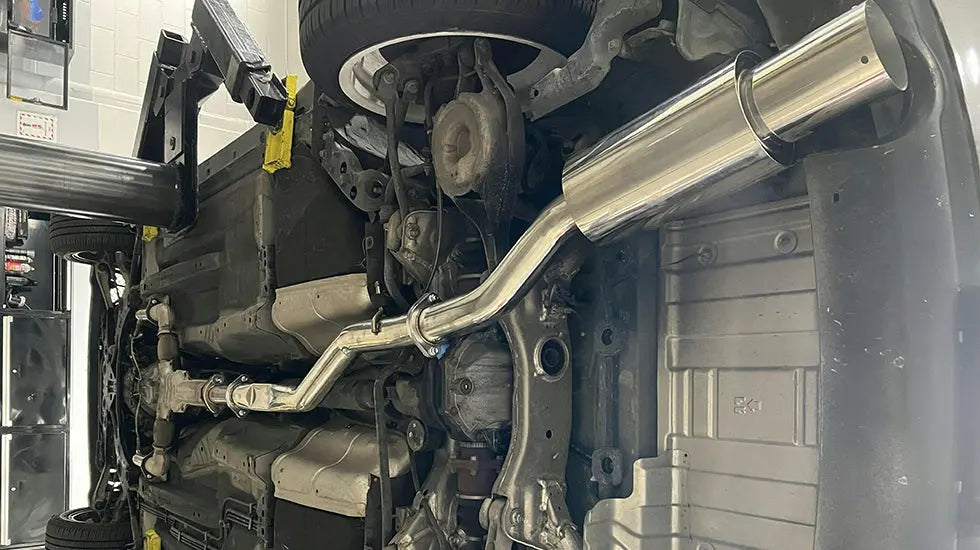
Are you curious if a cat back exhaust system can really boost your car’s horsepower? You’ve probably heard that upgrading your exhaust can make your engine more powerful, but how true is that?
Understanding how a cat back exhaust works and what it actually does to your vehicle’s performance can save you time and money. You’ll discover the real impact of a cat back exhaust system on horsepower and whether it’s worth the investment for your ride.
Keep reading to find out what you need to know before making any changes under your car.
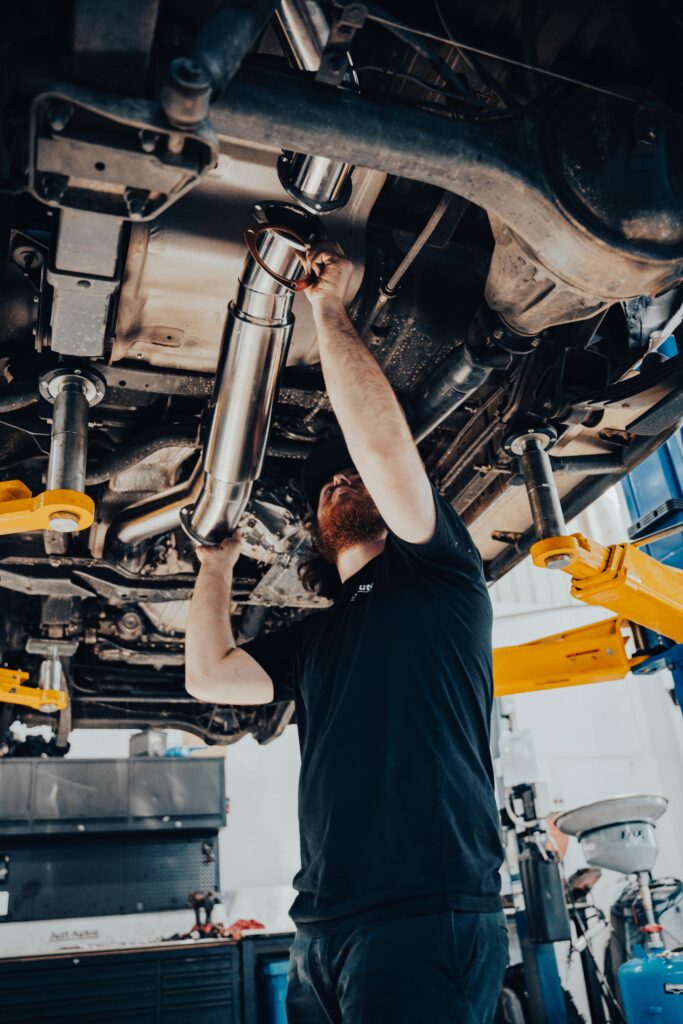
Credit: www.justdieselperformance.com.au
Cat Back Exhaust Basics
A cat back exhaust system is a popular upgrade for many car owners. It affects the part of the exhaust that comes after the catalytic converter. This system can influence the sound and performance of the vehicle.
Understanding what a cat back exhaust is and how it differs from other exhaust systems helps in making informed decisions about upgrades.
What Is A Cat Back Exhaust
A cat back exhaust system includes all parts of the exhaust from the outlet of the catalytic converter to the exhaust tip. It usually consists of pipes, mufflers, and sometimes resonators.
- Starts after the catalytic converter
- Includes pipes and mufflers
- Directs exhaust gases out of the vehicle
- Can change exhaust sound and flow
How It Differs From Other Exhaust Systems
Cat back exhaust systems differ from other exhaust setups mainly by what parts they include and where they start. Other systems may replace the catalytic converter or cover the entire exhaust.
| Exhaust System Type | Starts At | Includes | Common Purpose |
| Cat Back Exhaust | After catalytic converter | Pipes, mufflers, resonators | Improve sound and flow |
| Axle Back Exhaust | After rear axle | Muffler, exhaust tip | Change exhaust sound |
| Header-Back Exhaust | At exhaust manifold | Headers, pipes, mufflers | Increase performance |
| Full Exhaust System | From engine to tip | All exhaust components | Complete replacement or upgrade |
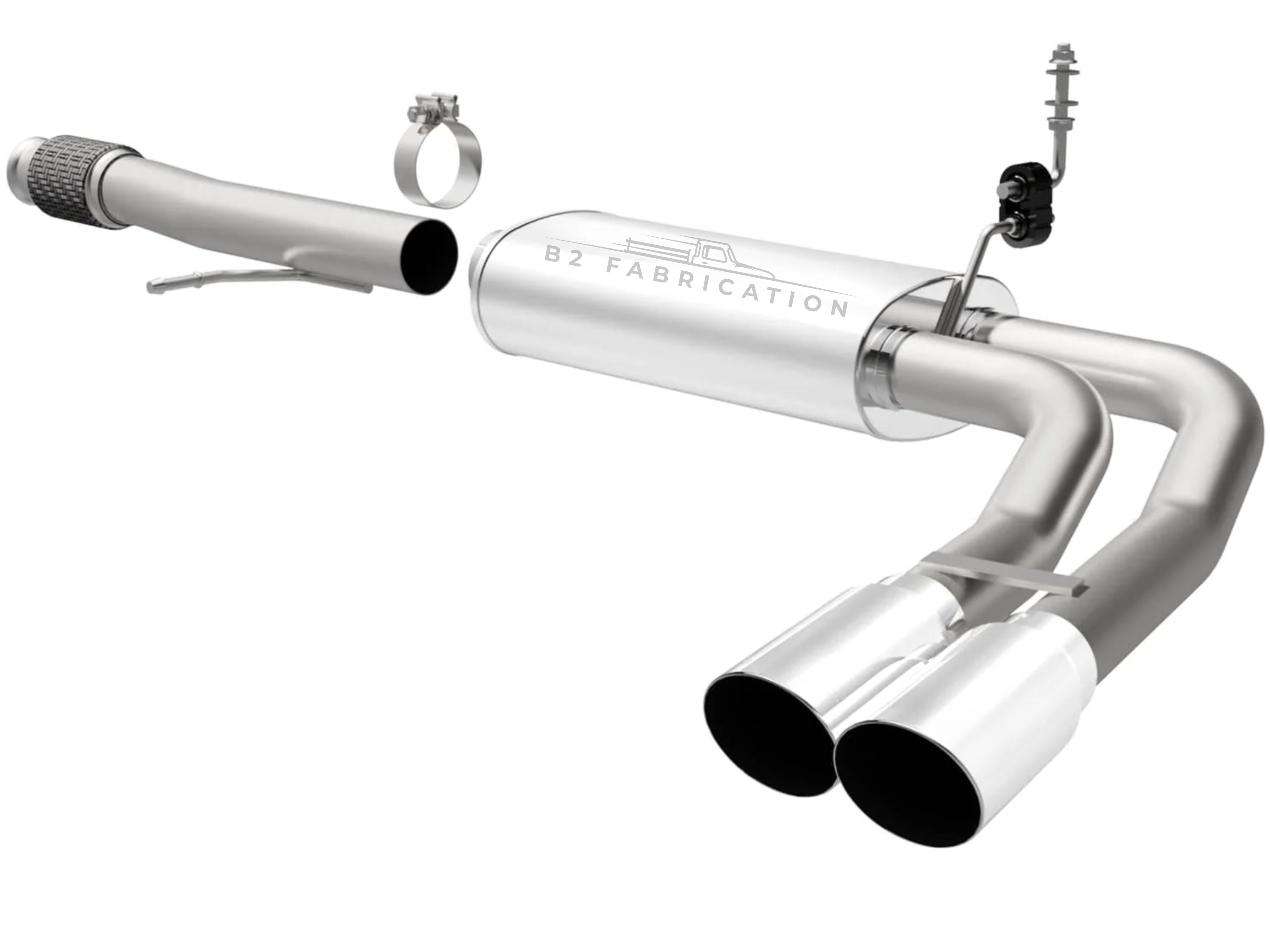
Credit: www.b2fabrication.com
Horsepower And Exhaust Flow
Horsepower is a key measure of an engine’s power. Exhaust flow plays a big role in how much horsepower an engine can make.
The exhaust system moves gases out of the engine. A better flow can help the engine breathe and work stronger.
Role Of Exhaust In Engine Performance
The exhaust system clears burnt gases from the engine cylinders. This helps fresh air and fuel enter for the next power stroke.
- Removes exhaust gases quickly
- Reduces backpressure in the system
- Improves air and fuel mixture intake
- Helps engine run cooler
- Supports better combustion
Effect Of Exhaust Restrictions On Power
Restrictions in the exhaust system cause backpressure. This makes it harder for gases to leave the engine.
| Type of Restriction | Effect on Exhaust Flow | Impact on Horsepower |
| Clogged Catalytic Converter | Severe | Reduces power |
| Small Diameter Pipes | Moderate | Limits high RPM power |
| Sharp Bends | Mild | Minor loss in flow |
| Open Exhaust | None | Maximizes flow |
Performance Gains From Cat Back Systems
A cat back exhaust system replaces the pipes from the catalytic converter to the rear of the vehicle. It helps exhaust gases flow more freely.
Many car owners want to know if this upgrade can increase horsepower. Let’s look at how cat back systems affect engine power.
Typical Horsepower Improvements
Cat back systems can improve horsepower by reducing exhaust restrictions. This allows the engine to breathe better.
The usual horsepower gain ranges from 5 to 15 extra horsepower. The exact increase depends on the car and system quality.
- 5 to 15 horsepower increase on most vehicles
- Better exhaust flow improves engine efficiency
- Gain depends on factory exhaust design
Factors Influencing Power Boost
The power gain from a cat back system depends on several factors. The engine type and existing exhaust setup matter most.
Other factors include pipe diameter, muffler design, and installation quality. These affect how well exhaust gases exit the engine.
- Engine size and type
- Diameter of exhaust pipes
- Muffler design and placement
- Quality of system installation
- Compatibility with other engine modifications

Credit: bexcodeservices.com
Sound And Driving Experience
A cat back exhaust system changes how your car sounds and drives. It replaces parts of the exhaust after the catalytic converter.
This system can affect the noise level and how smooth the car feels on the road.
Changes In Exhaust Note
A cat back exhaust usually makes the engine sound louder and deeper. The new pipes allow the sound to flow more freely.
The sound can be sporty or aggressive, depending on the system you choose. It may add a rumble or growl to your car’s noise.
- Louder exhaust tone
- Deeper and richer sound
- More aggressive or sporty noise
- Less muffled than stock exhaust
Impact On Daily Driving
Driving with a cat back exhaust can feel different. Some drivers notice a small boost in throttle response.
The system may change how smooth the engine runs and how the car reacts to acceleration. Noise levels can be higher inside and outside the car.
- Possible slight horsepower increase
- More responsive acceleration
- Louder cabin noise
- Potential drone on highways
Choosing The Right Cat Back Exhaust
A cat back exhaust system can improve your car’s sound and performance. Picking the right one matters for getting more horsepower.
Several factors affect how well a cat back exhaust works. Material and vehicle compatibility are key points to check.
Material Options And Durability
Cat back exhausts come in different materials. Each type has its own strength and lifespan.
- Stainless Steel:Lasts long and resists rust well.
- Aluminized Steel:Cheaper but may rust faster.
- Mild Steel:Least expensive but needs more care to avoid corrosion.
Choosing a durable material helps keep your exhaust working well over time.
Compatibility With Your Vehicle
Not all cat back exhausts fit every car. Make sure the system matches your vehicle’s make and model.
| Vehicle Type | Exhaust Fitment | Notes |
| Sedan | Most cat back systems fit | Check pipe diameter |
| SUV | Requires specific length and bends | Look for SUV-compatible kits |
| Truck | May need custom options | Verify mounting points |
Correct fitment ensures easy installation and better performance gains.
Installation And Maintenance
Installing a cat back exhaust system can affect your car’s horsepower. Proper installation and regular maintenance help keep the system working well. This guide covers key points about installation choices and care tips.
Knowing how to install and maintain your exhaust system ensures you get the best performance. It also prevents damage and extends the system’s life.
Diy Vs Professional Installation
Some car owners choose to install the cat back exhaust system themselves. Others hire a professional. Each option has advantages and risks.
- DIY Installation:Saves money but needs tools and knowledge.
- Professional Installation:Costs more but ensures correct fitting.
- Time:DIY may take longer due to inexperience.
- Warranty:Some warranties require professional installation.
- Safety:Professionals reduce risk of damage or injury.
Upkeep Tips For Longevity
Maintaining your cat back exhaust system keeps it running smoothly. Regular checks and simple care can prevent costly repairs.
| Maintenance Task | Frequency | Purpose |
|---|---|---|
| Inspect for leaks | Every 6 months | Find holes or cracks early |
| Clean exhaust tips | Monthly | Prevent rust and buildup |
| Tighten clamps and bolts | Every 6 months | Keep system secure |
| Check hangers and mounts | Yearly | Avoid sagging or damage |
| Use high-quality fuel | Always | Reduce residue in pipes |
Common Myths And Facts
Many people wonder if a cat-back exhaust system can increase horsepower. There are many ideas about what it can do for your car.
This article clears up some myths and shares what you can really expect from a cat-back exhaust system.
Misconceptions About Horsepower Gains
Some believe a cat-back exhaust always boosts horsepower a lot. This is not always true. Gains depend on many factors.
People often think changing the exhaust alone makes big power changes. But the engine and other parts matter too.
- Myth: Cat-back exhaust adds 20+ horsepower by itself.
- Fact: Real gains are usually smaller without other upgrades.
- Myth: Any cat-back system fits all cars for big power.
- Fact: The design must match the engine and car model.
What To Expect Realistically
A cat-back exhaust can improve exhaust flow and sound. This may give a small horsepower increase.
The typical horsepower gain is about 5 to 10%. Gains over 10% need more changes like tuning or intake upgrades.
- Better sound and a slight power boost are common benefits.
- Improved engine efficiency can help fuel economy slightly.
- Big horsepower gains require extra engine tuning or parts.
- Proper installation and matching parts maximize results.
Frequently Asked Questions
Does A Cat-back Exhaust System Improve Horsepower?
Yes, a cat-back exhaust can increase horsepower by improving exhaust flow. It reduces backpressure, allowing the engine to breathe better and perform more efficiently.
How Much Horsepower Gain Can I Expect From A Cat-back Exhaust?
Typically, a cat-back exhaust system can add 5 to 15 horsepower. The exact gain depends on your vehicle and the specific exhaust design.
Will A Cat-back Exhaust System Affect Fuel Efficiency?
Yes, it can slightly improve fuel efficiency by optimizing exhaust flow. However, gains vary and depend on driving habits and engine tuning.
Is Installing A Cat-back Exhaust System Worth The Horsepower Increase?
For many, yes. It offers a noticeable performance boost and a sportier sound without major engine modifications.
Conclusion
A cat-back exhaust system can boost your car’s performance. It offers improved airflow and reduces back pressure. This can lead to a slight increase in horsepower. The design and quality of the exhaust system matter. Not all systems give the same results.
Choose one that fits your car’s needs. Consider your budget and performance goals. A good system may enhance your driving experience. Always check compatibility with your vehicle. Consulting with an expert can be helpful. Make informed decisions for the best results.