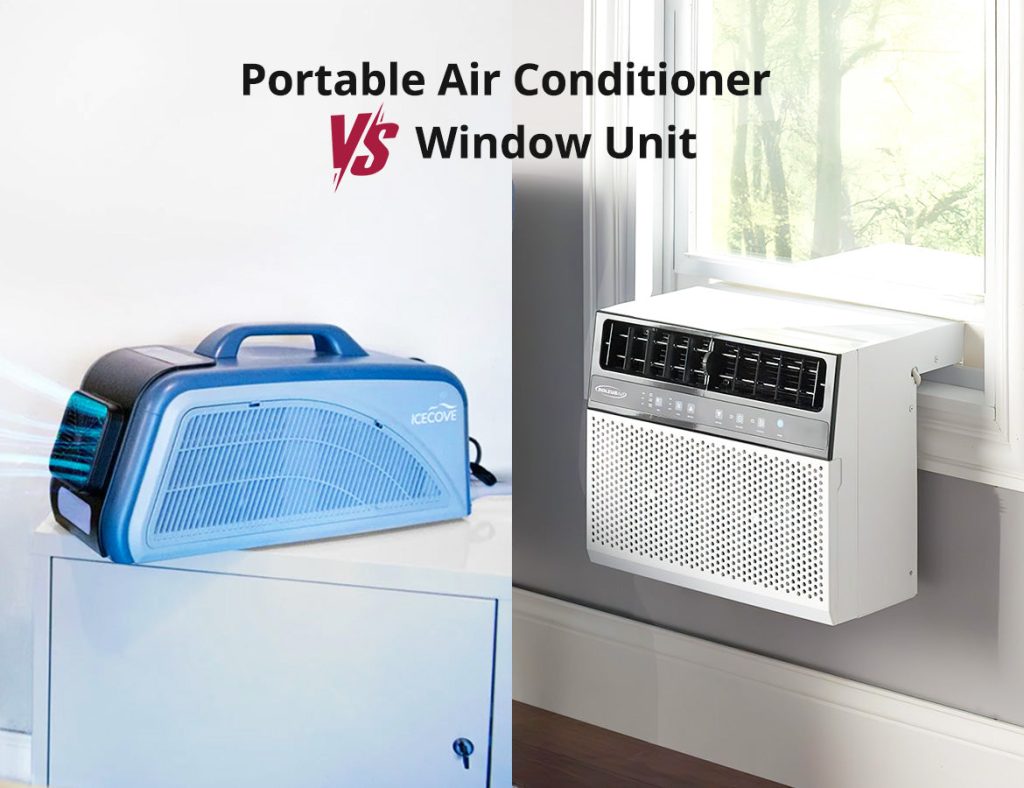
Are you struggling to keep your room cool and comfortable during hot days? Choosing the right air conditioner can make a big difference in your energy bills and comfort.
You might be wondering if a window air conditioner is more efficient than a portable one. This question is important because the right choice can save you money and hassle. You’ll discover which option works best for your needs and why.
Keep reading to find out how to stay cool without wasting energy or cash.

Credit: www.garvee.com
How Window Acs Work
Window air conditioners cool a room by moving heat outside. They use a simple process to keep the air inside fresh and cool.
Understanding how window ACs work helps you see why they might be more efficient than portable models.
Basic Mechanism
Window ACs have parts that work together to cool the air. A fan pulls warm air from the room over cold coils. The coils remove heat and moisture from the air. Then, the cool air blows back inside.
- The compressor pumps refrigerant through the system.
- The refrigerant absorbs heat from the indoor air.
- Heat moves outside through condenser coils.
- The cooled air returns to the room.
- The fan helps circulate air inside and outside.
Energy Consumption
Window air conditioners often use less energy than portable units. This is because they are fixed in a window, which limits air leaks.
| Type | Energy Use (Watts) | Efficiency |
| Window AC | 500 – 1500 | Higher |
| Portable AC | 800 – 2000 | Lower |
How Portable Acs Work
Portable air conditioners cool a room by removing heat from the air. They are easy to move from one room to another.
These units use a hose to push hot air outside. This keeps the indoor air cooler and comfortable.
Basic Mechanism
Portable ACs have three main parts: compressor, condenser, and evaporator. The compressor pumps refrigerant to cool the air.
The evaporator pulls heat from the room air. The condenser releases this heat outside through a hose.
- Warm room air is drawn into the unit
- Air passes over cold evaporator coils
- Heat transfers to refrigerant inside the coils
- Refrigerant moves to the condenser outside the room
- Hot air is pushed out through an exhaust hose
- Cooled air is blown back into the room
Energy Consumption
Portable ACs often use more energy than window units. This is because they need power to push hot air outside.
The exhaust hose can cause some cooled air to escape. This makes the unit work harder and use more electricity.
- Portable ACs use energy for cooling and exhausting air
- Window units exhaust heat directly outside, saving power
- Energy use depends on size and cooling capacity
- Proper sealing around hoses can reduce energy loss
Efficiency Comparison
Choosing the right air conditioner affects comfort and energy use. Window and portable units differ in design and function. This article compares their efficiency in three key areas.
Understanding these differences helps you pick the best cooling option for your space and budget.
Cooling Performance
Window air conditioners usually cool rooms faster and more evenly. They install in windows and vent hot air outside. Portable units sit on the floor and use a hose to push hot air out through a window.
- Window units cover larger areas efficiently.
- Portable units work well in small spaces or for spot cooling.
- Window units tend to be quieter during operation.
- Portable units can be moved from room to room.
Power Usage
Window air conditioners often use less power than portable models. They avoid energy loss by venting heat directly outside. Portable units lose some cooling power through their exhaust hose.
| Type | Average Power Use (Watts) |
|---|---|
| Window Air Conditioner | 500 – 1500 |
| Portable Air Conditioner | 700 – 1800 |
Energy Efficiency Ratios
The Energy Efficiency Ratio (EER) measures cooling output per watt. Higher EER means better efficiency. Window units generally have higher EER ratings than portable units.
Typical EER values:
- Window Air Conditioners: 10 – 12
- Portable Air Conditioners: 8 – 10
Higher EER means less energy use for the same cooling.
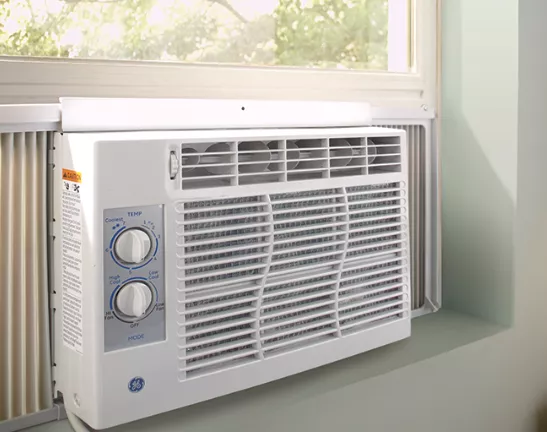
Credit: www.premium-electric.ca
Installation And Space Considerations
Choosing between window air conditioners and portable units involves thinking about how you install them. Space is also important. These factors affect how well the unit works and fits in your room.
Both types cool your space but need different setups. Understanding the needs helps you pick the right one for your home or office.
Setup Requirements
Window air conditioners need a window or wall opening. You must measure the space to fit the unit well. Installation might require tools and help for lifting the unit.
Portable air conditioners only need a power outlet and a place to vent hot air outside through a window or wall. Setup is simpler and does not need permanent changes.
- Window AC: Fits in window, requires mounting and sealing
- Portable AC: Placed on floor, needs vent hose to window or wall
- Window AC installation may need two people
- Portable AC setup can be done by one person quickly
Space Impact
Window air conditioners sit in the window space. This reduces natural light and blocks the view from the window. It does not take floor space inside the room.
Portable air conditioners use floor space inside the room. They can be moved but may take up space needed for furniture or walking paths.
- Window AC blocks part of the window but frees floor space
- Portable AC uses floor space but keeps windows clear
- Window AC is fixed in one spot
- Portable AC can be moved between rooms
Cost Factors
Choosing between window air conditioners and portable units depends on many costs. Understanding these costs helps you decide which fits your budget.
This section looks at the initial purchase price and operating costs of both types of air conditioners.
Initial Purchase Price
Window air conditioners usually cost less upfront than portable air conditioners. This is because window units are simpler to make and install. Portable units need extra parts like a hose and stand.
- Window units often cost between $150 and $400.
- Portable units usually cost from $200 to $600.
- Installation costs for window units can be low or none if you install yourself.
- Portable units need no installation but might need accessories.
Operating Costs
Operating costs vary by energy use and maintenance. Window air conditioners are generally more energy efficient, lowering monthly bills.
| Type | Energy Use (kWh) | Estimated Monthly Cost | Maintenance |
|---|---|---|---|
| Window Air Conditioner | 300 | $30 | Clean filter monthly |
| Portable Air Conditioner | 400 | $40 | Empty water tank weekly |

Credit: www.garvee.com
Noise Levels
Noise level is an important factor when choosing an air conditioner. Loud units can disturb daily activities and sleep.
Window air conditioners and portable air conditioners produce different noise amounts. Understanding these differences helps pick the best option.
Noise From Window Air Conditioners
Window air conditioners sit in a window or wall opening. Their compressor and fan are outside, which reduces indoor noise.
These units typically run between 50 and 60 decibels. This noise level is similar to a normal conversation or background music.
Noise From Portable Air Conditioners
Portable air conditioners stay inside the room. Their compressor and fan are inside too, which usually makes them louder.
They often produce noise levels from 55 to 70 decibels. This can be like a busy office or vacuum cleaner sound.
Comparing Noise Levels
| Type | Typical Noise Level (dB) | Noise Description |
| Window Air Conditioner | 50 – 60 | Normal conversation, background music |
| Portable Air Conditioner | 55 – 70 | Busy office, vacuum cleaner |
Tips To Reduce Noise
- Place portable units on soft surfaces to absorb sound
- Use soundproof curtains near window units
- Keep units clean to prevent extra noise from dust
- Choose units with a low decibel rating
Maintenance Needs
Keeping air conditioners clean and well-maintained helps them work better. Both window and portable units need regular care. This care affects how long they last and how much energy they use.
Understanding the maintenance needs can help you choose the right air conditioner for your home. It also makes it easier to keep your unit running smoothly.
Cleaning The Filters
Both window and portable air conditioners have filters that catch dust and dirt. Cleaning the filters often keeps the air fresh and the unit efficient. Dirty filters make the unit work harder.
- Window units usually have easy-to-remove filters.
- Portable units also have accessible filters but may need more frequent cleaning.
- Clean filters every two weeks during heavy use.
Draining Water
Air conditioners remove moisture from the air. This water needs to be drained properly. Window units often use a drain pan that evaporates water outside. Portable units collect water inside and need manual draining.
- Window ACs usually do not need manual draining.
- Portable ACs may have a bucket or tray to empty.
- Empty water tanks often to avoid leaks or mold.
Cleaning The Coils
The coils inside the air conditioner help cool the air. Dust and dirt on coils reduce efficiency. Window units have fixed coils that need careful cleaning. Portable units’ coils may be harder to reach.
Use a soft brush or vacuum to clean coils every few months. Avoid bending or damaging the coils during cleaning.
Checking For Leaks And Damage
Look for leaks around the unit and cracks in the casing. Window air conditioners are fixed in place, so check seals to stop air leaks. Portable units can be moved, so check hoses and vents for damage.
- Window units need good window seals to keep cold air in.
- Portable units use exhaust hoses that can crack or disconnect.
- Fix leaks quickly to save energy and keep air quality good.
Best Use Cases
Choosing between window air conditioners and portable units depends on your needs. Each type works best in different situations.
This guide helps you decide which AC suits your space and lifestyle better.
When To Choose Window Ac
Window air conditioners fit well in rooms with a suitable window. They cool spaces efficiently and save floor space.
- You have a permanent window opening to install the unit.
- You want a quieter cooling option.
- You need to cool a medium to large room consistently.
- You prefer a system that uses less energy for better efficiency.
- You want to avoid taking up floor space inside the room.
When To Choose Portable Ac
Portable air conditioners offer flexibility and easy movement. They work well if you rent or cannot install a window unit.
| Feature | Portable AC |
| Installation | No permanent installation needed |
| Mobility | Can be moved from room to room |
| Best For | Small rooms or temporary cooling |
| Noise Level | Usually louder than window ACs |
| Energy Use | Tends to use more energy |
Frequently Asked Questions
Are Window Air Conditioners More Energy Efficient?
Yes, window air conditioners generally use less energy than portable units. They cool rooms more effectively and have better insulation, resulting in lower electricity bills.
Do Portable Air Conditioners Cost More To Run?
Portable air conditioners typically consume more electricity. Their design causes some cooled air to escape, reducing efficiency and increasing energy costs compared to window units.
Which Ac Type Cools Rooms Faster?
Window air conditioners cool rooms faster due to better airflow and direct venting. Portable units take longer as they rely on flexible exhaust hoses.
Can Portable Acs Be Used In Any Room?
Portable ACs offer flexibility and can be moved between rooms easily. However, they require a window for venting hot air outside.
Conclusion
Choosing between window and portable air conditioners depends on your needs. Window units generally offer better efficiency. They cool larger spaces effectively. Portable units provide flexibility and easy installation. They are ideal for smaller rooms. Consider energy consumption and space before deciding.
Window units might save more energy over time. Portable units are convenient for renters. Assess your specific situation and budget. Each type has its benefits. Make an informed choice for your comfort. Both options keep you cool in summer. Choose wisely for better efficiency and satisfaction.