Are you planning a camping trip or a cozy night under the stars? Knowing how to use a sleeping bag properly can make all the difference between a restless night and waking up refreshed.
Your sleeping bag is more than just a blanket—it’s your personal comfort zone, keeping you warm and protected. In this guide, you’ll discover simple, practical tips to get the most out of your sleeping bag. By the end, you’ll feel confident and ready to enjoy a great night’s sleep anywhere.
Keep reading, and unlock the secrets to using your sleeping bag like a pro!
Choosing The Right Sleeping Bag
Choosing the right sleeping bag is important for a good night’s sleep outdoors. The right bag keeps you warm and comfortable.
You should think about the type, temperature rating, and materials before buying a sleeping bag.
Types Of Sleeping Bags
Sleeping bags come in different shapes and sizes. Each type fits different needs and uses.
The common types are rectangular, mummy, and semi-rectangular sleeping bags.
- Rectangular:Offers more space to move. Good for warm weather.
- Mummy:Tapered shape to keep heat. Best for cold weather.
- Semi-rectangular:A mix of both. Comfortable and warm.
Temperature Ratings
Temperature ratings tell you how cold it can be before you get cold in the bag. Always check the rating before buying.
Look for bags that match the lowest temperature you expect to face on your trip.
- Summer bags:Rated for 35°F (2°C) and above.
- 3-season bags:Rated between 20°F (-7°C) and 35°F (2°C).
- Winter bags:Rated below 20°F (-7°C).
Materials And Insulation
Sleeping bags use different materials for the shell and insulation. These affect warmth and weight.
Insulation can be synthetic or down. Each has benefits and drawbacks.
- Down insulation:Lightweight and warm. Loses warmth if wet.
- Synthetic insulation:Heavier but stays warm when wet. Usually cheaper.
- Shell materials:Usually nylon or polyester. They protect from wind and water.
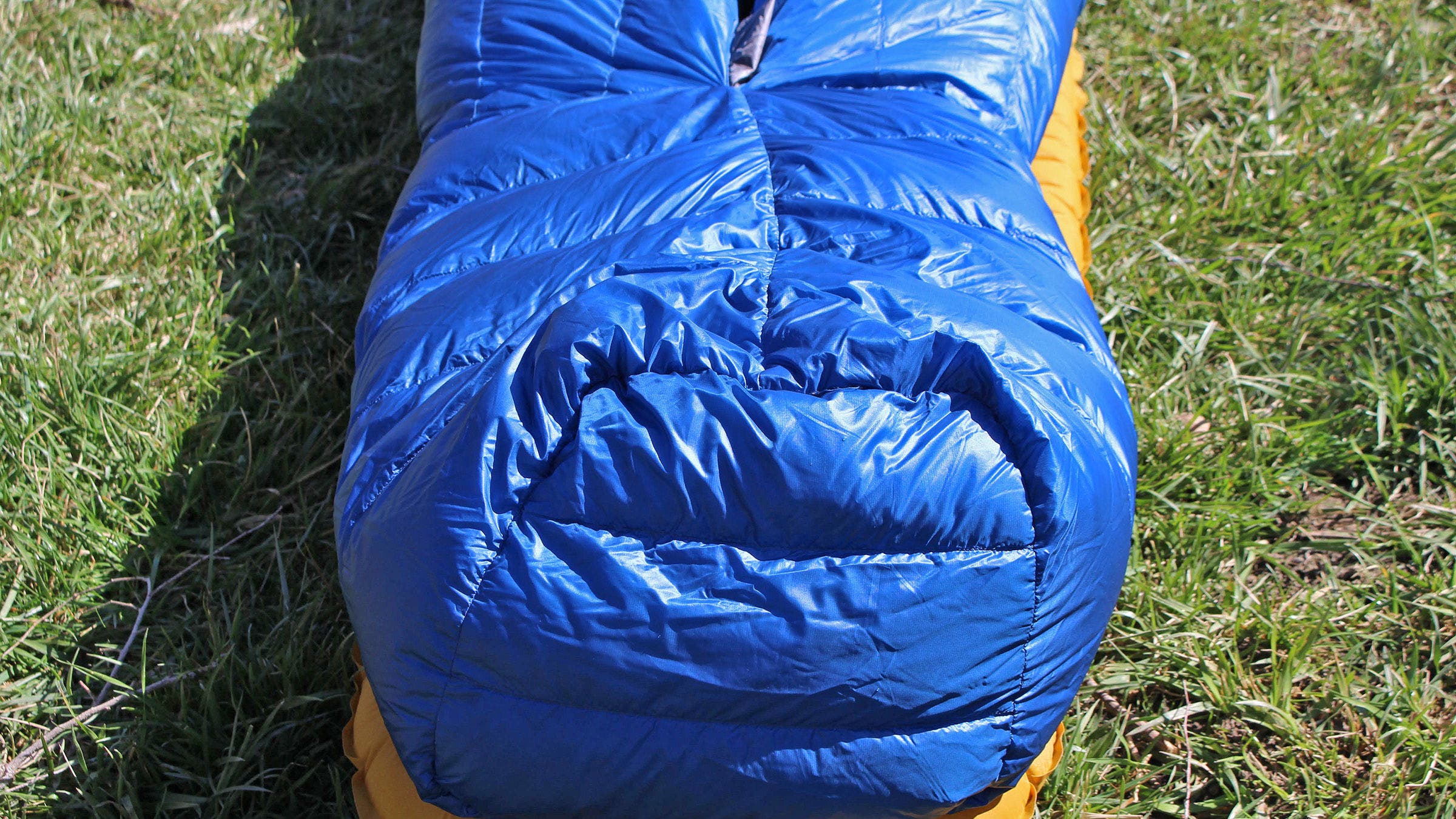
Credit: www.backpacker.com
Preparing Your Sleeping Bag
Getting your sleeping bag ready helps ensure a good night’s rest outdoors. Proper preparation keeps it clean and in good shape for many uses.
Follow simple steps before your first trip to make sure your sleeping bag lasts longer and stays comfortable.
Cleaning Before First Use
Wash your sleeping bag before using it for the first time. This removes any chemicals from the factory and dirt from storage.
- Check the care label for washing instructions.
- Use a gentle detergent designed for down or synthetic bags.
- Hand wash or use a front-loading washing machine on a gentle cycle.
- Rinse thoroughly to remove all soap.
- Dry completely, using low heat or air drying.
Proper Storage Techniques
Store your sleeping bag correctly to keep its loft and insulation. Avoid compressing it for long times.
| Storage Method | Details |
| Loose Storage | Hang or store in a large cotton sack to keep loft. |
| Compressed Storage | Only use for short trips or travel; avoid long-term compression. |
| Dry Place | Keep away from moisture and direct sunlight. |
| Clean Area | Prevent dirt and insects from damaging the fabric. |
Checking For Damage
Inspect your sleeping bag before every use. Look for tears, broken zippers, or worn fabric that may reduce warmth.
- Look over the seams for any loose threads.
- Test the zipper to make sure it moves smoothly.
- Check for holes or thin spots in the fabric.
- Repair small tears with patch kits or fabric glue.
- Replace or fix broken parts before your trip.
Setting Up For Sleep
Using a sleeping bag properly helps you stay warm and comfortable. Good setup lets you rest well outdoors.
Follow simple steps to prepare your sleeping area. This guide shows how to get ready for sleep.
Selecting A Campsite
Pick a flat spot to set your sleeping bag. Avoid places with rocks or roots that can hurt you.
Look for dry ground and shelter from wind. Stay away from low spots that may collect water.
- Choose flat and even ground
- Avoid wet or muddy areas
- Find natural wind protection
- Stay clear of rocks and roots
Laying Out Your Sleeping Bag
Spread your sleeping bag flat on the ground or sleeping pad. Make sure it is fully open.
Keep the zipper closed while you arrange the bag. This helps keep warmth inside when you get in.
- Lay the bag flat with the zipper side up
- Unzip partially to enter easily
- Zip up fully after getting inside
- Keep the bag clean and dry
Using A Sleeping Pad
Put a sleeping pad under your bag for extra comfort and insulation. This blocks cold ground air.
Choose a pad that fits your sleeping bag size. Inflate or unroll it before laying out your bag.
- Select a pad that matches your length
- Place the pad on flat ground
- Inflate or unfold the pad fully
- Lay your sleeping bag on top

Credit: www.amazon.com
Maximizing Warmth And Comfort
Using a sleeping bag properly helps you stay warm and comfortable outdoors. Small tips can make a big difference in your rest quality.
Focus on clothing, zipper use, and extra liners to improve your sleeping bag experience.
Layering Clothing
Wear clothes that keep heat close to your body. Avoid wet or cotton fabrics because they lose warmth.
- Start with a thin, moisture-wicking base layer
- Add an insulating middle layer if needed
- Wear dry socks and a hat to keep heat in
- Remove extra layers if you feel too hot
Zipping And Venting
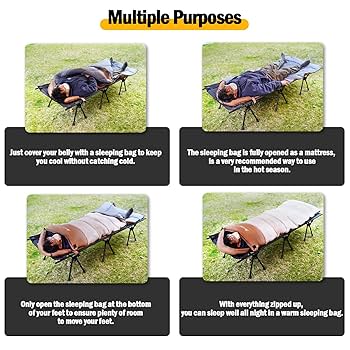
Use your sleeping bag zipper to control temperature. Closing it fully traps heat, while opening it helps cool down.
| Zipper Position | Effect |
| Fully Closed | Maximizes warmth inside the bag |
| Partially Open | Allows fresh air flow to reduce sweating |
| Fully Open | Used as a blanket or for cooling |
Using Additional Liners
Extra liners add warmth and protect your sleeping bag from dirt. Choose liners made of silk or fleece for best results.
Benefits of liners:
- Increase sleeping bag warmth by several degrees
- Keep the inside of your bag clean
- Dry faster than the sleeping bag itself
Maintaining Your Sleeping Bag Outdoors
Caring for your sleeping bag keeps it warm and comfortable. Proper care also helps it last longer. Outdoor conditions can be tough on your gear.
Follow simple steps to keep your sleeping bag clean and in good shape. This guide covers how to protect it while camping.
Keeping It Dry
Wet sleeping bags lose warmth and can develop mold. Always keep your bag dry during your trip. Use a waterproof stuff sack to protect it from rain and moisture.
If your sleeping bag gets wet, dry it as soon as possible. Hang it in a sunny spot or use a gentle heat source to avoid damage.
- Store in a waterproof sack when not in use
- Keep away from wet ground and water
- Dry completely before packing away
Avoiding Compression
Compressing your sleeping bag for long times can reduce its loft. Loft is the fluffiness that keeps you warm. Avoid storing your bag tightly packed after camping.
Use a large storage sack or hang your bag in a dry place at home. This helps maintain the insulation and shape of the sleeping bag.
- Do not store in tight stuff sacks long-term
- Use a loose storage bag or hang it up
- Keep it away from heat and direct sunlight
Nighttime Care Tips
At night, keep your sleeping bag clean by using a sleeping bag liner. This reduces dirt and sweat inside the bag. Avoid eating or drinking inside the bag to prevent stains.
Air your sleeping bag each morning by unzipping it and letting fresh air in. This helps reduce moisture and keeps it fresh for the next night.
- Use a liner to keep the bag clean
- Do not eat or drink inside the bag
- Air out the bag every morning

Credit: www.rockiesfamilyadventures.com
Packing And Storing After Use
Proper care of your sleeping bag after a trip keeps it in good shape. Packing and storing it right helps it last longer and stay comfortable.
Follow simple steps to clean, dry, and store your sleeping bag safely. This guide covers key points for after-use care.
Cleaning Post-trip
Remove dirt and sweat from your sleeping bag to keep it fresh. Clean it gently to avoid damage.
- Shake out loose dirt and debris.
- Spot clean stains with mild soap and water.
- Use a front-loading washing machine for full washes.
- Choose cold water and gentle cycle settings.
- Avoid harsh detergents and bleach.
Proper Drying Methods
Dry your sleeping bag fully to prevent mold and odors. Use careful drying methods to protect insulation.
| Drying Method | Tips |
|---|---|
| Air Dry | Hang in a shaded, ventilated area. Avoid direct sunlight. |
| Tumble Dry | Use low heat and add clean tennis balls to fluff the insulation. |
| Flat Dry | Lay flat on a clean surface, turning occasionally for even drying. |
Long-term Storage Tips
Store your sleeping bag in a way that keeps its loft and shape. Avoid squashing or compressing it for long periods.
Follow these tips for long-term storage:
- Use a large cotton or mesh storage sack.
- Keep it in a cool, dry place away from sunlight.
- Do not store it in its compression bag after trips.
- Fluff the bag occasionally to maintain loft.
Troubleshooting Common Issues
Sleeping bags keep you warm and comfortable during outdoor trips. Sometimes they have problems that affect their use. Fixing these issues helps you stay cozy and safe.
Read on to learn how to handle cold spots, tears, zippers, and moisture problems in your sleeping bag.
Dealing With Cold Spots
Cold spots happen when insulation clumps or shifts inside the sleeping bag. These spots let cold air reach your body.
- Shake and fluff your sleeping bag before use to spread the insulation evenly.
- Store the bag loosely in a large sack to keep the insulation from compressing.
- If cold spots remain, try gently massaging the area to redistribute the fill.
- Use a sleeping pad under the bag for extra insulation from the cold ground.
Repairing Tears And Zippers
Tears can let cold air in and damage your sleeping bag more if not fixed. Broken zippers make closing the bag hard or impossible.
| Problem | Fix |
| Small tear | Use fabric repair tape or a patch kit to cover the hole. |
| Large tear | Sew the tear with a needle and thread or take it to a professional. |
| Stuck zipper | Apply wax or soap to the zipper teeth to ease movement. |
| Broken zipper pull | Replace the pull with a key ring or zipper pull replacement. |
Handling Moisture Problems
Moisture can reduce your sleeping bag’s warmth and cause bad smells. It comes from sweat, rain, or condensation.
- Always dry your sleeping bag fully after use before storing it.
- Use a waterproof stuff sack to protect the bag from rain.
- If the bag gets wet inside, air it out or use a fan to speed drying.
- Wash the sleeping bag only when needed with a gentle cleaner made for outdoor gear.
Frequently Asked Questions
How Do I Choose The Right Sleeping Bag Size?
Choose a sleeping bag that fits your height and width comfortably. It should allow movement but retain warmth. Check size charts before buying to ensure a perfect fit for better sleep and insulation.
What Is The Best Way To Clean A Sleeping Bag?
Spot clean minor stains with mild soap and water. For deep cleaning, use a front-loading washing machine with gentle detergent. Always air dry completely to maintain insulation and avoid damage.
How Do I Store My Sleeping Bag Properly?
Store your sleeping bag loosely in a large cotton sack or hang it. Avoid compressing it for long periods to maintain loft and insulation. Proper storage extends the bag’s lifespan and performance.
Can I Use A Sleeping Bag Without A Liner?
Yes, but using a liner adds warmth and keeps the bag clean. Liners are easy to wash and enhance comfort. They also protect the sleeping bag’s interior from sweat and dirt.
Conclusion
Enjoying the great outdoors? A sleeping bag is your cozy companion. It provides warmth and comfort. Perfect for camping nights. Choose one that fits your needs. Consider the weather, size, and material. Practice packing and unpacking it. Keep it clean and dry.
Caring for your sleeping bag extends its life. Feel more relaxed knowing you’re prepared. Sleep well under the stars. Experience nature while feeling snug. A good sleeping bag makes all the difference. Happy camping!