
Are you wondering how much it will cost to put new tires on your car? Tires are one of the most important parts of your vehicle, affecting safety, comfort, and performance.
But the price can vary a lot depending on what you choose and where you go. Knowing what to expect can save you money and stress. You’ll discover the real costs behind getting new tires and how to make the best choice for your budget and your car.
Keep reading to avoid surprises and get the most value for your money.
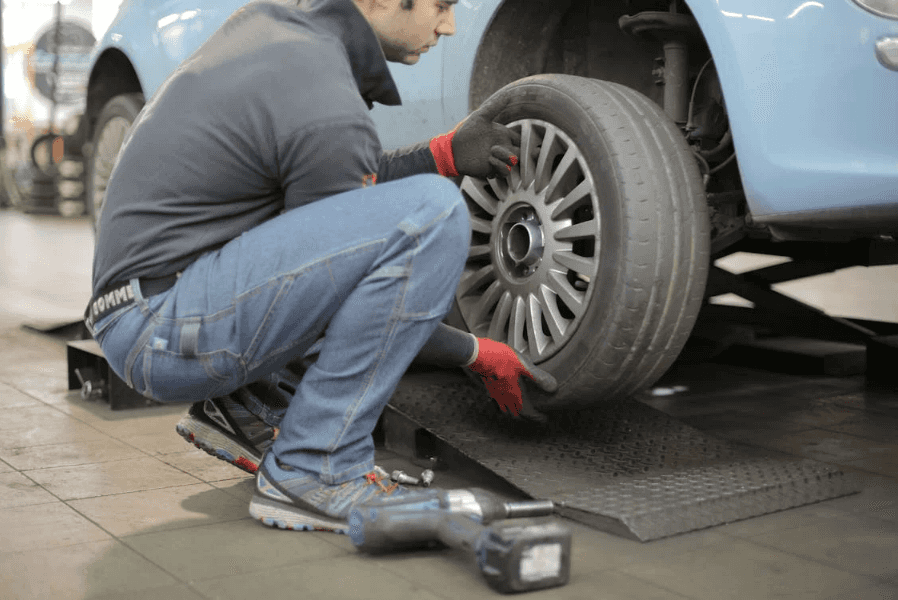
Credit: www.gerrylanecdjr.com
Factors Influencing Tire Costs
Tire costs vary for many reasons. Knowing these factors helps you budget better.
Understanding what affects tire prices can save money and improve safety.
Tire Size And Type
Tire size is a big factor in price. Bigger tires usually cost more.
Different types of tires fit different cars and uses. This changes the cost.
- Small tires cost less
- Large tires cost more
- Special types like run-flat are pricier
- Truck and SUV tires often cost more than car tires
Brand And Quality
Well-known brands usually charge more for their tires. They offer quality.
Cheaper brands cut costs but may wear out faster or perform poorly.
- Top brands have higher prices
- Budget brands cost less
- Quality affects tire life and safety
Seasonal Tires
Seasonal tires suit different weather conditions. This changes their price.
Winter tires cost more because they use special rubber for cold and snow.
- Summer tires work best in heat and dry roads
- Winter tires grip better on ice and snow
- All-season tires cost less but may not perform as well in extremes
Performance Vs Economy
Performance tires give better grip and speed but are more expensive.
Economy tires cost less and last longer but do not offer top performance.
- Performance tires suit sports cars and fast driving
- Economy tires fit daily commuting and long tire life
- Choose based on your driving style and budget
Average Price Range For Tires
Choosing the right tires for your car depends on many factors. One of the main concerns is the price. Tires vary in cost based on quality and brand.
Knowing the average price range helps you plan your budget. It also guides you to pick tires that fit your needs.
Budget Tires
Budget tires are the most affordable option. They usually cost between $50 and $100 per tire. These tires are good for short trips and light use.
They may not last as long or perform well in bad weather. Still, they work for drivers on a tight budget.
- Price range: $50 – $100 per tire
- Basic tread and rubber quality
- Suitable for city driving and light use
- Shorter lifespan compared to other types
Mid-range Tires
Mid-range tires cost between $100 and $200 each. They offer better durability and performance than budget tires. Many drivers choose these for everyday use.
These tires handle well in wet and dry conditions. They also last longer, making them a good value for most cars.
- Price range: $100 – $200 per tire
- Improved grip and tread design
- Good for all-season driving
- Longer lifespan than budget tires
Premium Tires
Premium tires are the most expensive option. Prices usually range from $200 to $400 or more per tire. These tires offer top performance and safety.
They are made with advanced materials and technology. Premium tires work well in all weather and road conditions. They also last longer and provide a smoother ride.
- Price range: $200 – $400+ per tire
- Advanced tread and rubber compounds
- Excellent handling and safety features
- Designed for high-performance vehicles
Additional Expenses To Consider
Putting new tires on your car involves more than just the cost of the tires. You must also think about extra fees. These costs can add up and affect your budget.
This guide explains common additional expenses you might face when getting new tires. Knowing these will help you prepare better.
Mounting And Balancing Fees
Mounting means fixing the tire to the wheel. Balancing keeps the tire steady when the car moves. Shops usually charge for these services.
- Mounting fee: $10 to $20 per tire
- Balancing fee: $10 to $15 per tire
- Combined service can cost $40 to $70 for four tires
Wheel Alignment Costs
Wheel alignment adjusts the angles of your wheels. This helps tires wear evenly and improves driving safety. It often costs extra after new tires are installed.
| Service Type | Price Range |
|---|---|
| Two-wheel alignment | $50 – $75 |
| Four-wheel alignment | $75 – $100 |
Disposal Fees
Old tires must be thrown away properly. Many shops charge a disposal fee for this service. The cost is usually small but varies by location.
Disposal fees typically range from $2 to $5 per tire. Some places include this in the total price; others charge it separately.
Taxes And Environmental Fees
Taxes apply to the total cost of tires and services. Some states add extra environmental fees to help fund tire recycling programs.
| Fee Type | Description | Typical Cost |
|---|---|---|
| Sales Tax | Charged on tire and service prices | Varies by state |
| Environmental Fee | Funds recycling and disposal | $1 to $5 per tire |
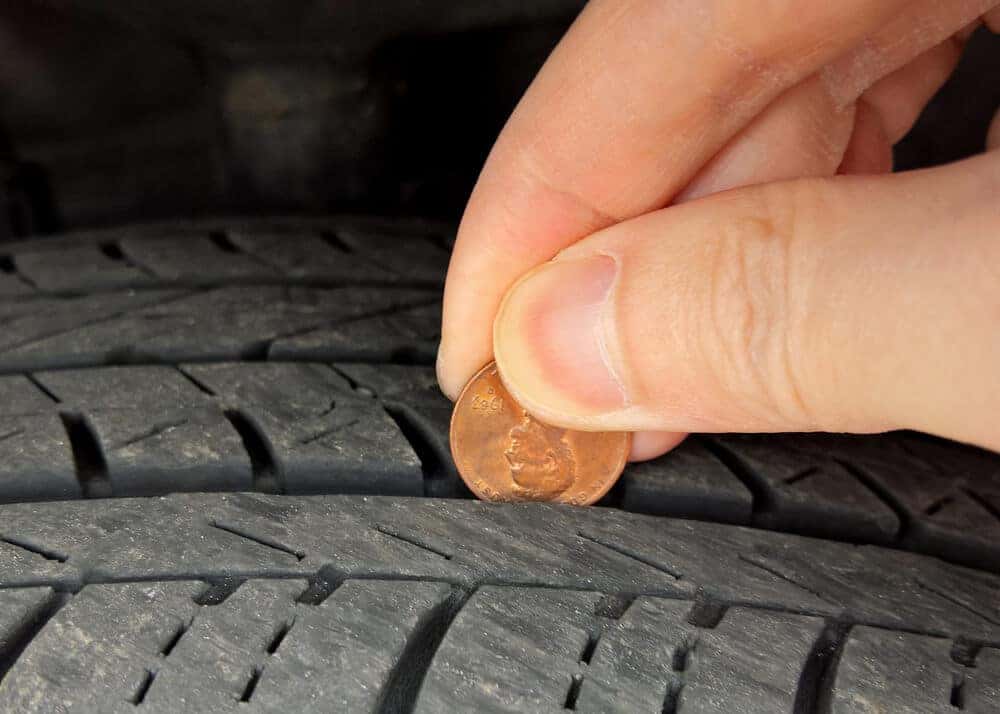
Credit: www.albanymotorcarsonline.com
Diy Vs Professional Installation
Changing tires on your car can save money or cost more depending on how you do it. You can put tires on yourself or hire a professional. Each choice has different costs and benefits.
Thinking about the price alone is not enough. You must also think about your skill, tools, and time. Let’s look at the pros and cons of doing it yourself and when to get a pro to help.
Pros And Cons Of Diy
Putting tires on your car by yourself can save money. You do not pay labor fees. You also learn a useful skill. But it needs tools and some knowledge.
Without the right tools, you can damage your tires or car. It can take a long time if you are not experienced. There is also a safety risk if tires are not installed correctly.
- Saves money on labor costs
- Gives a sense of accomplishment
- Requires special tools and equipment
- Time-consuming for beginners
- Risk of improper installation
When To Choose Professional Service
Professionals have the right tools and skills to install tires quickly and safely. They check tire pressure and balance to avoid problems later. This service costs money but gives peace of mind.
If you do not have tools, or if you want a quick and safe job, choose a professional. Also, if your car has special tires or sensors, experts can handle those better.
- No need to buy or rent tools
- Fast and safe installation
- Includes tire balancing and pressure check
- Better for complex tire types
- Costs labor fees
Ways To Save On Tire Purchase And Installation
Buying and installing tires can cost a lot. Saving money on both is possible with some smart choices.
This guide shows simple ways to reduce your tire expenses without losing quality or safety.
Seasonal Sales And Discounts
Tire stores often offer discounts during certain times of the year. Look for sales in spring and fall.
- Check for holiday sales like Black Friday or Memorial Day.
- Buy tires off-season for better prices.
- Ask your local shops about clearance sales on last year’s models.
Rebates And Manufacturer Offers
Tire makers sometimes give rebates or special deals. These offers lower the total cost after purchase.
| Manufacturer | Offer Type | Details |
| Brand A | Cash Rebate | Get $50 back on 4 tires |
| Brand B | Free Installation | Includes balancing and mounting |
| Brand C | Discount Voucher | Save 10% on next purchase |
Using Tire Coupons
Coupons can give discounts on tires or services. Find them in newspapers or online sites.
- Look for printable coupons on tire retailer websites.
- Sign up for newsletters to get exclusive deals.
- Use coupons at local shops or online checkout.
Buying Tires Online Vs Local Shops
Both online and local buying have pros and cons. Choosing right can save you money and time.
| Factor | Online Tires | Local Shops |
|---|---|---|
| Price | Often cheaper with online deals | May have higher prices but offer negotiation |
| Installation | Usually paid separately | Often included or discounted with purchase |
| Convenience | Delivered to home or shop | Immediate pickup and service |
| Support | Online chat or phone | Face-to-face help and advice |
Signs You Need New Tires
Tires wear out over time and affect your car’s safety. Knowing when to replace them keeps you safe on the road. Look for clear signs that your tires need changing.
Check your tires regularly. Small problems can turn into big dangers if ignored. Let’s explore key signs that show your tires need to be replaced.
Tread Wear Indicators
Tread wear indicators are built into your tires. They show when the tread is too low to grip the road safely. If these bars are flush with the tread, it is time for new tires.
- Look for small raised bars between tread grooves.
- If the tread is level with these bars, replace the tire.
- Low tread increases the risk of skidding and hydroplaning.
Visible Damage
Check your tires for cracks, cuts, or bulges. These signs mean the tire is weak. Driving on damaged tires can cause blowouts and accidents.
| Type of Damage | What to Check |
| Cracks | Look for cracks on sidewalls or tread surface |
| Cuts | Inspect for deep cuts or punctures |
| Bulges | Feel for any bulges or bubbles on the tire side |
Reduced Performance
If your car feels less stable, tires may be worn out. Reduced traction causes poor handling and longer stopping distances. Notice if your steering feels loose or the car pulls to one side.
- Longer braking distance on wet roads
- Car pulls to one side during driving
- Vibrations or shaking at high speed
- Loose or unsteady steering feel
Age Of Tires
Tires weaken as they age, even if tread looks fine. Most experts say to replace tires every six years. Check the tire’s manufacture date on the sidewall to track its age.
How to read tire age:
Look for a four-digit code on the sidewall. The first two digits are the week, and the last two are the year the tire was made.
For example, “2318” means the tire was made in the 23rd week of 2018.

Credit: vocal.media
Frequently Asked Questions
How Much Does It Cost To Put Tires On A Car?
Tire installation costs range from $15 to $45 per tire. Prices depend on tire type, vehicle size, and location. Some shops include balancing and disposal fees. Always ask for a full quote before installation to avoid surprises.
Are Tire Mounting And Balancing Included In Installation?
Most shops include mounting and balancing in the installation price. Balancing ensures smooth driving and tire longevity. Always confirm with the service provider to know exactly what’s covered in the cost.
Can I Install New Tires Myself To Save Money?
Self-installation saves labor costs but requires tools and skills. Incorrect installation risks safety and tire damage. Professional installation is recommended for safety and warranty compliance.
How Often Should I Replace My Car Tires?
Tires generally last 3 to 6 years or 25,000 to 50,000 miles. Check tread depth and signs of wear regularly. Replace tires sooner if damaged or worn out for safety.
Conclusion
Choosing the right tires impacts your car’s performance and safety. Consider your budget, driving habits, and climate when selecting tires. Always compare prices from different dealers. Sometimes, spending more on quality tires saves money in the long run. Regular maintenance, like rotation and alignment, extends tire life.
Proper care ensures you get the best value from your tires. Remember, tires are crucial for your safety on the road. Investing wisely in them pays off. Stay informed and make smart decisions for your car’s needs. Keep your ride smooth and safe with the right tires.