
Imagine you’re driving down a smooth, dry road. The sun is shining, and everything feels perfect.
But have you ever thought about how much your tires affect that perfect drive? A car with good tires on a dry road doesn’t just move—it grips, it responds, and it keeps you safe. If you want to feel confident behind the wheel and get the most out of every trip, understanding the role of your tires is key.
Keep reading, and you’ll discover simple yet powerful ways to make your drives smoother, safer, and more enjoyable.

Credit: gearjunkie.com
Choosing The Right Tires
Choosing the right tires is important for a car on dry roads. Good tires help the car grip the road and drive safely.
Picking tires that fit your driving style and road conditions makes your ride better and safer.
Types Of Tires For Dry Roads
Tires for dry roads come in many types. Summer tires are made for warm weather and dry surfaces.
Performance tires give better handling and speed on dry roads. All-season tires work well but are less focused on dry conditions.
- Summer tires: Best grip on hot, dry roads
- Performance tires: Designed for speed and control
- All-season tires: Good for mixed weather, less dry road grip
Tire Tread Patterns
Tread patterns affect how tires touch the road. Smooth tread means more rubber meets the surface.
Dry road tires have less deep grooves. This design helps with better traction and faster response.
- Asymmetric tread: Combines grip and water drainage
- Slick tread: Max grip but not for wet roads
- Semi-slick tread: Balance of grip and durability
Material And Construction
Tire material affects performance and life. Dry road tires use soft rubber for better grip.
Construction includes layers inside the tire. Strong belts and sidewalls help keep shape and stability.
- Soft rubber compounds improve road grip
- Steel belts add strength and durability
- Reinforced sidewalls support sharp turns
Tire Maintenance Essentials
Good tires help your car drive safely on dry roads. Taking care of your tires keeps them in top shape.
Regular tire maintenance prevents accidents and saves money over time. Learn key steps to maintain your tires well.
Checking Tire Pressure
Check tire pressure at least once a month. Proper pressure improves fuel efficiency and tire life.
Use a tire pressure gauge when tires are cold. Inflate tires to the recommended pressure found in the car manual.
- Low pressure causes poor handling and more wear
- High pressure can reduce traction and cause uneven wear
- Check all four tires and the spare tire
Tire Rotation Frequency
Rotate your tires regularly to ensure even wear. This helps your tires last longer and improves safety.
Most experts suggest rotating tires every 5,000 to 7,000 miles. Follow your car maker’s advice for best results.
- Move front tires to the back and back tires to the front
- Swap left and right tires if needed
- Rotation patterns depend on tire type and vehicle
Inspecting For Wear And Damage
Look at your tires every month for signs of damage or wear. Catch problems early to avoid accidents.
Check for cracks, bulges, or nails in the tire surface. Measure tread depth to ensure good grip on the road.
- Use a penny to test tread depth; tread should cover part of the coin
- Replace tires if tread is too low or damage is severe
- Uneven wear may mean your car needs alignment
Optimizing Performance On Dry Roads
Driving on dry roads is common and requires good tires for safety. Good tires help your car perform better and keep you safe.
Proper tire care improves how your car handles and brakes on dry surfaces. This helps you drive smoothly and avoid accidents.
Proper Tire Inflation Benefits
Keeping tires at the right pressure helps your car run well. Tires with correct air pressure last longer and use less fuel.
Proper inflation also improves grip on dry roads. This makes driving safer and more comfortable.
- Better fuel efficiency
- Longer tire life
- Improved road grip
- Smoother ride
Balancing And Alignment Tips
Balanced tires reduce vibrations while driving. Proper alignment keeps tires straight and prevents uneven wear.
Check balancing and alignment regularly. This keeps your car stable and improves tire performance on dry roads.
- Reduce steering wheel shake
- Extend tire lifespan
- Maintain even tire wear
- Improve fuel economy
How Tires Affect Handling And Braking
Tires are the only part touching the road. Good tires give better control and shorter stopping distances.
Worn or poor tires reduce grip. This can make handling difficult and increase braking distance on dry roads.
- Better handling means safer turns
- Good tires improve braking response
- Proper tread helps water removal
- Strong grip prevents skidding
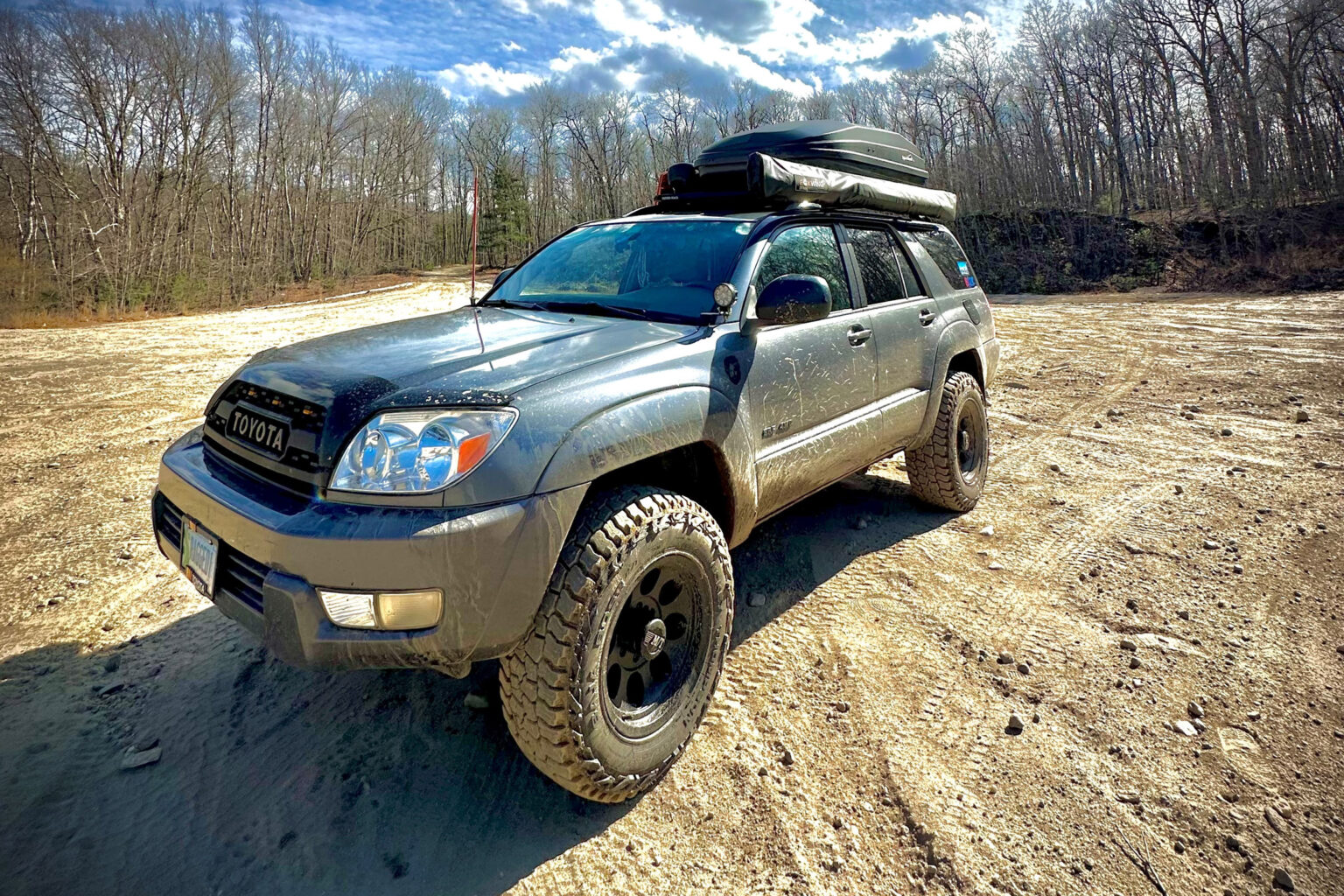
Credit: gearjunkie.com
Safety Tips For Driving On Dry Roads
Driving on dry roads may seem easy, but safety is still important. Good tires help keep your car steady and safe.
These tips will help you drive safely and avoid accidents on dry roads.
Speed And Traction Control
Keep your speed steady and matched to road conditions. Fast driving reduces your control over the car.
Good tires improve traction, helping you stop and turn better on dry roads.
- Drive within speed limits
- Slow down before turns
- Use tires with proper tread
- Check tire pressure regularly
Emergency Maneuver Techniques
If you need to avoid an obstacle, steer smoothly and do not slam the brakes. Sudden moves can cause loss of control.
Practice emergency stops in safe areas to be ready for real situations.
- Steer gently to avoid hazards
- Brake firmly but not abruptly
- Use ABS brakes if available
- Keep both hands on the wheel
Avoiding Common Driving Mistakes
Many accidents happen because of simple mistakes. Stay focused and avoid distractions while driving.
Check your mirrors often and keep a safe distance from other cars.
- Do not use your phone while driving
- Keep a safe following distance
- Watch out for pedestrians and cyclists
- Adjust speed for road conditions
Upgrading Your Tires
Good tires improve your car’s safety and performance on dry roads. Upgrading your tires helps with grip and control.
Choosing the right tires can make driving smoother and safer. Know when to replace and what to pick.
When To Replace Your Tires
Tires wear out over time and lose their grip. Replace tires if the tread is below 2/32 inch or if you see cracks.
Check tires regularly for uneven wear or damage. Old tires can cause poor handling and longer stopping distances.
- Tread depth below 2/32 inch means replace
- Visible cracks or bulges require new tires
- Uneven wear can signal alignment issues
- Tires older than six years should be checked
Choosing Performance Tires
Performance tires offer better grip and handling on dry roads. They improve your car’s response and cornering ability.
Look for tires with good traction ratings and strong sidewalls. These tires work well for sporty driving and quick stops.
- Choose tires with high traction and speed ratings
- Look for stiff sidewalls for better cornering
- Check reviews for dry road performance
- Consider tire size that fits your car’s specs
Seasonal Tire Considerations
Different seasons affect tire performance. Summer tires work best on dry, warm roads but lose grip in cold weather.
Winter tires offer better traction in snow and ice but wear faster on dry roads. All-season tires balance both conditions.
- Use summer tires for dry and warm conditions
- Switch to winter tires in cold and snowy weather
- All-season tires suit mild climates
- Changing tires by season keeps you safe

Credit: www.performanceplustire.com
Frequently Asked Questions
How Do Good Tires Improve Dry Road Driving?
Good tires increase traction and stability on dry roads. They ensure better grip, reducing skidding risks. This leads to safer braking and smoother turns. Quality tires also enhance fuel efficiency by lowering rolling resistance. Overall, they improve vehicle control and driving comfort on dry surfaces.
What Tire Features Matter On Dry Roads?
Tread pattern, rubber compound, and tire pressure are key. Smooth tread with minimal grooves offers better contact on dry roads. Harder rubber compounds resist wear and provide durability. Correct tire pressure ensures optimal contact and performance. These features collectively enhance safety and driving experience.
Can Good Tires Reduce Braking Distance On Dry Roads?
Yes, quality tires significantly reduce braking distance on dry roads. Better grip means the tires can stop faster without slipping. This reduces the risk of accidents in sudden stops. Properly maintained tires maximize braking efficiency and overall vehicle safety.
How Often Should Tires Be Checked For Dry Road Safety?
Tires should be checked monthly for optimal dry road safety. Inspect tread depth, tire pressure, and any damage. Proper maintenance ensures consistent performance and prevents accidents. Regular checks extend tire life and improve driving confidence on dry roads.
Conclusion
Choosing good tires enhances your car’s performance on dry roads. They provide better grip and control, ensuring a smoother ride. Safety on the road improves with quality tires. They reduce braking distance and increase stability. Tires also affect fuel efficiency, saving money over time.
Regular checks and maintenance are vital. They extend the tire’s lifespan. Investing in good tires benefits your driving experience. It’s a smart choice for every car owner. Enjoy your journeys with confidence and peace of mind. A small step towards safer travels.