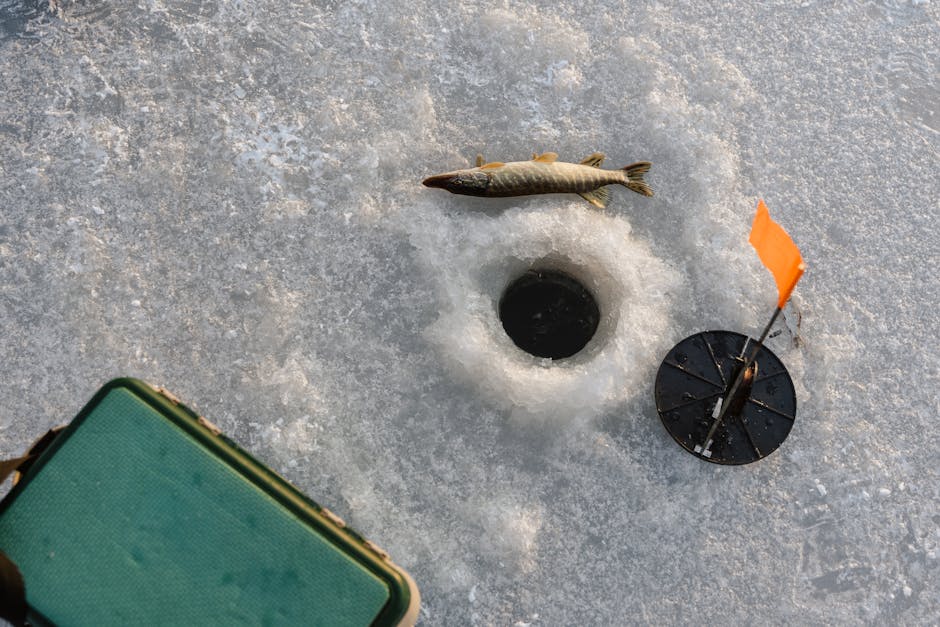
Setting up your ice fishing rod the right way can make all the difference between a quiet day on the ice and a successful catch. If you want to spend less time struggling and more time reeling in fish, this guide is for you.
You’ll learn simple, step-by-step tips that even beginners can follow easily. By the end, you’ll feel confident and ready to enjoy your ice fishing adventure. Keep reading, and let’s get your gear ready to catch some fish!

Credit: www.youtube.com
Choosing The Right Rod
Picking the right ice fishing rod is key to a good fishing trip. The right rod makes it easier to catch fish and enjoy your time on the ice.
You should think about the rod’s type, length, sensitivity, and material before buying. These factors affect how well you can fish.
Types Of Ice Fishing Rods
There are several types of ice fishing rods. Each type suits different fishing styles and fish sizes.
- Spinning Rods: Good for beginners and many fish species.
- Baitcasting Rods: Offer more control and accuracy.
- Tip-Up Rods: Used with tip-up devices for hands-free fishing.
Rod Length And Sensitivity
Ice fishing rods are shorter than regular rods. They usually range from 24 to 36 inches long.
A shorter rod is easier to use in small ice fishing holes. Sensitivity helps you feel bites, so pick a rod that feels light and flexible.
Material Considerations
Rod materials affect weight, strength, and feel. Common materials include graphite, fiberglass, and composite blends.
- Graphite rods are light and sensitive but can be brittle.
- Fiberglass rods are strong and flexible but heavier.
- Composite rods combine both for balanced performance.

Credit: www.youtube.com
Selecting The Best Reel
Choosing the right reel is key for ice fishing success. The reel should match your rod and fishing style.
A good reel helps control the line and fight the fish easily. Let’s look at the main reel types and features.
Spinning Vs. Baitcasting Reels
Spinning reels are easy to use and good for beginners. They work well with light lines and small lures.
Baitcasting reels offer more control and power. They are better for heavier lines and bigger fish.
- Spinning reels: simple, less line twist, ideal for light tackle
- Baitcasting reels: precise casting, more drag control, suited for heavy tackle
Reel Size And Drag System
Choose a reel size that fits your rod and fishing needs. Small reels work well for panfish.
The drag system controls the resistance when a fish pulls the line. Smooth drag helps land fish without breaking the line.
- Smaller reels: lighter, good for small fish and light lines
- Larger reels: hold more line, better for big fish
- Drag system: look for smooth, adjustable drag for better control
Picking The Right Line
Choosing the right fishing line is very important for ice fishing. The line affects how well you catch fish and how easy it is to handle your rod.
You need a line that works well in cold weather and matches the type of fish you want to catch.
Line Types For Ice Fishing
There are different types of fishing lines. Each has good and bad points for ice fishing. The main types are monofilament, fluorocarbon, and braided lines.
Monofilament is stretchy and easy to use. Fluorocarbon sinks fast and is hard to see underwater. Braided lines are very strong but can be stiff in cold weather.
- Monofilament: Good stretch, affordable, floats well
- Fluorocarbon: Low visibility, sinks, more sensitive
- Braided: Strong, thin, less stretch, can freeze
Line Strength And Diameter
Pick the right strength or test weight for your line. It must hold the fish you want without breaking. The diameter affects how much line you can spool on your reel.
Thinner lines cast easier and let fish bite without feeling much pressure. But very thin lines break more easily. Thicker lines are stronger but harder to cast.
- Light line (2-6 lb): Best for small fish, easy to handle
- Medium line (6-12 lb): Good for medium fish, balanced strength
- Heavy line (12+ lb): Used for large fish, very strong
Handling Cold Weather Conditions
Cold weather can make fishing lines stiff and hard to manage. Some lines freeze or get brittle in ice fishing conditions.
Use lines that stay flexible in low temperatures. Keep your line dry and store it properly to avoid ice buildup. Fluorocarbon lines resist water absorption better than others.
- Avoid letting line sit on ice or snow to reduce freezing
- Use line conditioner or spray to keep line flexible
- Check your line often for cracks or damage
Attaching The Terminal Tackle
Setting up your ice fishing rod starts with attaching the terminal tackle. This includes hooks, leaders, swivels, and sinkers. Proper setup helps you catch fish more easily.
Each piece of tackle has a role. Hooks catch the fish, leaders keep the line strong, swivels prevent twists, and sinkers control depth. Learn how to attach each part correctly.
Choosing Hooks And Leaders
Select hooks based on the fish size you want. Small hooks work for tiny fish, and bigger hooks catch larger fish. Leaders connect the hook to your main line.
Use leaders that are strong and clear. Fluorocarbon leaders are good because fish see them less. Length depends on fishing depth and fish type.
- Pick hook size for target fish
- Use strong, clear leaders like fluorocarbon
- Choose leader length based on depth and fish
Using Swivels And Sinkers
Swivels keep your line from twisting when the bait moves. Attach them between the leader and main line. Sinkers help your bait sink to the right depth.
Choose sinker weight based on water current and ice thickness. Too heavy sinkers can scare fish. Too light sinkers may not reach the bottom.
- Attach swivels to stop line twisting
- Use sinkers to control bait depth
- Pick sinker weight for water conditions
Tying Strong Knots
Strong knots keep your tackle secure. Use simple knots like the improved clinch knot or Palomar knot. Practice tying knots to avoid losing fish or tackle.
Wet your line before tightening the knot. This prevents damage and makes the knot stronger. Check knots regularly for wear and retie if needed.
- Use improved clinch or Palomar knots
- Wet line before tightening knots
- Check and retie knots often
Setting Up The Rod
Setting up your ice fishing rod correctly is key to a good fishing experience. This guide will help you prepare your rod step by step.
We will cover assembling the rod and reel, spooling the line properly, and adjusting drag and tension for best results.
Assembling The Rod And Reel
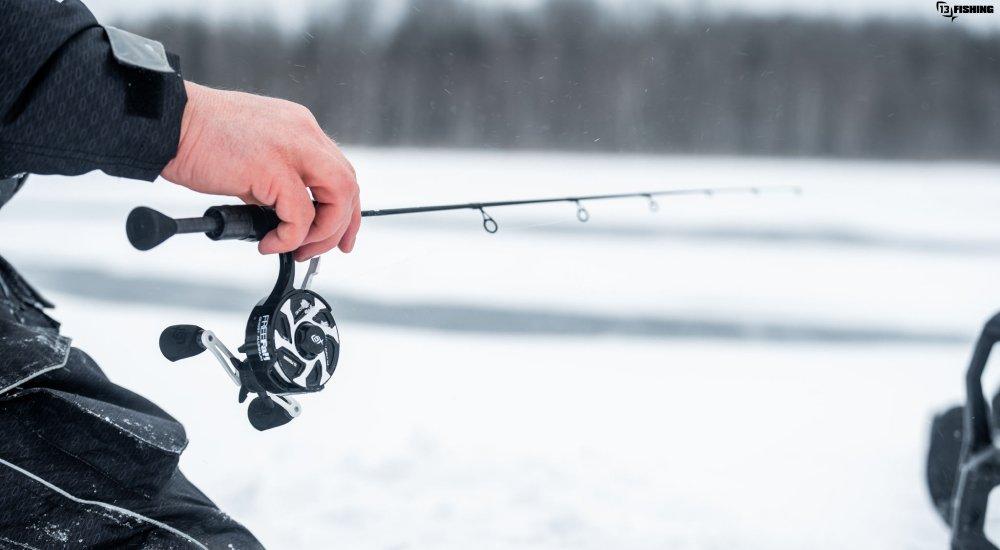
Start by attaching the reel to the rod handle securely. Make sure the reel seat is tight to avoid wobbling during use.
Next, connect the rod sections if it is a multi-piece rod. Align the guides so the line flows smoothly from the reel to the tip.
- Check the rod guides for damage before assembling
- Push rod sections firmly together without forcing
- Secure the reel tightly on the reel seat
- Confirm the reel handle is on the preferred side
Spooling The Line Properly
Spooling the line evenly on the reel prevents tangles and ensures smooth casting and retrieval.
| Step | Action | Tip |
| 1 | Attach the line to the reel spool | Use an arbor knot for a secure hold |
| 2 | Apply light tension on the line | Keep slight pressure to avoid loose coils |
| 3 | Turn the reel handle slowly | Check line lays evenly across the spool |
| 4 | Fill spool but leave some space | Stop filling when about 1/8 inch from edge |
Adjusting Drag And Tension
Drag and tension control help you fight fish without breaking the line or losing the catch.
To adjust drag:
- Turn the drag knob clockwise to increase resistance
- Turn it counterclockwise to reduce resistance
- Set drag tight enough to tire the fish but loose enough to avoid snapping the line
Tension settings vary by fish size and line strength. Test your settings by pulling line manually before fishing.
Credit: www.scheels.com
Techniques For Ice Fishing Success
Ice fishing is a fun and quiet way to catch fish in winter. Success depends on how you use your rod. Setting it up right helps you catch more fish.
This guide explains how to position your rod, spot bites, and land fish safely. Follow these tips for a better ice fishing experience.
Proper Rod Positioning
Hold your rod steady and at the right angle. Keep the tip slightly above the hole. This helps you feel fish bites better.
- Use a rod holder to keep your rod stable
- Place the rod tip about 12 inches above the ice
- Keep the line tight but not too tight
- Adjust the angle to match wind and ice conditions
Detecting Bites And Strikes
Watch your rod tip for small movements. Fish often nibble softly at first. Listen for any unusual sounds from your reel.
| Sign | Meaning |
| Rod tip twitches | Fish is curious or nibbling |
| Rod tip pulls down | Fish is taking the bait |
| Line tightens suddenly | Fish is striking hard |
| Reel noise | Fish is running with the line |
Playing And Landing Fish
Keep your rod tip up while pulling the fish out of the hole. Let the fish tire before lifting it fully. Use a net to land the fish safely.
- Keep steady pressure to avoid line breakage
- Lower the rod tip if the fish pulls hard
- Reel in line slowly when the fish tires
- Use a net to lift fish carefully from the hole
Maintaining Your Equipment
Keeping your ice fishing rod in good shape helps it last longer. Proper care prevents damage and keeps it working well.
Follow simple steps after each use to clean, store, and check your rod. This saves money and improves your fishing experience.
Cleaning After Use
After fishing, remove any ice, dirt, and water from your rod. Use a soft cloth to wipe it down. Dry the rod completely to stop rust.
Do not use harsh chemicals. Mild soap and warm water work best for cleaning. Pay extra attention to the guides and reel seat.
Storage Tips For Longevity
- Store rods in a cool, dry place away from sunlight
- Keep rods in a protective case or sleeve
- Do not lean rods against walls for long periods
- Loosen reel drag before storing to reduce pressure
- Avoid stacking heavy items on top of rods
Good storage stops warping and damage to the rod’s components. It also keeps the reel in good condition.
Regular Inspections And Repairs
| Part | What to Check | Action if Damaged |
| Rod blank | Cracks, chips, or bends | Replace or repair by expert |
| Guides | Loose rings or corrosion | Tighten or replace guides |
| Reel seat | Secure fit and clean threads | Clean or fix threads |
| Handle | Wear or damage to grip | Clean or replace grip |
Check your rod before and after every trip. Fix small issues early to avoid bigger problems.
Frequently Asked Questions
What Equipment Do I Need To Set Up An Ice Fishing Rod?
You need a rod, reel, line, and bait. Also, consider a rod holder and ice auger. Proper gear ensures a smooth setup and better fishing experience.
How Do I Choose The Right Line For Ice Fishing?
Choose a low-visibility, abrasion-resistant line. Monofilament or fluorocarbon lines work well. Select a line with 4-8 lb test strength for most ice fishing.
How To Properly Attach The Reel To An Ice Fishing Rod?
Slide the reel foot into the reel seat on the rod. Tighten the locking mechanism securely. This ensures stability and smooth reeling during fishing.
What Bait Works Best For Ice Fishing Rods Setup?
Live bait like minnows and waxworms is effective. Artificial lures like jigs also attract fish. Choose bait based on targeted fish species.
Conclusion
Setting up an ice fishing rod is simple with practice. Start with the right gear. Follow step-by-step instructions carefully. Always check the ice thickness for safety. Attach your bait securely. Adjust the reel for smooth casting. Keep your tackle box organized.
Stay patient as you fish. Enjoy the calm of the icy surroundings. Remember, practice makes perfect. Each trip is a learning experience. Soon, you’ll feel like a pro. Happy ice fishing!