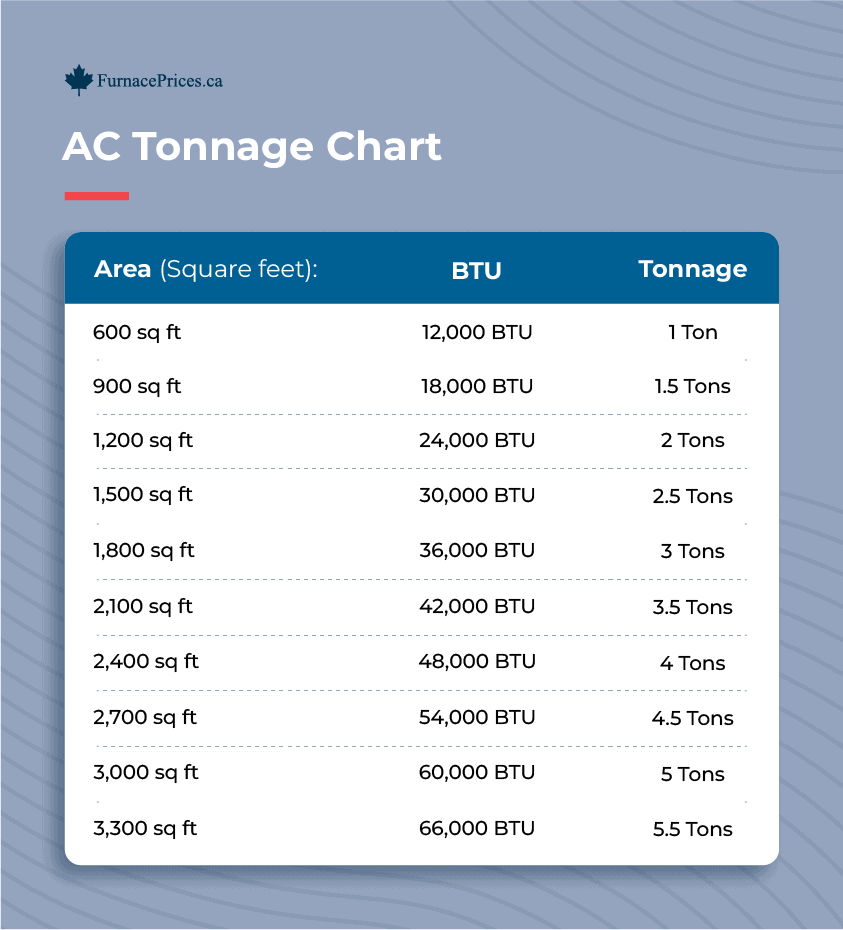
Are you wondering how to choose the right air conditioner for your space? One key question you might have is, “How many BTU do I need per square foot?” Getting this right is crucial.
Too little cooling power, and your room won’t feel comfortable. Too much, and you’ll waste energy and money. You’ll discover the simple way to calculate the perfect BTU size for your space. By the end, you’ll know exactly what to look for when buying your next air conditioner—saving you time, money, and frustration.
Keep reading to find out how to make your home cool and comfortable all summer long!
Btu Basics
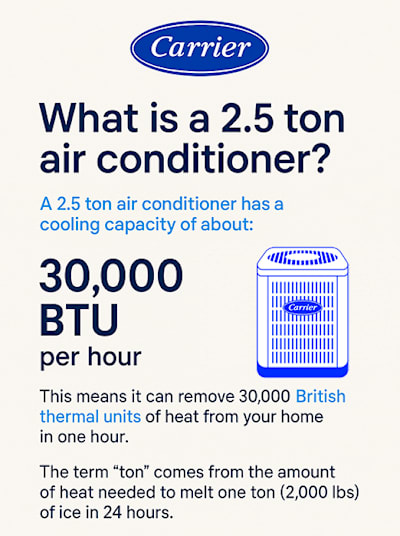
Btustands for British Thermal Unit. It measures heat energy. Air conditioners use Btu to show cooling power. A higher Btu means more cooling ability.
The right Btu size keeps rooms comfortable. Too low Btu means the AC works hard but stays warm. Too high Btu cools fast but wastes energy.
Choosing the right Btu saves money and keeps air fresh. It also helps the AC last longer without breaks.
Calculating Btu Needs
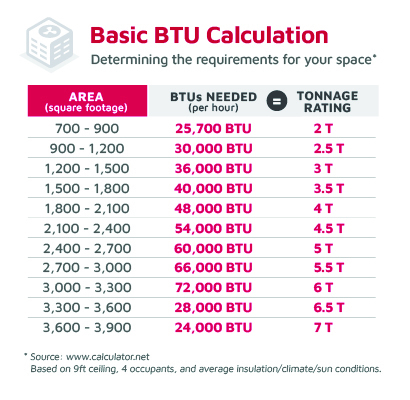
To find the right Btufor your air conditioner, start with the square footageof the room. Usually, you need about 20 Btuper square foot. For example, a 500 square foot room needs around 10,000 Btu.
Room height also matters. If ceilings are higher than 8 feet, add extra cooling power. Taller rooms need more Btu to cool the air properly.
Sunlight and insulation affect cooling needs too. Rooms with lots of sunlightneed more Btu. Poor insulation means more heat enters the room, so increase Btu accordingly.
| Factor | Effect on Btu |
|---|---|
| Square Footage | 20 Btu per square foot |
| Room Height | More Btu if ceiling > 8 feet |
| Sunlight | Increase Btu for sunny rooms |
| Insulation | More Btu if insulation is poor |
Btu Recommendations By Room Type
Living rooms and bedroomsneed around 20 to 25 BTU per square foot. This keeps these spaces cool and comfortable.
Kitchens and bathrooms require a bit more power. About 25 to 30 BTU per square footis best because of extra heat from appliances and water.
Offices and basements usually need 18 to 22 BTU per square foot. These areas often have less sun and heat.
| Room Type | Recommended BTU per Square Foot | Reason |
|---|---|---|
| Living Rooms and Bedrooms | 20-25 BTU | Comfortable cooling for main living spaces |
| Kitchens and Bathrooms | 25-30 BTU | Extra heat from appliances and water |
| Offices and Basements | 18-22 BTU | Less sun and heat exposure |
Credit: www.lennox.com
Factors Affecting Btu Requirements
The number of occupantsin a room affects the cooling needs. More people means more body heat, so the air conditioner must work harder.
Appliances and electronicsalso add heat to the space. Devices like computers, TVs, and kitchen appliances increase the total heat load.
Climate and weather conditionsplay a big role. Hot and humid areas need air conditioners with higher BTU to keep rooms cool and comfortable.
Choosing The Right Ac Unit
Choosing the right air conditioner size is key to keeping your home cool and saving energy. Typically, 20 BTU per square footof space is a good rule. For example, a 500 square foot room needs about 10,000 BTU. Larger rooms or rooms with high ceilings may need more power.
Sizing Tips
- Measure your room size accurately in square feet.
- Consider sun exposure and room insulation.
- Account for extra heat from appliances or people.
- Use slightly higher BTU for kitchens or sunny rooms.
Energy Efficiency Ratings
Energy efficiency ratings like SEERand EERshow how well an AC uses power. Higher ratings mean lower electricity bills. Choose units with good ratings to save money over time.
Types Of Air Conditioners
- Window units:Easy to install, best for small spaces.
- Split systems:Quiet and efficient, good for larger rooms.
- Portable units:Flexible but less efficient.
- Central AC:Cools whole house, requires ductwork.
Credit: www.carrier.com
Common Sizing Mistakes
Oversizingan air conditioner can cause several issues. It may cool the room too fast but not remove humidity well. This leads to a cold and damp feeling. Oversized units also use more energy and wear out faster. Noise can be louder too.
Undersizingan air conditioner means it struggles to cool the space. It runs all the time and still leaves the room warm. This wastes electricity and shortens the unit’s lifespan. Comfort drops, and the system may break down sooner.
| Issue | Cause | Effect |
|---|---|---|
| Oversizing | Too large unit for space | Quick cooling, poor humidity control, high energy use |
| Undersizing | Too small unit for space | Poor cooling, constant running, higher energy bills |
Maintenance To Keep Btu Performance
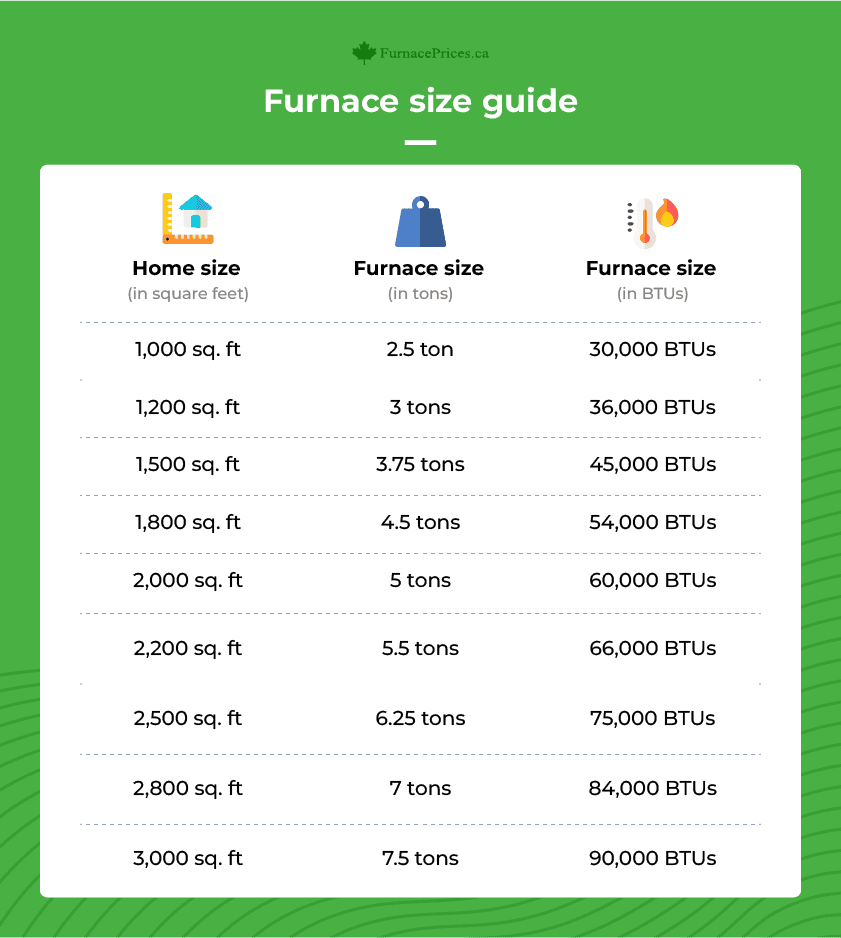
Keeping your air conditioner working well means regular care. Cleaning filters often helps air flow better. Dirty filters can block air and lower cooling power. This also uses more energy, raising bills.
Getting a professional to check your AC each year is smart. They can spot small problems early. Tune-ups keep parts running smoothly and extend the AC’s life. Experts clean coils, check refrigerant, and test the system.
- Clean filtersevery 1-3 months
- Schedule tune-upsonce a year
- Check for leaksand fix fast
- Keep outdoor unitfree of debris
Credit: www.furnaceprices.ca
Frequently Asked Questions
How Many Btu Per Square Foot Is Ideal?
Typically, 20 BTU per square foot is recommended for cooling. This ensures effective temperature control without wasting energy.
What Factors Affect Btu Calculation For Ac?
Room size, ceiling height, insulation, and sunlight impact BTU needs. Proper evaluation helps choose the right air conditioner capacity.
Can Too Many Btus Harm Cooling Efficiency?
Yes, an oversized AC cools quickly but causes humidity issues. Proper sizing improves comfort and energy efficiency.
How To Calculate Btu For Irregular Rooms?
Measure total square footage, then adjust for high ceilings or poor insulation. Use online BTU calculators for accuracy.
Conclusion
Choosing the right air conditioner is crucial. It ensures comfort and efficiency. Match BTUs with your room size. Remember, more BTUs don’t always mean better cooling. An oversized unit can be inefficient. Consider insulation and room use too. These factors affect cooling needs.
Energy efficiency saves money in the long run. So, select wisely and enjoy a comfortable space. If you’re unsure, consult a professional. They can offer guidance tailored to your needs. With these tips, you’ll find the perfect fit. Your space will be cool and comfortable all year round.