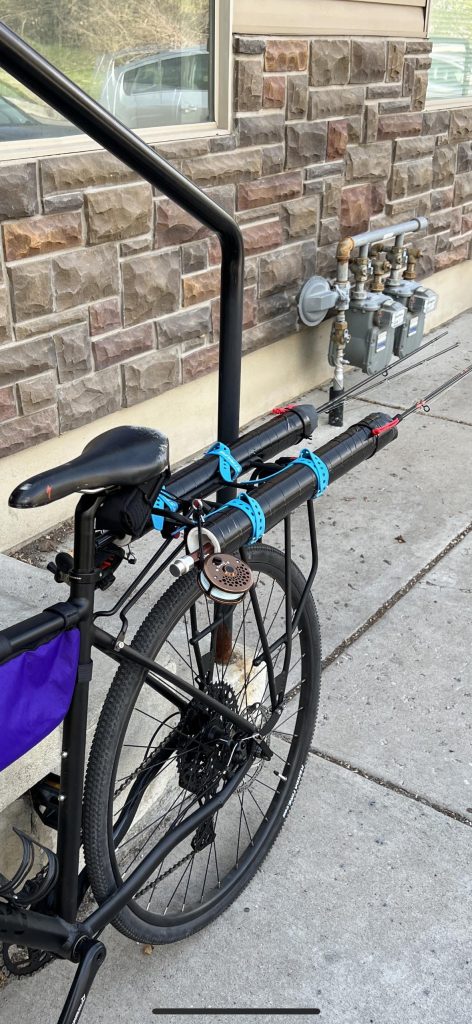
Carrying fishing rods on a bike can be tricky, but it doesn’t have to be a hassle. You want to enjoy your ride and reach your fishing spot without worrying about broken gear or awkward setups.
Imagine gliding smoothly down the road, your rods secure and ready for action when you arrive. You’ll discover simple, practical ways to carry your fishing rods safely and comfortably on your bike. Keep reading, and you’ll learn how to protect your gear and make your fishing trips easier and more enjoyable.

Credit: tuppens.com
Choosing The Right Rod Carrier
Carrying fishing rods on a bike needs the right rod carrier. A good carrier keeps rods safe and stable during rides. Picking the right one depends on your bike and fishing style.
Think about the type, material, and how you will mount the carrier. These factors help you find a carrier that fits your needs well and lasts long.
Types Of Rod Carriers
There are different rod carriers made for bikes. Some hold rods on the side, some on the top, and others inside bags. Each type offers unique benefits.
- Side Mount:Holds rods along the bike frame. Good for easy access and balance.
- Top Mount:Places rods above the bike frame. Saves space and keeps rods away from pedals.
- Bag Style:Uses a backpack or bike bag with rod holders. Protects rods from weather and damage.
Material And Durability
Rod carriers come in many materials. Strong and light materials make the ride easier and protect your rods better.
| Material | Durability | Weight |
| Aluminum | High | Light |
| Plastic | Medium | Very Light |
| Steel | Very High | Heavy |
| Carbon Fiber | High | Very Light |
Mounting Options
Mounting style affects how secure and easy the carrier is to use. Choose a mounting option that fits your bike and fishing trips.
- Frame Mount:Attaches directly to bike frame tubes. Offers a firm hold for rough rides.
- Seat Post Mount:Fits on the seat post. Easy to install but may sway on rough terrain.
- Handlebar Mount:Placed on handlebars. Best for short rides and quick access.
- Backpack Mount:Carries rods on your back. Gives freedom to move but adds weight to you.
Preparing Your Bike For Rod Transport
Carrying fishing rods on your bike requires some planning. You need to prepare your bike so the rods stay safe and steady.
Proper preparation prevents damage to your rods and keeps you balanced while riding.
Bike Compatibility
Not all bikes are good for carrying fishing rods. Check if your bike frame has space for rod holders or straps.
Mountain bikes and touring bikes often have enough room. Road bikes may need special attachments.
- Look for a sturdy frame with a straight top tube
- Check if your bike has mounting points or racks
- Consider using a bike trailer for extra space
Securing The Frame
Attach the fishing rods firmly to your bike frame. Use straps or holders to avoid movement while riding.
Keep the rods close to the frame to prevent swinging. Padding helps protect both the bike and rods.
- Use Velcro straps or bungee cords for a tight hold
- Wrap rods in a soft cloth to avoid scratches
- Secure the rod tips to stop them from moving
Balancing Weight
Balance the weight of your rods on the bike. Uneven weight can make riding unsafe or uncomfortable.
Place rods on the side or top where weight is evenly spread. Avoid heavy loads on one side only.
- Distribute rods evenly between both sides if possible
- Keep the rods low to maintain a low center of gravity
- Test your bike’s balance before going on long rides
Diy Rod Carrying Solutions
Carrying fishing rods on a bike can be tricky. A good carrying solution keeps rods safe and stable.
You can build your own rod holder with simple materials. Here are some easy DIY ideas.
Using Pvc Pipes
PVC pipes are cheap and strong. You can cut them to hold your fishing rods securely.
Attach pipes to your bike frame with straps or brackets. They protect rods from damage and keep them steady.
- Cut PVC pipe length to fit rods
- Use pipe caps to close ends
- Mount pipes along bike frame
- Secure with adjustable straps
Straps And Bungee Cords
Straps and bungee cords are flexible ways to hold rods. They are easy to adjust and remove.
Wrap rods gently and fasten them to the bike frame or rack. This keeps rods from moving during rides.
- Use wide straps to avoid rod damage
- Loop bungee cords around rods and bike
- Tighten cords to prevent slipping
- Check cords often for wear
Custom Mounts
You can build custom mounts with wood or metal. These mounts fit your bike and rods perfectly.
Custom mounts offer strong support and keep rods safe. You may need tools to shape and fix mounts on your bike.
- Measure bike frame and rod sizes
- Cut wood or metal to fit
- Drill holes for screws or bolts
- Use padding to protect rods
- Attach mounts firmly to bike

Credit: www.amazon.ca
Safety Tips For Transporting Fishing Rods
Carrying fishing rods on a bike needs care to keep you and your gear safe. Proper transport reduces risks of accidents and damage.
Follow these safety tips to protect your rods and stay visible on the road.
Protecting Rod Tips
Rod tips are fragile and break easily. Use rod tip covers or tubes to shield them. Secure the rods tightly to avoid movement while riding.
- Use padded rod cases or tubes
- Wrap tips with foam or cloth
- Fasten rods firmly with straps or bungee cords
- Avoid rods sticking out too far from the bike
Visibility And Signaling
Make sure your fishing rods do not block your bike’s lights or signals. Use bright colors or reflective tape on rods to increase visibility.
| Visibility Tip | Reason |
| Attach reflective tape on rods | Helps other drivers see you in low light |
| Keep rods behind handlebars | Prevents blocking signals and mirrors |
| Use a flag on long rods | Alerts drivers to rod length |
| Check lights before riding | Ensures brake and signal lights are visible |
Avoiding Damage While Riding
Riding on rough roads can damage rods. Take smooth paths and avoid sudden stops to protect your fishing gear.
Keep rods away from moving parts like wheels and pedals. Check straps often and adjust as needed.
- Choose bike racks made for fishing rods
- Ride at moderate speed on bumpy roads
- Keep rods parallel to the bike frame
- Inspect rod condition after each trip
Packing And Organizing Gear
Carrying fishing rods on a bike needs good planning. Organizing gear saves space and protects equipment.
Use smart methods to keep your rods, reels, and tackle safe. This guide helps you pack and organize fishing gear.
Rod Covers And Cases
Rod covers protect your fishing rods from scratches and dirt. Cases offer more security during rides. Choose covers or cases that fit your rod length.
Soft rod sleeves are light and easy to carry. Hard cases add extra protection but weigh more. Use straps or bungee cords to attach them to your bike frame safely.
Storage For Reels And Tackle
Keep reels and tackle organized in small boxes or bags. Use compartments to separate hooks, lines, and lures. This avoids tangles and damage.
- Use waterproof tackle boxes
- Label compartments for quick access
- Store reels in padded bags
- Keep lines and hooks untangled
- Secure boxes to bike racks or backpacks
Keeping Essentials Accessible
| Essential Item | Suggested Storage | Placement on Bike |
|---|---|---|
| Fishing License | Waterproof pouch | Handlebar bag |
| Snacks and Water | Insulated bottle holder | Frame mount |
| Phone and Wallet | Small zippered pocket | Top tube bag |
| Multi-tool | Compact case | Seat pack |
Keep important items where you can reach them fast. Use bike bags and pouches that attach easily to your frame. This makes riding and fishing smoother.
Maintaining Your Rods During Transit
Carrying fishing rods on a bike can expose them to bumps and weather. Taking care of your rods during transit helps keep them safe and working well.
Proper maintenance after each ride can extend the life of your fishing gear. It also makes sure your rods stay ready for the next trip.
Checking For Wear And Tear
Look over your fishing rods after every bike ride. Check for cracks, loose guides, or any damage caused by movement or bumps.
Early detection of problems can prevent bigger damage later. Fixing small issues is easier and cheaper.
- Inspect rod tips and guides closely
- Look for scratches or cracks on the rod
- Check reel seats and handles for looseness
- Make sure all parts are tight and secure
Cleaning After Rides
Remove dirt, dust, and moisture from your rods after biking. Cleaning stops rust and keeps your rod parts working well.
Use a soft cloth and fresh water to wipe down your rods. Avoid harsh chemicals that can damage rod finishes.
- Rinse off salt or mud gently
- Dry rods fully with a clean cloth
- Use a soft brush for hard-to-reach spots
- Apply light oil to metal parts if needed
Storing Rods Post-trip
Store your rods in a safe place after cleaning. Keep them away from direct sunlight and extreme temperatures.
Proper storage prevents warping and damage. It also keeps your rods ready for the next ride.
- Use a rod holder or rack for storage
- Keep rods in a dry, cool area
- Store rods horizontally or vertically without bending
- Avoid stacking heavy items on top of rods
Best Practices For Different Bike Types
Carrying fishing rods on a bike needs care and planning. Different bikes need different methods. You want to keep your rods safe and your ride stable.
This guide shows how to carry fishing rods on mountain, road, and electric bikes. Each bike type has its own best way to carry rods.
Mountain Bikes
Mountain bikes have wide frames and strong tires. Use this space to attach your fishing rods. A side mount or frame holder works well here.
- Use a rod holder that clamps to the frame.
- Place rods along the bike frame to avoid swinging.
- Secure rods with bungee cords or Velcro straps.
- Balance weight to keep the bike stable on rough trails.
Road Bikes
Road bikes have narrow frames and less space. You must carry rods carefully to avoid damage and keep aerodynamics. A backpack or handlebar mount works best.
| Method | Pros | Cons |
| Backpack | Protects rods, flexible | Can be heavy on back |
| Handlebar Mount | Keeps rods visible, easy to access | May affect steering |
| Frame Bag | Compact, secure | Limited space for rods |
Electric Bikes
Electric bikes are heavier and faster. You can carry rods on racks or use special attachments. Keep rods away from the motor and battery areas.
- Use rear racks with rod holders for safety.
- Avoid blocking the motor or battery vents.
- Check the weight limit of your bike rack.
- Secure rods firmly to avoid shifting during rides.

Credit: www.amazon.com
Frequently Asked Questions
How Can I Safely Attach A Fishing Rod To My Bike?
Use rod holders or straps designed for bikes. Secure the rod firmly to avoid movement. Ensure the rod doesn’t obstruct your riding or balance. Check stability before starting your ride to prevent damage or accidents.
What’s The Best Position For Carrying Fishing Rods On A Bike?
Mount fishing rods along the bike frame or behind the seat. This position keeps the rod stable and balanced. It minimizes wind resistance and prevents interference with pedaling. Adjust based on your bike type for optimal comfort.
Can I Use Regular Bike Racks For Fishing Rods?
Regular bike racks aren’t always suitable for fishing rods. Use specialized rod holders or adapt racks with padding. Ensure the rod is protected from scratches and impact. Custom attachments provide better security and convenience during rides.
How To Protect Fishing Rods From Damage While Biking?
Wrap rods in a protective sleeve or tube. Secure them tightly to prevent bouncing or hitting objects. Avoid placing rods near sharp edges or rough surfaces. Regularly inspect the rod and gear for any wear or damage.
Conclusion
Carrying fishing rods on a bike can be simple and fun. Secure your rods with straps or use a rod holder. Plan your route and pack essentials. Enjoy nature and your fishing adventure. Always prioritize safety while riding. Balance your load for a smooth trip.
Explore different methods to find what works best. Share your experiences with fellow biking enthusiasts. Fishing on a bike offers unique and relaxing experiences. Embrace the journey and the joy it brings. Happy biking and fishing!