Have you ever spotted fuzzy, colorful caterpillars crawling on trees and wondered if they could be harmful? Tent caterpillars are common in many areas, and you might be asking yourself, “Are tent caterpillars poisonous?” Knowing the answer is important, especially if you have kids, pets, or love spending time outdoors.
This article will clear up the mystery and help you understand what these tiny creatures really mean for your safety. Keep reading to find out if tent caterpillars pose a danger and what you should do if you come across them.

Credit: www.butterfliesandmoths.org
Tent Caterpillar Basics
Tent caterpillars are common insects found in many regions. They build silk tents in trees where they live and feed.
People often wonder if tent caterpillars are poisonous or harmful to humans. Understanding their basics helps answer this question.
Appearance And Identification
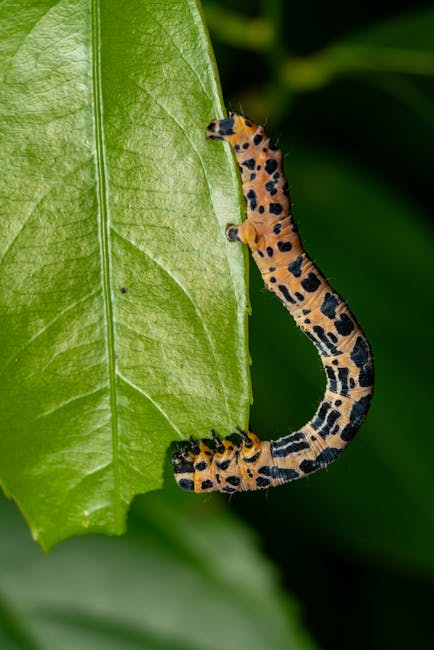
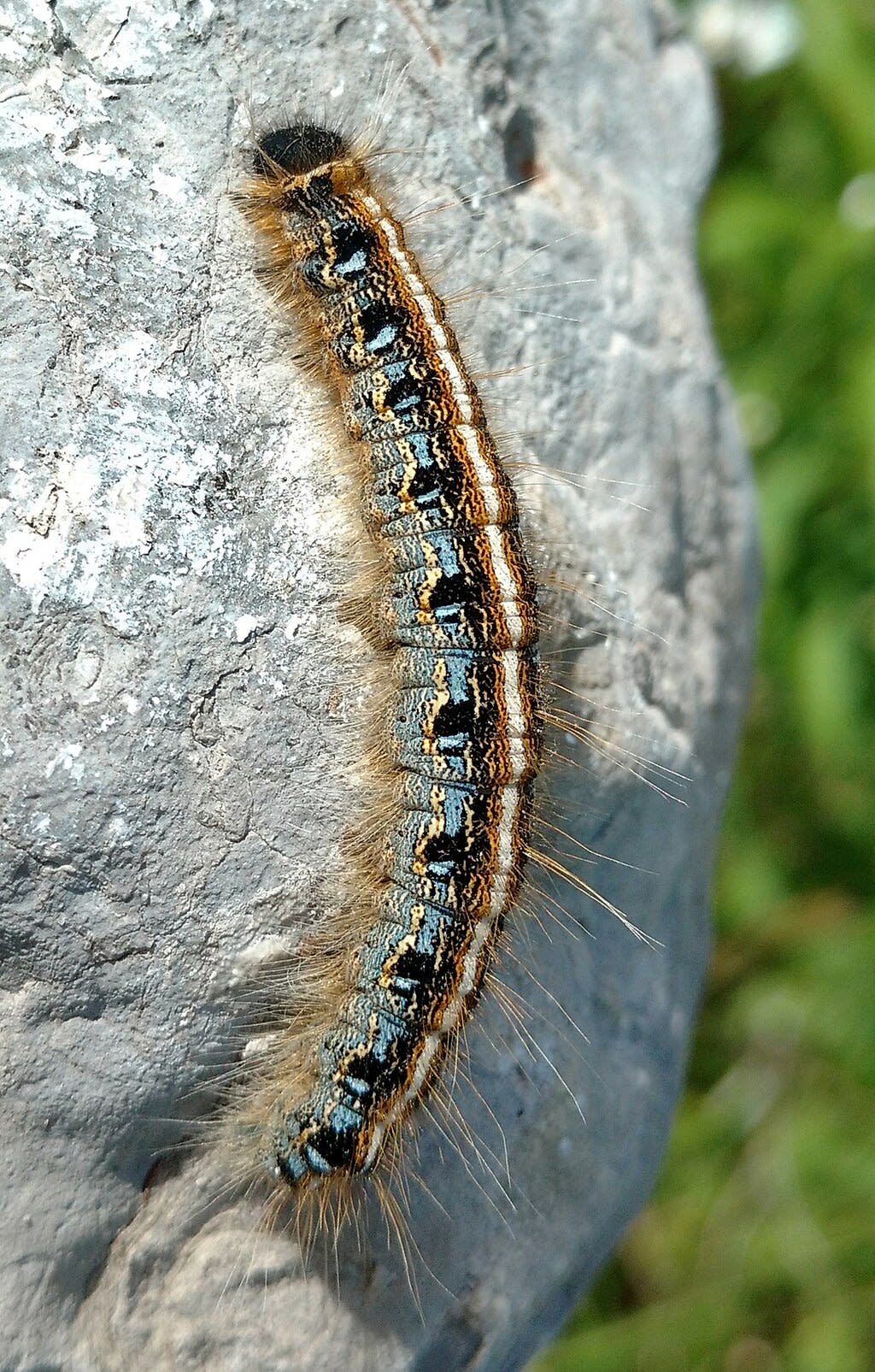
Tent caterpillars have hairy bodies with bright colors. They usually have stripes running along their backs.
They are easy to spot because of the large silk tents they make in tree branches.
- Body color varies from brown to black with white or yellow stripes
- Hairy and fuzzy texture
- Silk tents are white and look like small webs in trees
- Usually found in groups
Habitat And Behavior
Tent caterpillars live mainly in deciduous trees like cherry and apple trees. They prefer warm places in spring and early summer.
They feed on leaves and grow quickly. The tents protect them from predators and bad weather.
- Build silk tents in tree branches
- Live in groups inside tents
- Feed on tree leaves, sometimes causing damage
- Active mostly during the day
Credit: owlcation.com
Toxicity Myths
Tent caterpillars often cause worry because many people think they are poisonous. These small insects can look scary with their hairy bodies. Some believe touching them can cause serious harm.
It is important to understand what is true and what is false about their toxicity. Myths can lead to unnecessary fear and wrong actions.
Common Misconceptions
Many people think tent caterpillars are poisonous just because they have hairs or bright colors. This is not true. They do not have poison that can harm humans seriously.
Some caterpillars can cause skin irritation, but tent caterpillars usually only cause mild itching or a rash if you touch them. They are not deadly or highly toxic.
- They are not venomous or poisonous to humans.
- Touching them may cause mild skin irritation in some people.
- They do not inject toxins like some other insects.
- Most reactions come from allergic responses, not poison.
How Poison Is Defined
Poison is a substance that can cause harm or death when it enters the body. This can happen by eating, touching, or breathing the substance.
Tent caterpillars do not produce poison. Their hairs can irritate skin but do not have toxic chemicals that hurt the body deeply.
- Poison causes serious damage or illness.
- Irritants only cause mild reactions like itching or redness.
- Tent caterpillars have irritants, not poisons.
- Understanding the difference helps avoid fear.
Health Effects On Humans
Tent caterpillars are common insects found in many areas. People often ask if they are harmful to humans. This section explains the health effects tent caterpillars can cause.
While tent caterpillars do not carry poisons, their hairs and secretions can cause some problems. These effects mainly affect the skin and immune system.
Skin Reactions And Irritations
Contact with tent caterpillar hairs can cause skin irritation. The tiny hairs may stick to the skin and cause redness or itching. Some people develop a rash after touching these caterpillars.
- Redness on the skin
- Itchy or burning sensation
- Small bumps or rash
- Swelling in sensitive areas
These reactions usually go away in a few days. Washing the skin with soap and water helps reduce irritation. Avoid rubbing the affected area to stop spreading the hairs.
Allergic Responses
Some people may have allergic reactions after exposure to tent caterpillars. Allergies occur when the immune system overreacts to the caterpillar hairs or secretions.
| Allergic Symptom | Description |
| Swelling | Face, eyes, or throat may swell |
| Difficulty Breathing | Wheezing or shortness of breath |
| Hives | Raised, itchy bumps on the skin |
| Fever | Mild temperature rise in some cases |
Severe allergic reactions are rare but require medical help. People with known allergies should avoid touching tent caterpillars or their nests.
Impact On Pets And Wildlife
Tent caterpillars are common insects found on many trees. They can affect pets and wildlife in different ways.
Some animals may try to eat these caterpillars and get sick. It is important to know if tent caterpillars are poisonous.
Symptoms In Animals
Animals that eat tent caterpillars may show signs of illness. These symptoms can help pet owners identify a problem quickly.
Common symptoms include vomiting, diarrhea, and drooling. Pets may also scratch or lick their mouth more than usual.
- Vomiting or nausea
- Diarrhea
- Excessive drooling
- Mouth irritation or swelling
- Scratching or licking mouth
- Weakness or lack of energy
Precautions For Pet Owners
Pet owners should watch their animals during caterpillar season. Keep pets away from trees that have tent caterpillars.
Check your yard for caterpillar nests and remove them safely. If your pet shows symptoms, contact a vet immediately.
- Keep pets away from infested trees
- Remove caterpillar nests carefully
- Supervise pets outside
- Learn to recognize symptoms of poisoning
- Seek veterinary help if needed
Safe Handling Tips
Tent caterpillars are common pests found in trees. Some people worry if they are poisonous. It is important to know how to handle them safely.
This guide gives tips on protective measures and what to do if you touch tent caterpillars.
Protective Measures
Wear gloves and long sleeves when working near tent caterpillars. They have tiny hairs that can irritate your skin.
- Wear thick gloves to avoid skin contact.
- Use a long-handled tool to remove them from trees.
- Keep children and pets away from infested areas.
- Wash your hands and clothes after handling caterpillars.
- Avoid touching your face while working near them.
What To Do If Contact Occurs
If you touch a tent caterpillar, rinse the area with cold water. This helps remove the tiny hairs that cause irritation.
| Action | Reason |
| Rinse skin with cold water | Removes irritating hairs |
| Apply anti-itch cream | Reduces itching and swelling |
| Take antihistamine if needed | Helps with allergic reactions |
| See a doctor if rash worsens | Prevents infection or severe reaction |

Credit: www.boston25news.com
Controlling Tent Caterpillar Populations
Tent caterpillars can damage trees by eating their leaves. Controlling their numbers helps keep plants healthy. There are natural ways and management methods to reduce their impact.
This guide covers natural predators and effective strategies to manage tent caterpillar populations safely and efficiently.
Natural Predators
Many animals eat tent caterpillars and help lower their numbers. Birds, insects, and small mammals all play a role in controlling these pests naturally.
- Birds like orioles and cuckoos feed on caterpillars.
- Wasps and flies lay eggs inside caterpillars, killing them.
- Spiders catch caterpillars in their webs.
- Small mammals such as shrews also eat them.
Effective Management Strategies
Besides natural predators, people can use safe methods to manage tent caterpillars. These strategies help reduce damage without harmful chemicals.
| Strategy | Description |
| Pruning | Cut and remove caterpillar tents from branches. |
| Handpicking | Remove caterpillars by hand and destroy them. |
| Barrier Bands | Wrap sticky bands around trees to trap crawling caterpillars. |
| Biological Control | Use natural predators or bacterial sprays like Bacillus thuringiensis. |
Frequently Asked Questions
Are Tent Caterpillars Harmful To Humans?
Tent caterpillars are not harmful to humans. They do not bite or sting. While they might be a nuisance due to their large numbers, they don’t pose any direct health risks. However, some people might experience mild skin irritation upon contact.
Can Tent Caterpillars Kill Trees?
Tent caterpillars can defoliate trees but rarely kill them. Healthy trees usually recover after defoliation. However, repeated infestations can weaken trees, making them more susceptible to other stresses. Managing infestations early can help protect tree health.
What Do Tent Caterpillars Eat?
Tent caterpillars primarily eat the leaves of deciduous trees. They have a preference for cherry, apple, and crabapple trees. This feeding can lead to significant leaf loss, especially in large populations. Regular monitoring and management are essential to prevent severe defoliation.
How Can I Control Tent Caterpillar Infestations?
Control tent caterpillars by removing egg masses in winter. Handpick and destroy caterpillars if possible. Insecticidal treatments can be effective when applied early. Encourage natural predators, like birds, to keep populations in check. Consistent monitoring is key to managing infestations effectively.
Conclusion
Tent caterpillars are not poisonous to humans. Their hairs might cause skin irritation sometimes. Avoid touching them with bare hands. They mainly harm trees, not people. Watching them from a distance is safe. Taking care of your garden helps control their numbers.
Understanding these insects reduces unnecessary worry. Nature has its way of balancing things. Stay informed and enjoy the outdoors safely.