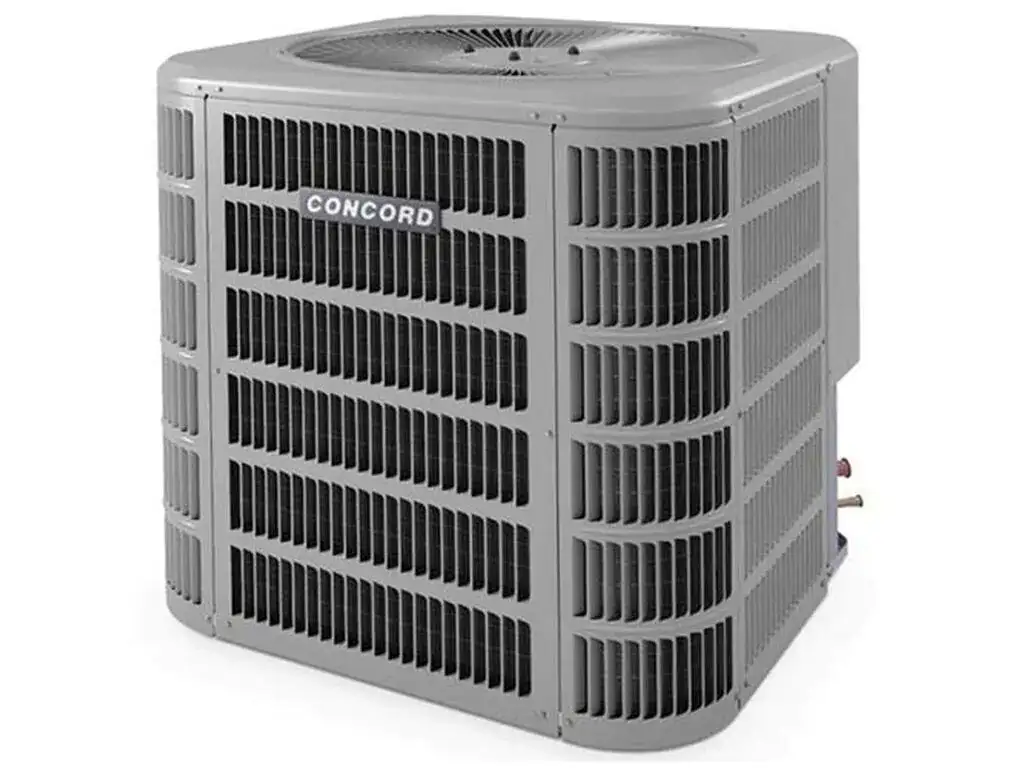
Have you ever wondered what makes your air conditioner keep your home cool and comfortable? One key part you might not know about is the air conditioner condenser.
Understanding what this component does can help you take better care of your cooling system and avoid costly repairs. You’ll discover exactly what an air conditioner condenser is, why it’s so important, and how it works to keep your space refreshingly cool.
Keep reading—you’ll be surprised at how this simple piece can make a big difference in your comfort.
Air Conditioner Condenser Basics
An air conditioner condenser is a key part of your cooling system. It helps remove heat from inside your home.
The condenser works with other parts to keep the air cool and comfortable.
Role In Cooling Systems
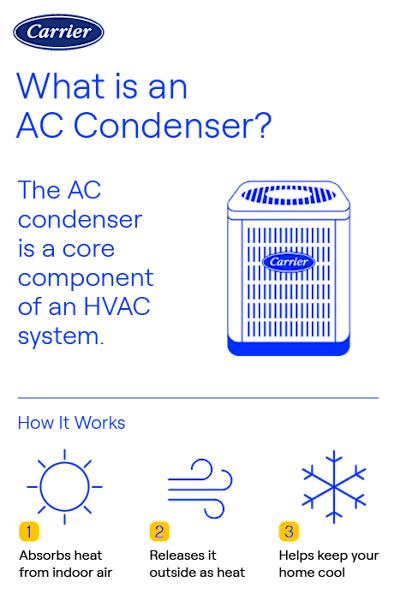
The condenser’s job is to release heat collected from inside the house to the outside air. It changes refrigerant gas back to liquid by cooling it down.
- Receives hot refrigerant gas from the compressor
- Cools the gas with air flow
- Condenses gas into liquid form
- Sends liquid refrigerant to the evaporator coil
Key Components
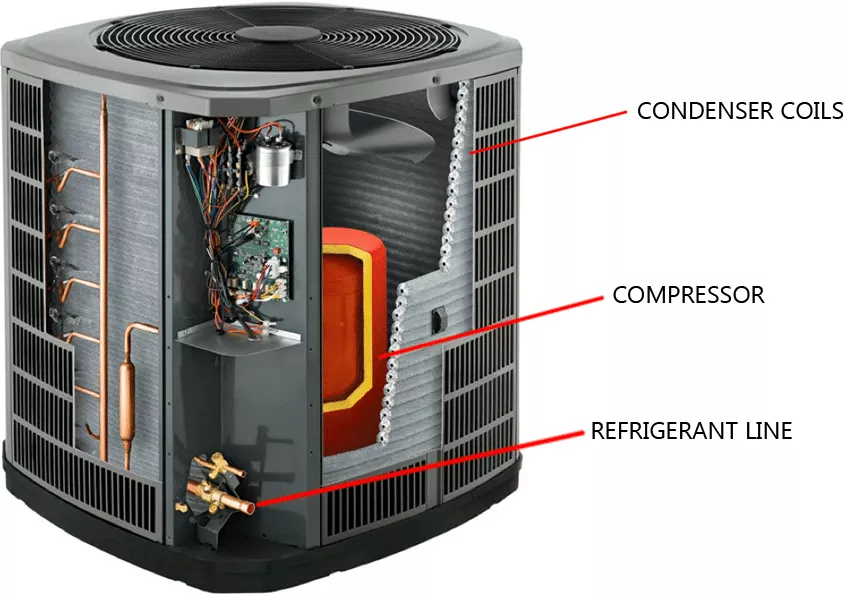
| Component | Description |
| Condenser Coil | Metal tubing that cools the refrigerant |
| Compressor | Pressurizes refrigerant gas |
| Fan | Blows air over the coil to remove heat |
| Refrigerant | Fluid that absorbs and releases heat |
Credit: www.carrier.com
How Condensers Work
An air conditioner condenser helps cool your home by moving heat outside. It works with other parts to keep the air fresh and cool.
This section explains how condensers work through the heat exchange process and the refrigerant cycle.
Heat Exchange Process
The condenser releases heat collected from inside your home. It moves warm air from the refrigerant to the outside air.
- The refrigerant carries heat from inside the house.
- The condenser coil lets heat pass to the outside air.
- The fan helps blow the heat away from the coil.
- The cooled refrigerant flows back inside to absorb more heat.
Refrigerant Cycle
The refrigerant cycle moves heat from inside to outside using a special fluid called refrigerant. This cycle repeats continuously to keep your space cool.
| Stage | Action | Location |
| 1 | Refrigerant absorbs heat | Inside evaporator coil |
| 2 | Refrigerant becomes hot gas | After compressor |
| 3 | Condenser releases heat | Outside coil |
| 4 | Refrigerant cools and condenses | Outside coil |
| 5 | Refrigerant returns to liquid | Before evaporator coil |
Types Of Air Conditioner Condensers
An air conditioner condenser helps cool the hot gas from the compressor. It changes the gas back to a liquid. Different types of condensers work in different ways.
Choosing the right type depends on the space and cooling needs. The main types are air-cooled, water-cooled, and evaporative condensers.
Air-cooled Condensers
Air-cooled condensers use air to cool the refrigerant. They have fans that blow air over metal coils. This removes heat from the refrigerant.
These condensers are easy to install and need less water. They work well in places with good airflow and moderate temperatures.
- Simple design with fewer parts
- Lower maintenance costs
- Used in homes and small buildings
Water-cooled Condensers
Water-cooled condensers use water to cool the refrigerant. Water flows through tubes inside the condenser. The heat moves from the refrigerant to the water.
They are more efficient than air-cooled types. These condensers need a water supply and drainage system. They are common in large buildings and factories.
- High cooling capacity
- Needs regular water treatment
- Requires more maintenance
Evaporative Condensers
Evaporative condensers cool the refrigerant using both air and water. Water sprays over the coils while fans blow air. The water evaporates, removing heat from the refrigerant.
They use less water than water-cooled types. Evaporative condensers are efficient in dry climates. They need less energy to run fans and pumps.
- Combines air and water cooling
- Good for hot and dry areas
- Moderate maintenance required
Credit: kayplumbing.com
Signs Of Condenser Problems
The air conditioner condenser is a key part of your cooling system. It helps release heat from inside your home to the outside air. When the condenser has problems, your AC may not work well.
Knowing the signs of condenser issues can help you fix them early. This can save you from costly repairs and keep your home comfortable.
Reduced Cooling Efficiency
If your air conditioner is not cooling your home as it used to, the condenser might be the problem. A dirty or damaged condenser coil can lower cooling power. The system must work harder to cool the air.
- Longer time to reach the set temperature
- Rooms feel warmer than usual
- Higher electricity bills
- AC cycles on and off frequently
Unusual Noises
Strange sounds from your air conditioner often point to condenser problems. You might hear buzzing, rattling, or humming noises. These sounds can mean loose parts, a failing fan motor, or debris stuck in the unit.
Leaks And Damage
| Type of Leak or Damage | Possible Cause | Effect on AC |
| Water pooling near unit | Blocked drainage or refrigerant leak | System shuts down or cools poorly |
| Oil stains on condenser | Refrigerant leak | Loss of cooling power |
| Dents or bent fins | Physical damage or debris impact | Reduced airflow and efficiency |
Check the condenser regularly for visible leaks or damage. Fixing these issues quickly can keep your AC running smoothly.
Maintenance Tips For Condensers
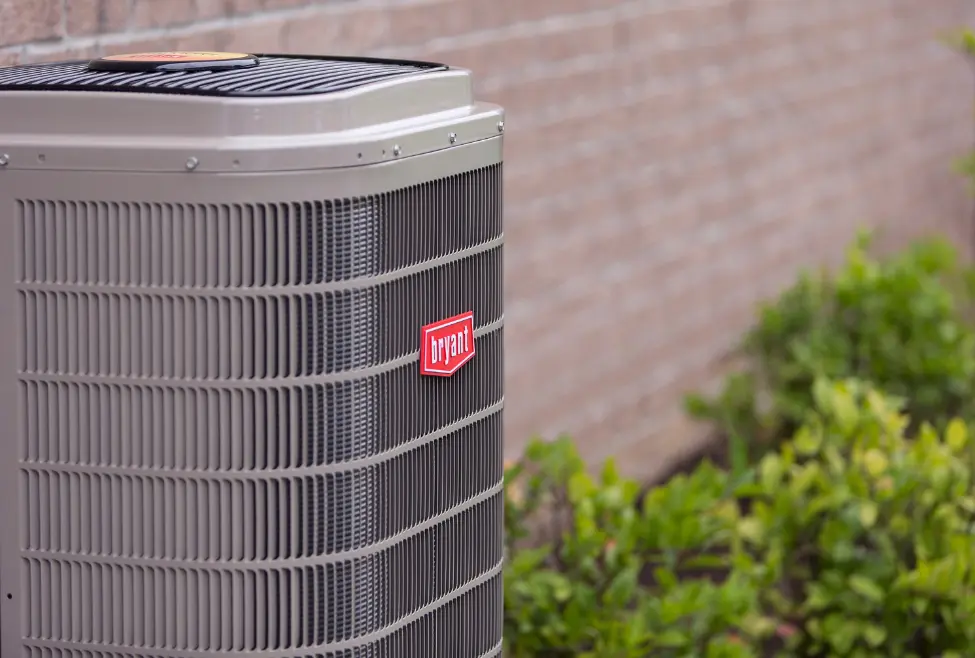
Air conditioner condensers need regular care to work well. Cleaning and checking them keeps the system cool and saves energy. Simple maintenance helps avoid big problems later.
These tips focus on easy steps anyone can do and when to call a professional for help. Follow these to keep your condenser in good shape all year.
Cleaning And Inspection
Regular cleaning removes dirt and debris from the condenser. Dirt can block airflow and reduce cooling. Inspection helps find damage or leaks early.
- Turn off the power before cleaning the unit.
- Remove leaves, grass, and dust from around the condenser.
- Use a soft brush or vacuum to clean the fins gently.
- Check for bent fins and straighten them carefully.
- Inspect for oil leaks or refrigerant stains.
- Make sure the area around the condenser is clear for airflow.
Professional Servicing
Some maintenance tasks require trained technicians. Professional servicing ensures the condenser runs efficiently and lasts longer.
| Service | Why It Matters | How Often |
| Refrigerant Check | Maintains cooling power and efficiency | Once a year |
| Electrical Inspection | Prevents failures and safety hazards | Once a year |
| Coil Cleaning | Improves heat exchange and airflow | Once a year |
| System Performance Test | Detects early problems and optimizes operation | Once a year |
Credit: www.lochardplumbingheatingandcooling.com
Energy Efficiency And Condensers
An air conditioner condenser is a key part of the cooling system. It releases heat from inside your home to the outside air. The condenser helps the air conditioner work well and saves energy.
Choosing the right condenser improves energy efficiency. This means lower electricity bills and less impact on the environment. Understanding how to pick and maintain condensers is important for good performance.
Choosing Efficient Models
Look for condensers with high energy efficiency ratings. These models use less power while cooling your space. Energy Star certified condensers are a good choice. They meet strict efficiency guidelines set by experts.
- Check the SEER (Seasonal Energy Efficiency Ratio) rating
- Pick models with modern refrigerants that use less energy
- Choose condensers with good coil design for better heat transfer
- Consider units with variable speed fans to save electricity
Improving Performance
Maintaining your condenser keeps it running efficiently. Clean the coils and clear debris regularly. Make sure the condenser has enough space for air flow. These steps help reduce energy use and extend the life of your unit.
| Maintenance Task | Benefit |
| Clean condenser coils | Improves heat transfer and saves energy |
| Clear debris around unit | Ensures proper airflow and reduces strain |
| Check refrigerant levels | Maintains cooling efficiency |
| Inspect fan operation | Keeps airflow steady for better performance |
Common Myths About Condensers
Many people do not fully understand what an air conditioner condenser does. This leads to several myths about how condensers work and how to care for them.
Clearing up these myths helps you keep your air conditioner running smoothly and saves money on repairs.
Myth: Condensers Need Little To No Maintenance
Some believe condensers do not require regular care. In truth, they need cleaning and inspection to work well.
Dirt and debris can block airflow and reduce cooling efficiency. Regular maintenance keeps the condenser in good shape.
Myth: Bigger Condensers Always Cool Better
A larger condenser does not always mean better cooling. It must match the size of your air conditioner system.
Too big or too small condensers can cause problems like poor cooling or higher energy use.
Myth: Condensers Use A Lot Of Energy
Many think condensers waste energy. Actually, modern condensers are designed to be energy efficient.
Keeping the condenser clean and well-maintained helps it use less power and cool better.
Myth: You Can Ignore Strange Noises
Some ignore noises from the condenser, thinking they are normal. Strange sounds often mean a problem.
Unusual noises can signal loose parts or other issues that need quick attention.
Myth: Condensers Work Well In Any Location
People often place condensers without thinking about location. Condensers work best in open, shaded areas.
Placing them near heat sources or in tight spots reduces their cooling ability and lifespan.
Frequently Asked Questions
What Is The Role Of An Air Conditioner Condenser?
The condenser releases heat absorbed from inside your home to the outside air. It cools down refrigerant gas by condensing it into liquid form. This process is essential for the air conditioner to provide cool air efficiently.
How Does An Air Conditioner Condenser Work?
The condenser uses a fan to blow air over coils filled with hot refrigerant gas. The heat transfers from the refrigerant to the outside air, cooling the refrigerant. This cooled liquid refrigerant then cycles back inside to absorb more heat.
Where Is The Air Conditioner Condenser Located?
The condenser is usually placed outside the building, near the compressor unit. It is part of the outdoor air conditioning unit. Proper placement ensures effective heat dissipation and optimal air conditioner performance.
Why Is Condenser Maintenance Important?
Regular cleaning prevents dust and debris buildup on the condenser coils. This ensures efficient heat exchange and prolongs the unit’s lifespan. Neglecting maintenance can lead to higher energy bills and potential breakdowns.
Conclusion
An air conditioner condenser is crucial for cooling your space. It converts refrigerant from gas to liquid. This process releases heat outside. Proper maintenance ensures efficient performance and longer lifespan. Clean the unit regularly to prevent dirt buildup. Check for any leaks and damages.
Always seek professional help for complex issues. Understanding your condenser helps in better usage. It keeps your home comfortable and cool. Remember, a well-maintained condenser saves energy and money. So, keep it in top shape for optimal cooling.