Your motorcycle tires are the only part connecting you to the road. But how often should you change them to stay safe and enjoy a smooth ride?
Knowing the right time to replace your tires can save you from accidents and costly repairs. You’ll discover simple signs and expert tips to help you decide when it’s time for new tires. Keep reading to protect yourself and get the most out of every ride.

Credit: www.dunlopmotorcycletires.com
Signs Tires Need Replacement
Motorcycle tires wear out with use and time. Knowing when to replace them keeps you safe.
Look for clear signs on your tires that show they need changing soon.
Tread Depth Indicators
Tires have built-in tread depth indicators. These small bars show how much tread is left.
If the tread is worn down to these bars, the tire cannot grip the road well.
- Tread depth bars are found in the grooves of the tire
- When tread reaches the bars, it is time to replace the tire
- Low tread depth increases risk of slipping on wet roads
Visible Cracks And Damage
Check your tires for cracks or cuts on the surface or sidewalls. These weaken the tire.
Damage can cause air leaks or sudden tire failure. Replace tires with visible cracks.
- Cracks may appear from age or harsh weather
- Bulges or cuts on sidewalls are dangerous
- Remove tires with any severe damage or punctures
Uneven Wear Patterns
Uneven tire wear means the tire wears more on one side than the other. This affects balance.
Uneven wear may be caused by poor alignment, wrong tire pressure, or suspension issues.
- Check for bald spots or excessive wear on edges
- Uneven wear reduces grip and handling
- Replace tires showing uneven wear patterns

Credit: www.motorcyclistonline.com
Recommended Tire Lifespan
Knowing when to change motorcycle tires is important for safety. Tires wear out over time and with use. Replacing them at the right time helps avoid accidents.
Tire lifespan depends on many factors. This guide explains key points to consider for when to change your tires.
Manufacturer Guidelines
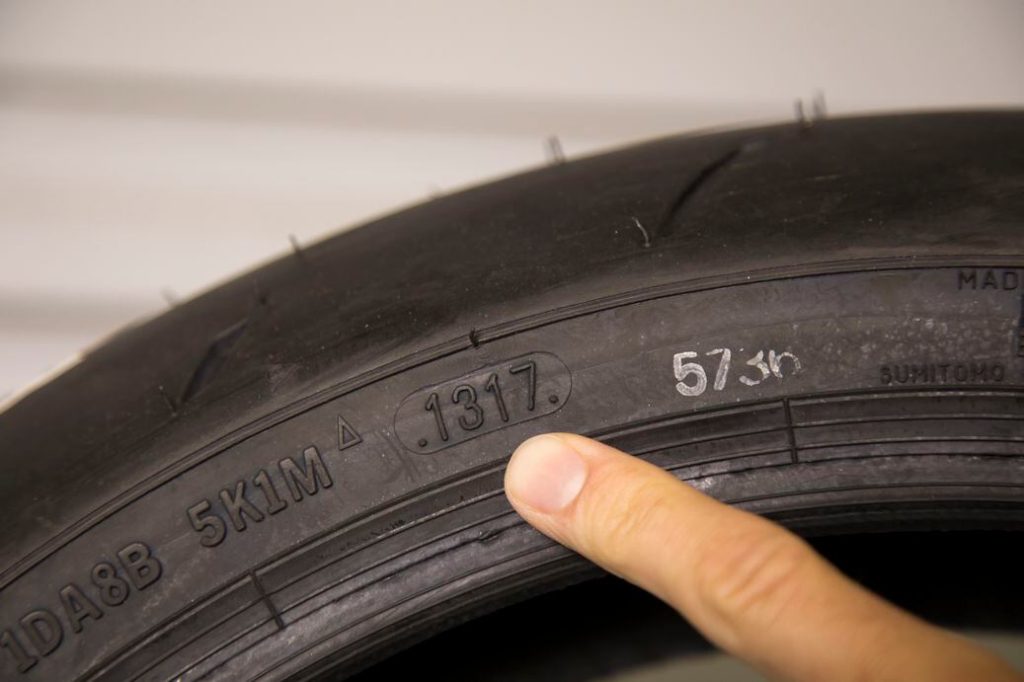
Manufacturers give clear advice on tire life. Most suggest changing tires after a set number of years, even if tread looks good. This is because rubber degrades over time.
- Most tires last between 5 and 7 years from the manufacturing date.
- Check the DOT code on the tire to find its age.
- Replace tires sooner if you see cracks or damage.
- Follow manufacturer recommendations for tire type and use.
Impact Of Riding Conditions
How and where you ride affects tire wear. Rough roads and high speeds wear tires faster. Riding in wet or hot conditions can also reduce tire life.
| Condition | Effect on Tire Lifespan |
| City riding | Moderate wear due to frequent stops |
| Highway riding | Even wear but longer life if speeds are steady |
| Off-road riding | Fast wear and possible damage |
| Hot climates | Rubber ages quicker |
| Cold climates | Rubber can harden, reducing grip |
Storage And Maintenance Effects
Proper tire care extends life. Good storage and regular checks keep tires safe. Poor care can cause early failure.
- Store tires in a cool, dry place away from sunlight.
- Keep tires away from chemicals and oils.
- Check tire pressure regularly and keep it at the recommended level.
- Inspect tires for cracks, cuts, or uneven wear.
- Rotate tires if your bike allows it to ensure even wear.
Safety Risks Of Old Tires
Old motorcycle tires can cause serious safety problems. Worn-out tires may not grip the road well.
Riding with old tires increases the chance of accidents. Knowing the risks helps you stay safe.
Reduced Traction
Tires lose grip as they age. The tread wears down and rubber hardens over time.
Reduced traction means less control on wet or slippery roads. This can cause slipping or sliding.
- Worn tread reduces water channeling
- Hard rubber grips less on the road
- Less traction increases stopping distance
Increased Blowout Risk
Old tires are more likely to blow out. The rubber weakens and cracks with age.
A blowout can cause sudden loss of control. This risk grows if the tire is very old or damaged.
- Cracks allow air to escape quickly
- Damaged sidewalls weaken tire strength
- High speeds increase blowout danger
Handling And Stability Issues
Old tires affect how your motorcycle handles. Steering may feel less precise and stable.
Stability problems make it harder to control the bike, especially in turns or rough conditions.
- Uneven wear causes wobbling
- Hard tires reduce shock absorption
- Less stable tires increase rider fatigue
Tips For Prolonging Tire Life
Motorcycle tires wear out over time and need replacement. Changing tires too late can be unsafe. You can make your tires last longer with good care.
Here are simple tips to help you keep your motorcycle tires in good shape. Follow these to get the best use from your tires.
Proper Inflation
Keep your tires at the correct air pressure. Too much or too little air can cause uneven wear. Check the pressure often, especially before rides.
Use a reliable pressure gauge to measure tire pressure. Adjust it to the levels suggested by your motorcycle’s manual.
- Check tire pressure when tires are cold
- Use the recommended PSI for your bike
- Do not rely on visual checks alone
- Fix leaks or punctures quickly
Regular Inspections
Look at your tires often for damage or wear. Small cuts, cracks, or objects stuck in the tire can cause problems. Check the tread depth to see if tires need changing.
Inspect both front and rear tires before and after each ride. Early detection helps avoid tire failure and extends tire life.
- Look for uneven wear or bald spots
- Remove stones or debris from tread
- Check for sidewall cracks or bulges
- Replace tires when tread is too low
Avoiding Harsh Riding Habits
Riding hard can wear out tires faster. Avoid sudden stops, fast acceleration, and sharp turns. Smooth riding helps tires last longer.
Be gentle on rough roads and watch out for potholes. Rough surfaces and quick moves cause tire damage and reduce their life.
- Accelerate and brake slowly
- Take corners gently
- Reduce speed on rough surfaces
- Avoid hitting curbs or potholes
Choosing The Right Replacement Tires
Replacing motorcycle tires is important for safety and comfort. Picking the right tires helps you enjoy every ride.
This guide covers how to choose tires that fit your style, weather, and riding needs.
Matching Tire Type To Riding Style
Different tires suit different kinds of riding. Choose tires that match how and where you ride your motorcycle.
- Sport tires for fast, smooth rides on pavement
- Touring tires for long distances and comfort
- Off-road tires for rough trails and dirt
- Dual-sport tires for both street and trail use
Considering Weather Conditions
Weather affects tire choice a lot. Some tires work better in rain or cold, while others suit dry, hot roads.
| Weather Condition | Recommended Tire Type | Key Features |
| Wet/Rainy | Rain tires | Deep grooves for water channeling |
| Cold/Winter | Cold-weather tires | Softer rubber for grip in low temperatures |
| Dry/Hot | Sport tires | Harder rubber for durability on hot roads |
| Mixed Conditions | All-season tires | Balanced tread for varied weather |
Balancing Performance And Durability
You want tires that perform well but also last long. Balance these two to get the best value.
- Choose softer tires for better grip but shorter life
- Pick harder tires for longer wear but less traction
- Check tire reviews for real-world wear data
- Maintain proper tire pressure to extend lifespan

Credit: www.reddit.com
Frequently Asked Questions
How Often Should I Replace Motorcycle Tires?
Replace motorcycle tires every 5,000 to 15,000 miles, depending on tire type and riding style. Inspect tread depth regularly. Change tires if tread is below 2/32 inch or if signs of wear appear.
What Are Signs That Tires Need Changing?
Look for cracked sidewalls, worn tread, or uneven wear. Vibrations or loss of grip also indicate tire replacement is needed. Timely changes ensure safety and optimal performance.
Can Old Tires Be Unsafe Even If Tread Looks Fine?
Yes, old tires can harden and lose grip even with good tread. Replace tires every 5 years regardless of appearance to maintain safety and handling.
Does Riding Style Affect Tire Lifespan?
Yes, aggressive riding and frequent cornering wear tires faster. Smooth, moderate riding extends tire life. Adjust replacement frequency based on your riding habits.
Conclusion
Changing motorcycle tires ensures safety and performance. Regular checks are vital. Inspect tread depth and look for any damage. Replace tires showing wear or cracks. Follow manufacturer guidelines for optimal tire life. Riding habits affect tire lifespan. Heavy loads and harsh conditions wear them faster.
Prioritize safety by replacing tires promptly. Keep your rides smooth and trouble-free. Remember, well-maintained tires enhance your biking experience. Stay vigilant and enjoy every ride with confidence.